11 HPP IBAVI Fornells

11 HPP IBAVI Fornells

11 HPP Ibavi Fornells

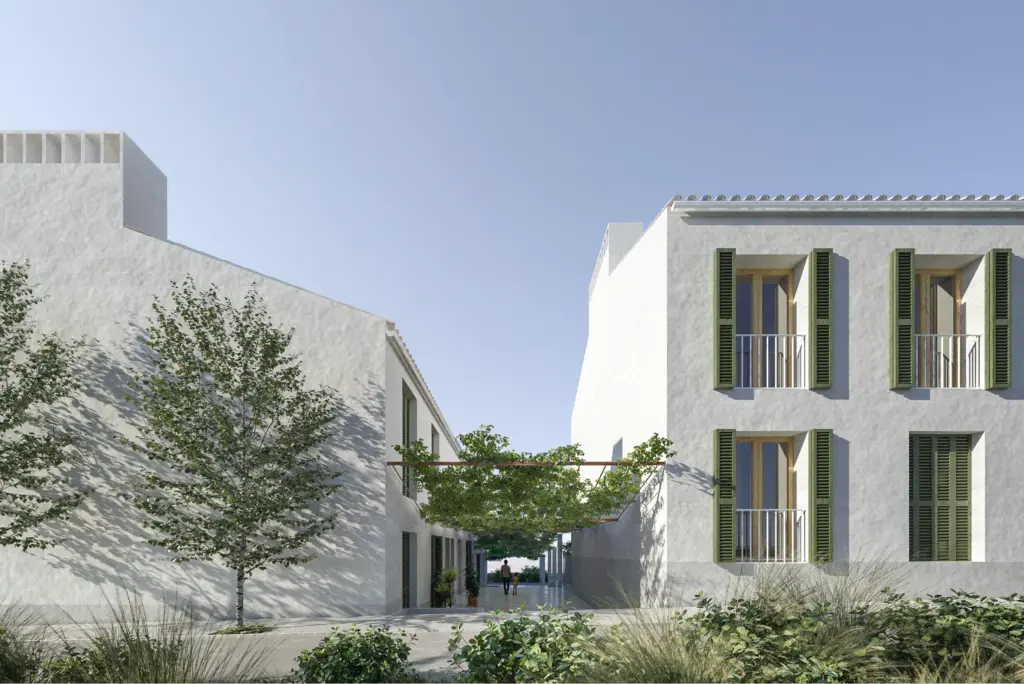
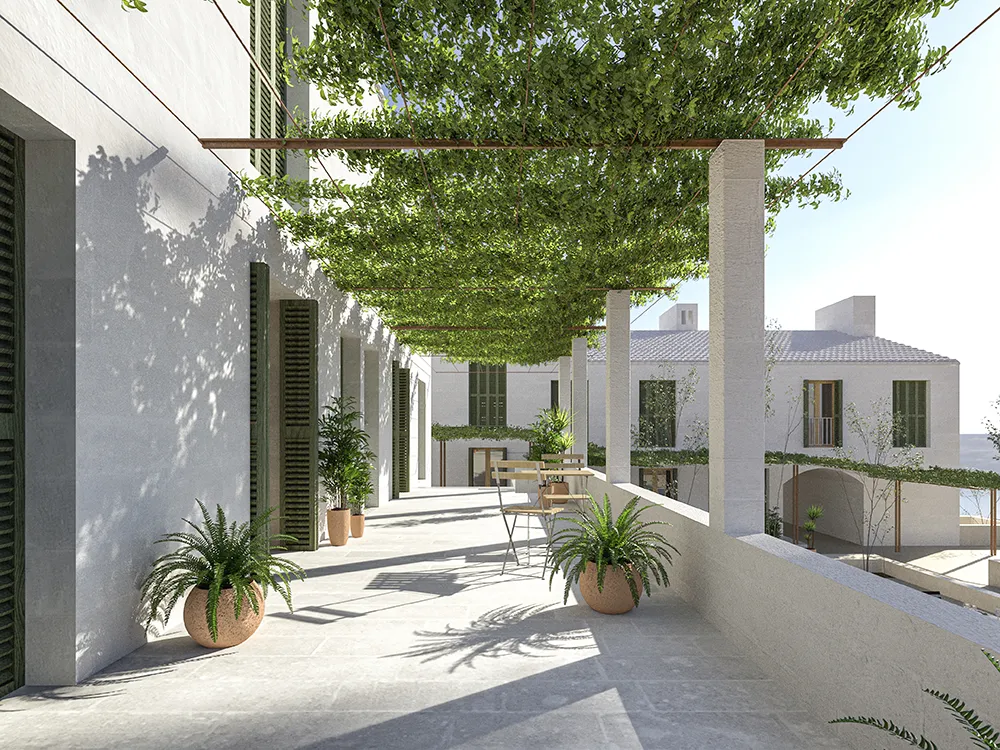
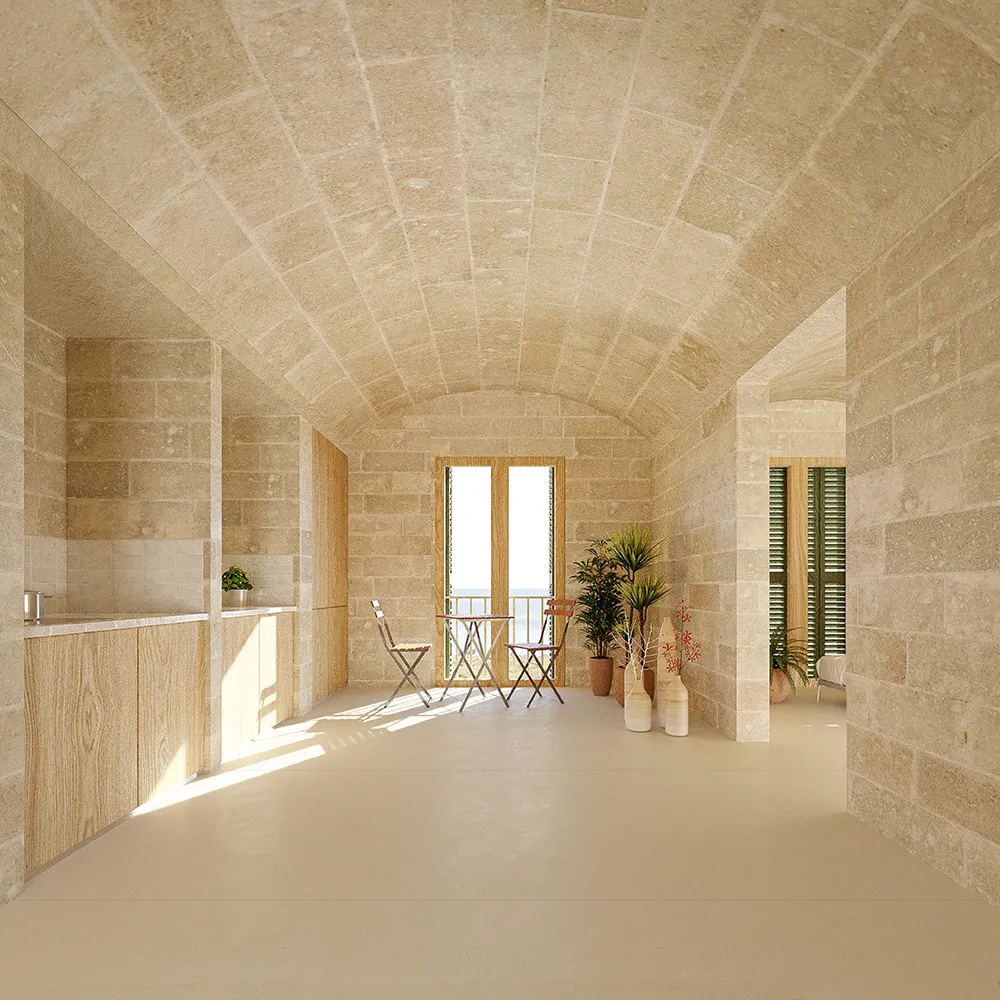
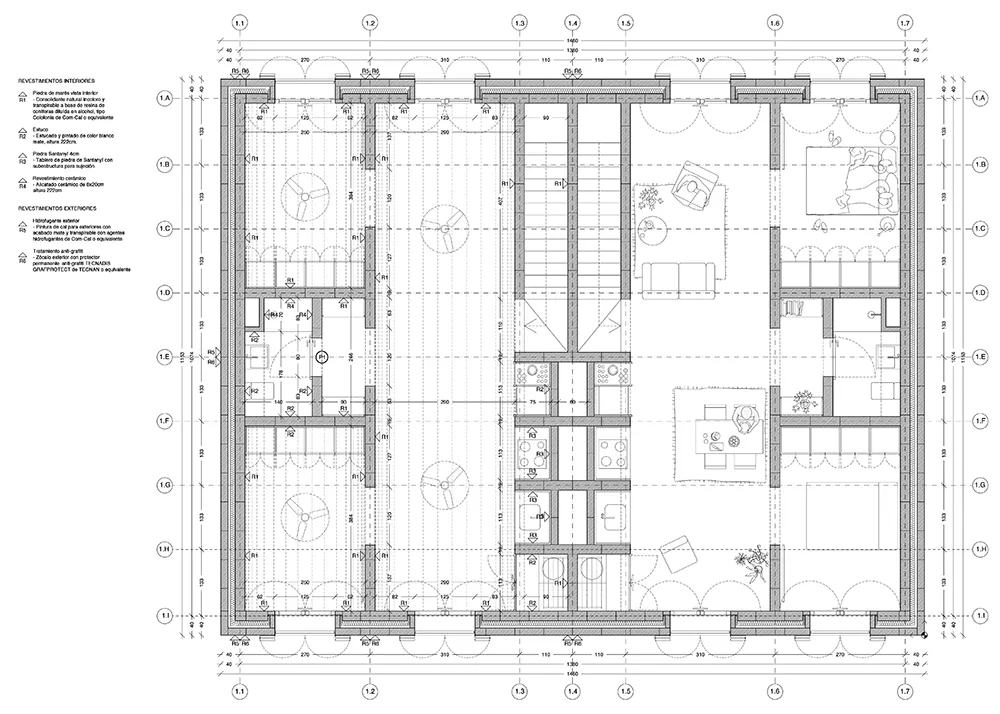
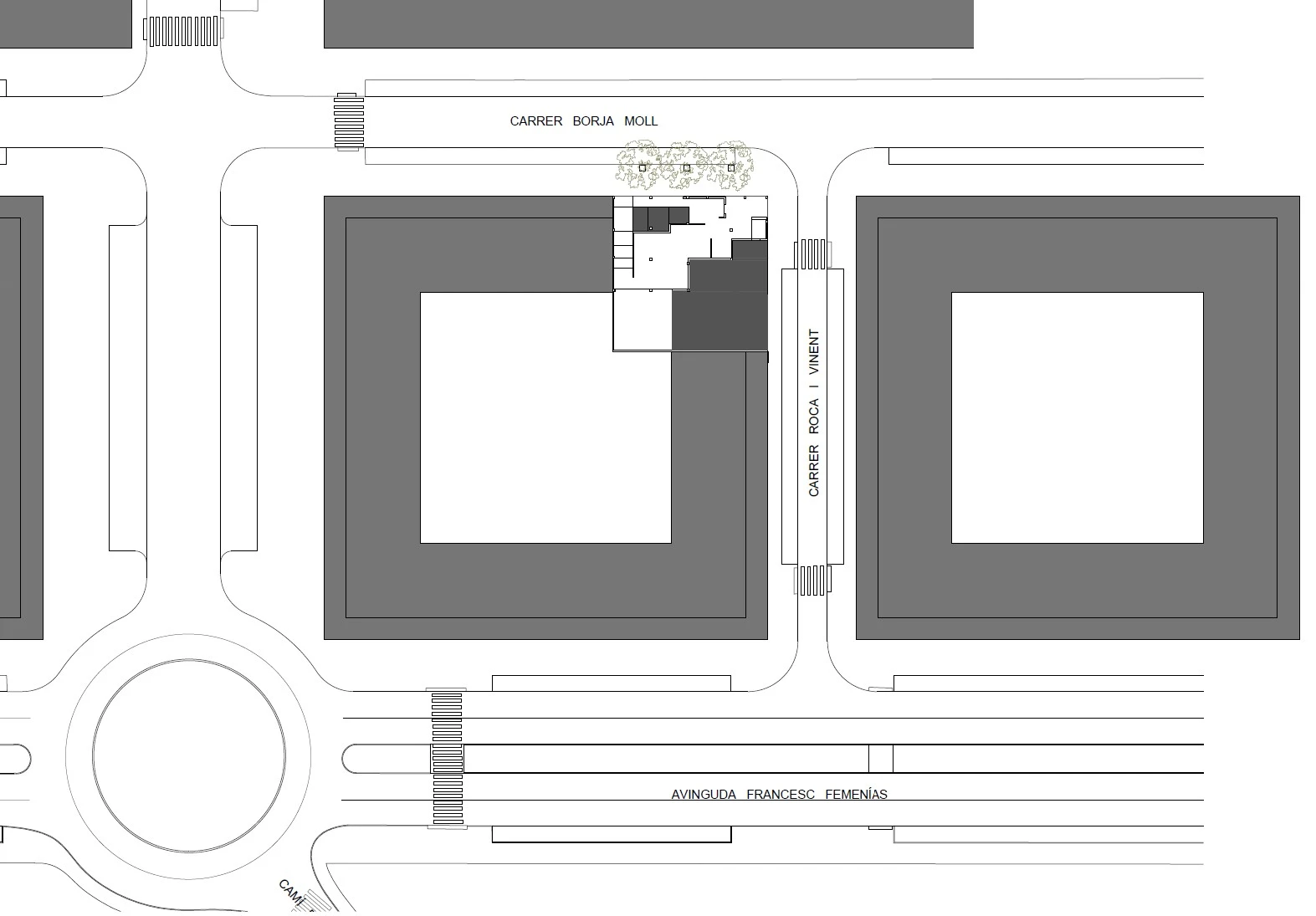
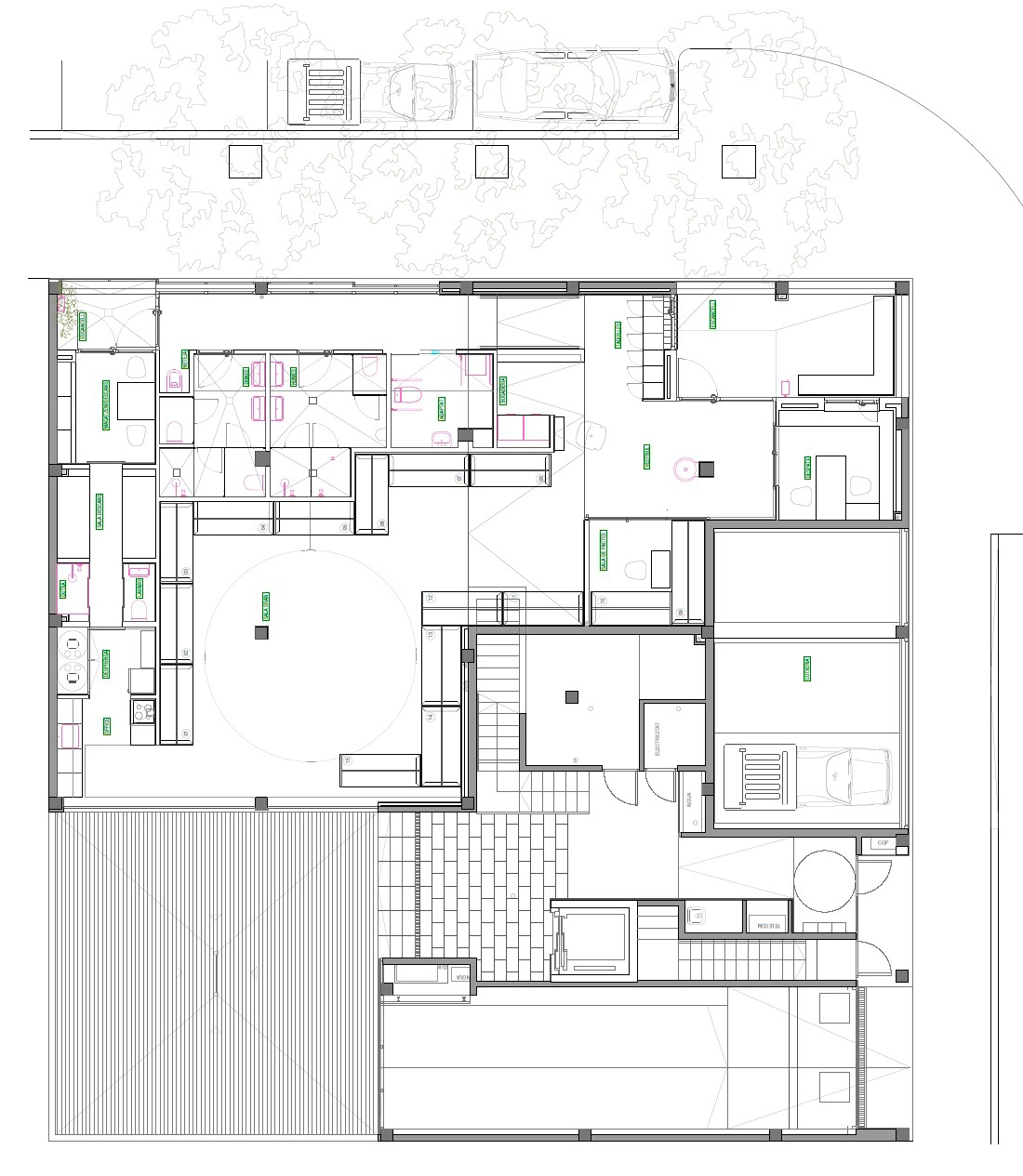
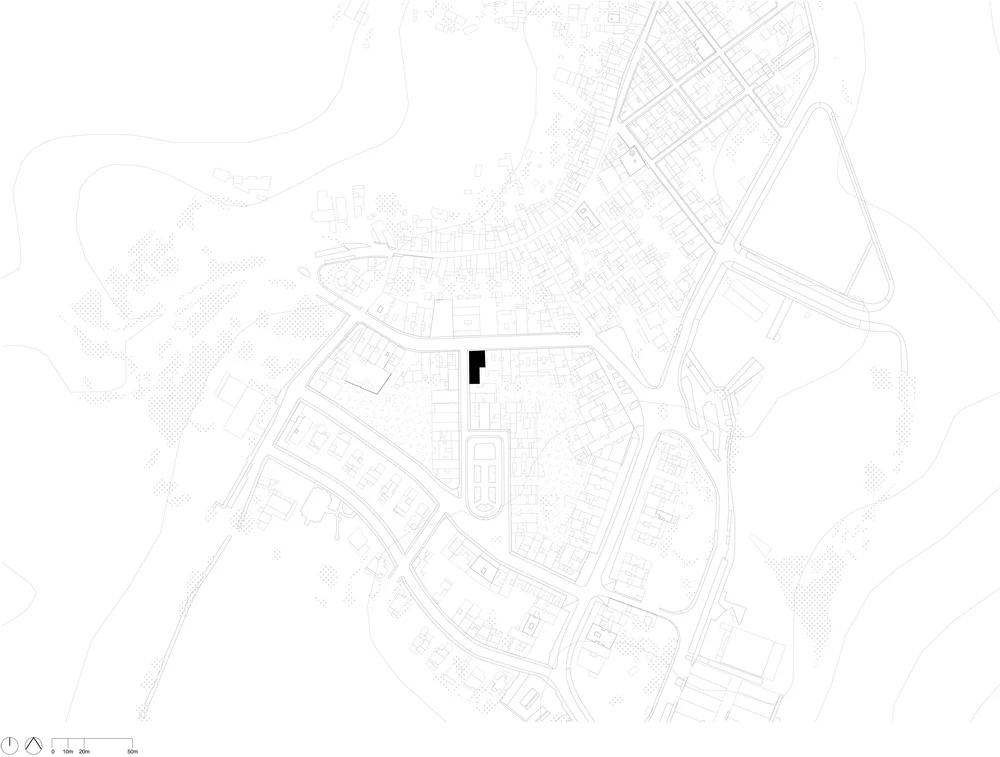
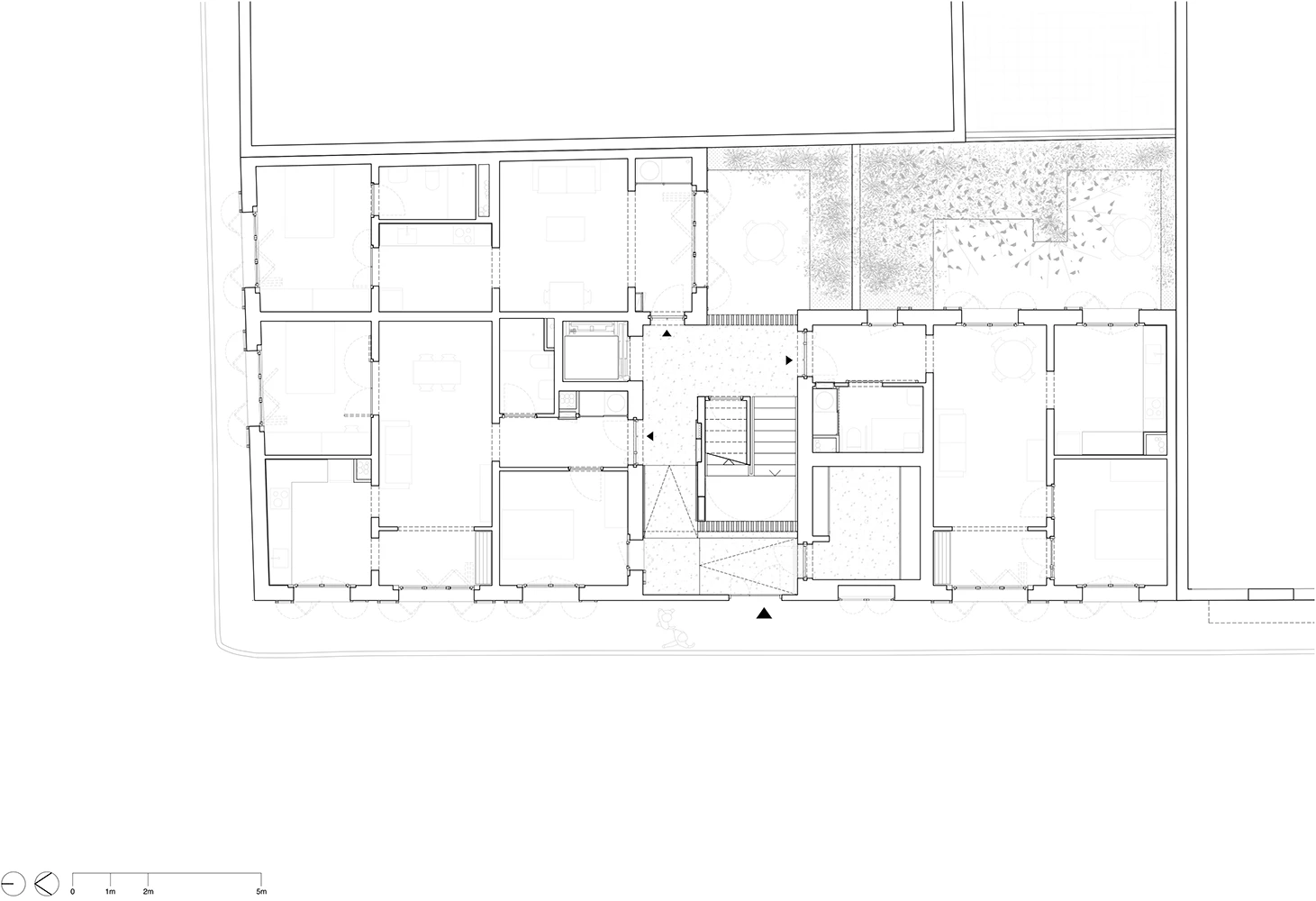
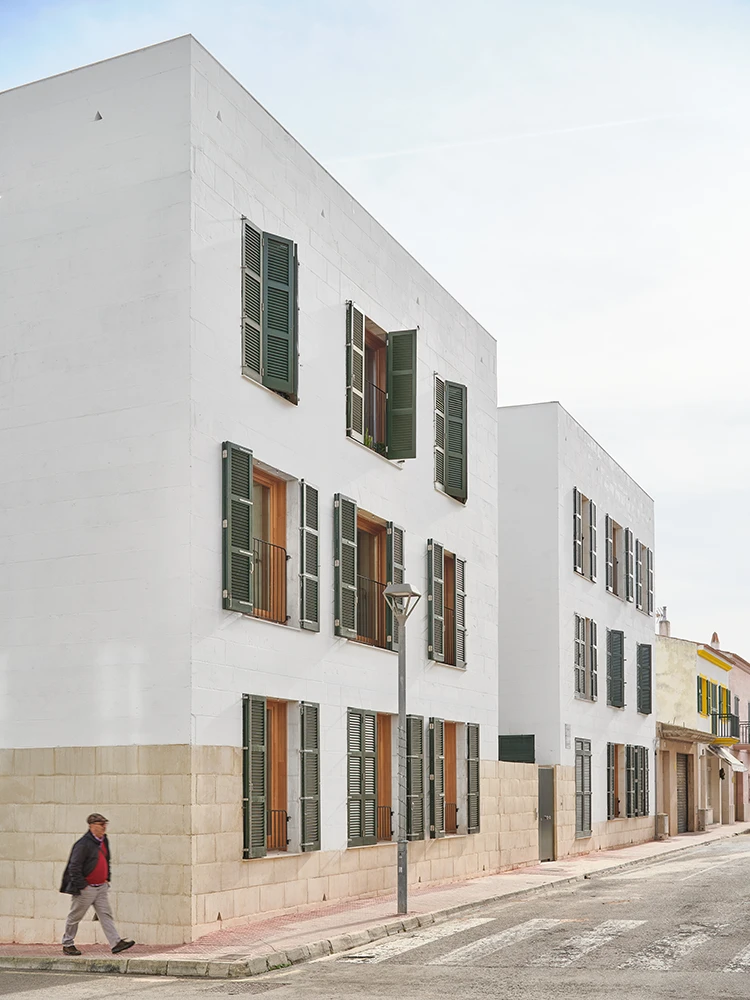
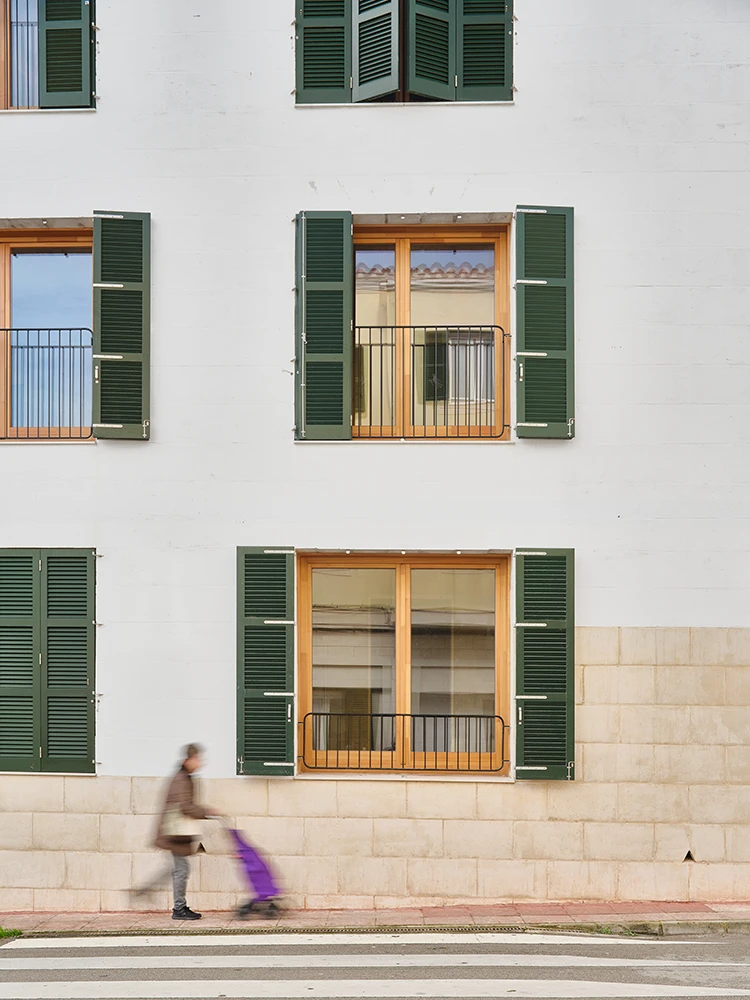
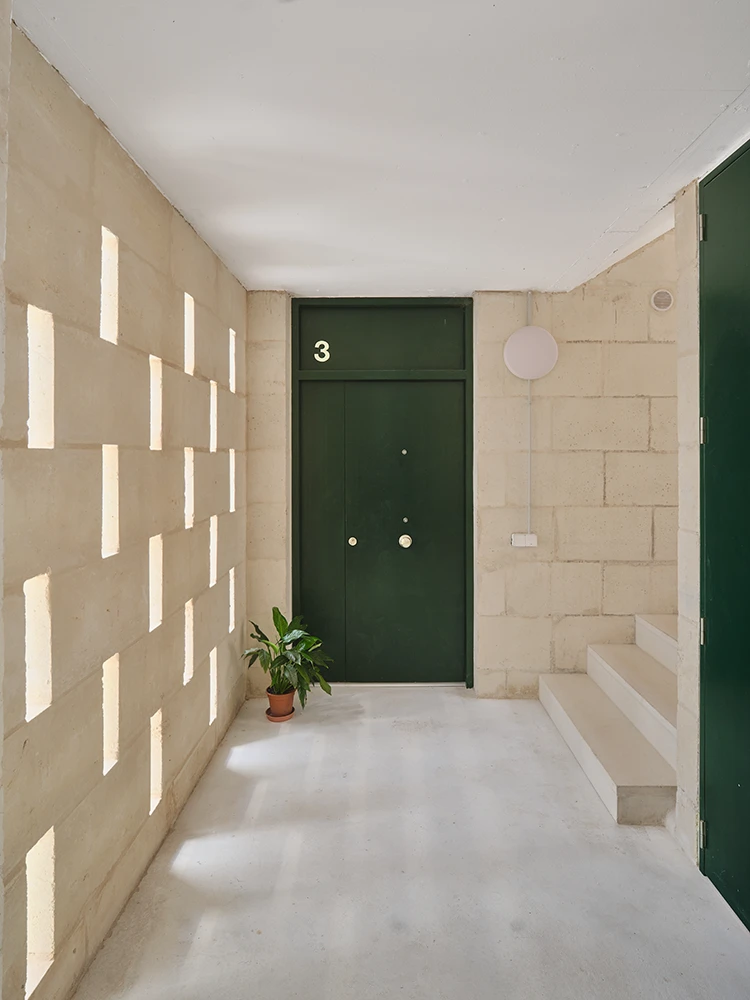
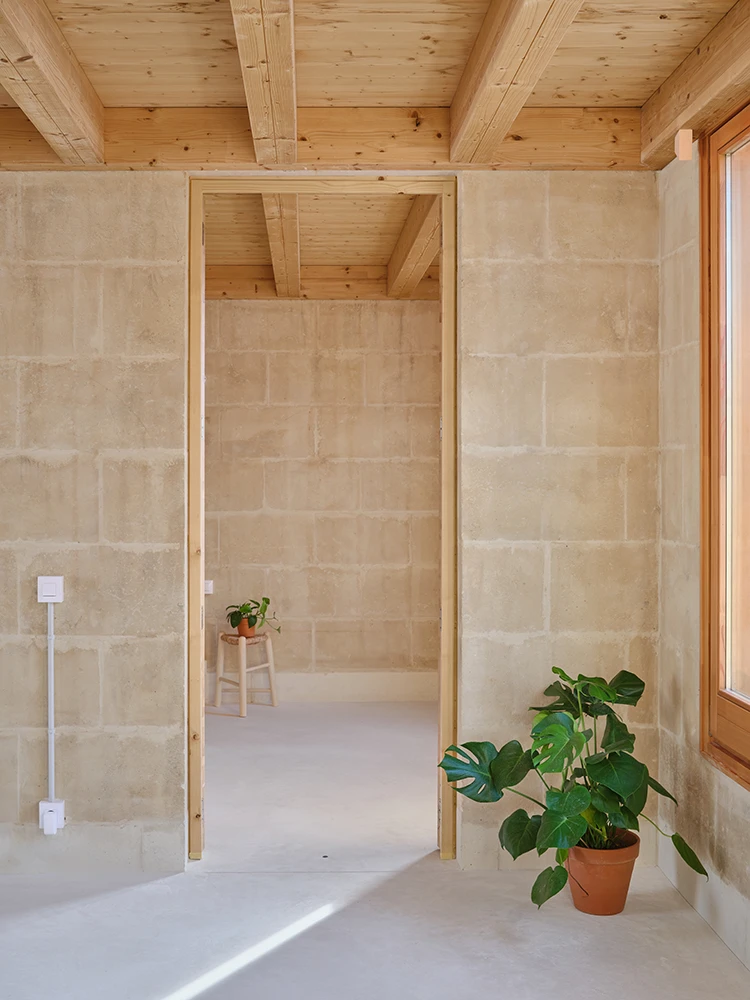
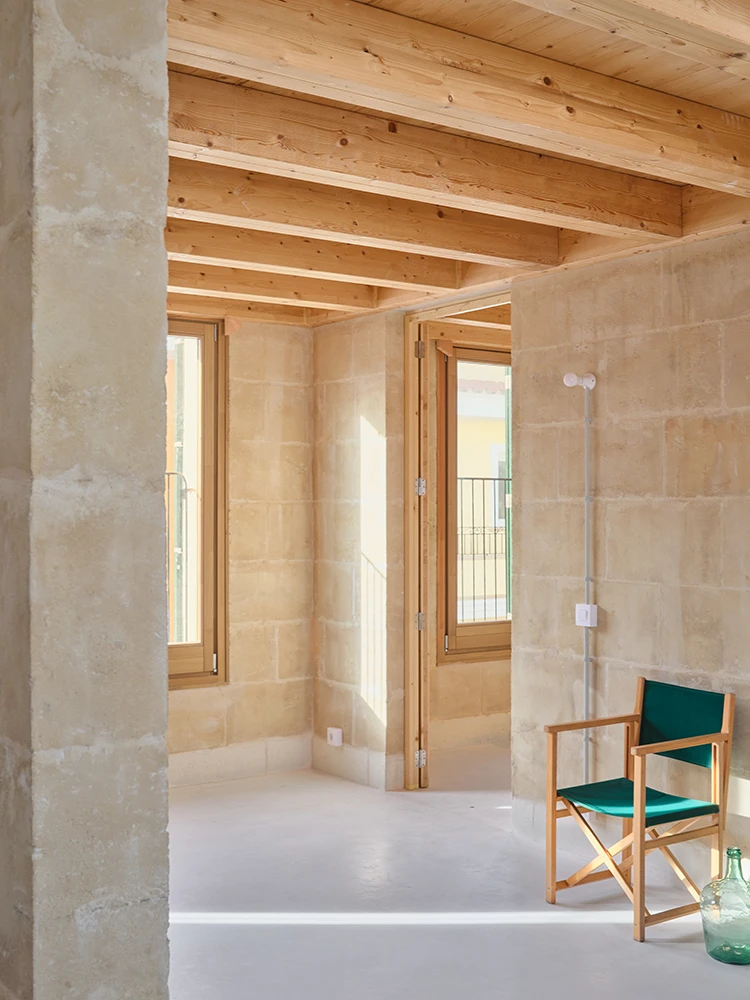
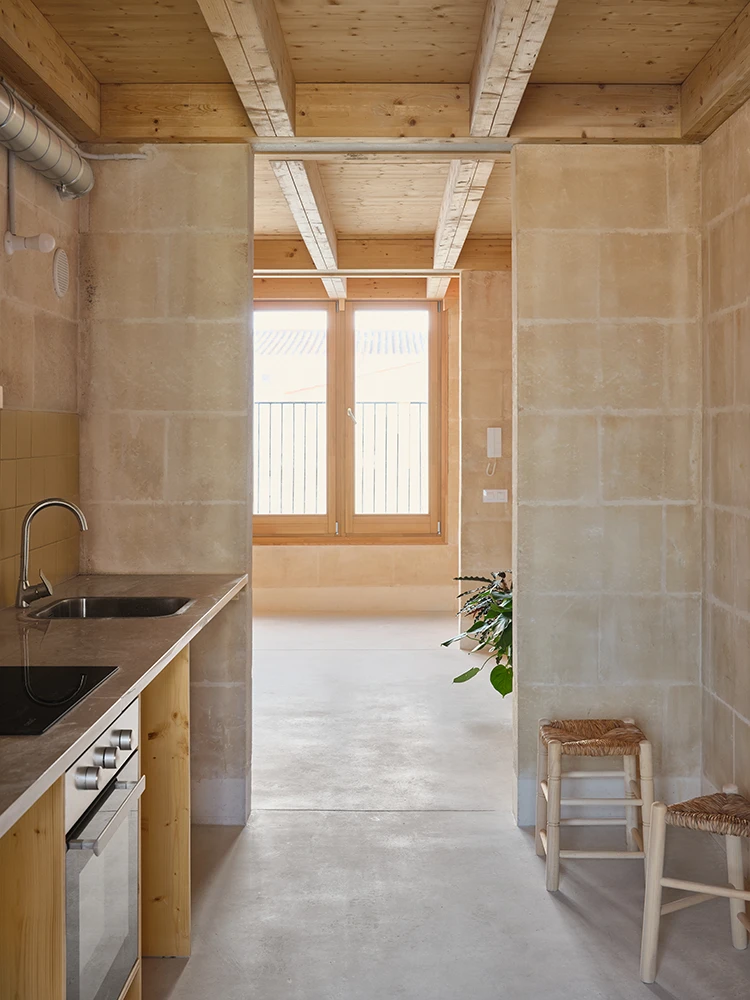
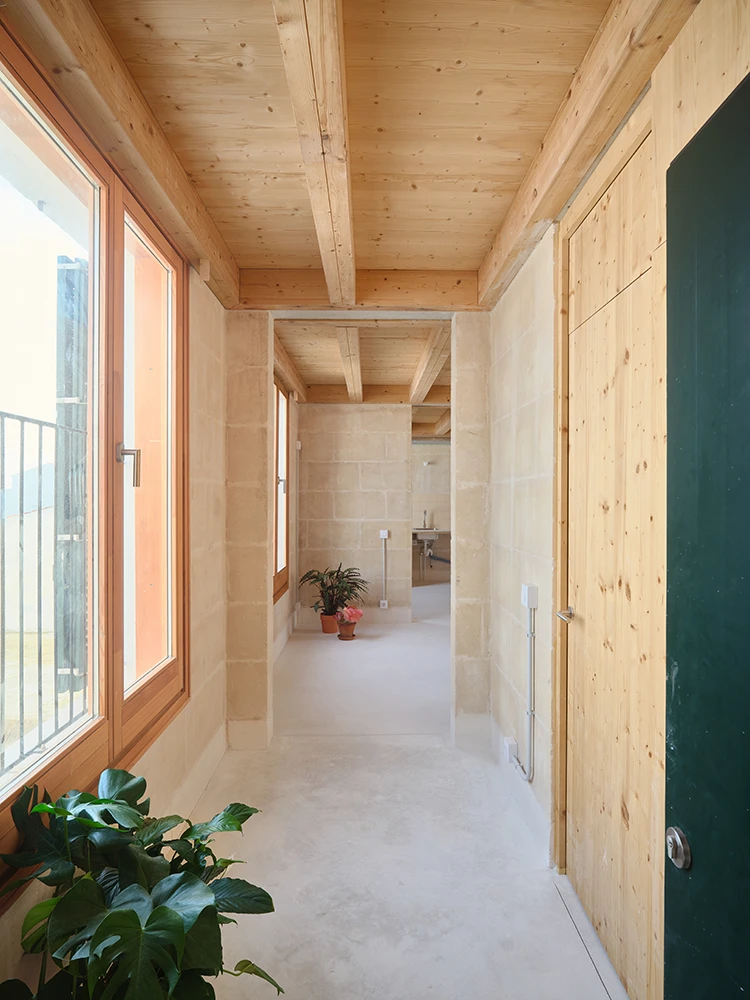
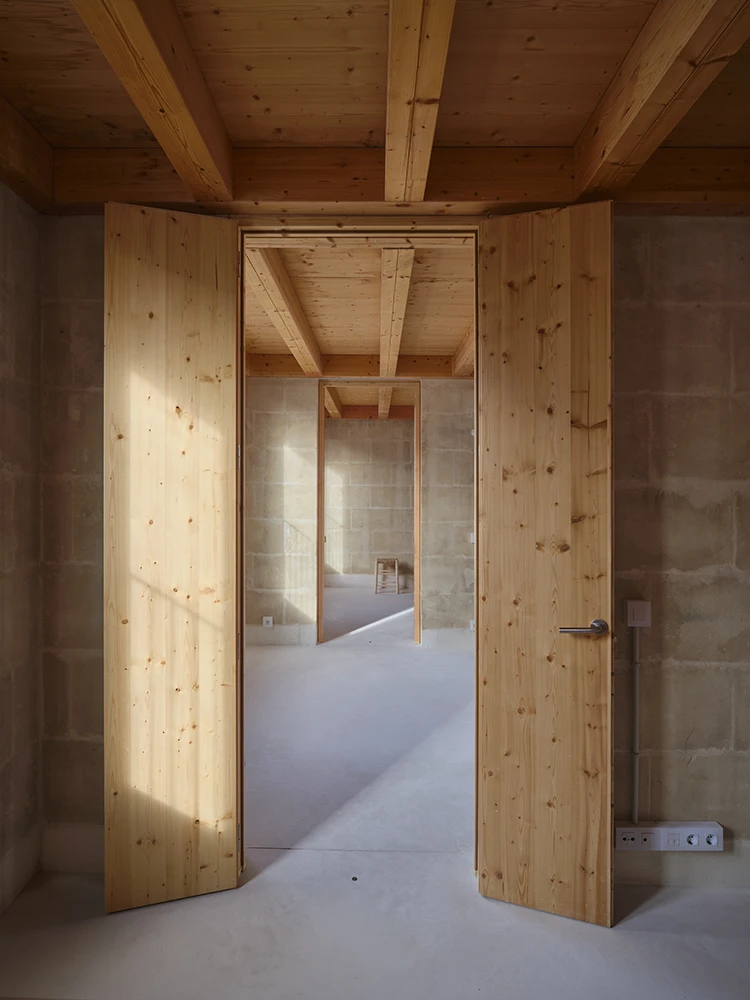
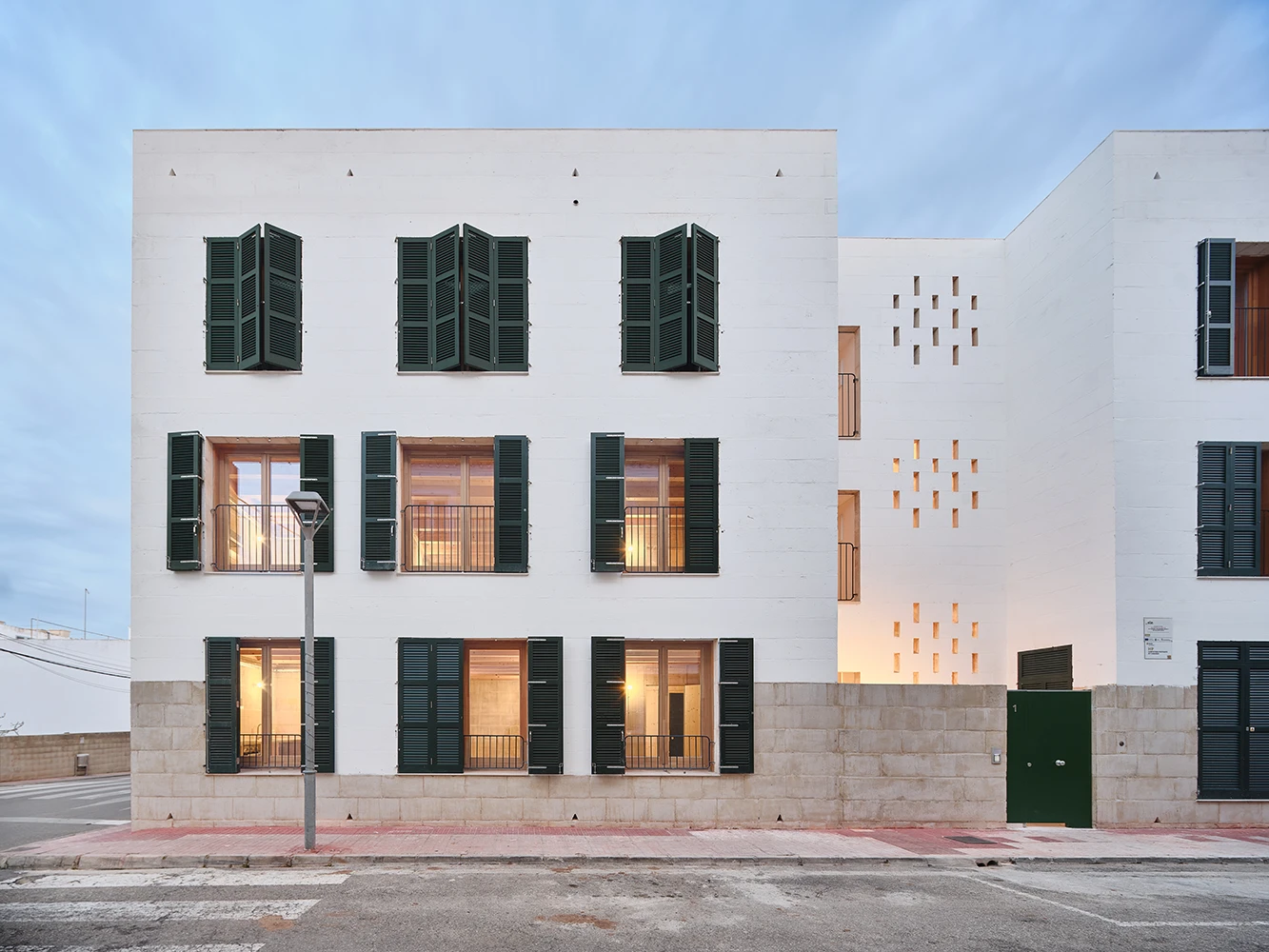
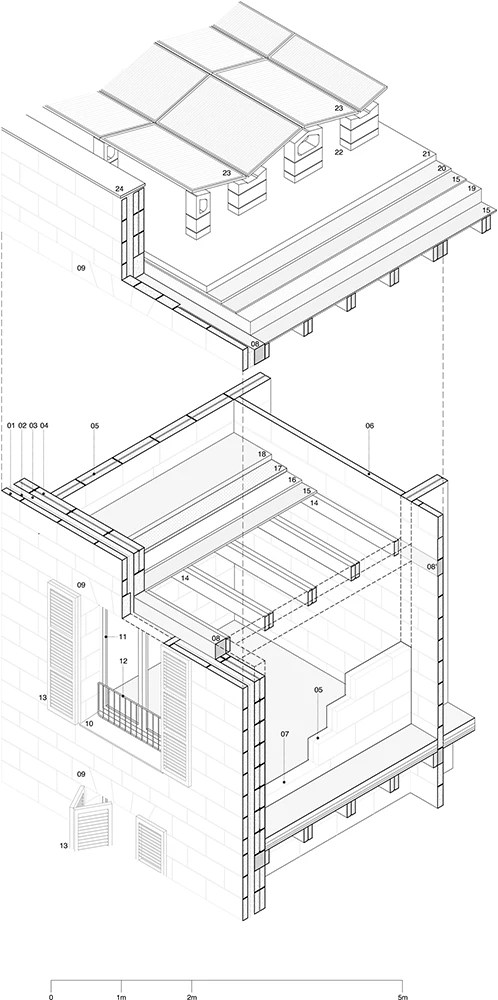
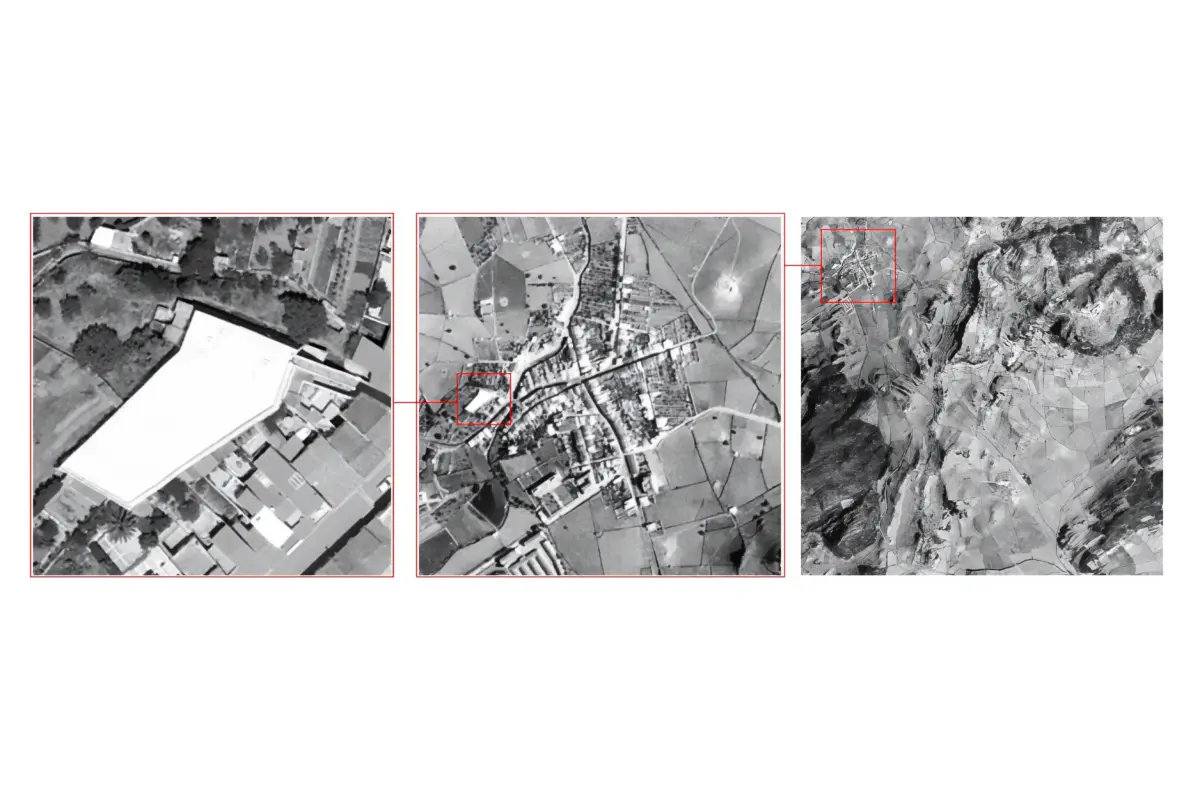
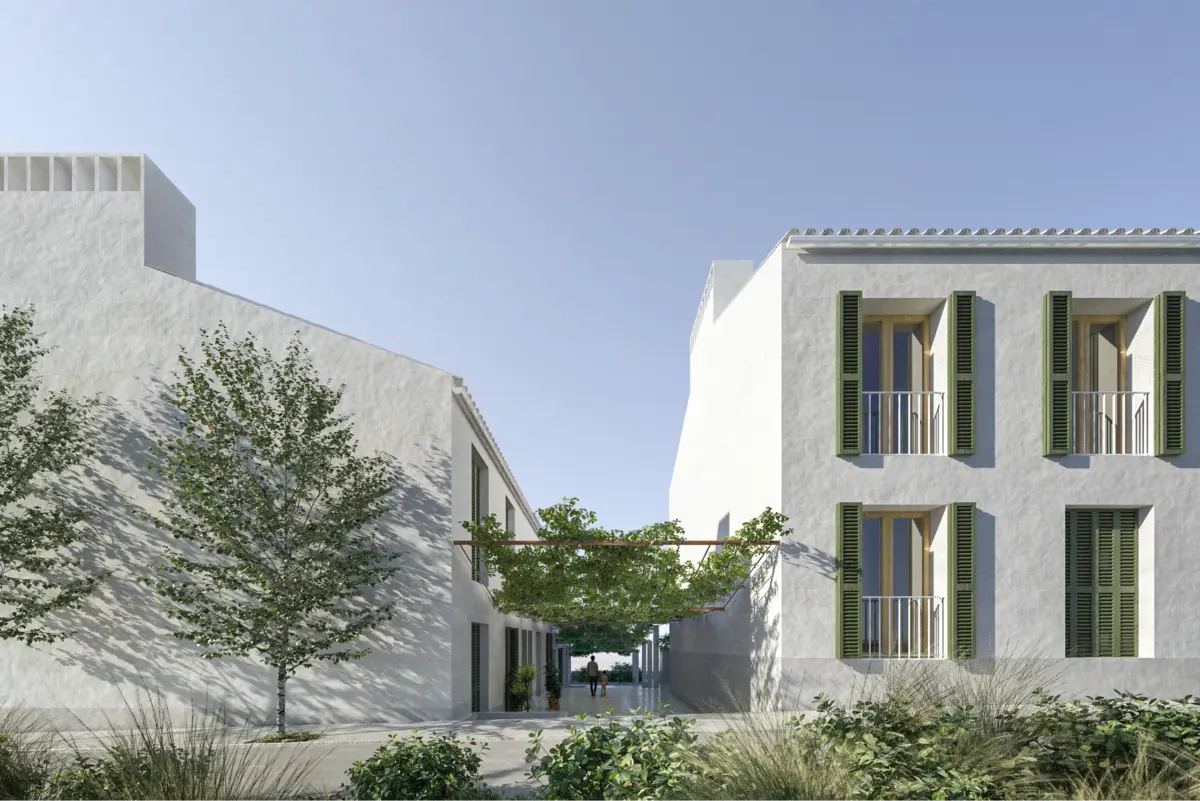
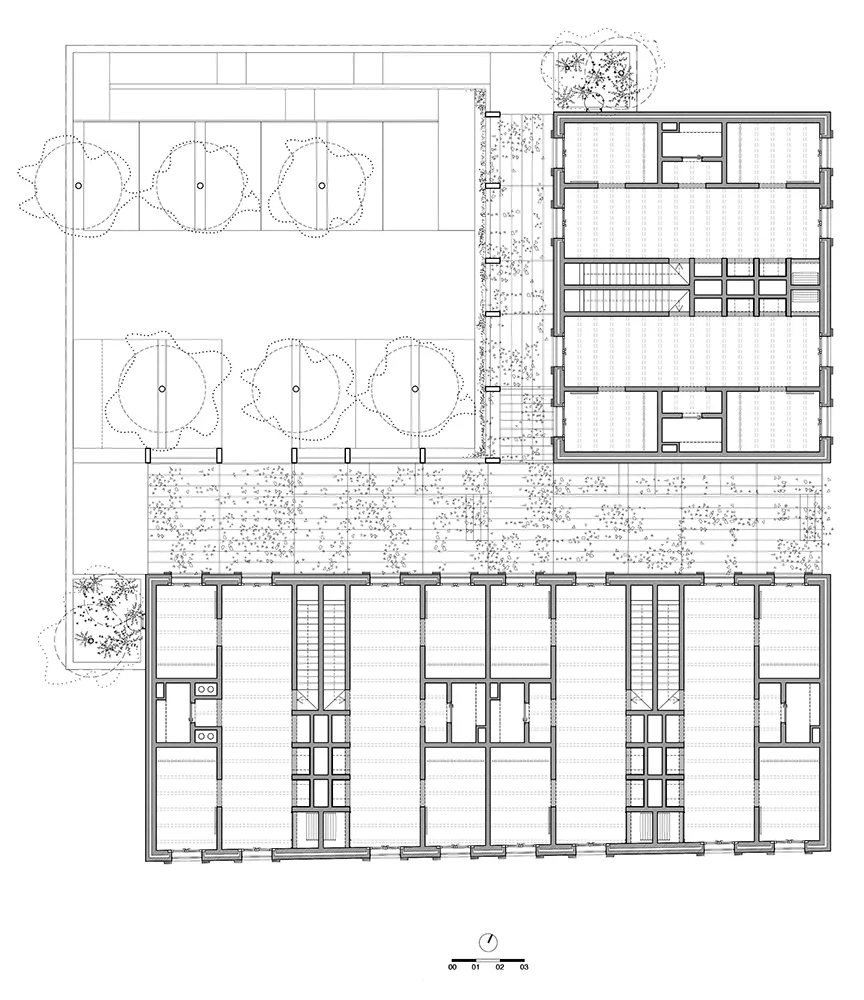
The homes are distributed across two buildings. One is rotated 90º with respect to the other, thus maximizing their respective ventilation and solar exposure. Between the two blocks, a passageway and an interior courtyard are created, providing access to all dwellings.

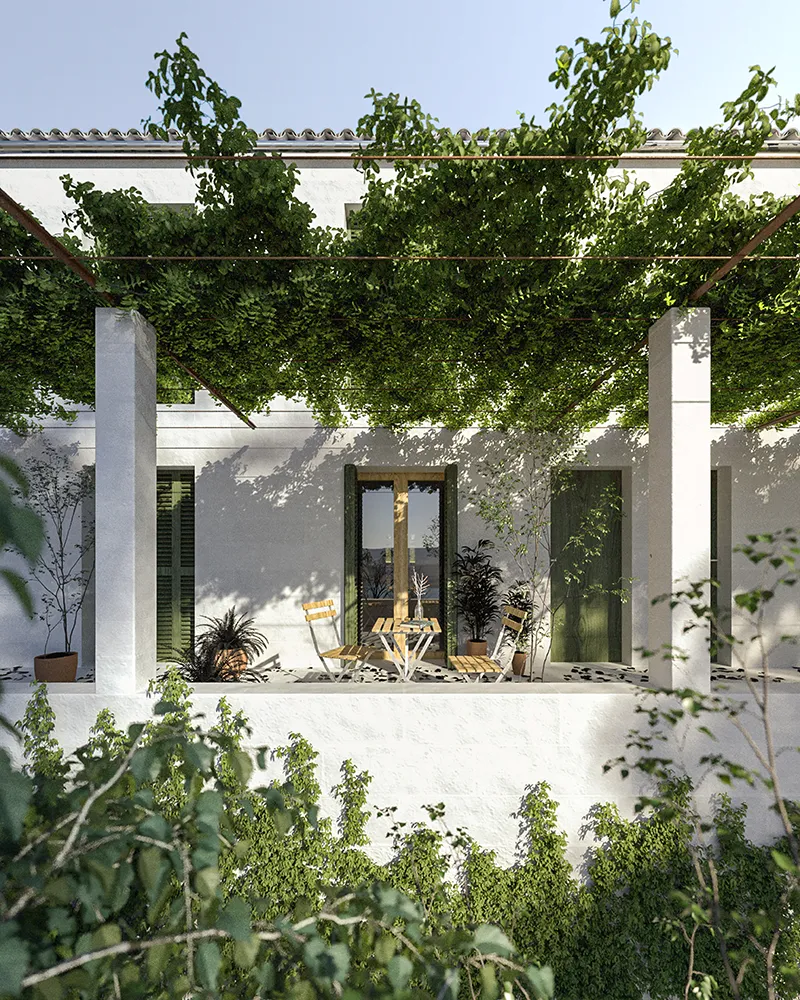
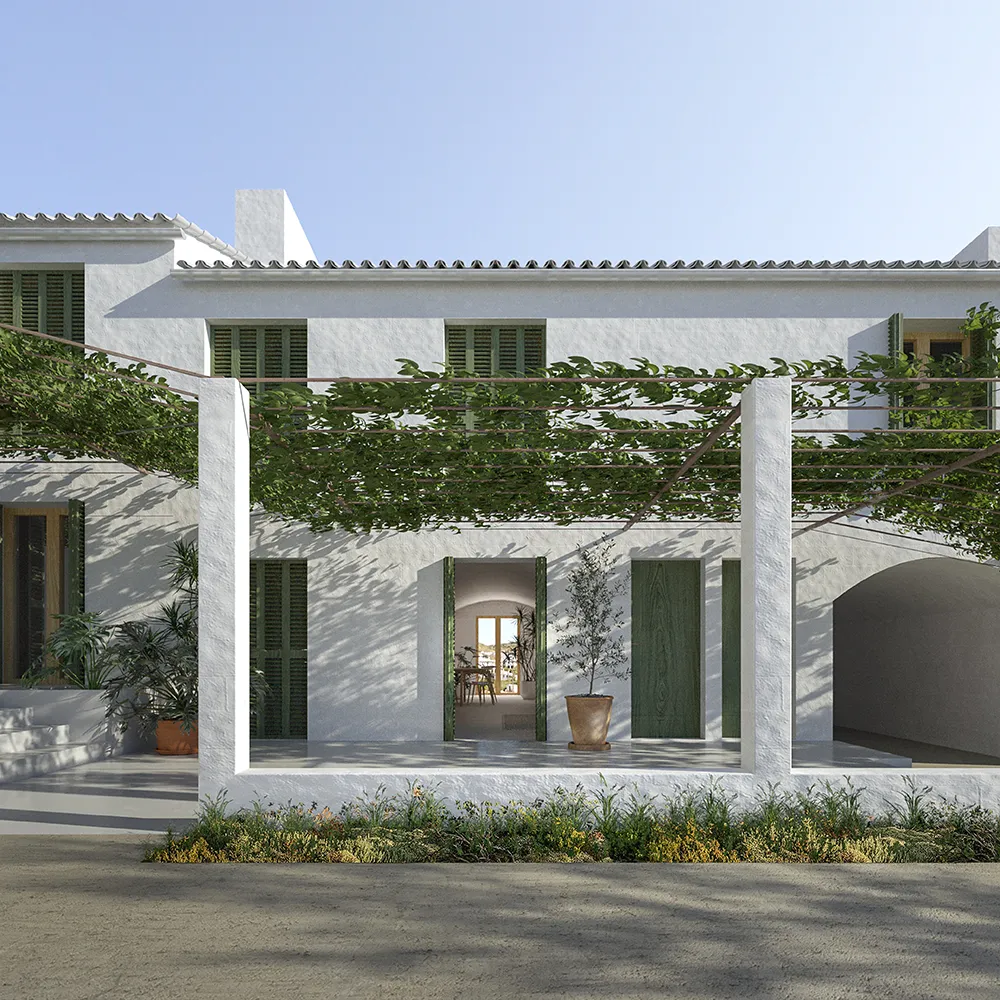
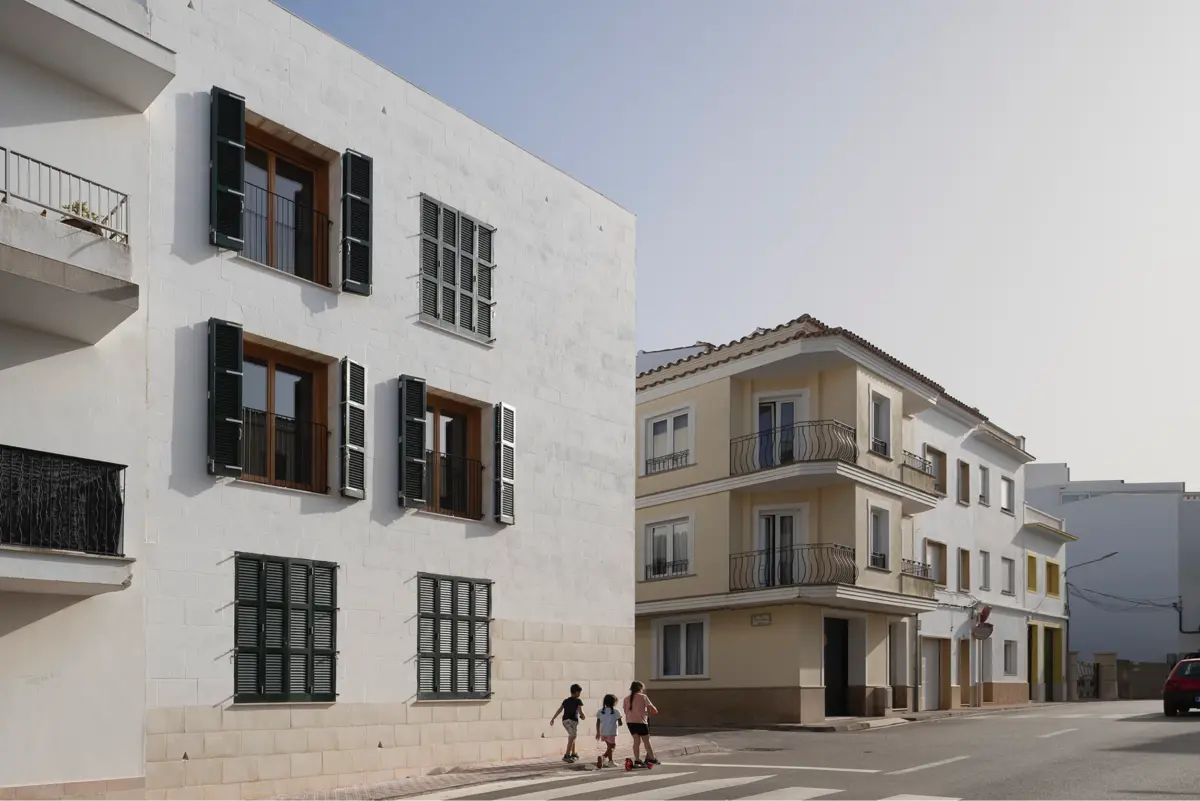
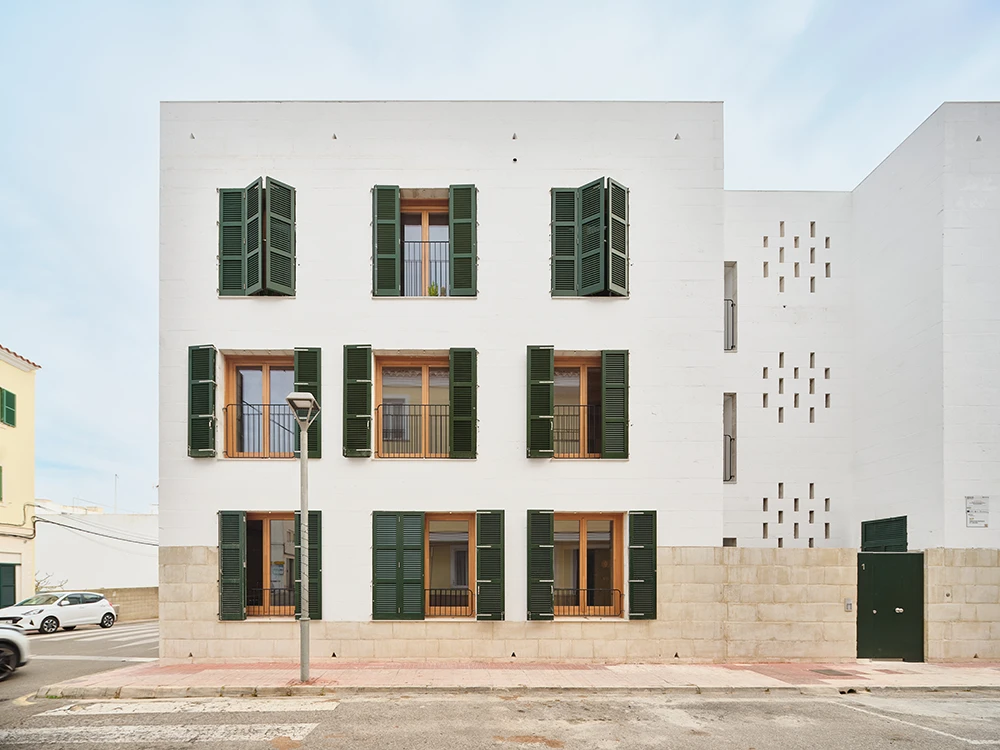
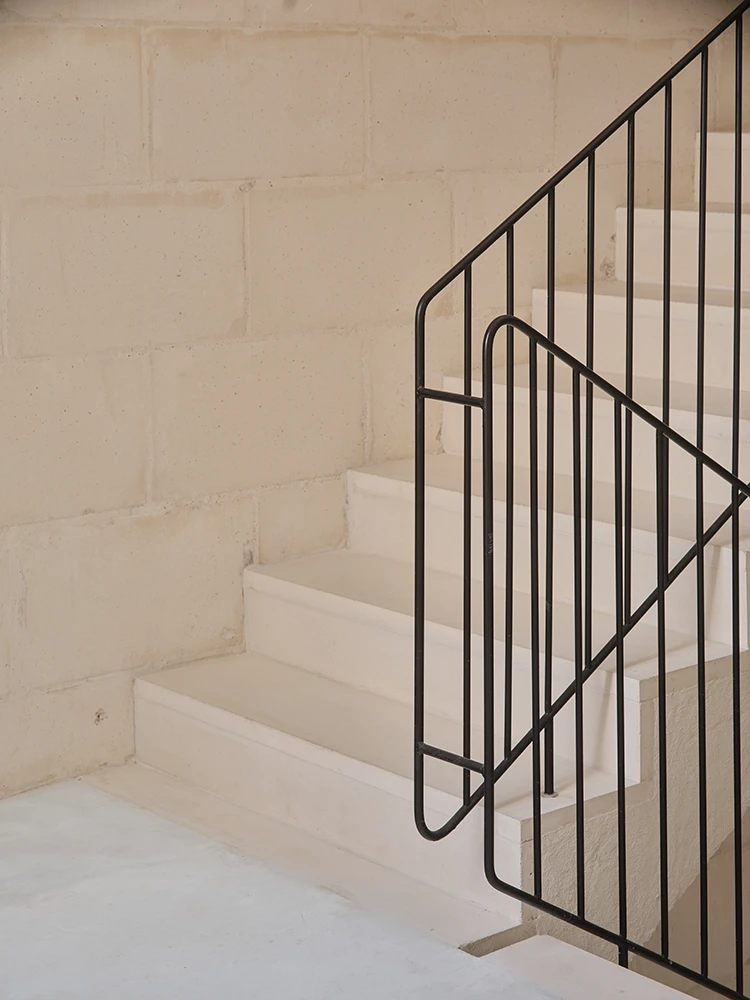
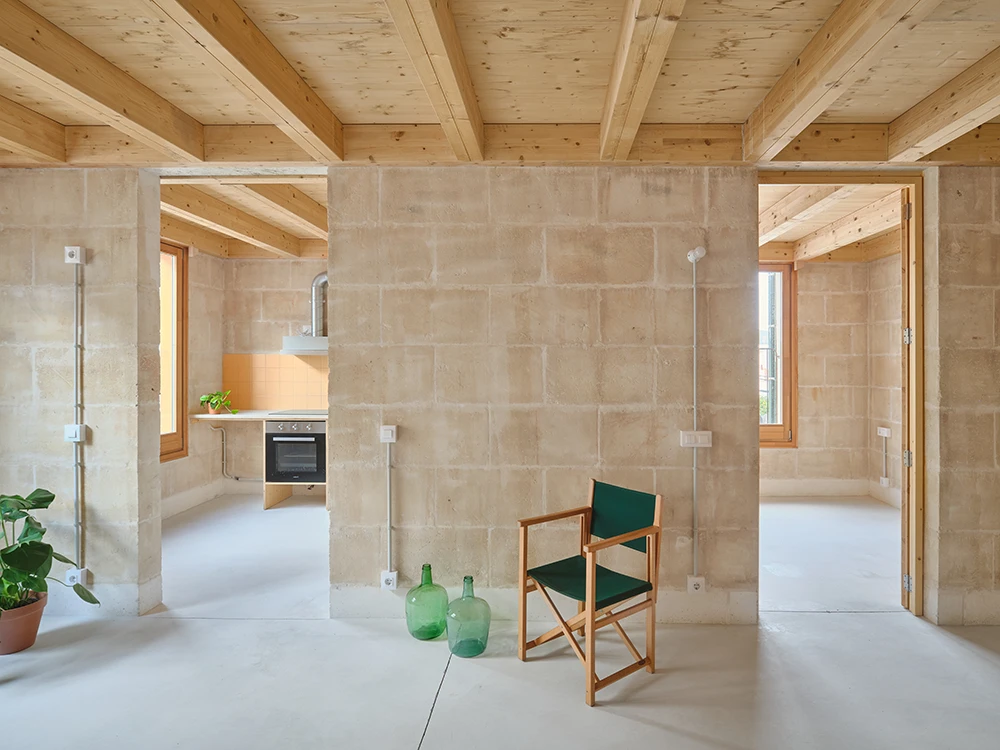
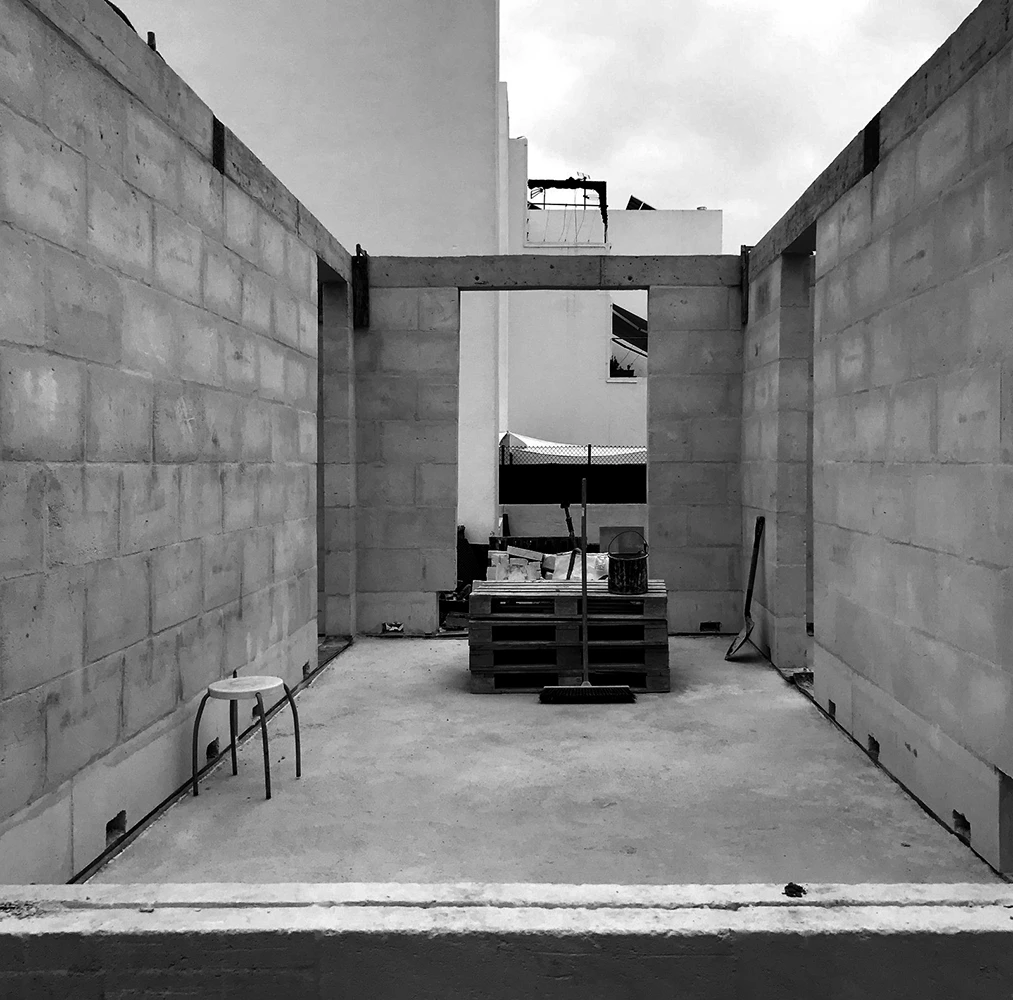
The ground floors feature barrel vaults made of marès stone, while the upper floors have pitched roofs with Arabic tiles and wooden beams. The construction is therefore clearly stratified: a lower mineral layer in contact with the ground, and an upper vegetal layer in contact with the sky. Each dwelling has three structural bays: in the first one (the buttress of the vaults) are the services and circulation areas; in the second, the most generous, the daytime spaces; and in the third, the nighttime ones.

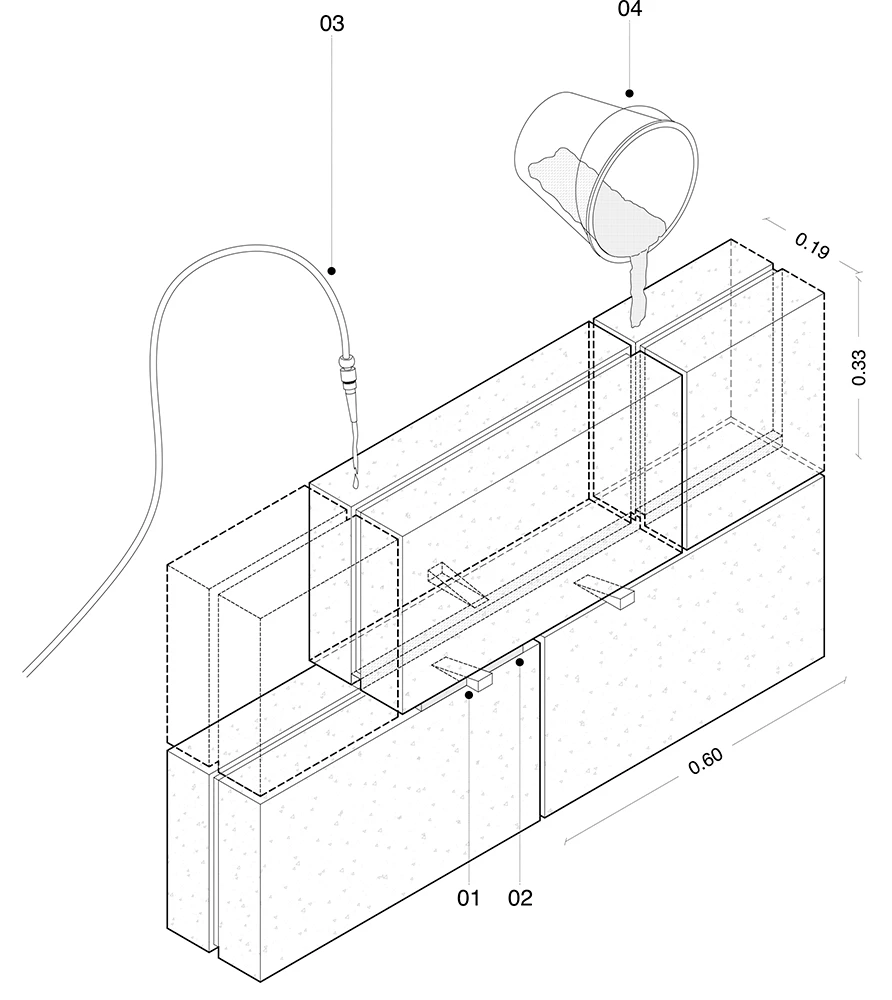
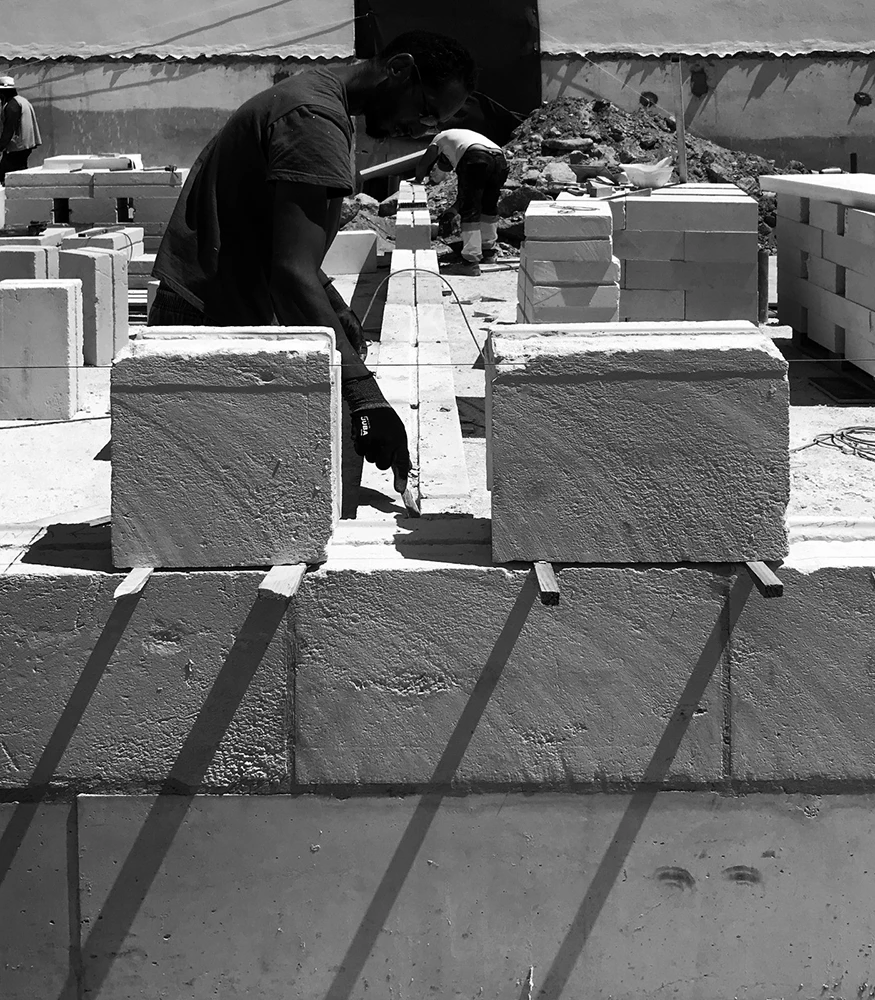
The project is committed to the use of traditional materials and techniques and to activating passive environmental control systems, minimizing thermal bridges and maximizing cross-ventilation and thermal inertia. The resulting homes are breathable, healthy and extremely energy-efficient, achieving a long life cycle and full integration into the constructive tradition and cultural identity of the island of Menorca.

Categoria:

Status: Under construction

Client: IBAVI, Government of the Balearic Islands

Location: Ciutadella, Menorca

Dates (start and completion): 2020–2025

Budget (PEM): €1,800,000

Awards: First prize in curricular competition

Co-authors: Josep Ferrando and Joan Enric Vilardell

Structure: Josep Baquer

Installations: Josep Gavaldà, Triangle Enginyers

Environmental consultancy: arqbag

Acoustics: Pere Cerdà, I2A Acústica

Quantity surveyor: Jordi Gordillo

Construction company: Olives SA

Collaborators: David Recio, Arnau Sumalla, Stefan Kasmanhuber, Karine Bagdasaryan, Esther Brescó

Images: Studio KMH
Casa Zero

Casa Zero

Casa Zero

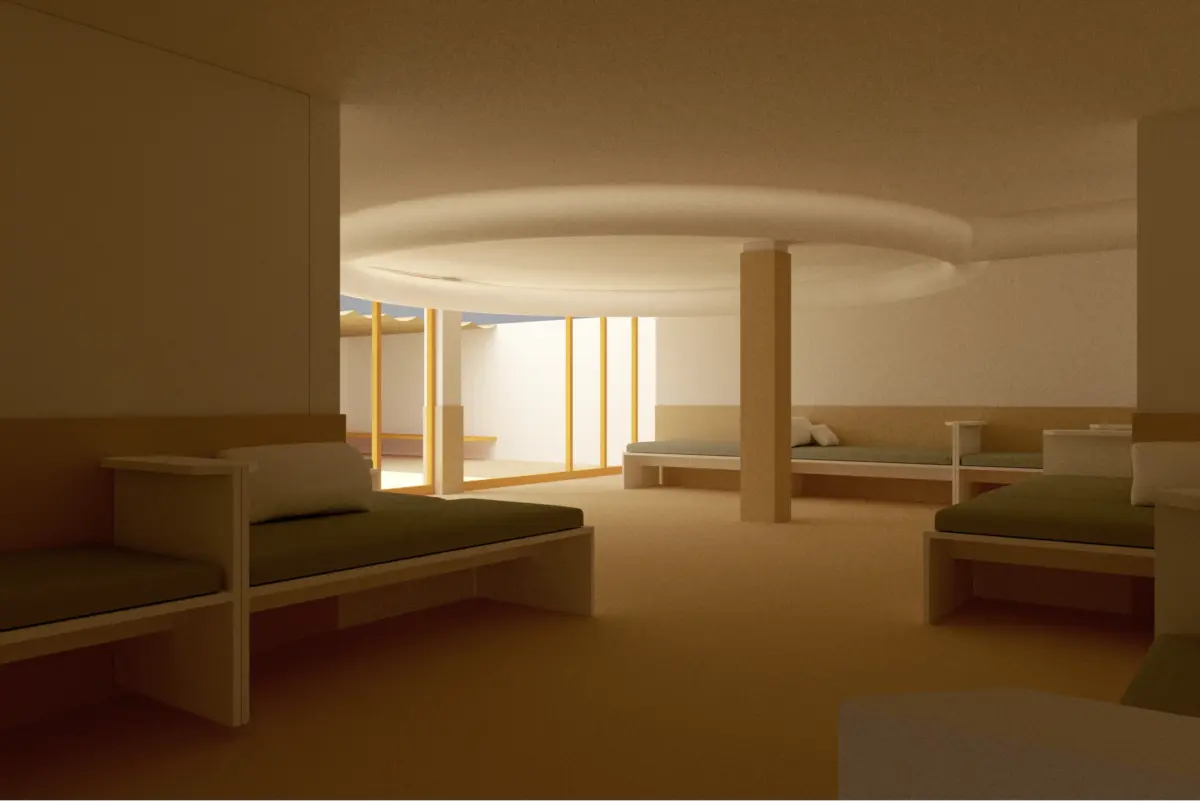
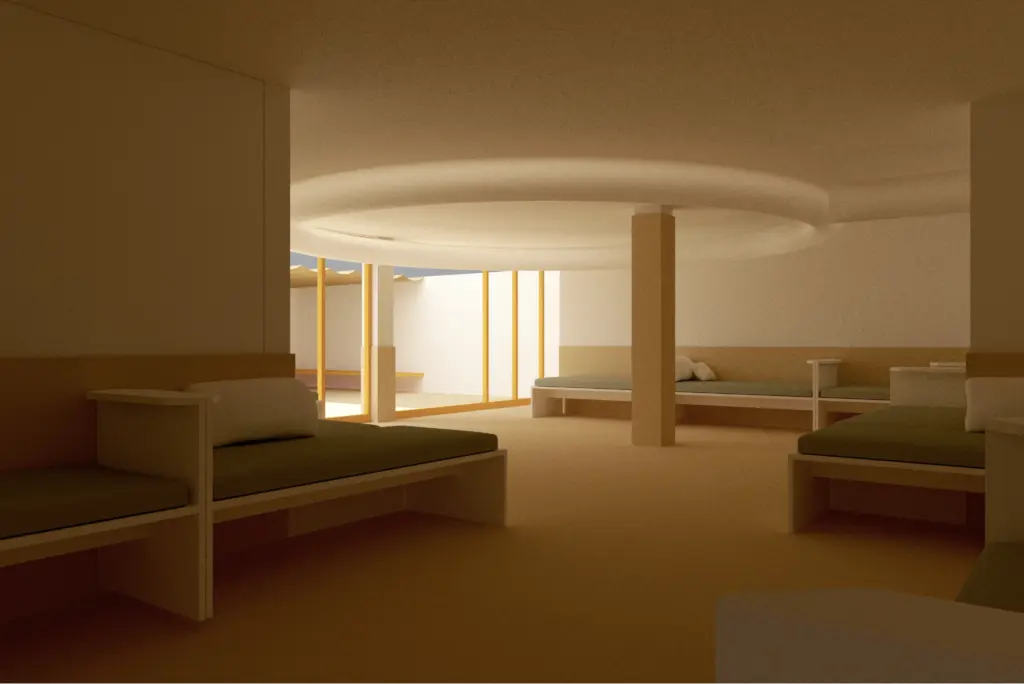
This project is an innovative proposal to address chronic homelessness and substandard housing in Menorca through the design of a low-threshold housing resource (“Casa Zero”) that can serve as a transition between street life and stable housing. The facility will be implemented in a ground-floor unit of a public housing building.

The main objective of “Casa Zero” is to create a space that responds positively to the emotional and practical reality of sleeping on the street, transforming the memory of a permanent exterior into a place where one can sleep comfortably. “Casa Zero” will offer versatile and welcoming spaces that distance users from the marked homelessness atmospheres that typically characterize the care facilities they attend.

“Casa Zero” is a highly unique and specific project, in which the choice of materials, the definition of the functional programme, the operation of the installations, and the design of the furniture and construction details have all been carried out with the intention of promoting dignity, respect and inclusion.

Status: Under construction

Client: Consell Insular de Menorca. General Services, Participation and Housing

Location: Maó, Menorca

Dates (start and completion): 2021–2025

Area: 189 m²

Budget (PEM): €365,000

Awards: First prize in curricular and methodological proposal competition

Co-authors:
Leve Projects
Eva Serrats and Francesc Pla (architects)
Daniel Cid (social researcher)

Images: Leve Projects

9 HPP IBAVI Es Migjorn

9 HPP IBAVI Es Migjorn

9 HPP Ibavi Es Migjorn

As part of IBAVI’s collective research (Institut Balear de l’Habitatge), this public housing building combines traditional materials and construction systems with contemporary strategies of prefabrication and energy efficiency with low environmental impact.

The layout of the apartments optimizes the site’s orientation and climatic conditions. All units feature cross-ventilation, optimal insulation and summer solar protection. The position of the open staircase and courtyard has been defined according to prevailing winds. The roof, occupied by an extensive solar array, simultaneously generates energy and acts as a ventilated chamber, minimising summer heat gains.

All walls and partitions are made of marès stone from local quarries, and the horizontal structure is built from prefabricated cross-laminated timber slabs. Windows and shutters are made of wood, following local tradition. The result is a fully passive contemporary dwelling with a low environmental footprint and complete continuity with the island’s constructive culture.

Categoria:

Status: Built

Client: IBAVI, Government of the Balearic Islands

Location: Es Migjorn Gran, Menorca

Dates (start and completion): 2021–2024

Budget (PEM): €1,200,000

Awards: First prize in ideas competition (won by MIBA)

Co-authors: Toni Montes and Laia Isern, MIBA Architects

Structure: Jordi Velázquez, MVA

Installations: Josep Gavaldà, Triangle Enginyers

Environmental consultancy: Societat Orgànica

Acoustics: Pere Cerdà, I2A Acústica

Quantity surveyor: Jordi Gordillo

Construction company: Antonio Gomila SA

Collaborators: Adrián López, Paula Domènech, Miquel Ramon, Lucía Torre, Oriol Vives

Images: Adrià Goula and Aleix Bagué

El Croquis 219

El Croquis 219

2019–2023 IBAVI. A collective investigation.
10.03.2023

El Croquis 219

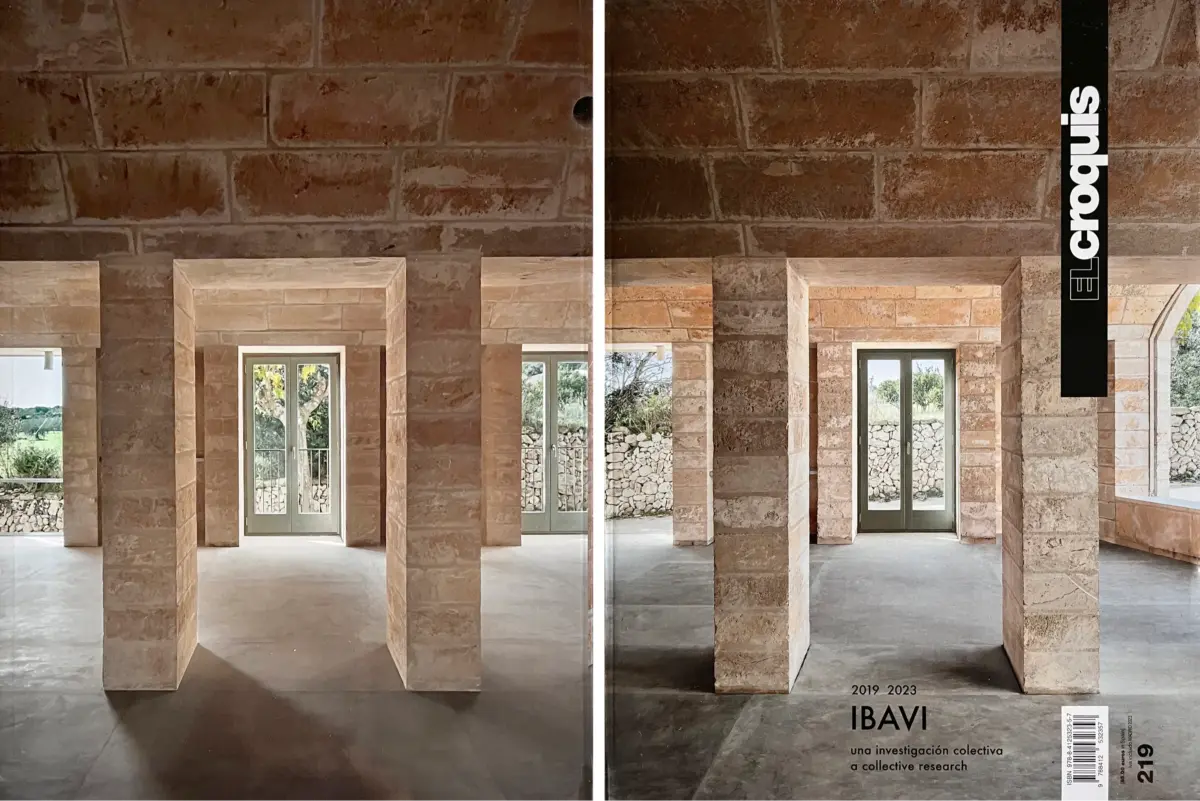
This issue of El Croquis focuses on the Balearic Housing Institute (IBAVI) and its contribution to the development and management of social housing in the Balearic Islands between 2019 and 2023, presenting 46 projects. Simbiotiqa participated in two of them: the 9 HPP in Es Migjorn Gran, Menorca (together with MIBA Architects) and the 11 HPP in Fornells, Es Mercadal, Menorca (together with J. Ferrando and J. E. Vilardell).

All the featured practices follow the principles of Life Reusing Posidonia (a project funded by the LIFE+ European programme for Nature Conservation and Climate Change Adaptation) and serve as examples of an architectural language that meets the Sustainable Development Goals (SDGs). They prioritise comfort through passive strategies to reduce energy poverty and emphasise the use of low-carbon, preferably local, materials. In addition, all designs incorporate gender perspective criteria while seeking the highest architectural quality.

Paradoxically, this new language, within the Mediterranean island context of the Balearic Islands, emerges from recovering, updating and adapting the region’s cultural heritage to contemporary needs1.

1 Adapted from the presentation text of El Croquis 219 on the publisher’s website: elcroquis.es/products/219-ibavi

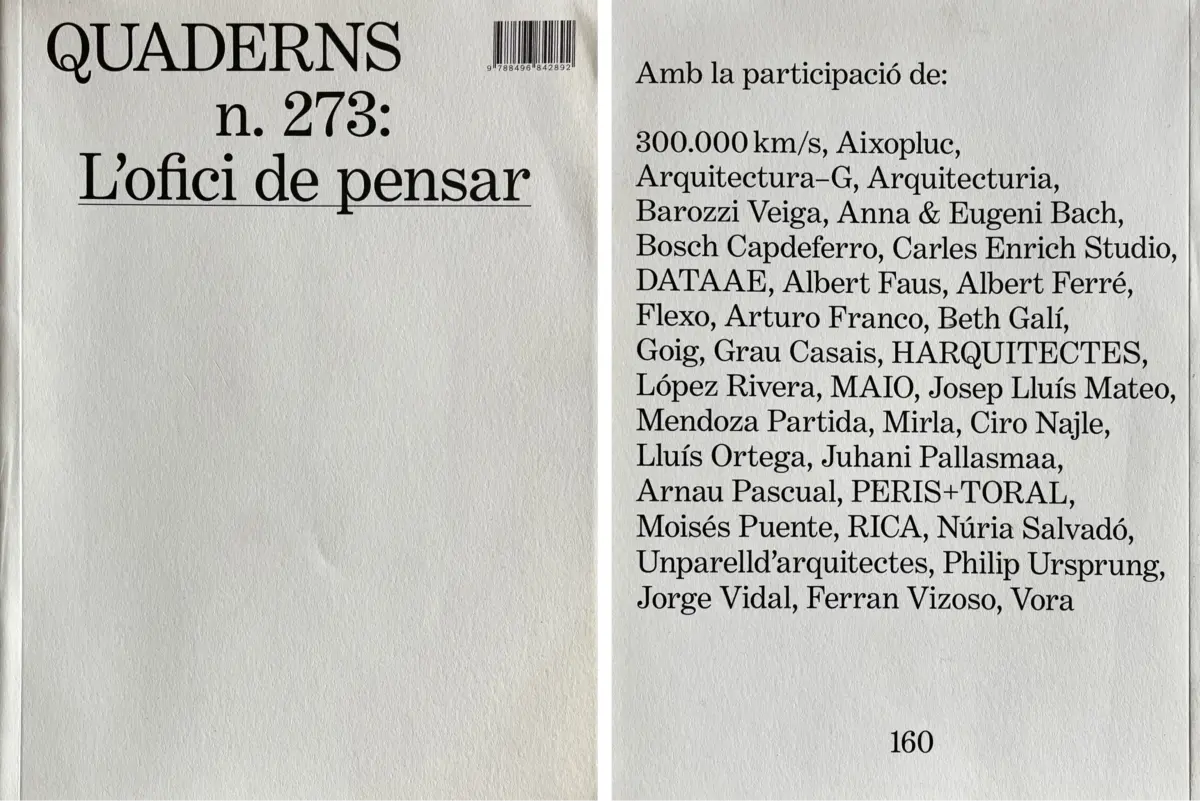
Quaderns 273

Quaderns 273

L’ofici de pensar, 21.09.2022

Quaderns 273

This issue of the COAC magazine, published in autumn 2022 and co-edited by guest editors J. Ferrando and M. Poch, reflects on the role of the architect, through their design processes, in shaping our habitat and architectural thinking.

Using a scientific perspective, the publication is structured around five methods (Empirical, Systematic, Historical, Measurement and Phenomenological), which allow the analysis of the processes of the selected studios. In total, 25 studios from a specific period, the crisis and post-crisis, present their creative map and their particular way of approaching architecture in today’s context.

The highlighted studios are: 300,000 km/s, Aixopluc, Arquitectura–G, Arquitecturia, Barozzi Veiga, Anna & Eugeni Bach, Bosch Capdeferro, Carles Enrich Studio, DATAAE, Albert Faus, Flexo, Goig, Grau Casais, HARQUITECTES, López Rivera, MAIO, Mendoza López Rivera, Lluís N., Un Parell d’Arquitectes, Jorge Vidal, Ferran Vizoso (Simbiotiqa) and Vora1.

1 dapted from the presentation text of Quaderns 273 on the COAC website: El Quaderns 273. L’OFICI DE PENSAR reflexiona sobre el paper de l’arquitecte i el paper arquitectònic – Centre Obert d’Arquitectura – COAC

Master plan for the Llatzeret of Maó

Master plan for the Llatzeret of Maó

Pla director del Llatzeret Maó

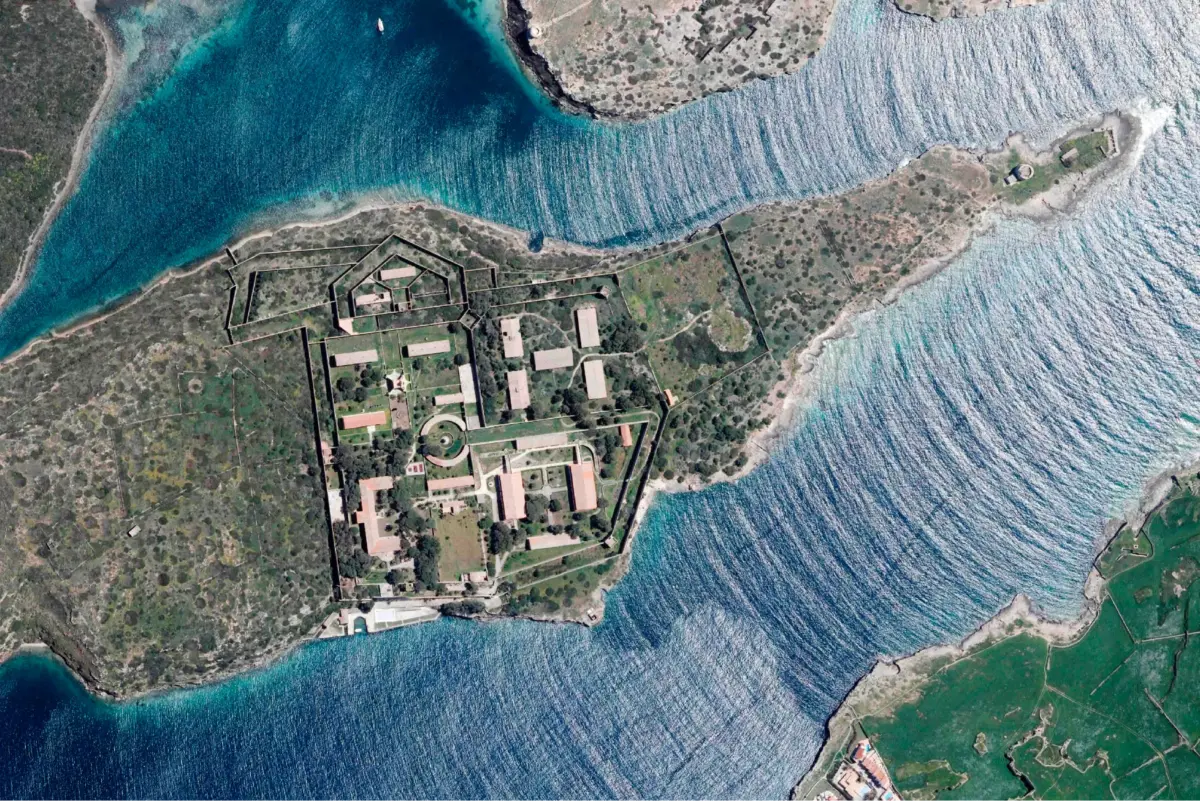
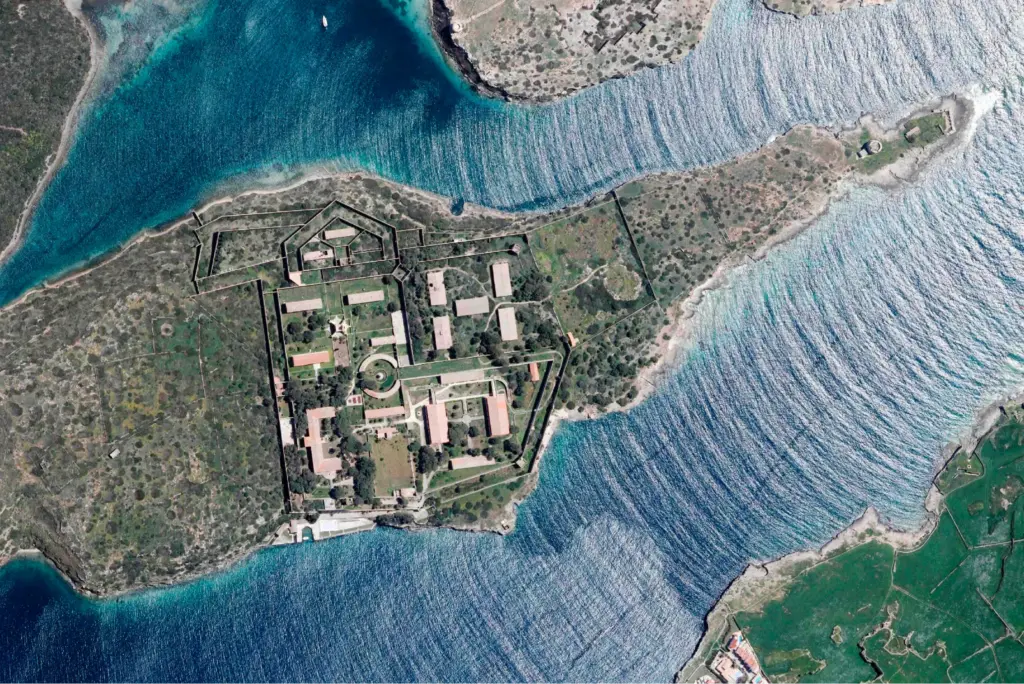
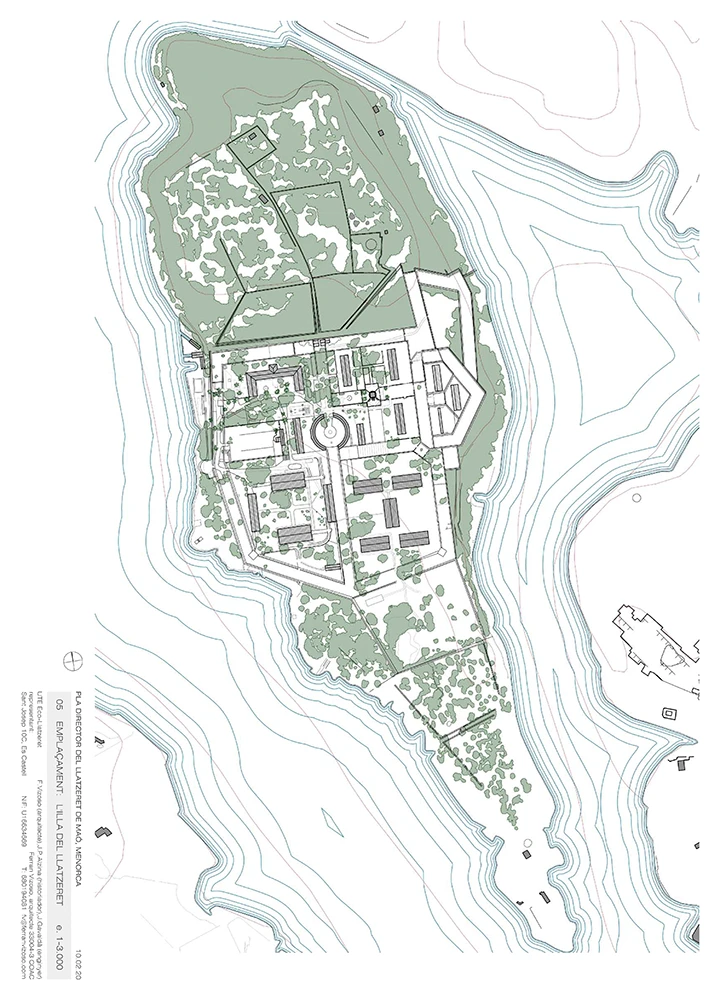
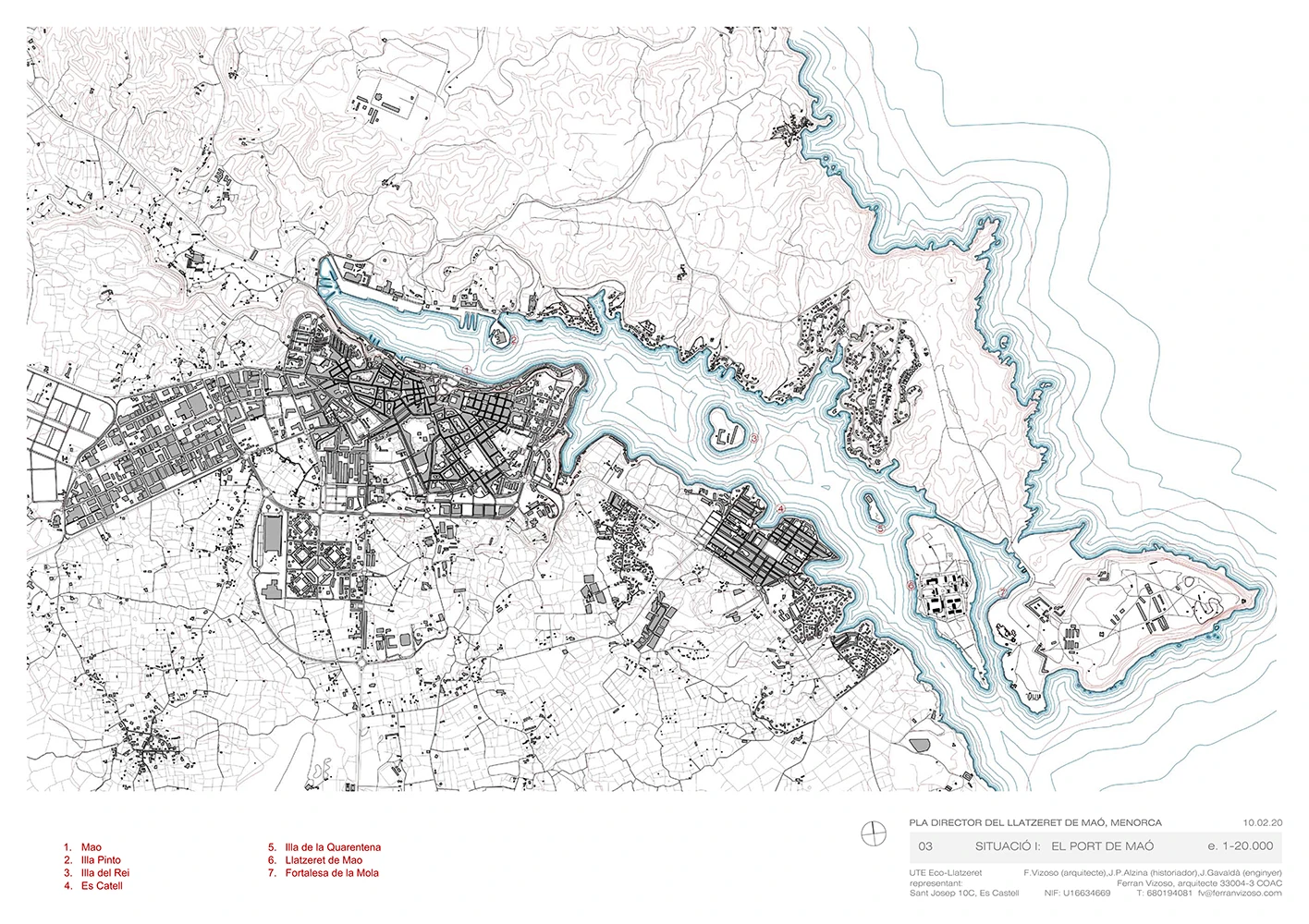
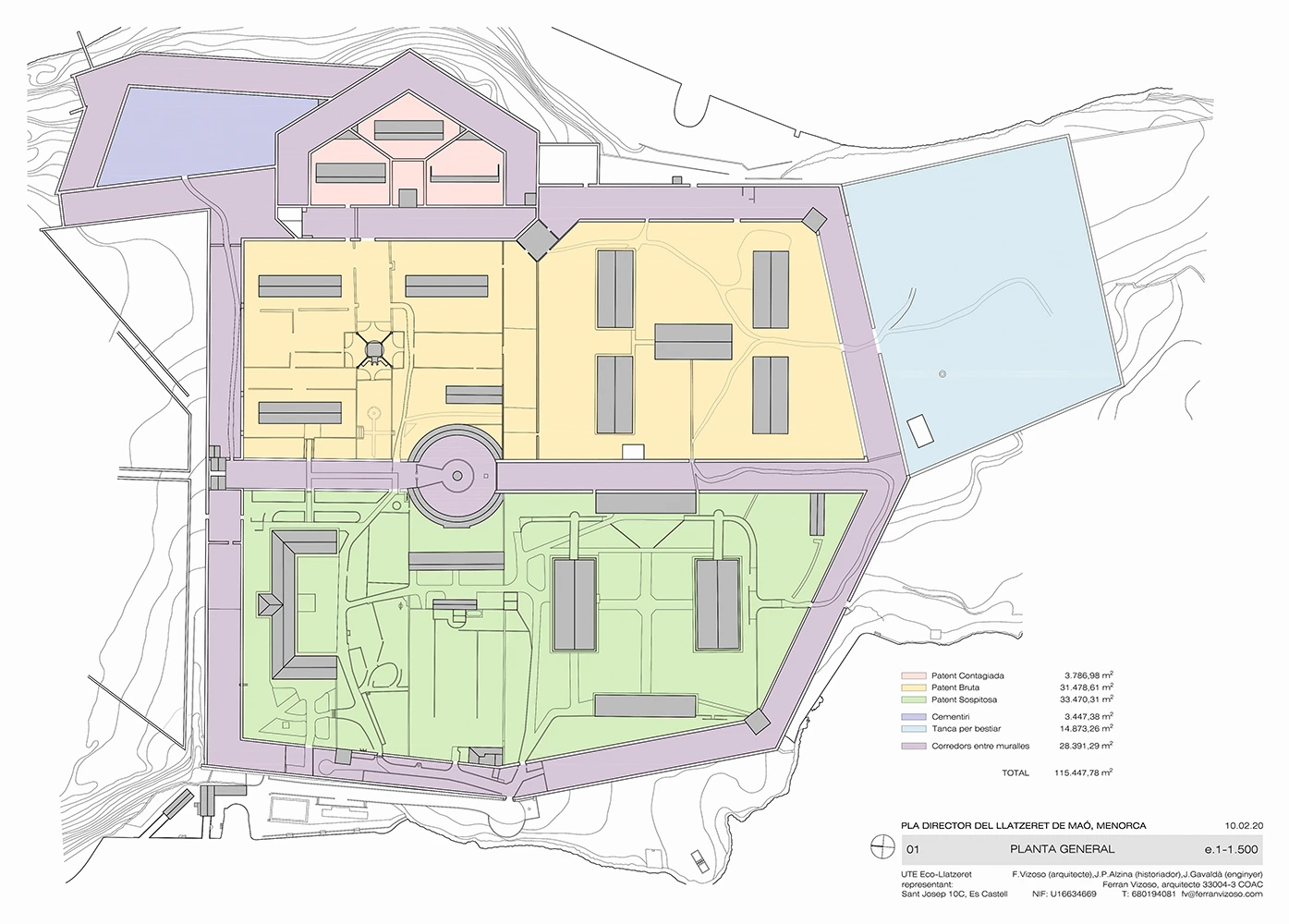
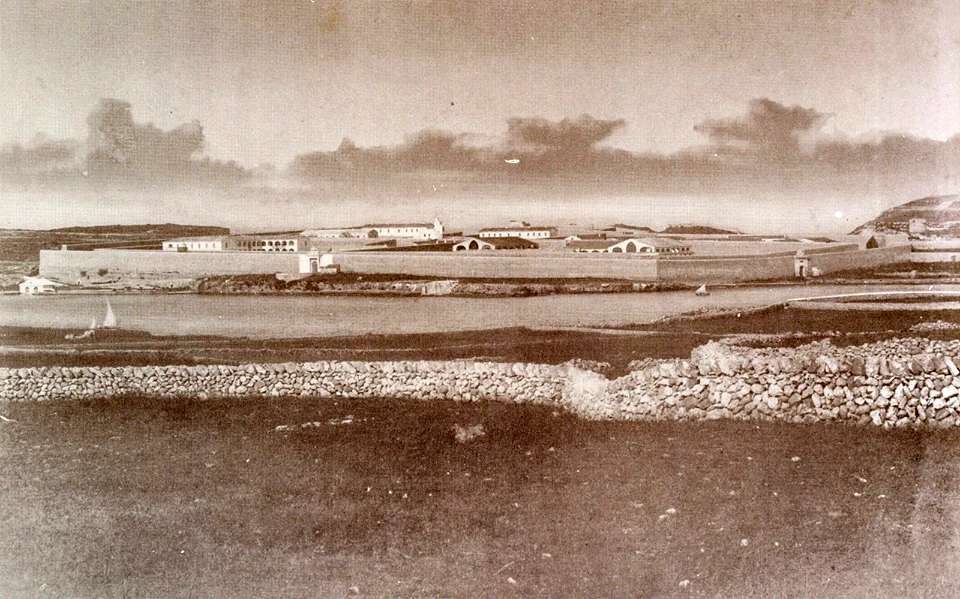
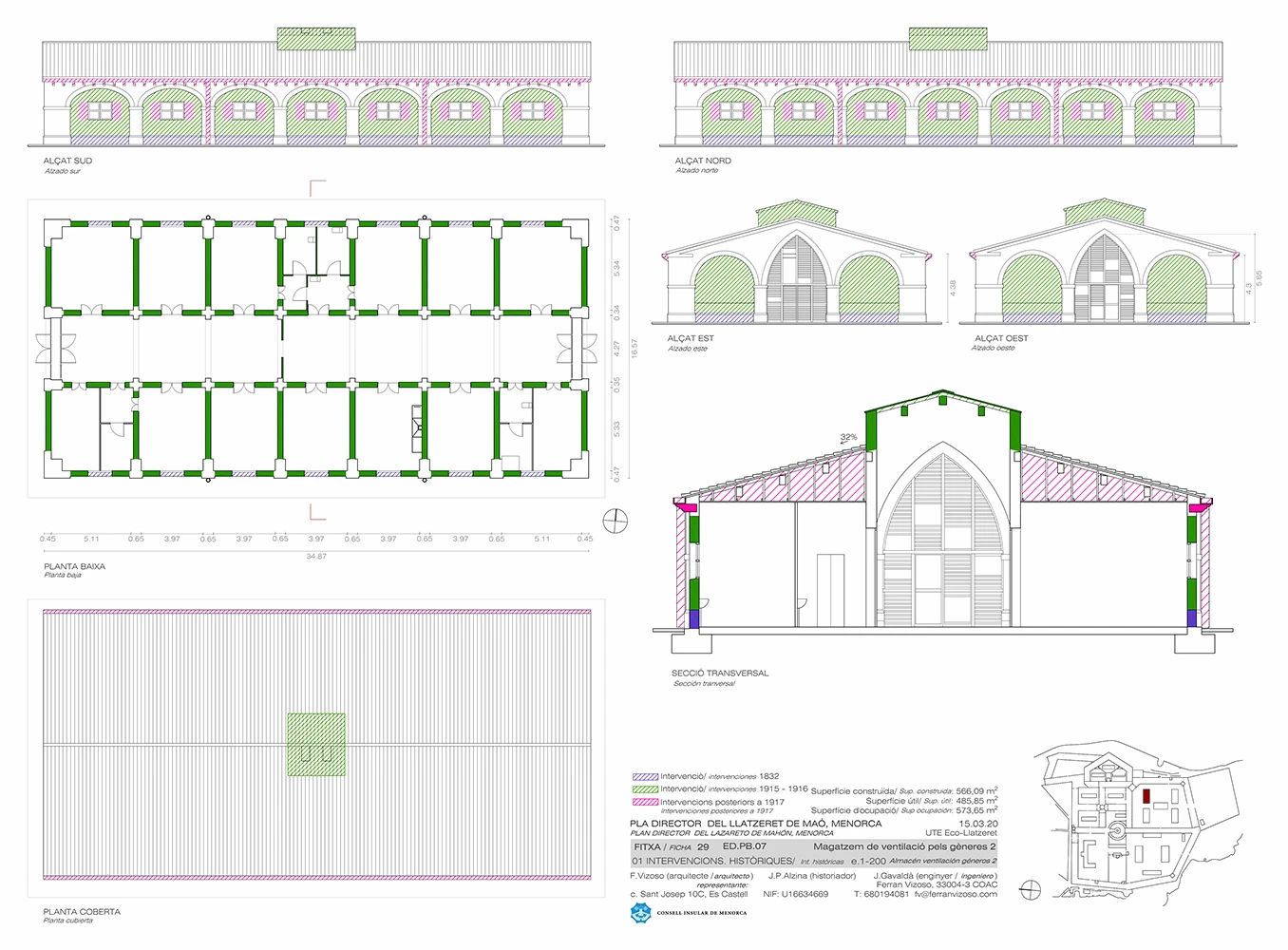
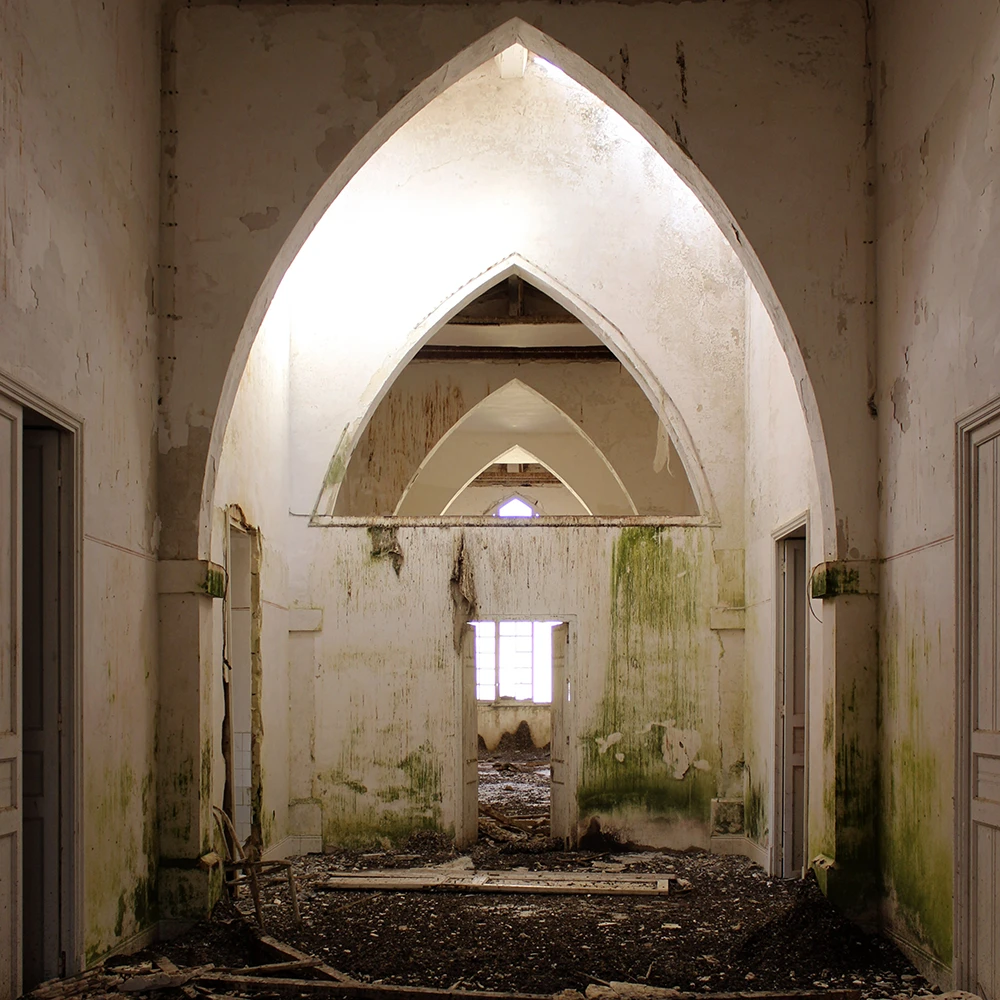
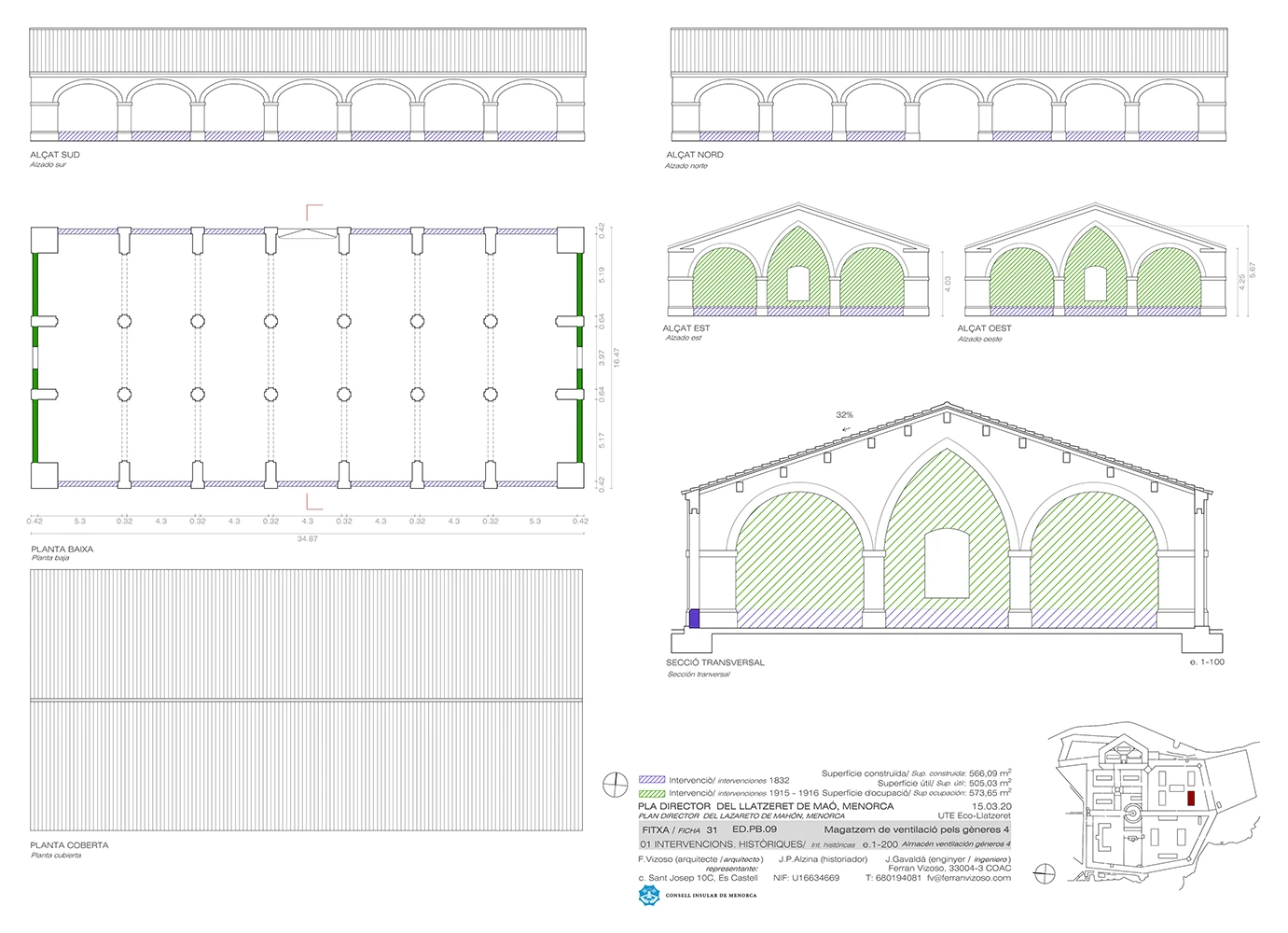
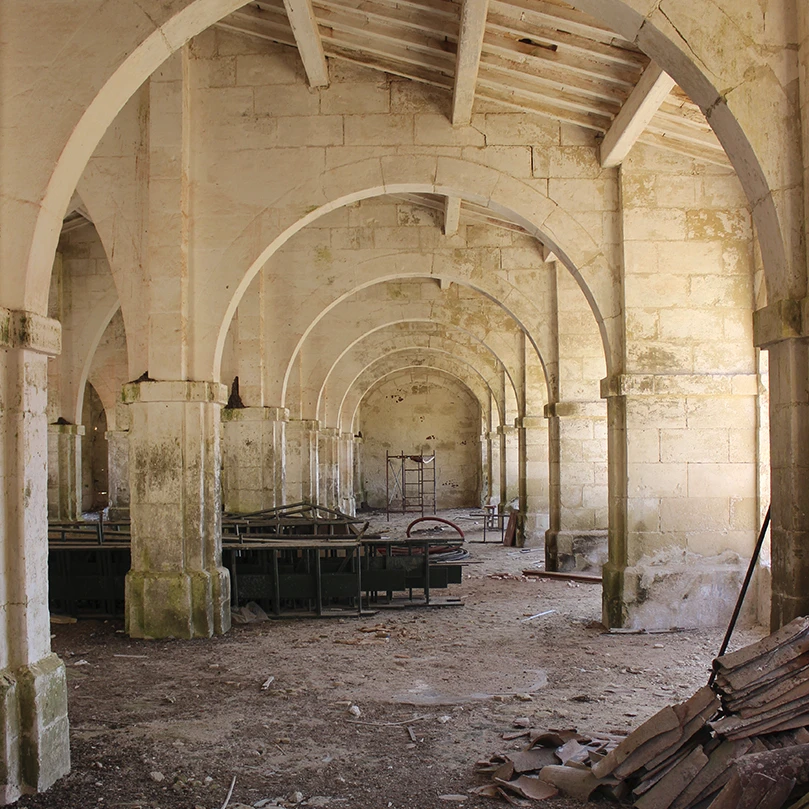
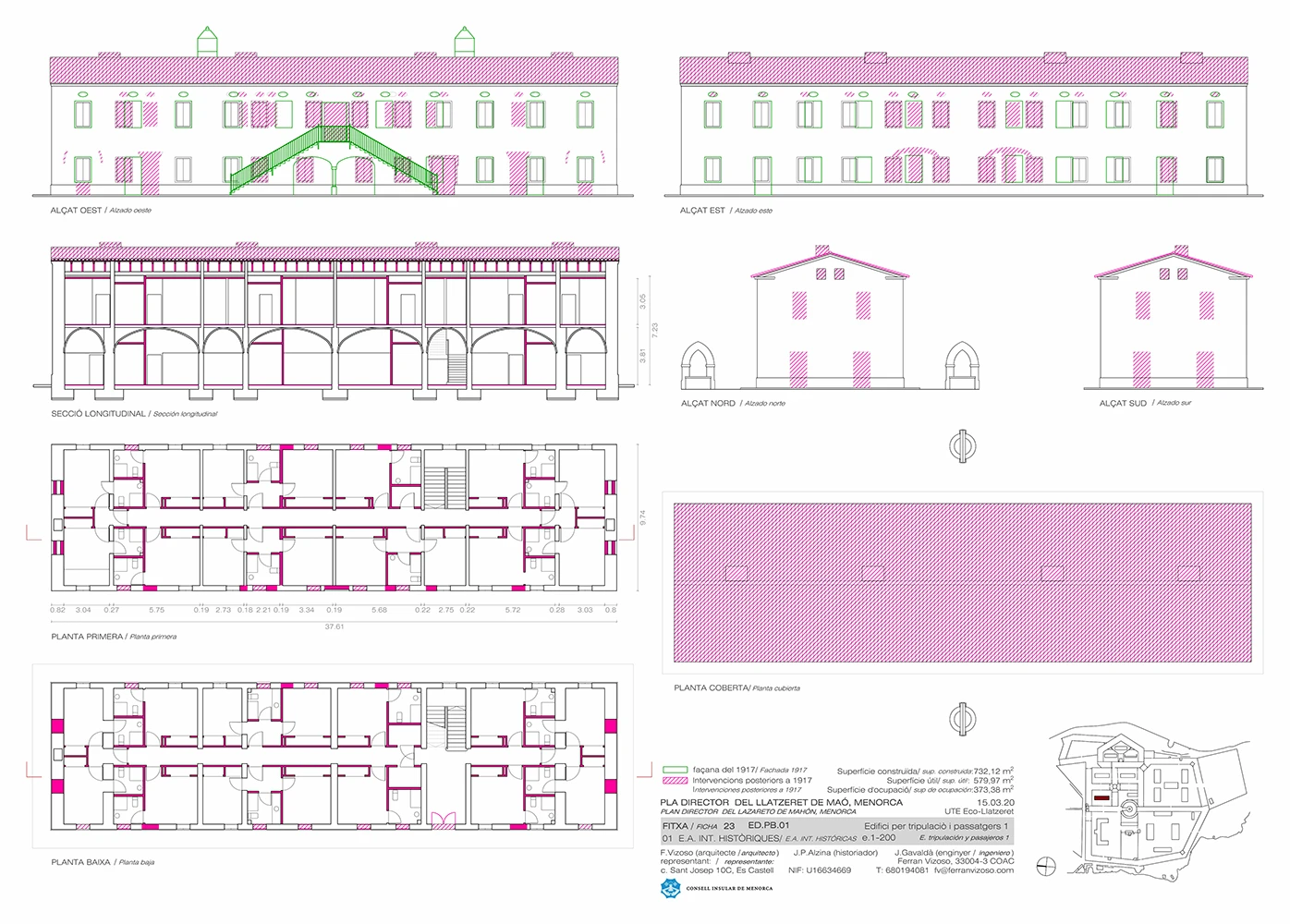
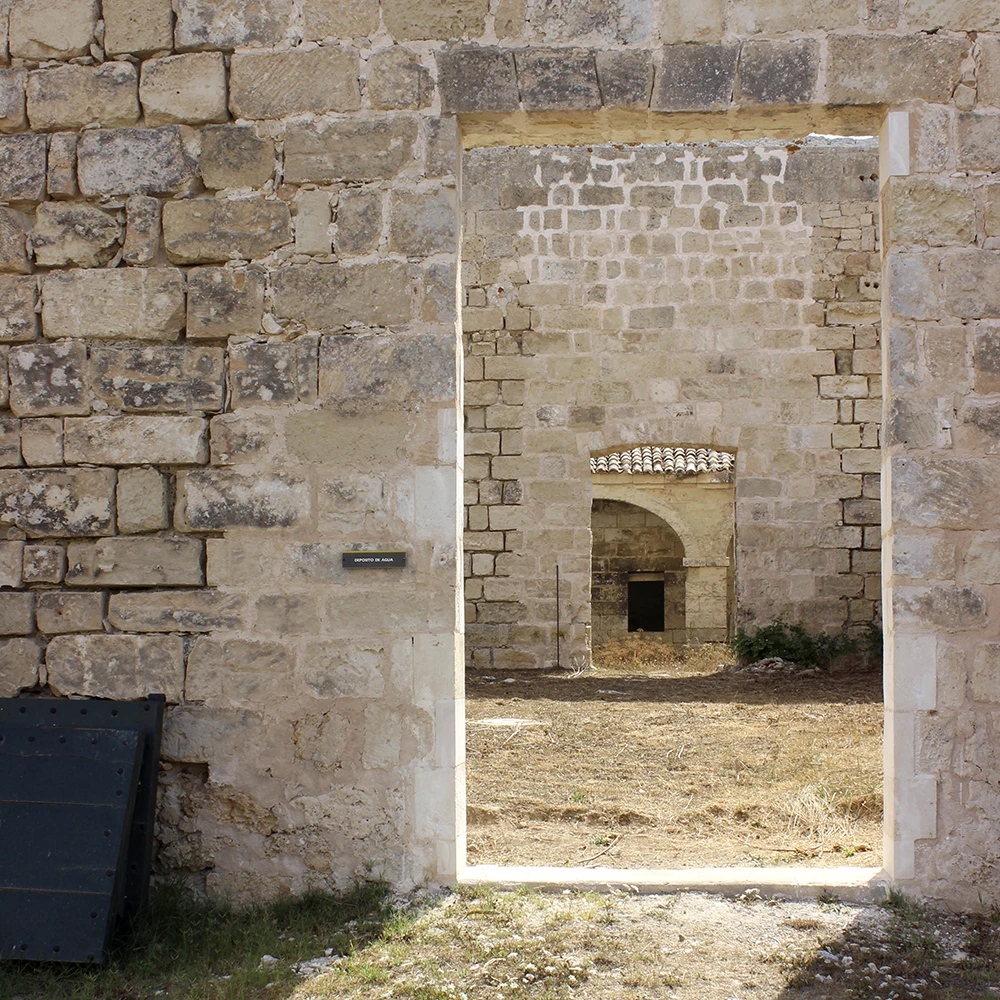
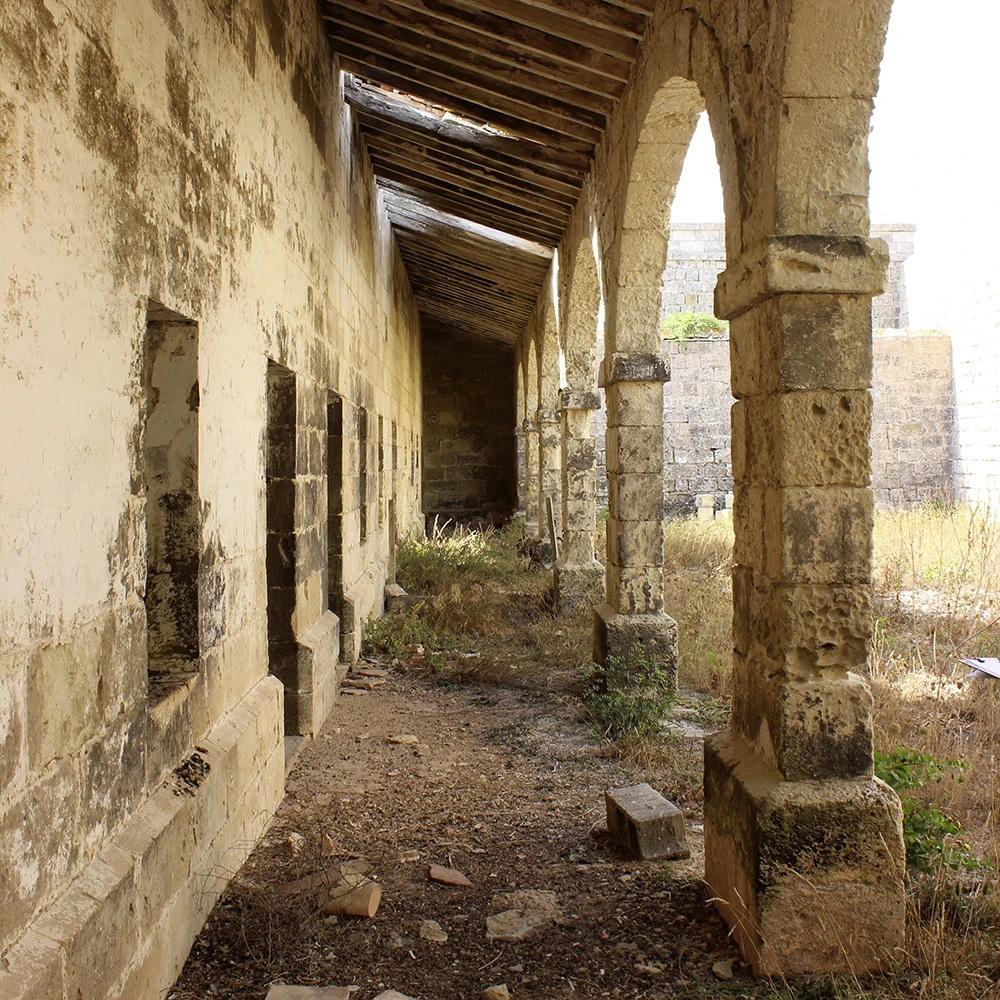
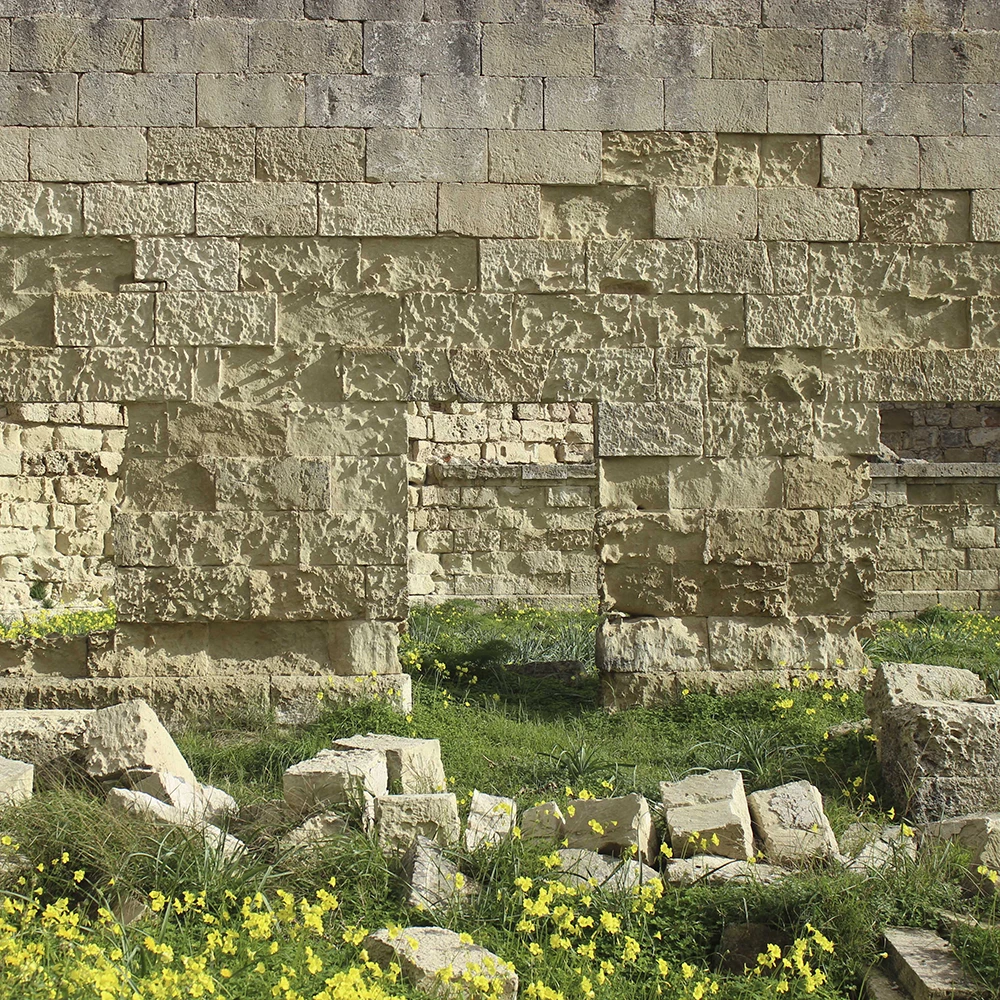
Drafting of the Master Plan for the Llatzeret of Maó, the former major quarantine hospital of the Spanish east coast (1793–1817). Located on Llatzeret Island, in the Port of Maó, it was declared a cultural heritage asset (BIC) in 1993.

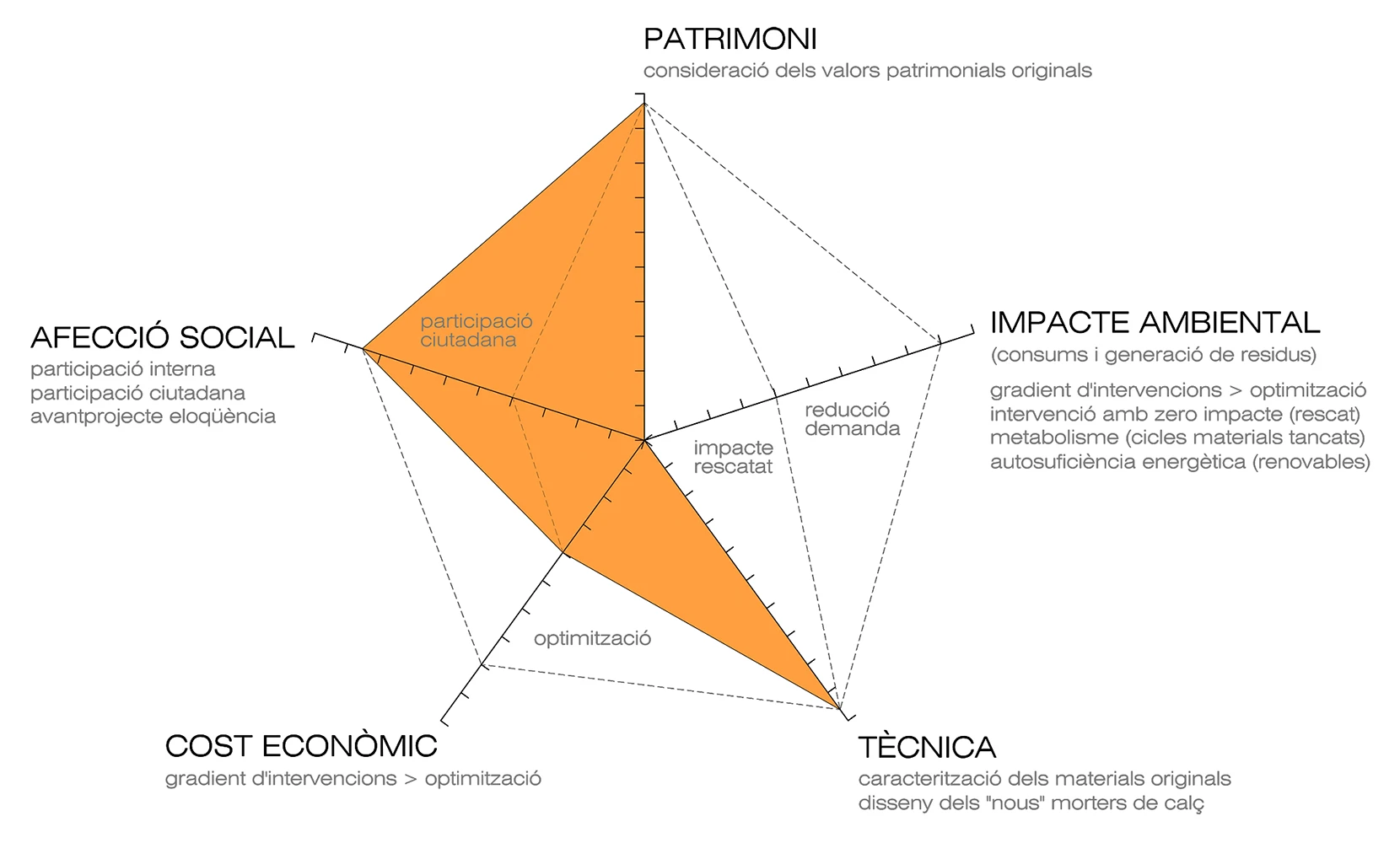
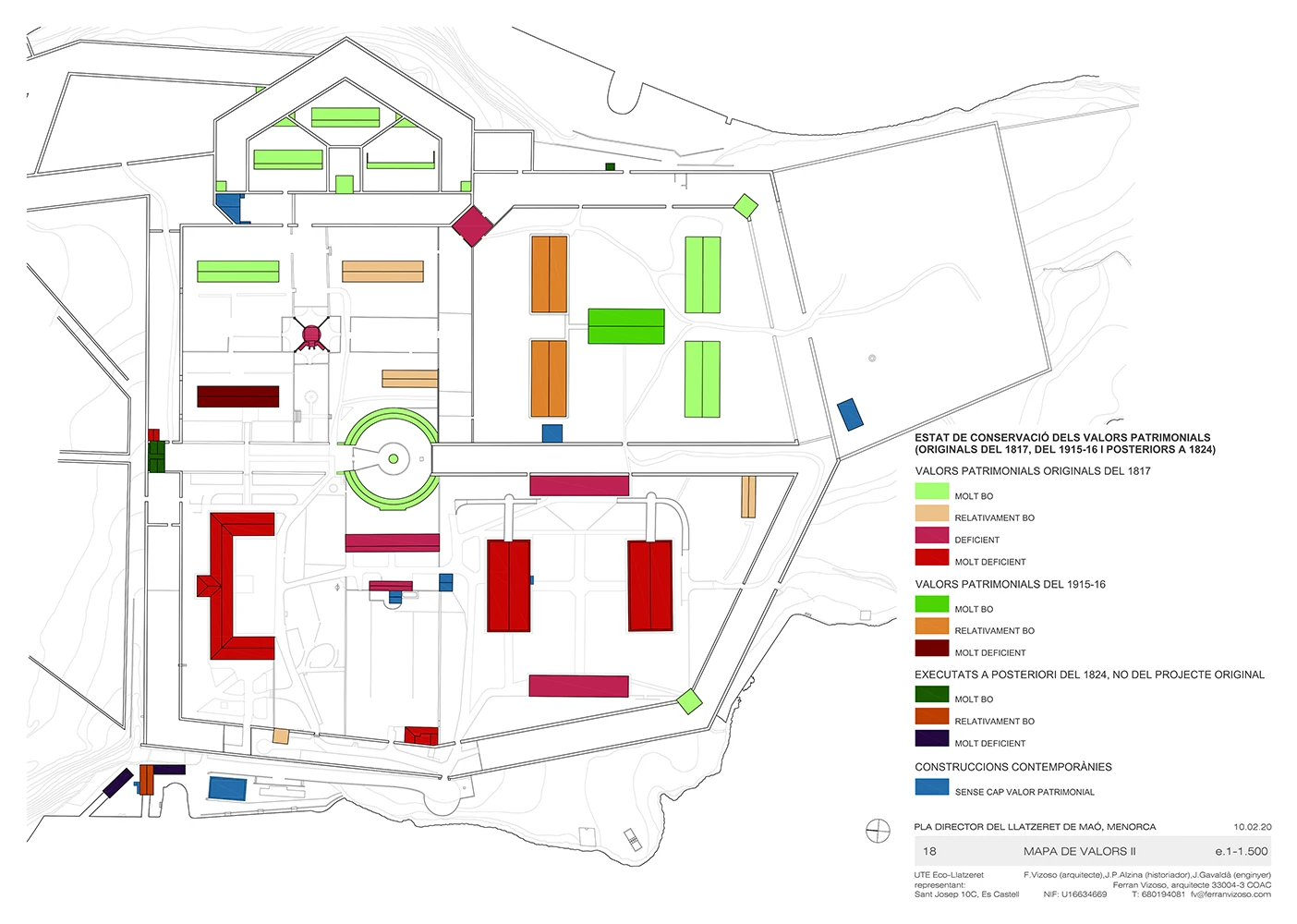
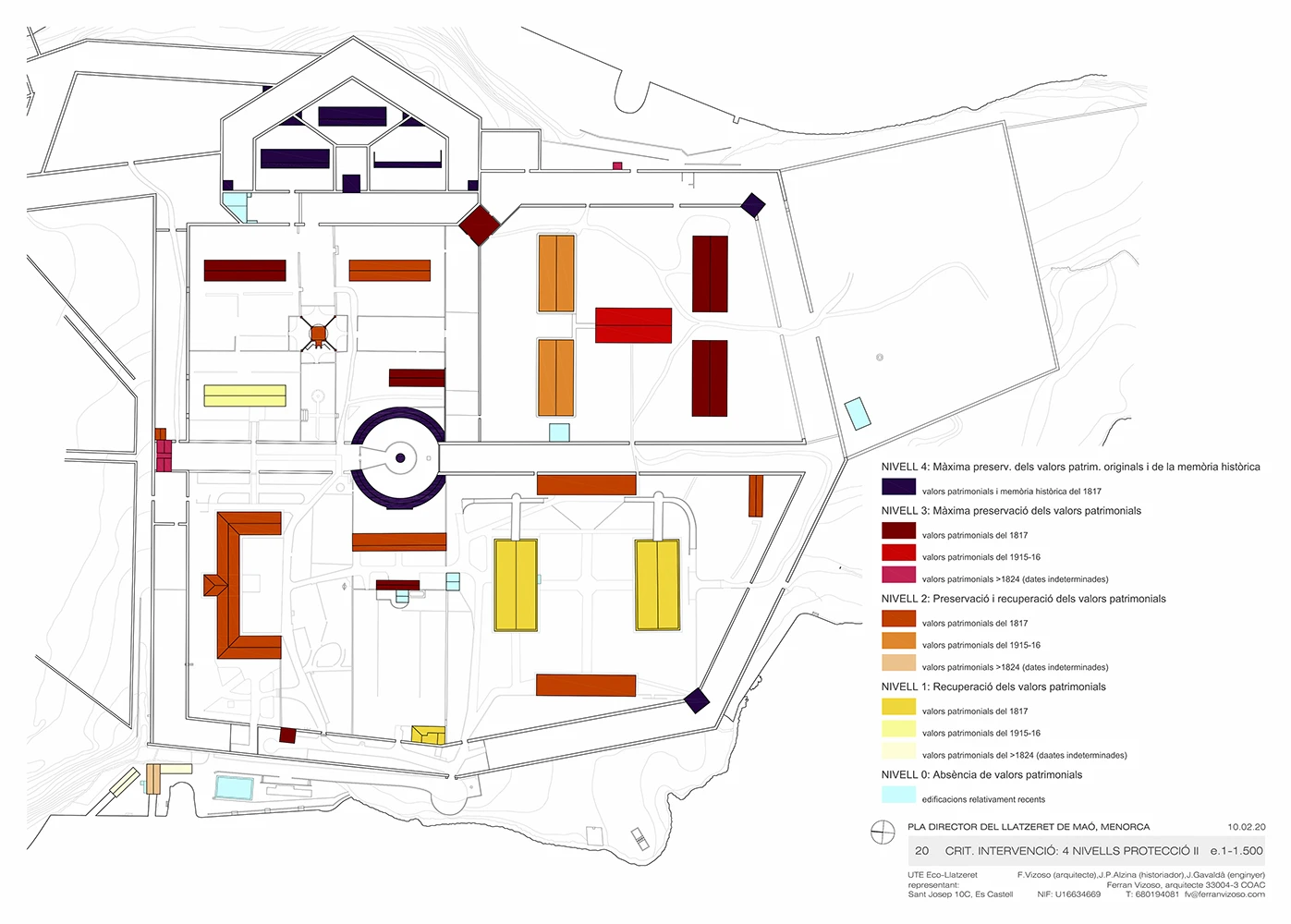
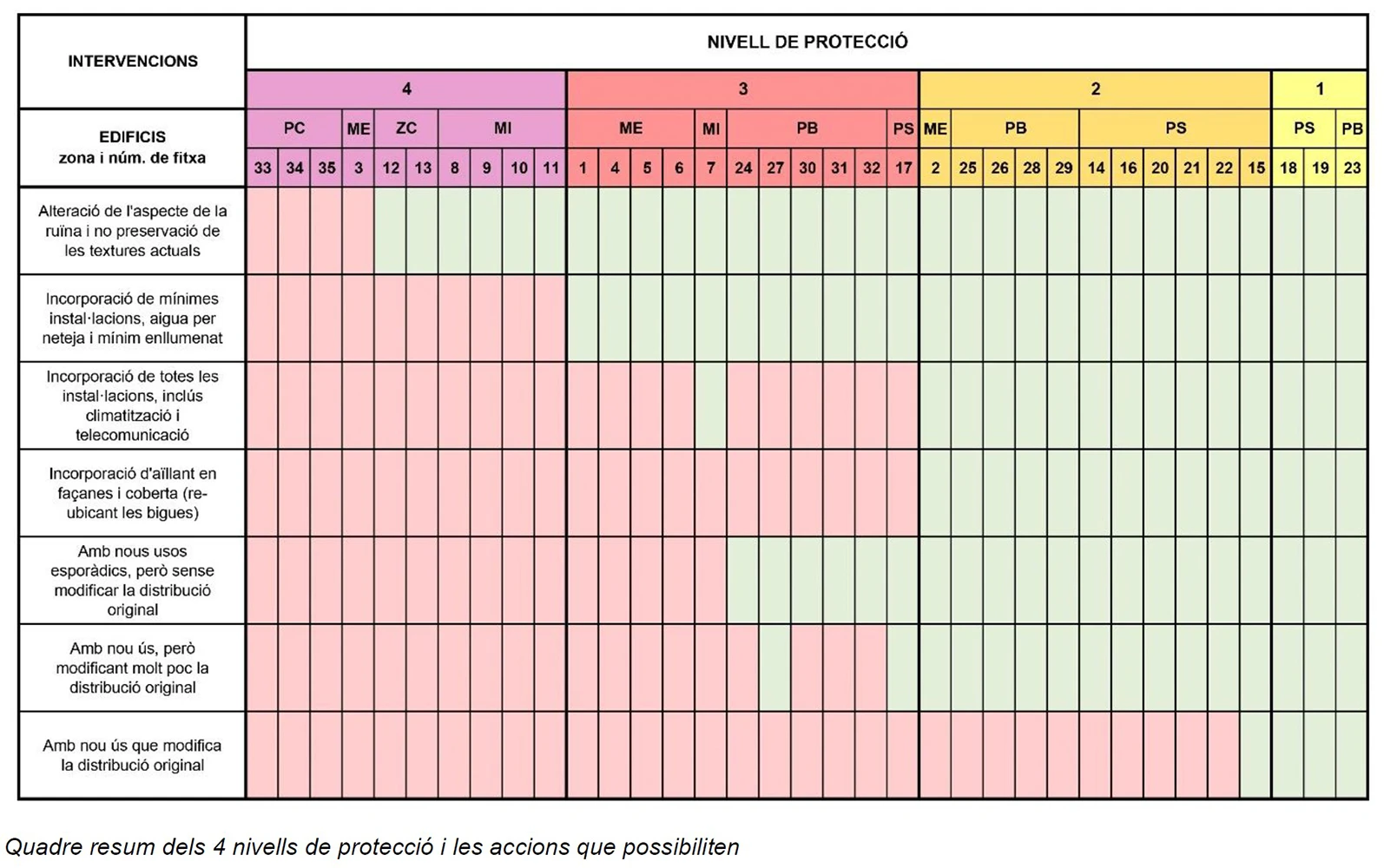
The plan is structured around its two main objectives: the preservation of its original heritage values and its future sustainable and participatory management. To achieve the first objective, and based on an exhaustive historical analysis and assessment of the site’s conservation status, the plan establishes different protection levels for the existing buildings and the technical criteria for their future restoration. To achieve the eco-social objective, the plan proposes, in pursuit of self-sufficiency and net-zero impact, the creation of the Llatzeret resource-balance agency. It also outlines a proposal for citizen participation to define the future uses of the former hospital and articulate its co-management.

The drafting of the document was carried out by a broad transdisciplinary team and through rigorous fieldwork. The result is a management tool for the site that aspires to excellence in heritage intervention, binding environmental objectives and citizen co-participation.

Categoria:

Status: Completed

Client:
Consell Insular de Menorca
Department of Local Cooperation and Tourism Promotion

Location: Port of Maó, Menorca

Dates (start and completion): 2019–2020

Area: 115,500 m²

Budget (PEM): €20,100,000

Awards: First prize in curricular and methodological proposal competition

Co-authors:
Joan Pons Alzina, historian
Josep Gavaldà, industrial engineer

Quantity surveyors: Amílcar Seguí and Rafael Mus

Traditional materials and techniques: Joan Ramon Rosell, quantity surveyor

Heritage intervention: Anna Chust, architect

Conservator-restorer: Carolina Moreno

Archaeologist: Ismael Moll Pelegrí

Environmental scientist: Iván Fernández

Environmental consultancy: Societat Orgànica

Collaborators:
Federico Biasotto, architect
María Zufiaur, Albert Asensio, Júlia de la Fuente, Alegría Garrofé, architecture students

Images: Ferran Vizoso

41st AADIPA Course

41st AADIPA Course

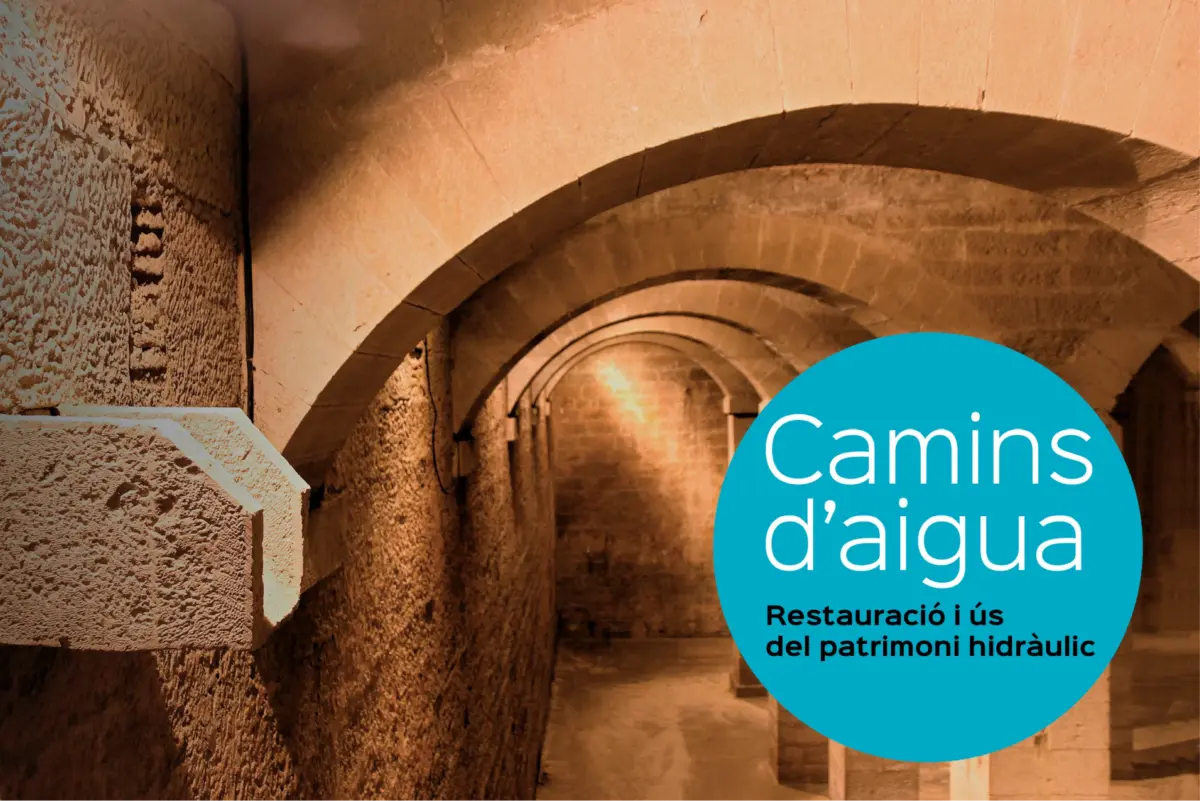
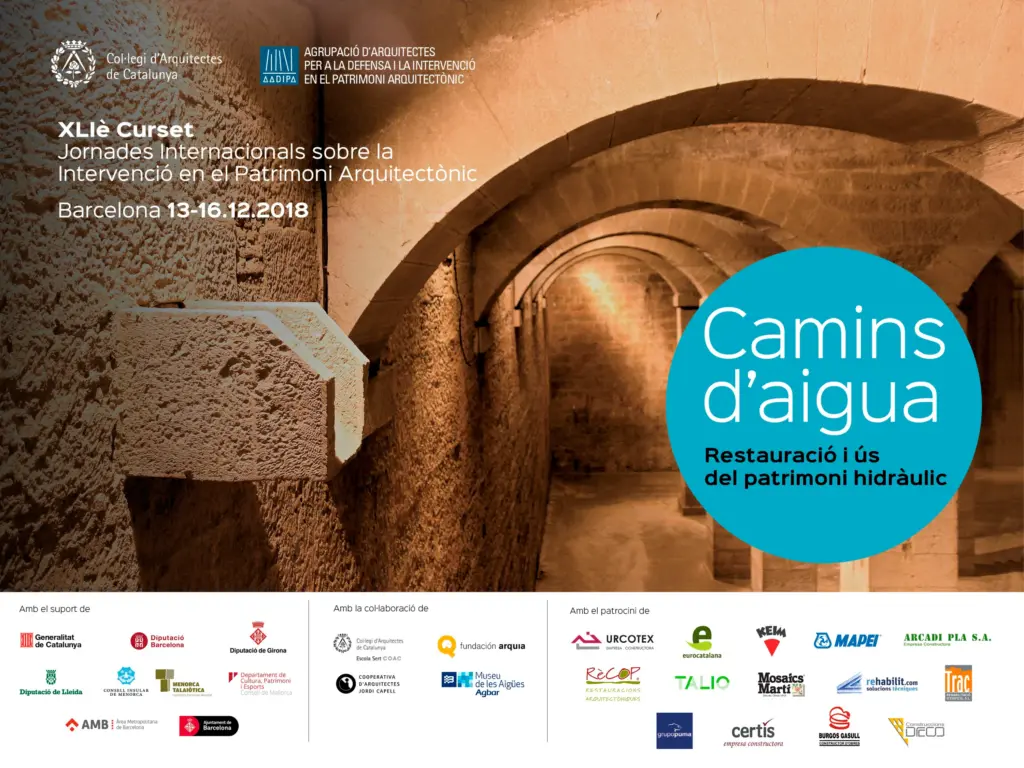
International conference on architectural heritage intervention. Water paths, restoration and the use of hydraulic heritage.

XLIè Curset AADIPA

Ferran Vizoso and Jesús Cardona participated as speakers in the 41st AADIPA Course “Camins d’Aigua”, organised by the Association of Architects for the Protection and Intervention in Architectural Heritage (AADIPA) of the COAC. They presented the research “Arquitectura de sa pluja in Menorca” and the project for the integral restoration of the Aljub of Es Mercadal.

The aim of the conference was to highlight hydraulic heritage, which forms one of the foundations of cultures and civilisations worldwide. Through the presentations, the technical and technological complexity of this heritage was illustrated. It was shown that the limitations imposed by natural physical forces (gravity, friction, resistance…) on a shared global challenge, carrying water as far as possible from its source and harnessing all its energy, have not prevented the creation of an enormous diversity of solutions adapted to climates, materials, technologies, uses and societies.

The conference reflected on the heritage value of this legacy in all its dimensions (artistic, ethnographic, landscape, social, etc.) and at its various scales (territorial, urban, architectural and small auxiliary elements), as well as on how it should be protected. The presentations were organised into six thematic blocks according to use: water supply, sanitation, agriculture, recreational uses, transport routes and industrial and energy systems1.

The presentation video can be viewed here:

And the publication can be consulted here: PUBLICACIONS – AADIPA

1 Adapted from the presentation text of the 41st Course on the COAC: AADIPA – XLI Curso | COL·LEGI D’ARQUITECTES DE CATALUNYA

40th AADIPA Course

40th AADIPA Course

International conference on architectural heritage intervention “Learning from the past, rethinking the future”.

XL Curset AADIPA

Ferran Vizoso participated as a speaker in the 40th AADIPA Course “Aprendre del passat, repensar el futur”, organised by the Association of Architects for the Protection and Intervention in Architectural Heritage (AADIPA) of the COAC. His lecture, titled “Interventions in the Old Church of Sant Pere de Corbera d’Ebre”, presented the work carried out on this historic site.

The aim of the conference was to commemorate its 40th anniversary and to highlight the activities developed over the years around the Curset, including lectures, debates, events and complementary visits. This 40th edition offered a critical review of four decades of reflection, protection and intervention, with contributions from renowned specialists who shared their experiences in heritage intervention.

Ferran Vizoso’s lecture took place on the final day, alongside presentations by emerging architects in the field of heritage intervention in Spain (specifically: Marc Manzano, Vora arquitectura, Carles Enrich, Arcadi Arribas and José Luis Sanz, AleaOlea arquitectura, El fabricante de espheras, Lanua arquitectes and David Garcia). All presentations were grouped under the theme “Rethinking the future: The 21st century”1.

The lecture video can be viewed here:

And the publication can be consulted here: PUBLICACIONS – AADIPA

1 Adapted from the presentation text of the XL Curset on the COAC website: XL Curset. Jornadas internacionales sobre la intervención en el patrimonio arquitectónico. Aprender del pasado, repensar el futuro | COL·LEGI D’ARQUITECTES DE CATALUNYA

The Menorcan Cultural Landscape, a Major Water Infrastructure

The Menorcan Cultural Landscape, a Major Water Infrastructure

Traditional water culture in Menorca, a model of sustainable water management.

El paisatge cultural menorquí: una gran infraestructura hídrica

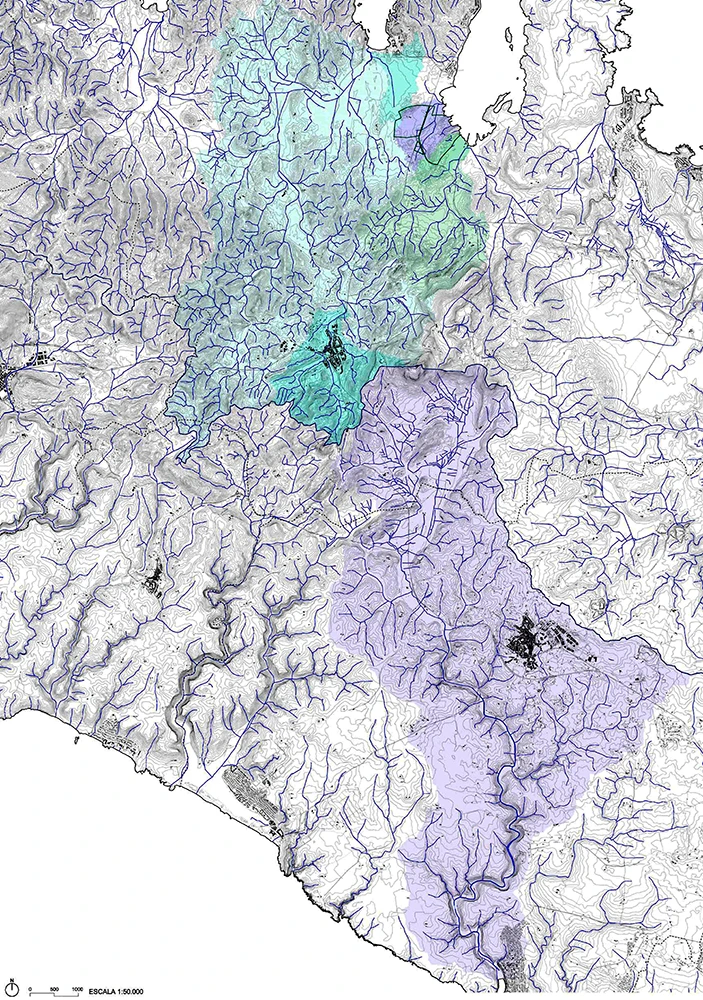
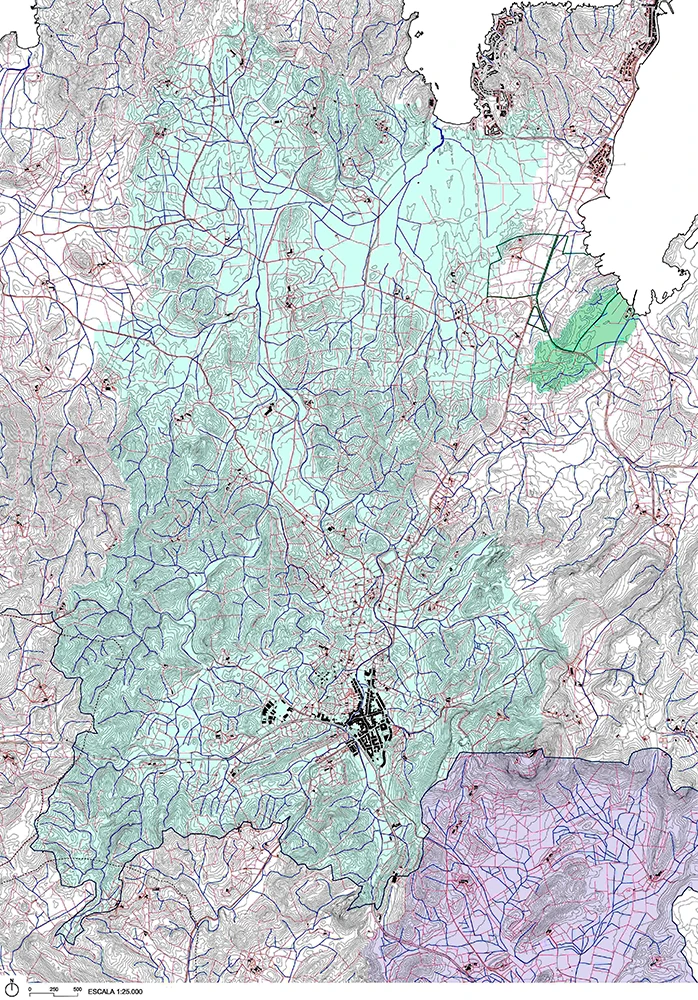
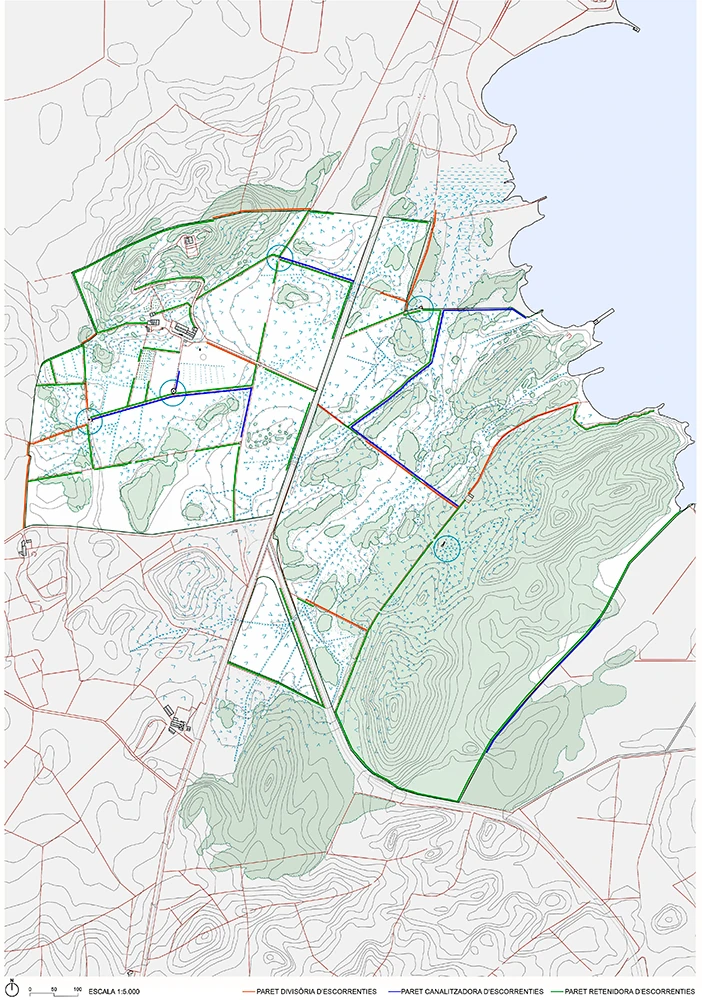
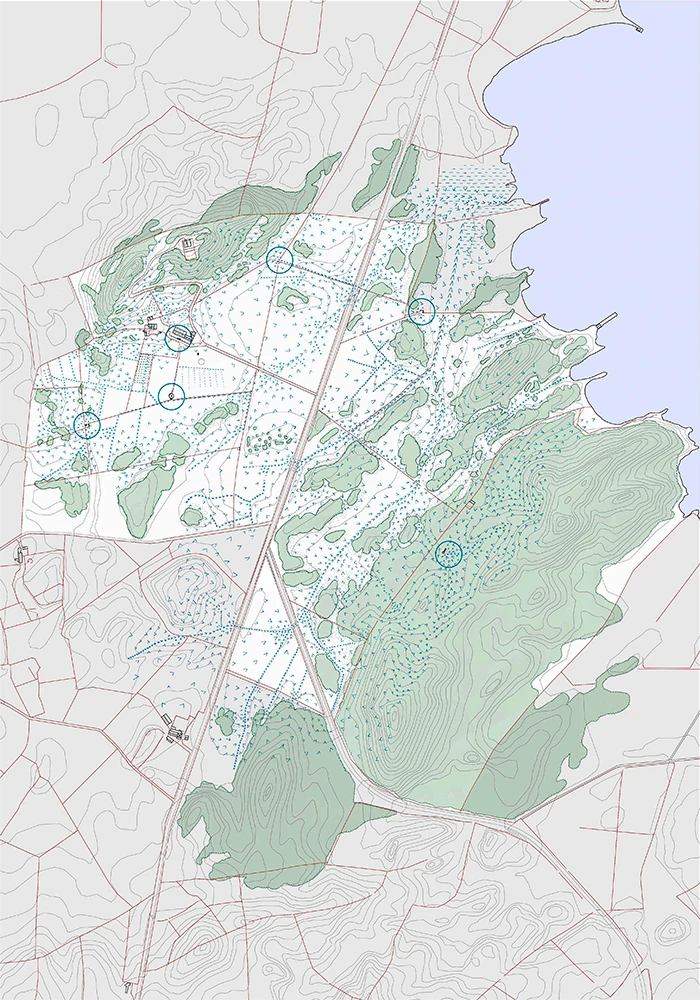
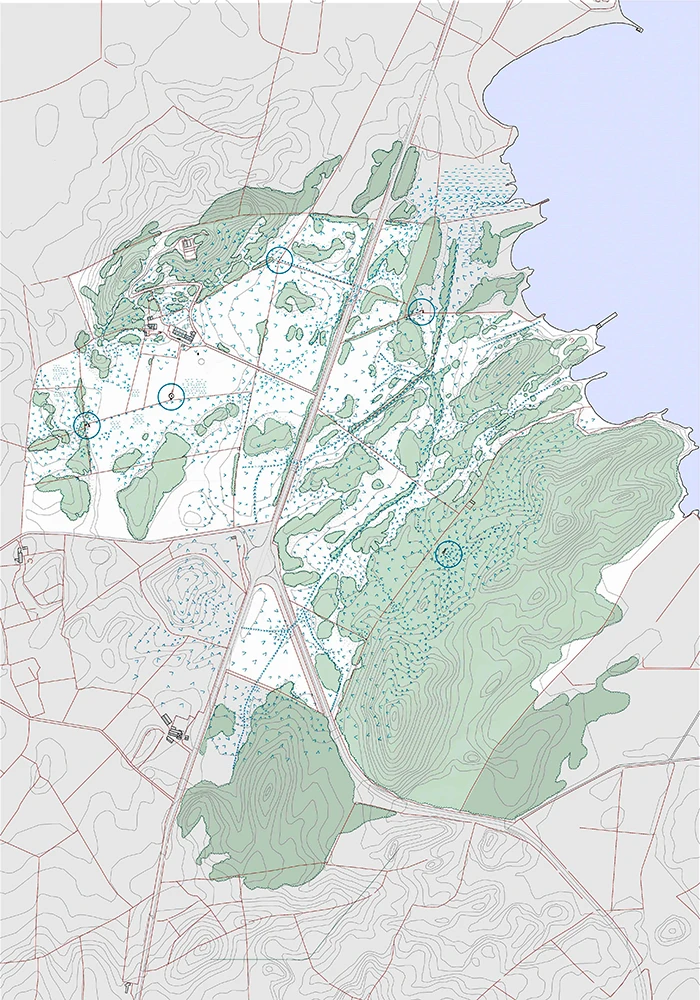
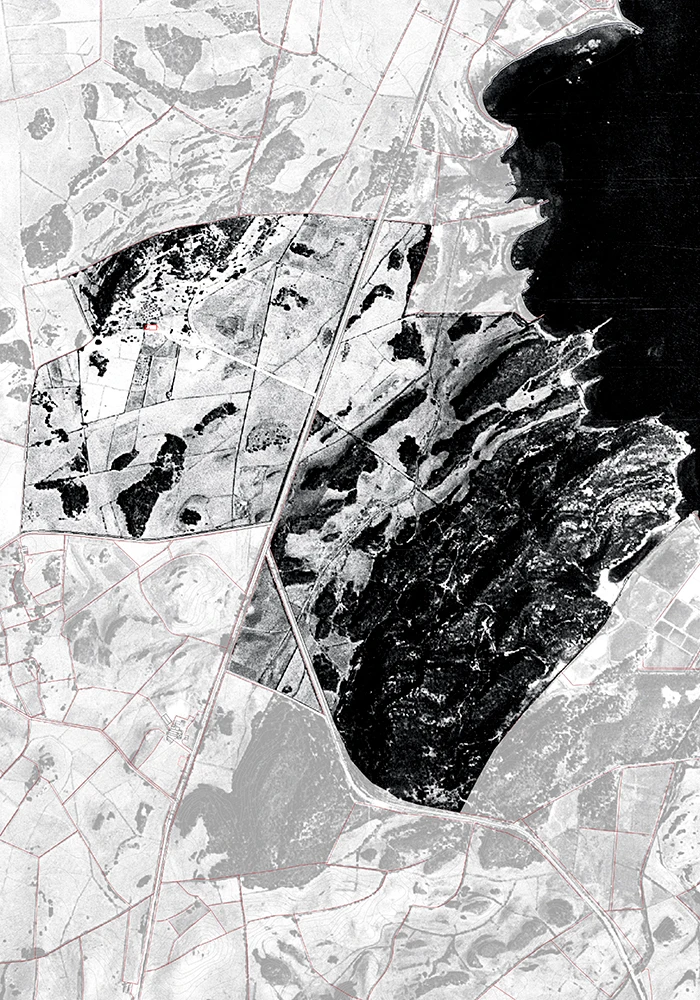
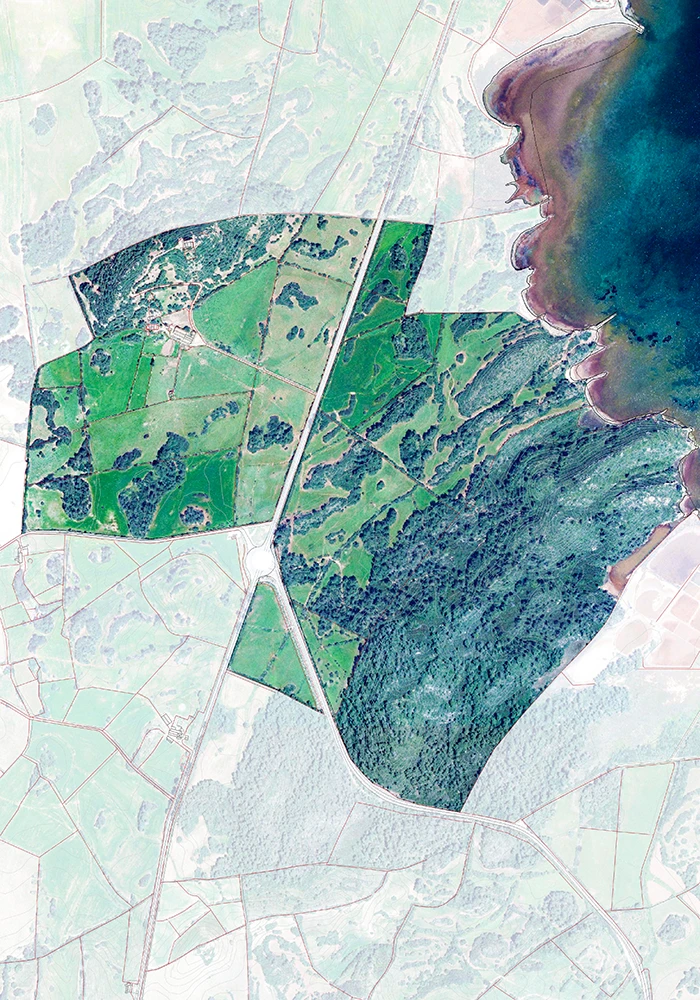
The research project, first prize winner of the 2013 call for research projects on Es Mercadal and Fornells (Ajuntament des Mercadal), analyses the traditional management of rainwater in the municipality of Es Mercadal. The study was carried out at three different scales: that of buildings and cisterns (object), that of the settlement (urban) and that of the cultural landscape (territorial). It demonstrates that the capture, storage and management of rainwater was entirely trans-scalar and transversal, from collecting water on a small roof to transforming the entire island territory into a large-scale hydrological management infrastructure.

In Menorca, for many centuries, cisterns and water tanks enabled people and their animals to survive the severe dry season characteristic of the Mediterranean climate. From mid-May to late August, rainfall drops dramatically, precisely when temperatures reach their annual maximums. This creates significant “water stress”, when organisms need hydration the most and water is least available. All species must therefore seek mechanisms to survive.

This collection and storage of rainwater made it possible to have water during periods without precipitation. Seen this way, all the cases studied transform rain that falls from the sky and escapes quickly into stored fresh water, a vital and highly valued resource. The study concludes that on the island of Menorca, until the second half of the twentieth century, all impermeable and sloped surfaces were used to collect this natural resource. “Not a drop wasted” was the guiding principle, sometimes to almost obsessive extremes.

Traditional water management was not limited to cisterns and tanks. Houses, both urban and rural, towns and even the entire island territory, carefully modified to manage runoff, all formed part of this essential system. The research shows that in traditional Menorca, still very present in many places, all elements of the built landscape (houses, paths, fences, farmsteads, streets, courtyards, squares, threshing floors, dry stone walls…) are in fact small parts of a vast hydrological management infrastructure present in every corner of the island.

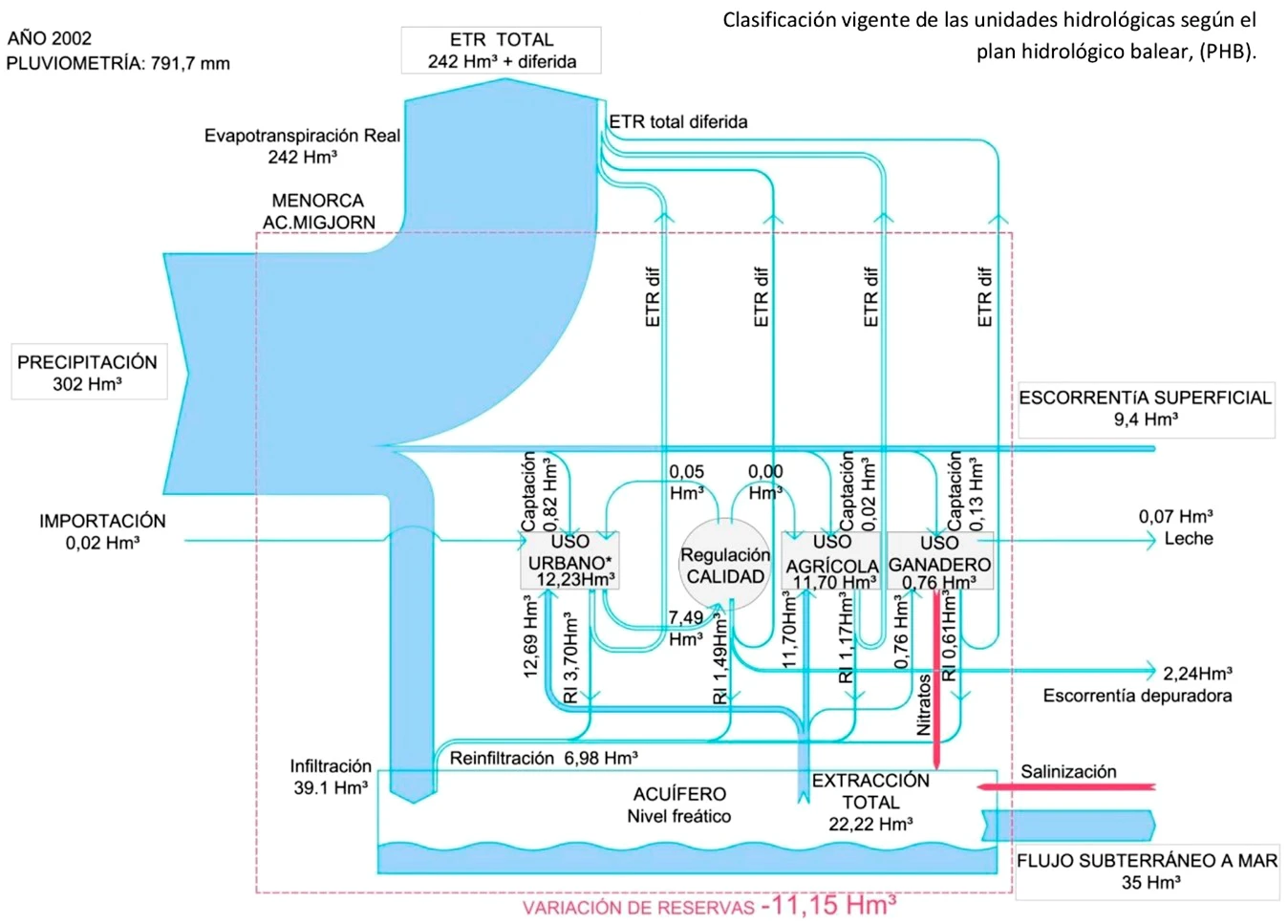
The image “Current classification of hydrological units according to the Balearic Hydrological Plan (PHB)” shows the hydrological balance of the Es Migjorn aquifer, prepared by Leticia de la Vega in her Master’s Thesis directed by Professor Albert Cuchí “Analysis of the Menorcan Hydrological Cycle, for a sustainable territorial management”. The diagram clearly shows that most of the island’s annual precipitation (302 Hm3) does not recharge the aquifers, but is “lost” through evapotranspiration (242 Hm3) or surface runoff returning to the sea (9.4 Hm3). It is important to highlight that the rainwater collected by cisterns, buildings and the territory belongs mostly to these two major flows and therefore does not affect aquifer recharge through infiltration.

Date: 2013–2017

Author: Ferran Vizoso, architect

Collaborators: Gian Marco, Daniele Russo and Lorena Finocchiaro, architecture students

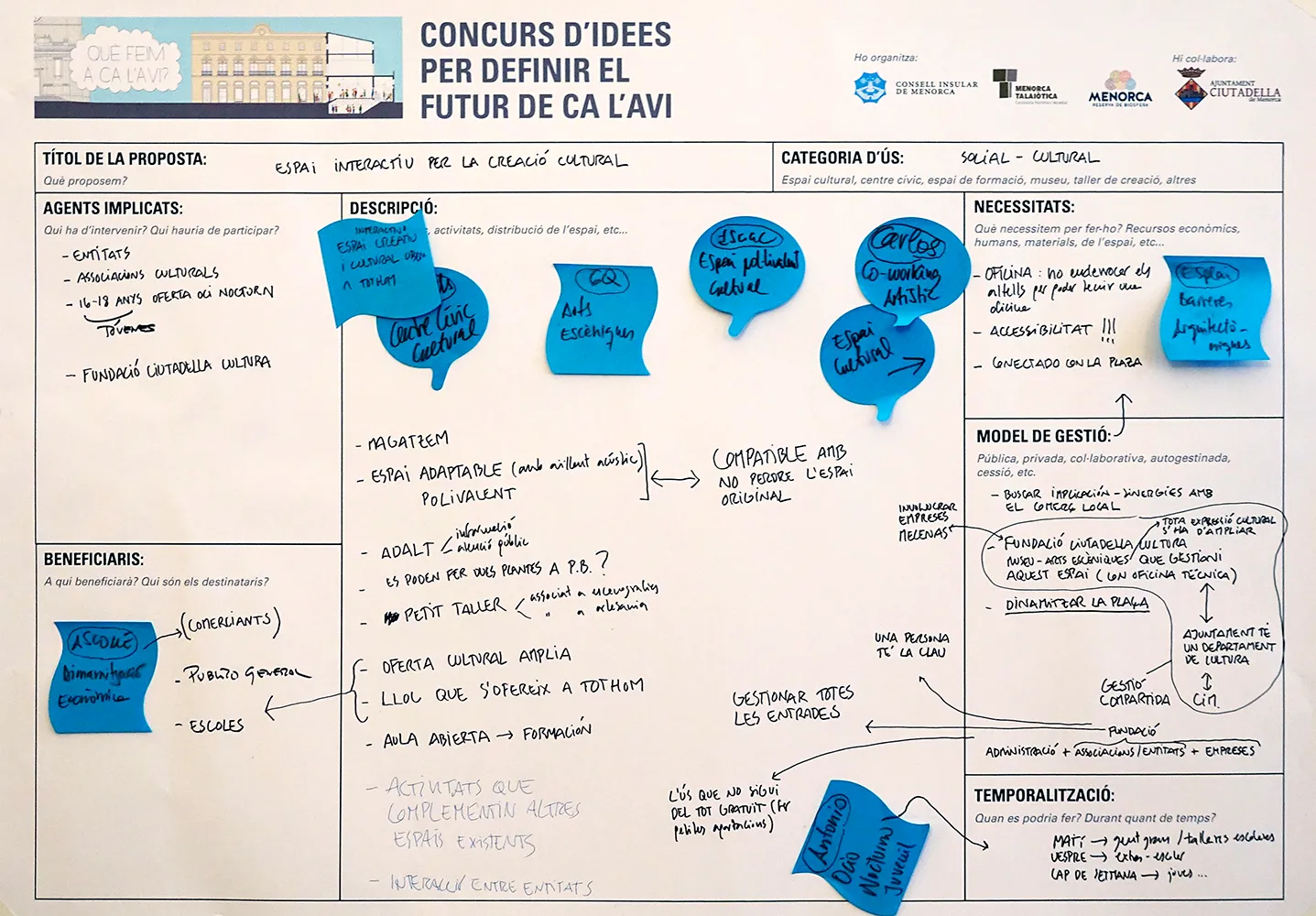
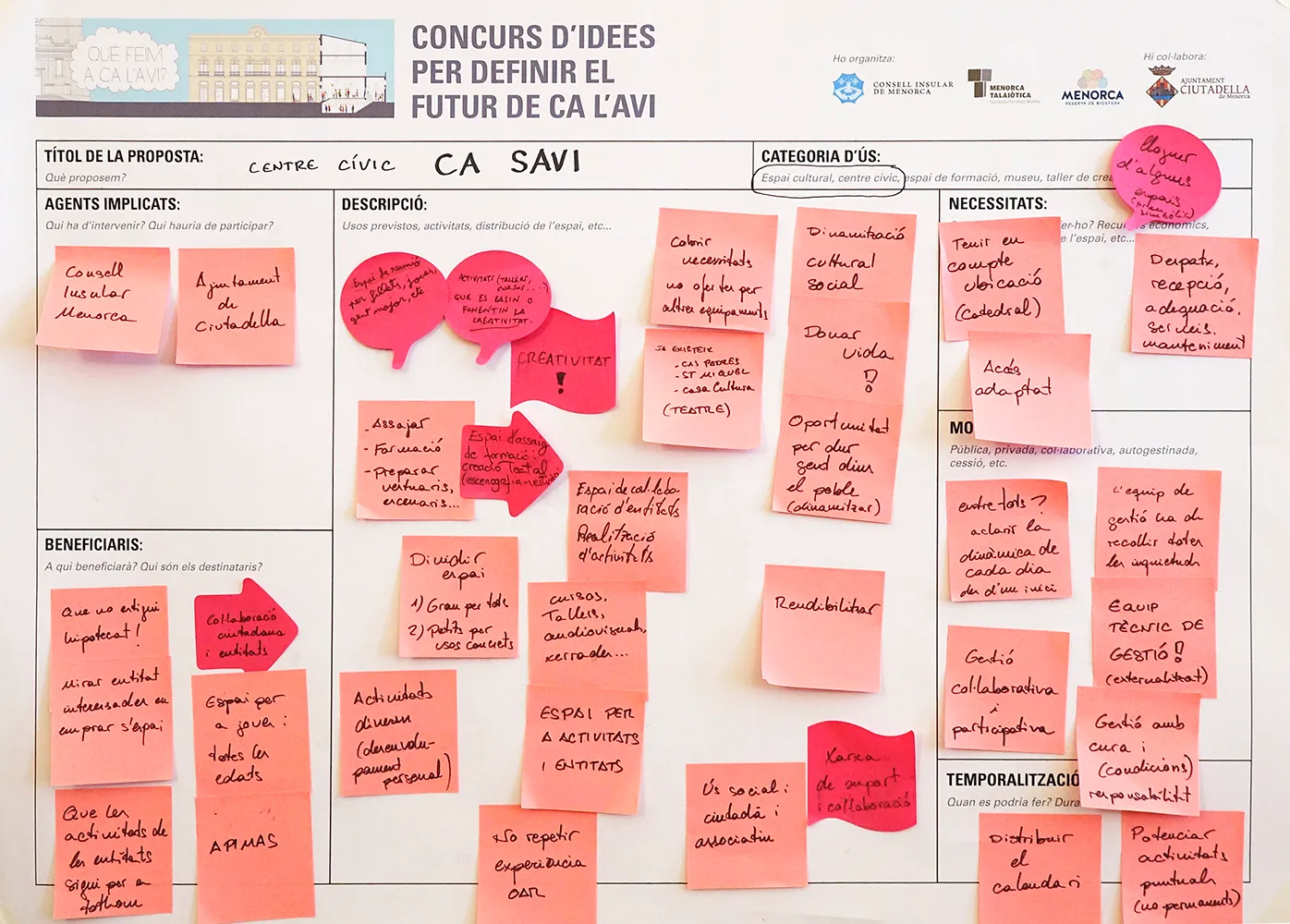
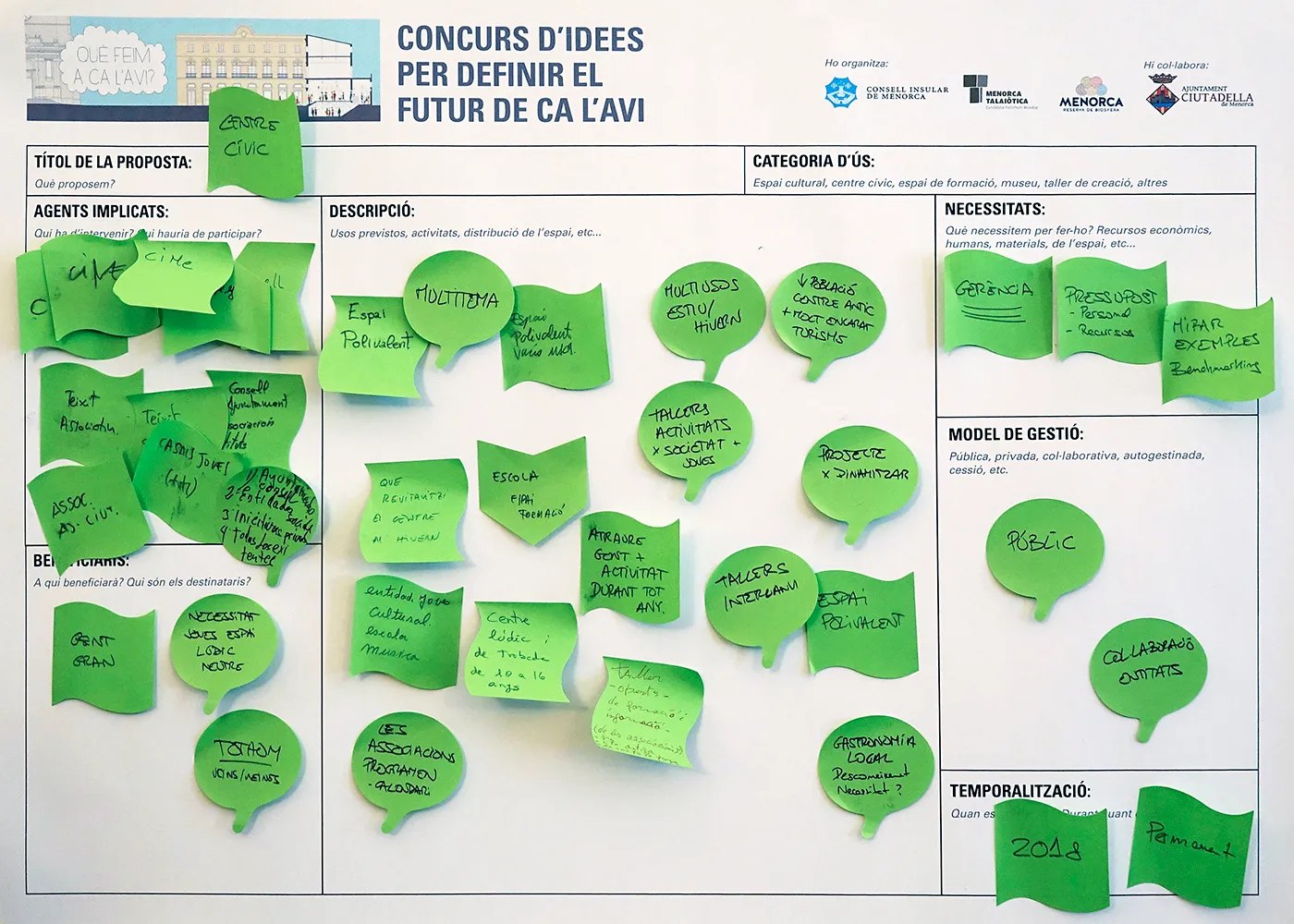
Ca SAVI Participatory Process

Ca SAVI Participatory Process

Casa Zero

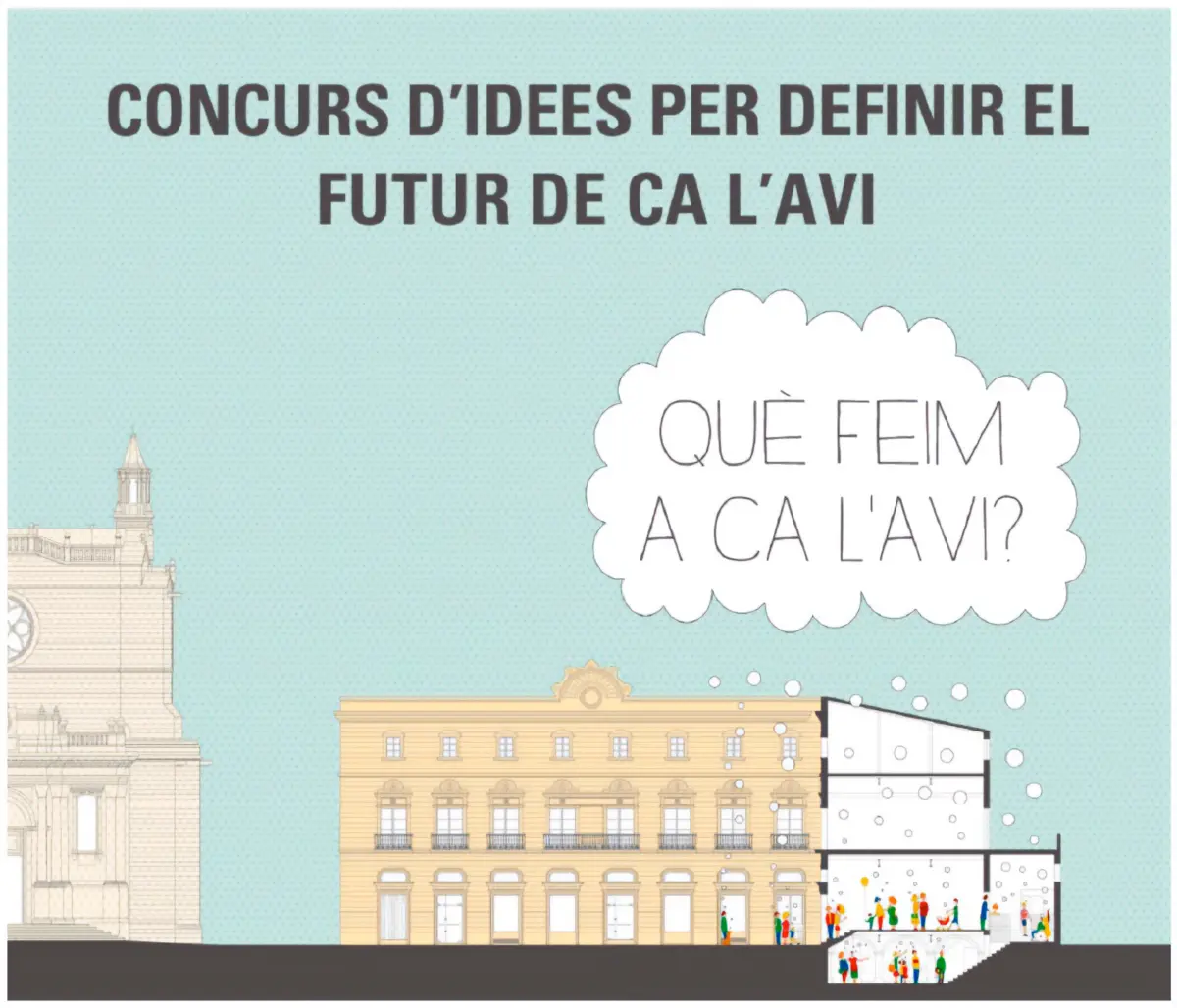
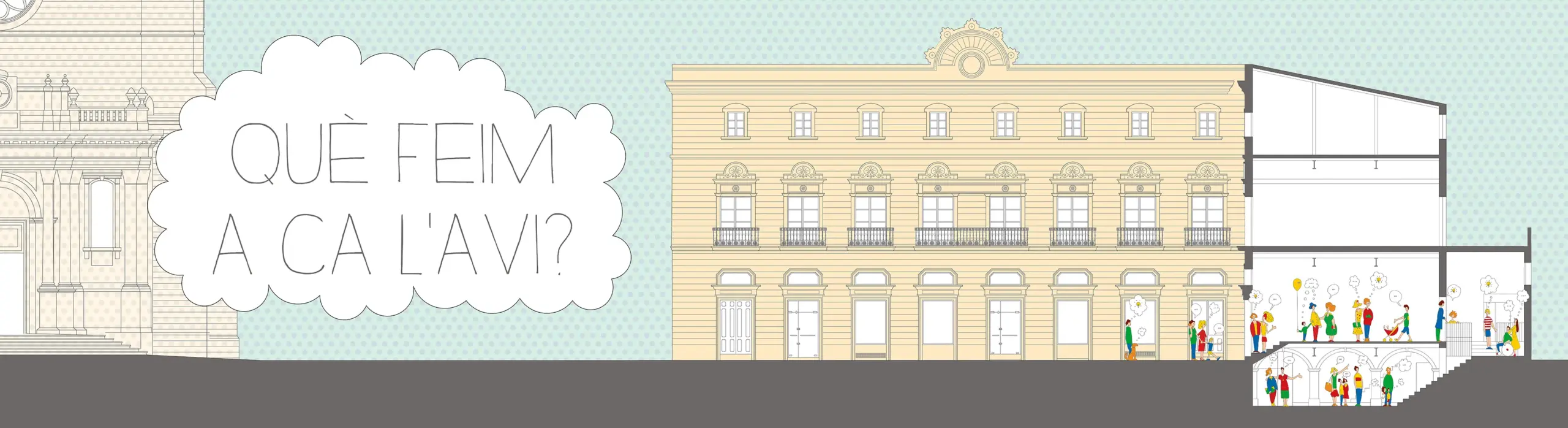
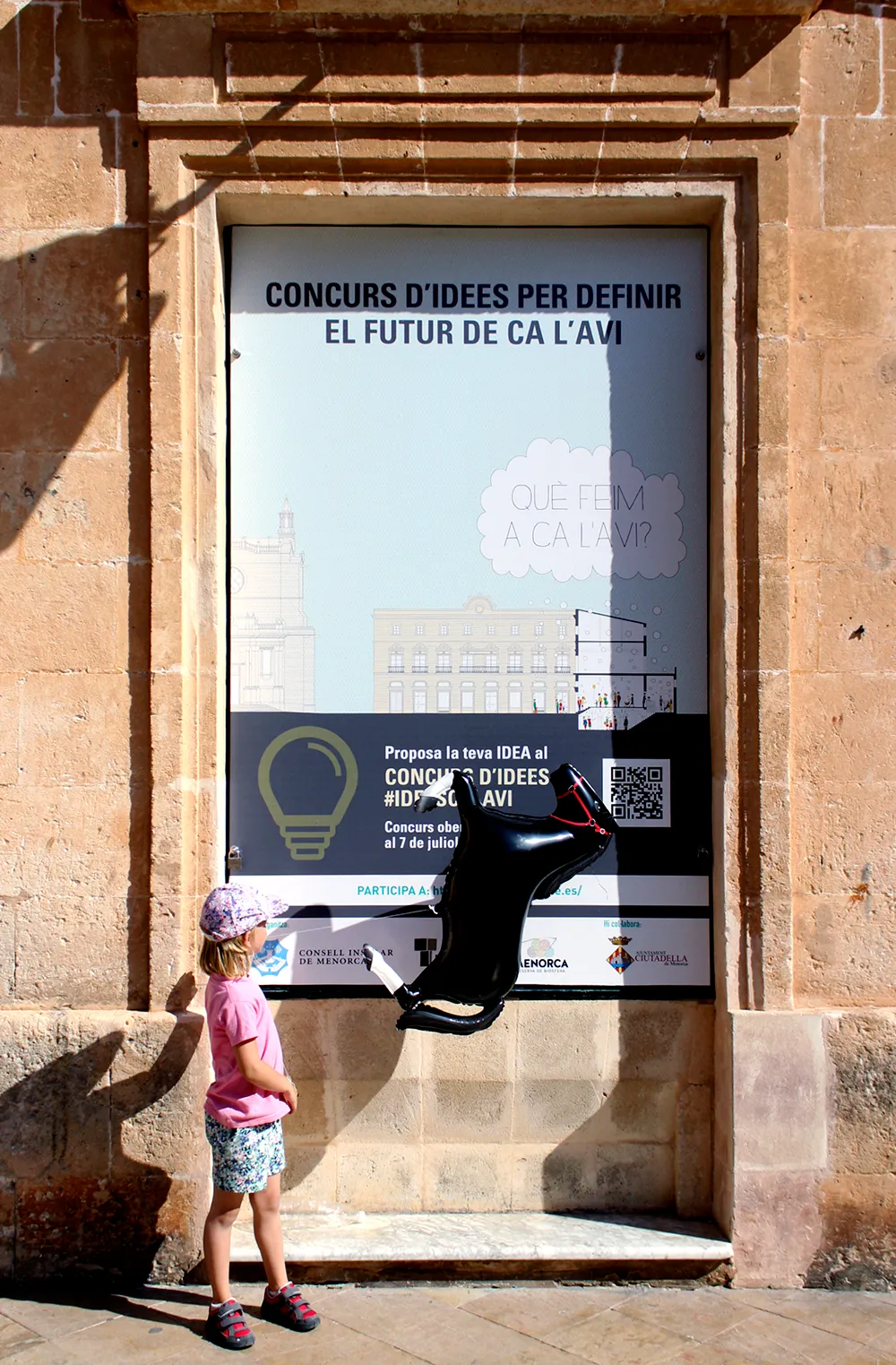
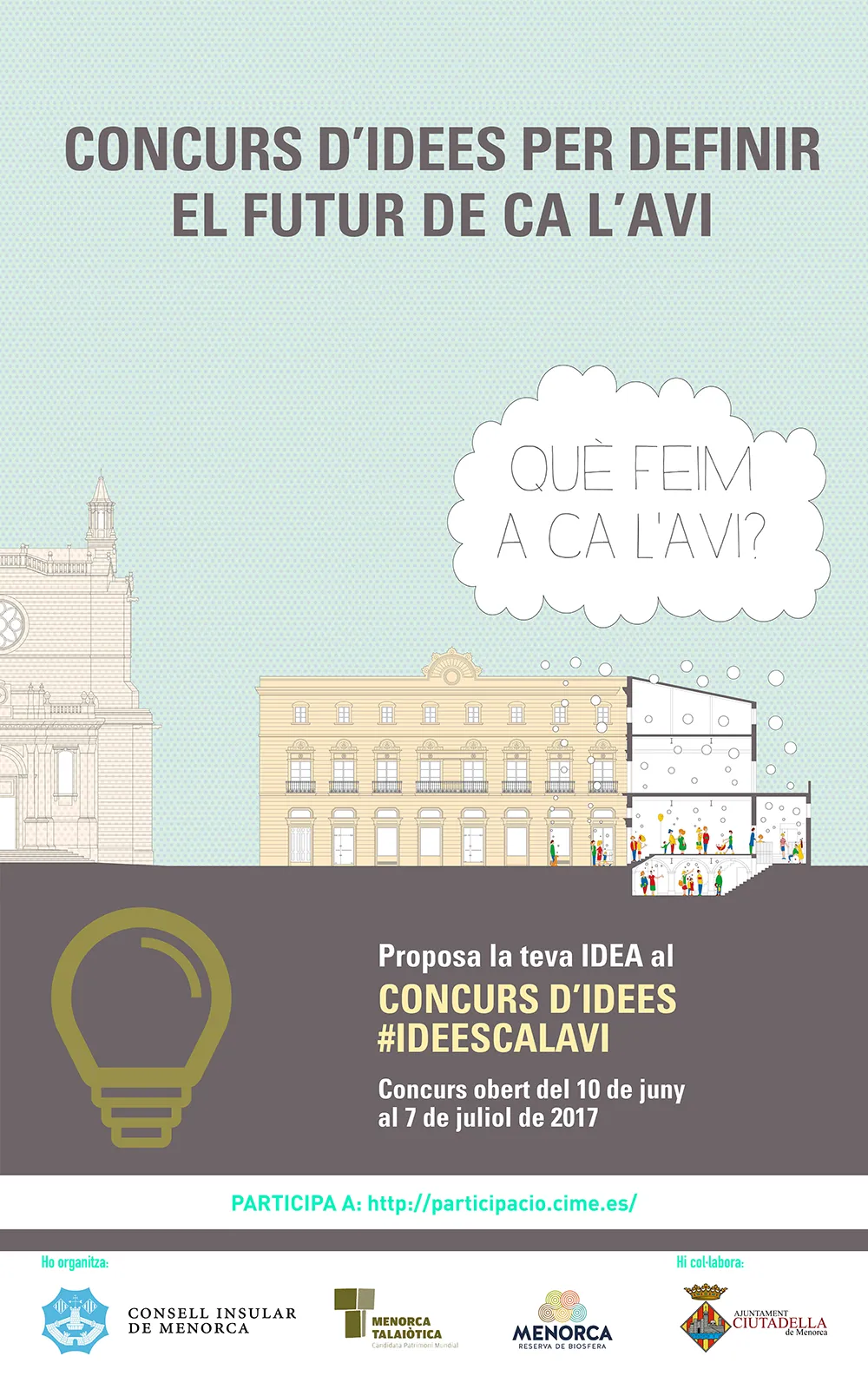
Design and facilitation of a citizen participation process to define the future uses of the former Ca SAVI hardware store premises, located on the ground floor of the Sexagenària building in Ciutadella, Menorca. The work included participation design, communication and facilitation, and the evaluation of its impact and results.

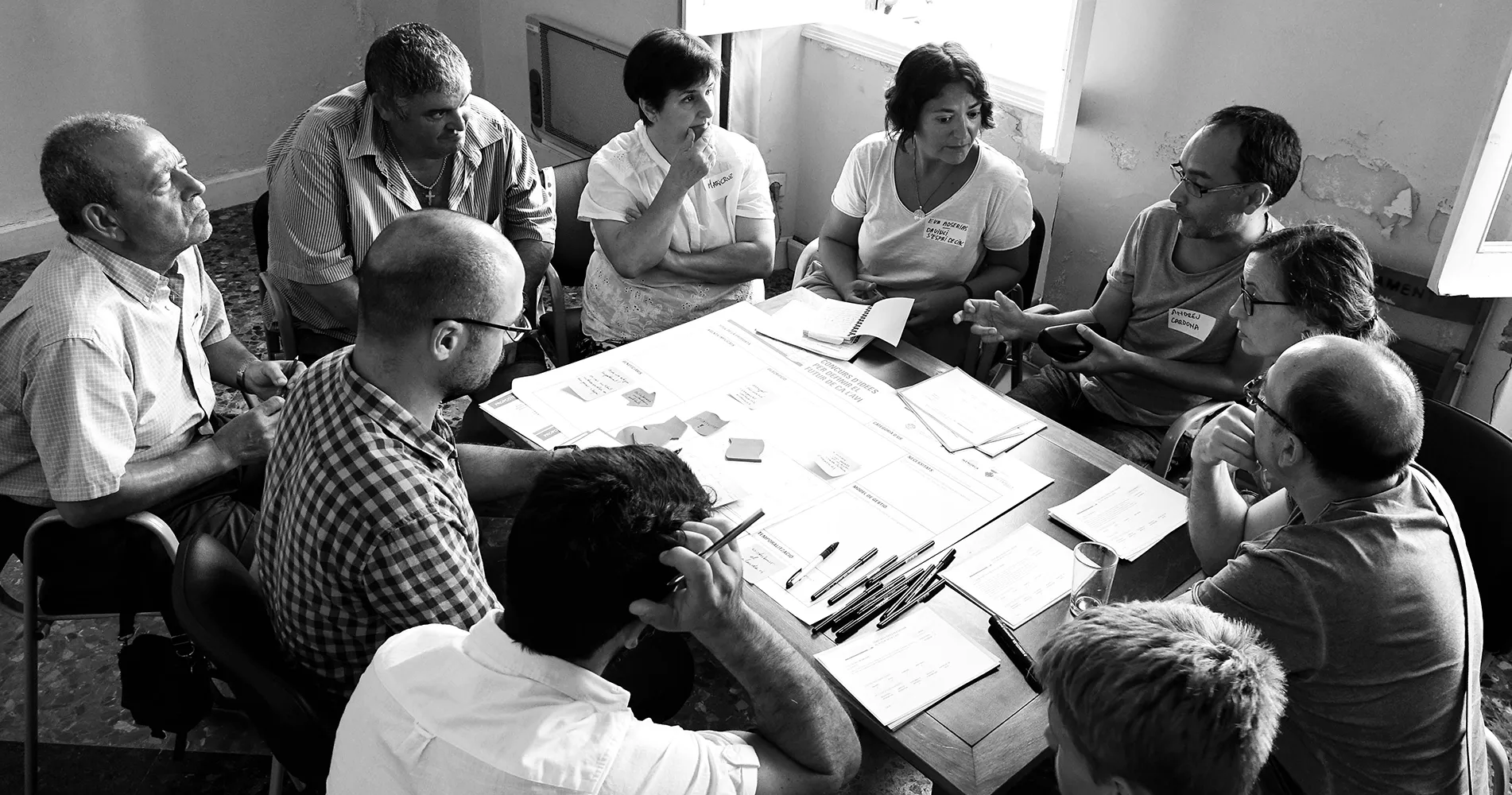
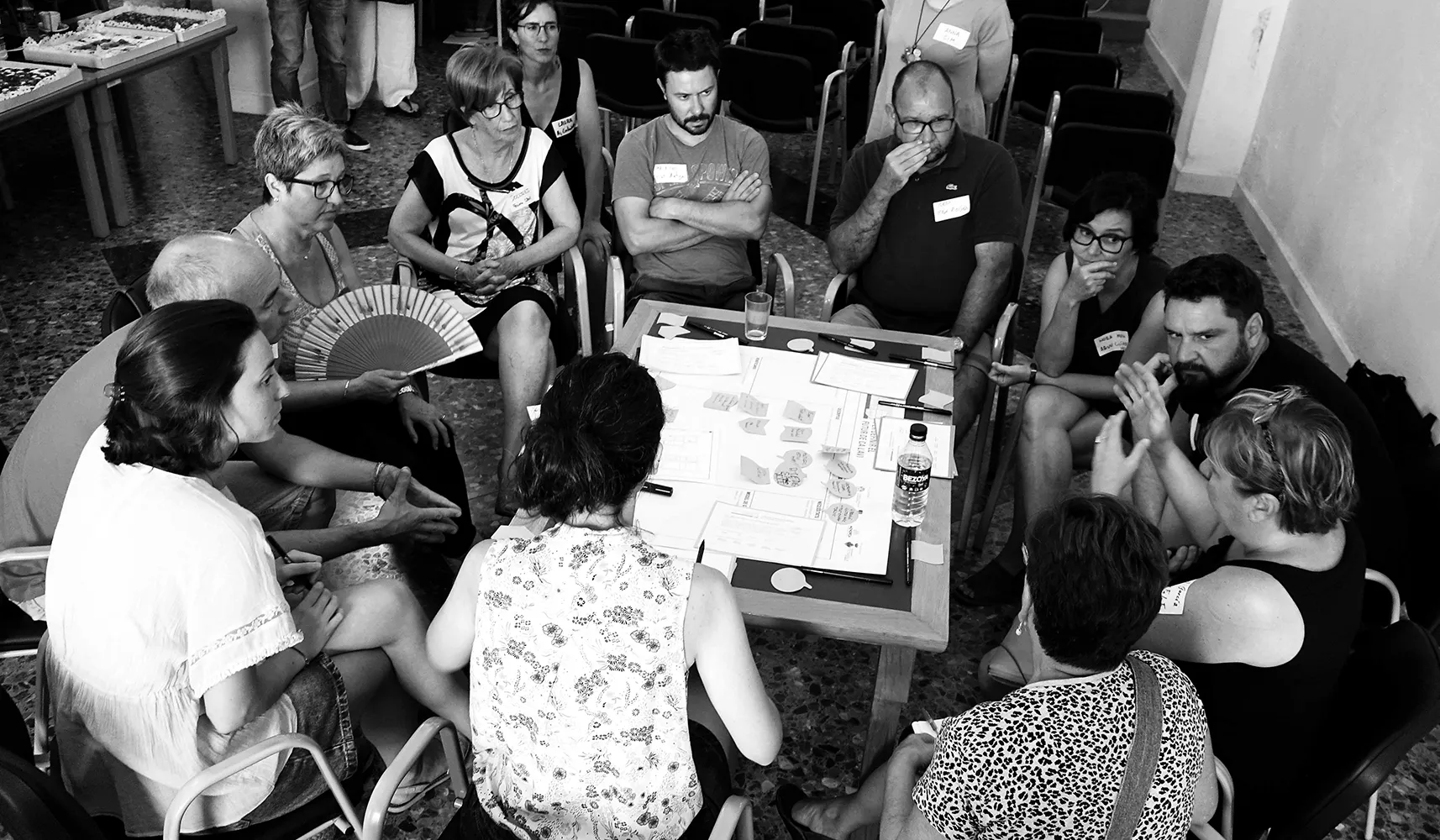
The participatory process lasted three months and consisted of online participation through forms and a dedicated website, as well as a workshop attended by 28 participants, either individually or representing various associations, organisations and foundations.

The process concluded with a feedback event held in the same premises, where the high level of participation was acknowledged and the results were presented and validated.

Categoria:

Status: Completed

Client: Consell Insular de Menorca, General Services, Participation and Housing

Location: Ciutadella, Menorca

Dates (start and completion): 2017

Budget (PEM): €365,000

Awards: First prize in curricular and methodological proposal competition

Co-authors:
Espai TReS, Territori i Responsabilitat Social
Xavier Sabaté, environmental scientist
Irene Navarro, environmental scientist and landscape specialist

Images: Ferran Vizoso