University at Buffalo

University at Buffalo

Department of Architecture, Barcelona Summer Workshop. 2009-2016
University at Buffalo

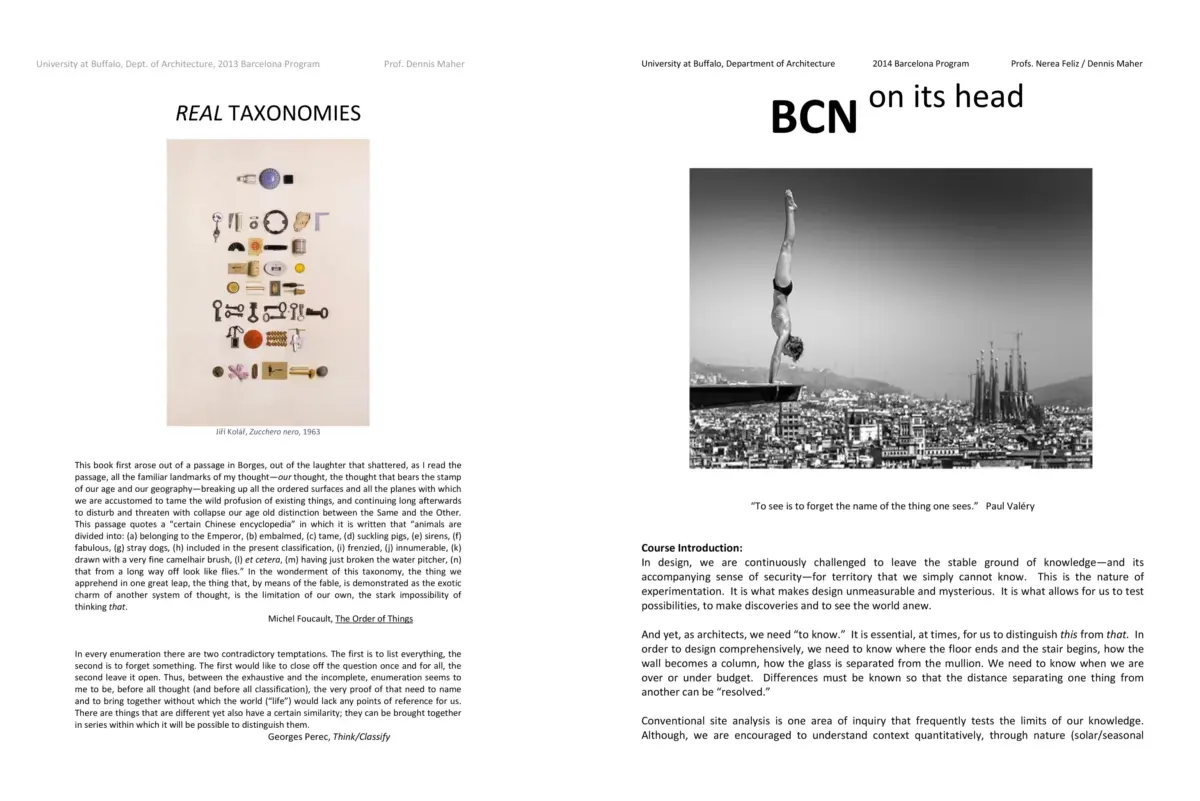
Between 2009 and 2016, Ferran Vizoso participated as an invited local instructor in six editions of the summer workshop organised in Barcelona by the Department of Architecture of the University at Buffalo, New York, United States.

His teaching involvement began as a guest critic for the final presentations of the students’ work (2009) and later continued as an invited local instructor (2011, 2012, 2013, 2014 and 2016). His tasks included developing small independent exercises and collaborating in the development of the workshop’s main assignment. The “Barcelona Summer Workshop” was initially directed by Professor Bonnie Ott and later by Professor Dennis Maher.

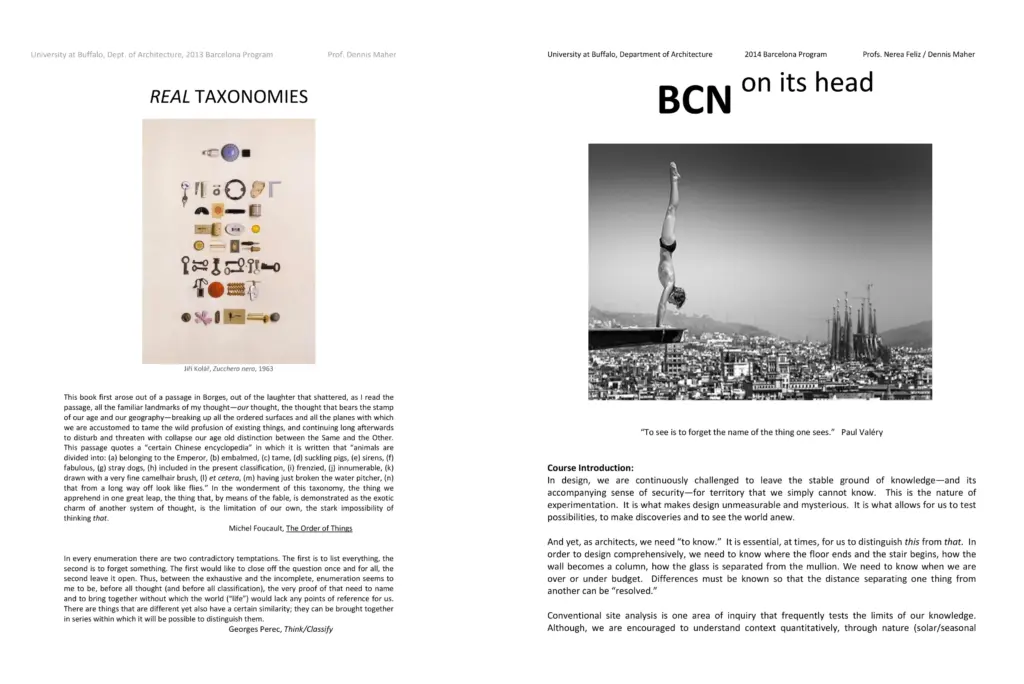
The image shows the covers of the teaching proposals from the 2013 and 2014 workshops.
La Unidad

La Unidad

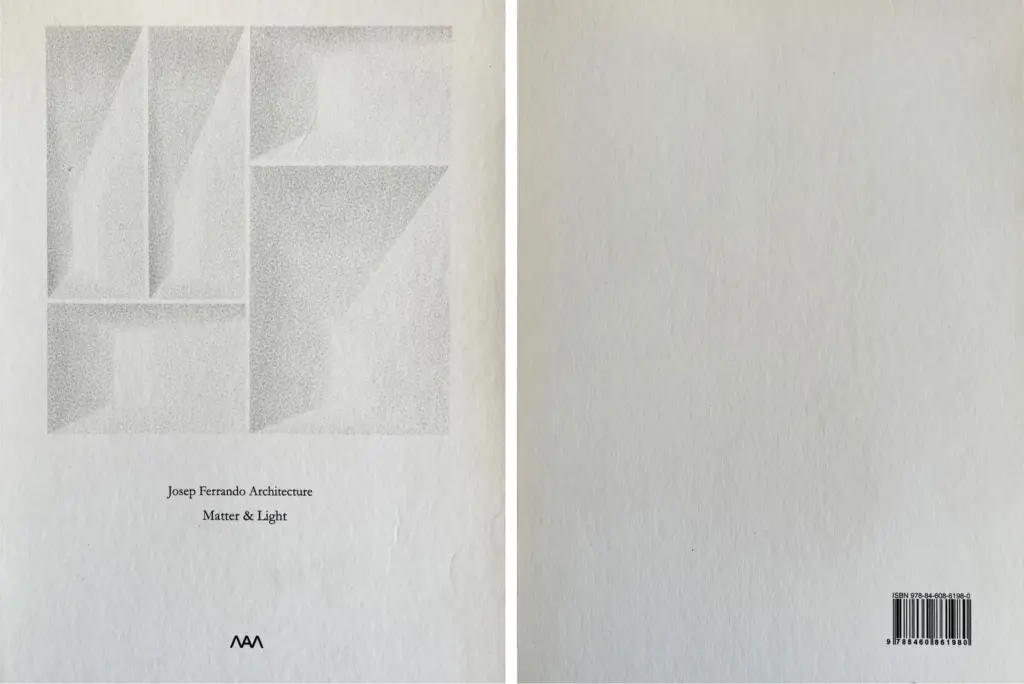
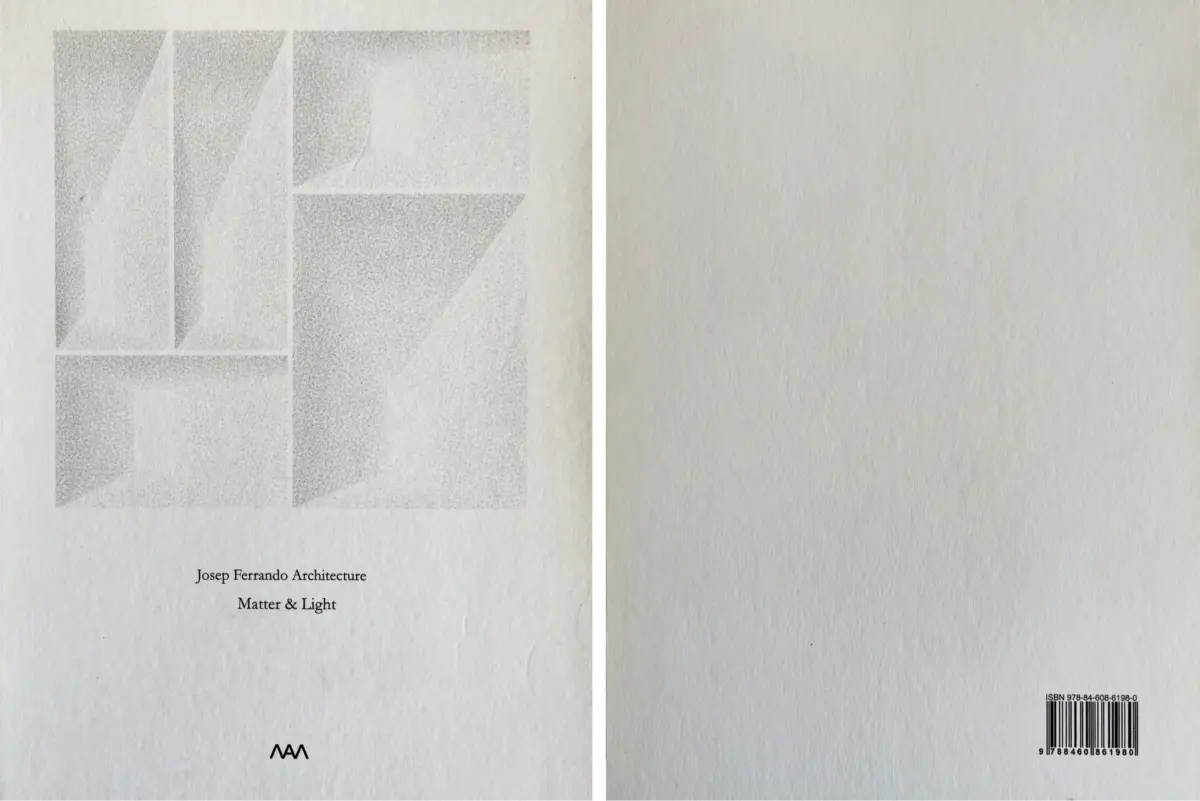
Josep Ferrando Architecture, “Matter and Light”, 28.04.2016

La Unidad

Text by Ferran Vizoso for the book “Matter and Light”, the catalogue of the monographic exhibition on the work of Josep Ferrando Architecture at the Museum of Modern Art of Rio de Janeiro, Brazil.

“La Unidad” introduces a series of small-scale projects by J. Ferrando, including furniture and installations, grouped at the end of the publication. Through the description of the hidden geometry embedded in the aggregation of the slats of a small construction, the text reveals some of Josep’s design methodologies:

“But there is more. To the systemic multiscalarity and the radical efficiency of the small slat used in the Buenos Aires structure, a third virtue must be added, a seductive mystery. The small notch at the centre of the piece allows three units to interlock, forming a three-dimensional cross which, when aggregated with others, builds the entire assembly. The key point is that the geometry of the joint hides the interfaces between the three rods, making it impossible to understand how they come together and, by extension, how the entire system is constructed. The discomfort generated by this mystery is highly evocative, because we cannot reveal it either (we would have to dismantle the construction). The sensation it produces resembles that of a child before a world yet to be discovered and opens a pleasant fissure in the high walls of certainty that we all eventually erect around ourselves.”

Ferran Vizoso (2015)

Former Church of Corbera d’Ebre

Former Church of Corbera d’Ebre

Antiga església de Corbera d'Ebre

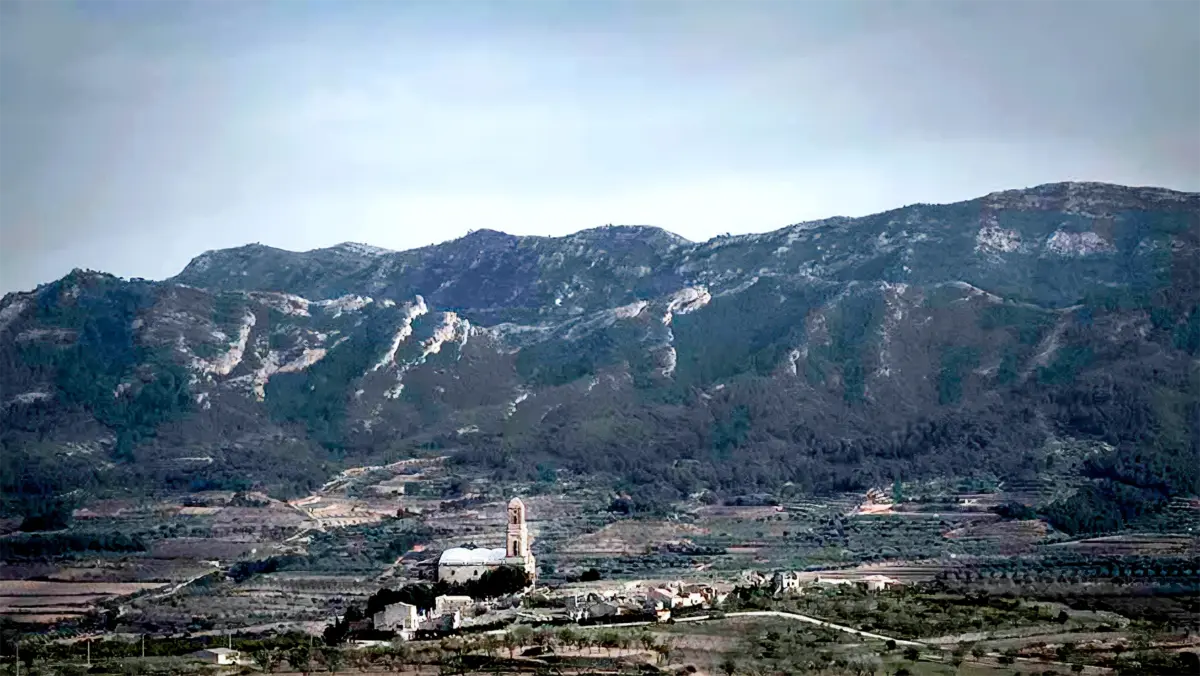
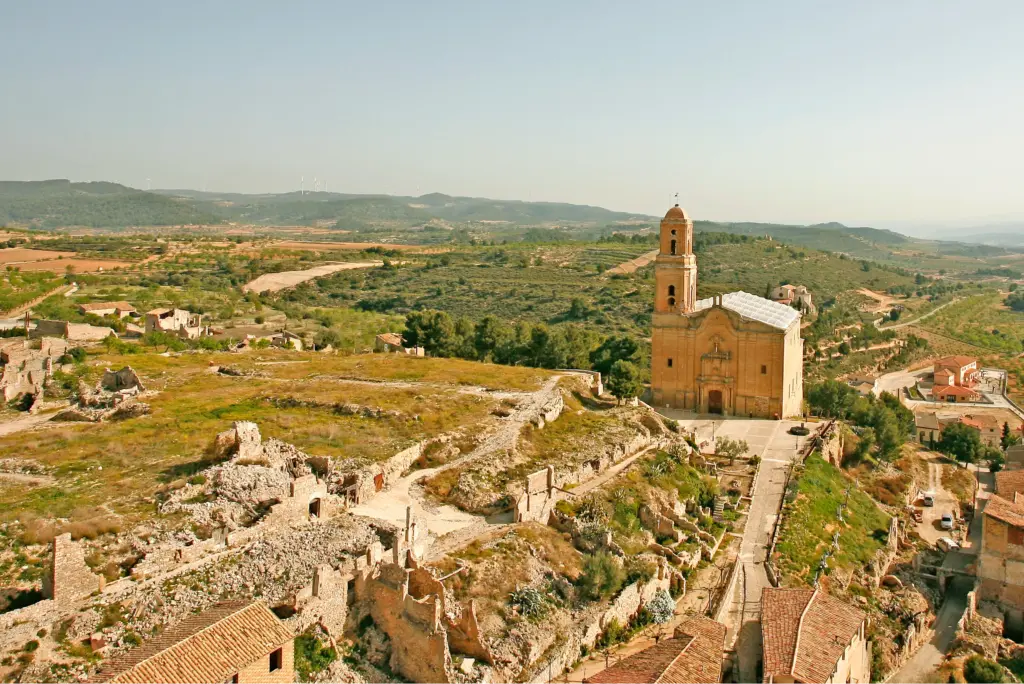
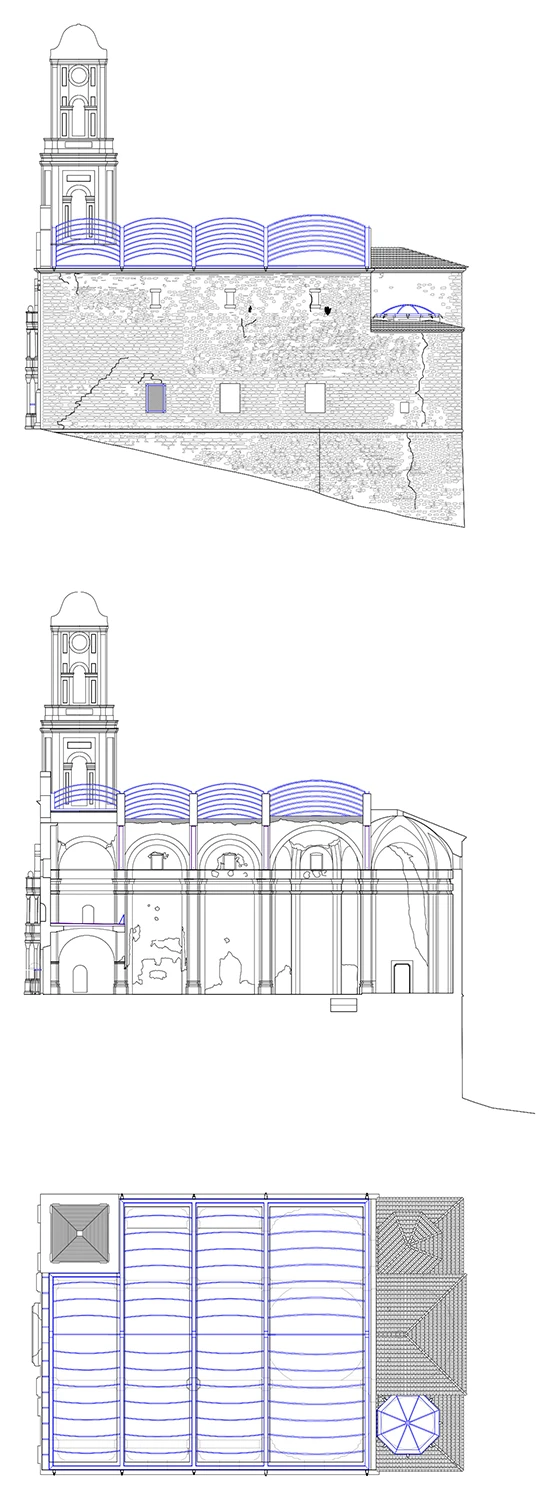
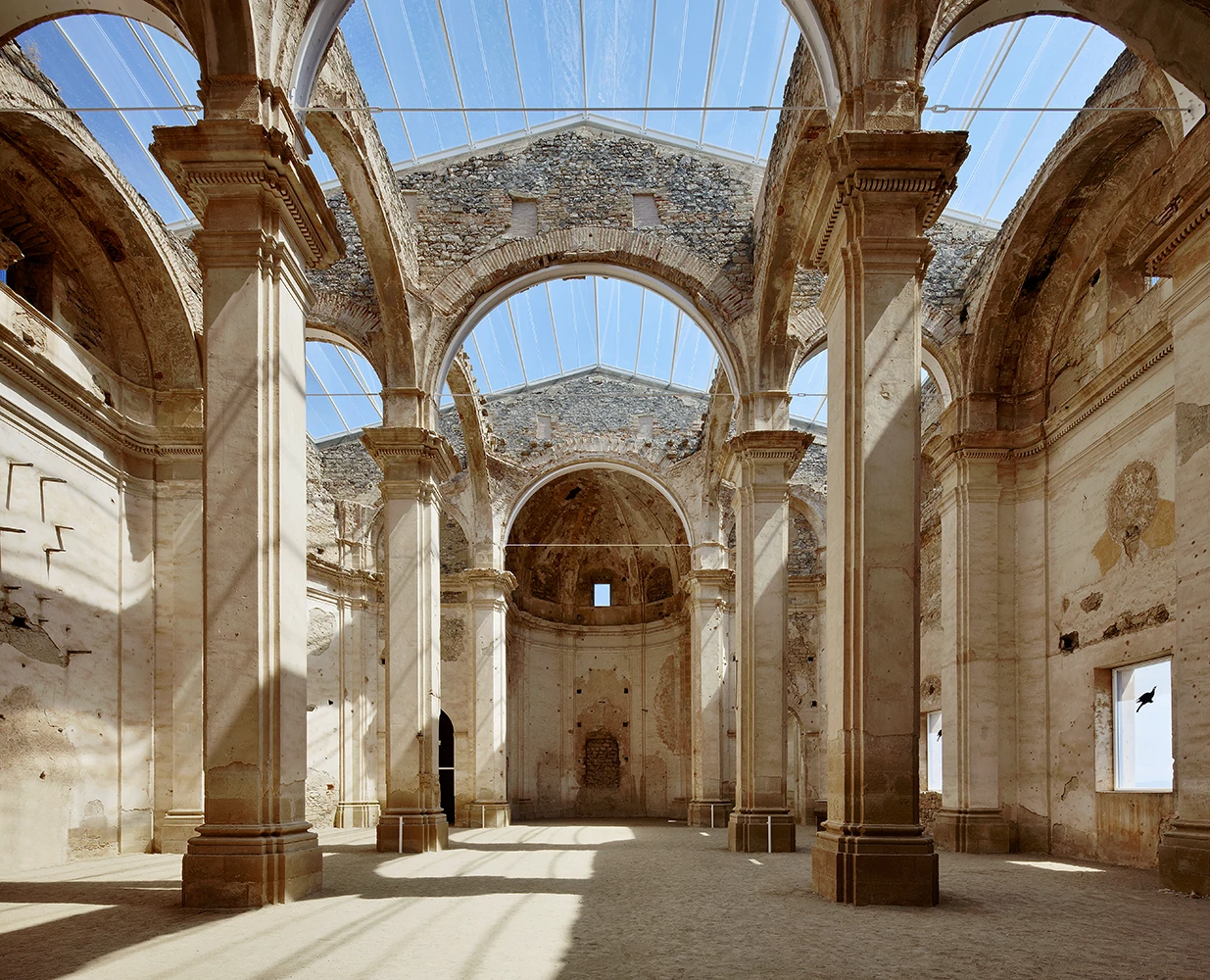
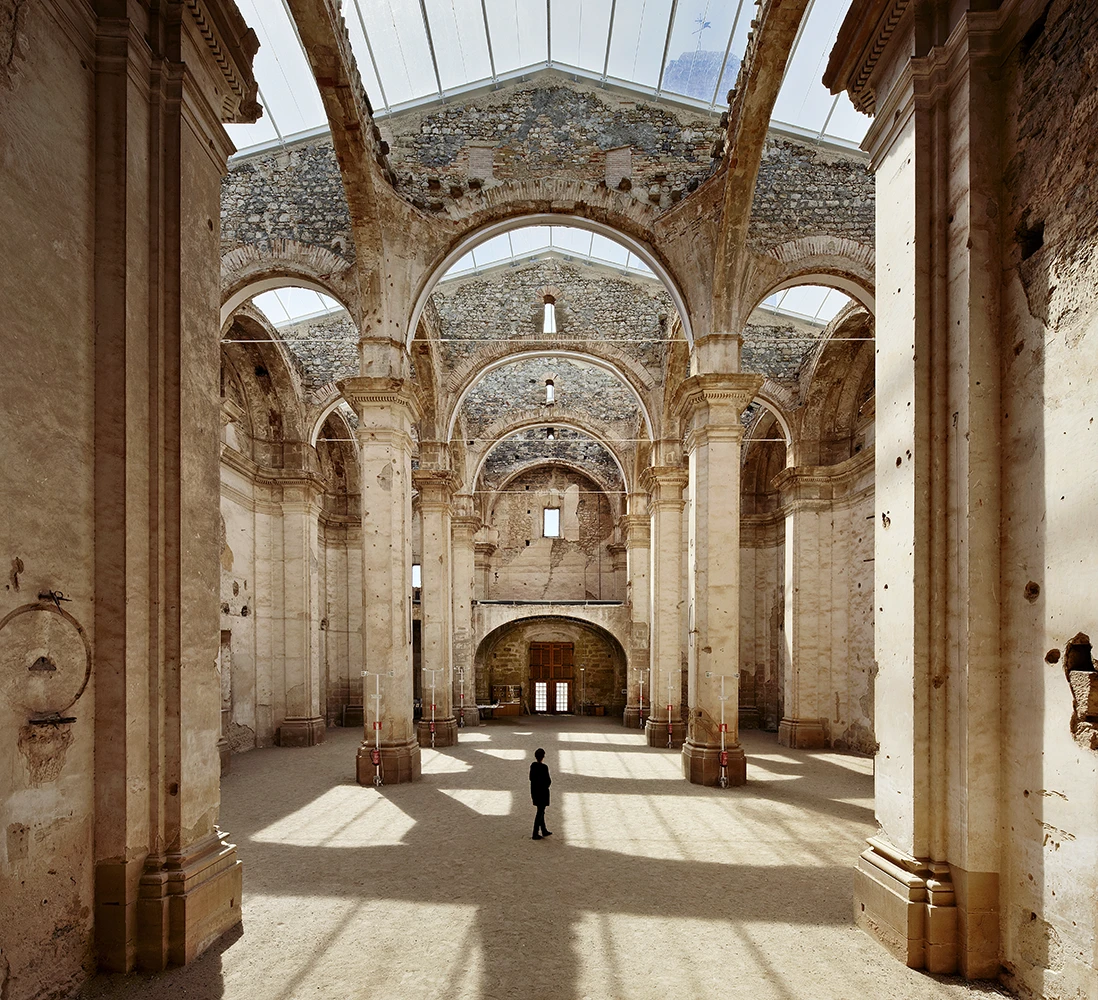
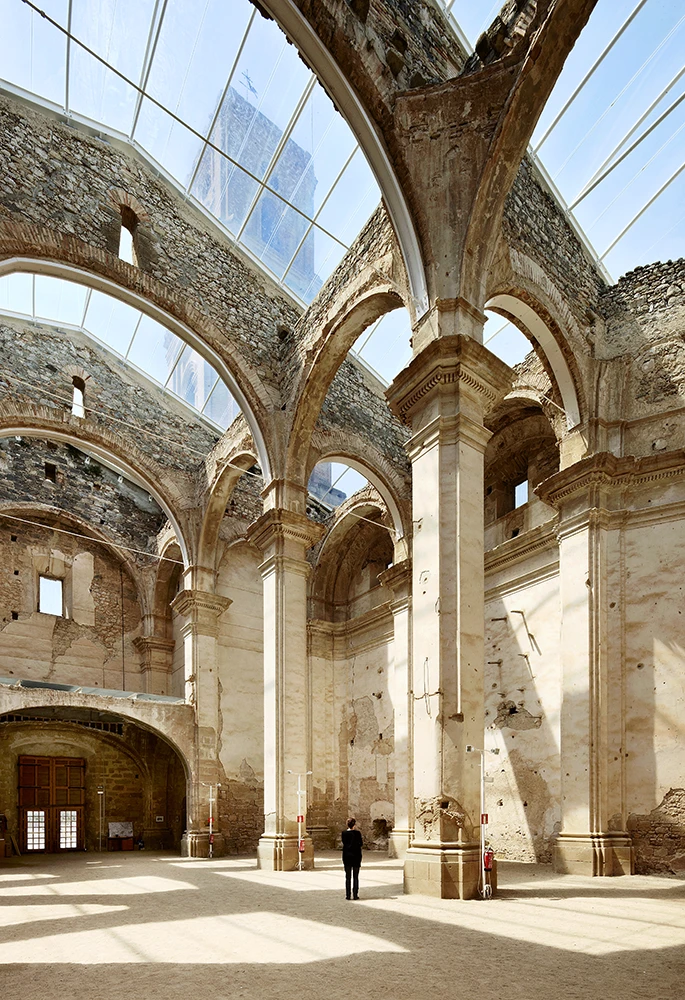
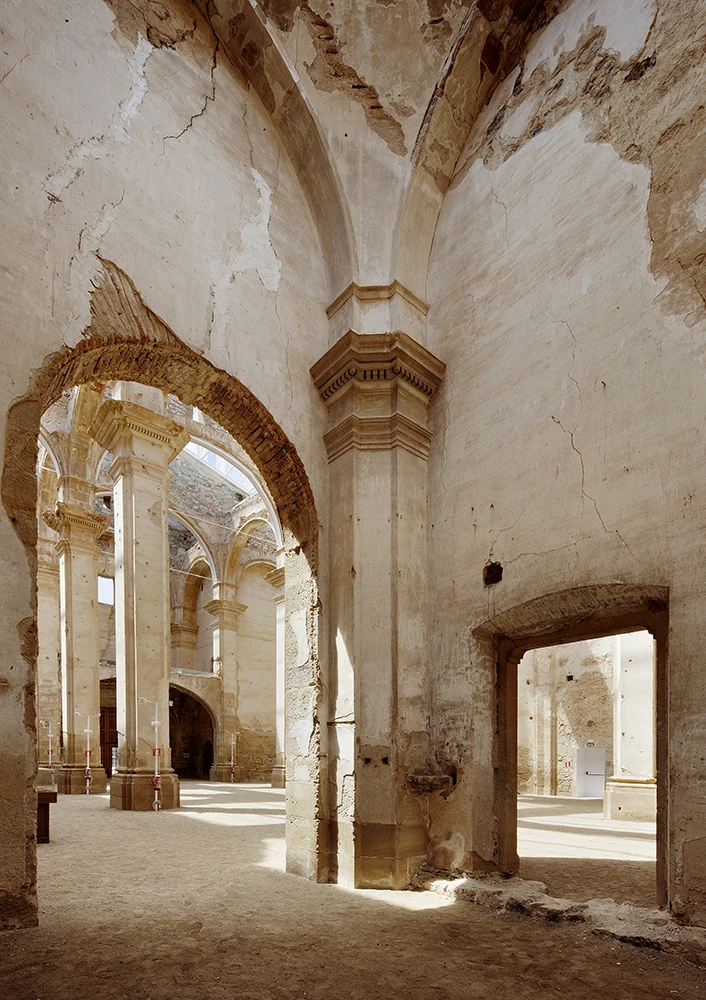
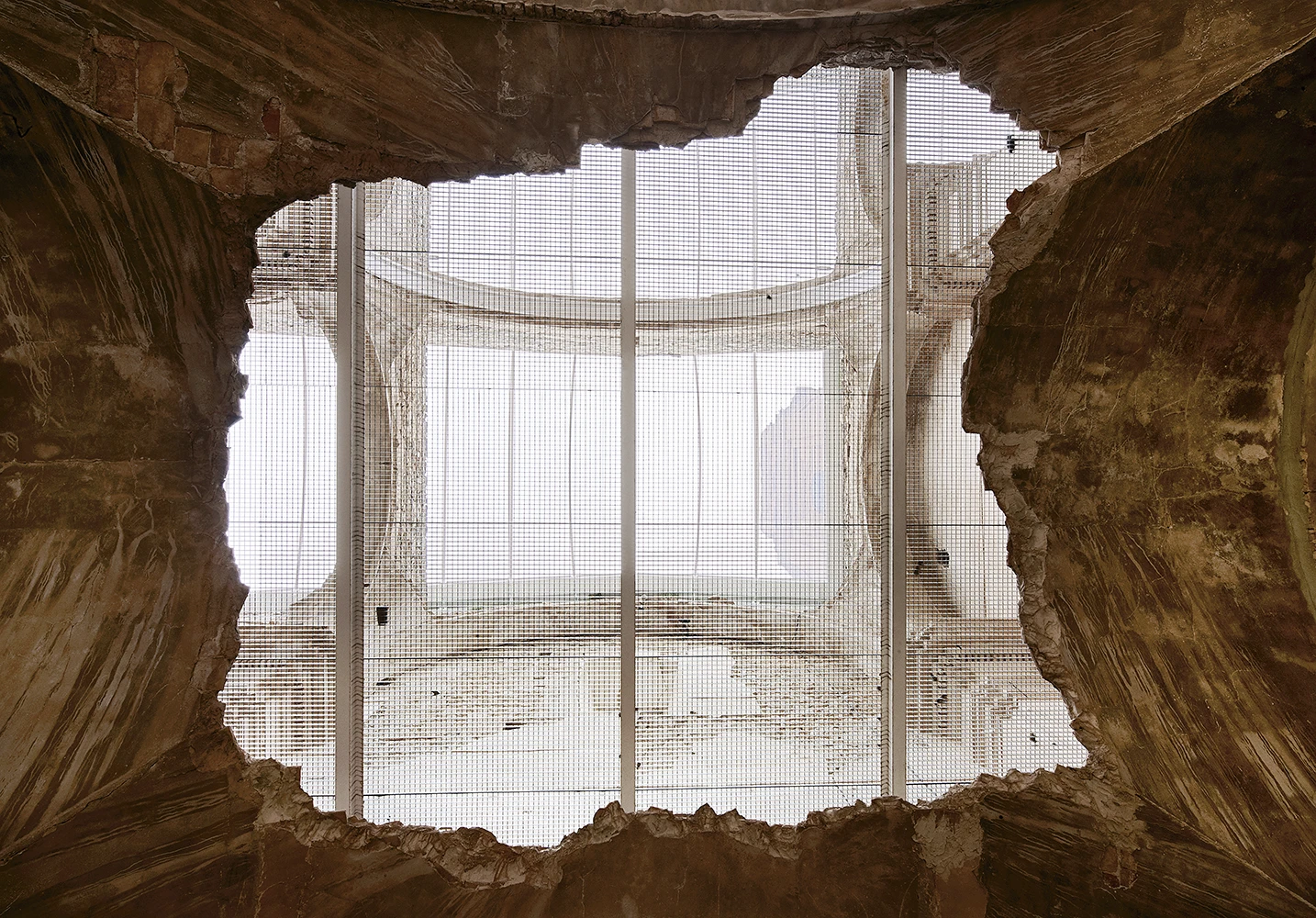
The main objective of the intervention was to restore the public use of the former temple without excessively altering its appearance, as it stands as a symbol and expression of the Battle of the Ebro. Its transformation into a large multifunctional hall had to avoid modifying the historical memory so clearly embodied by the building.

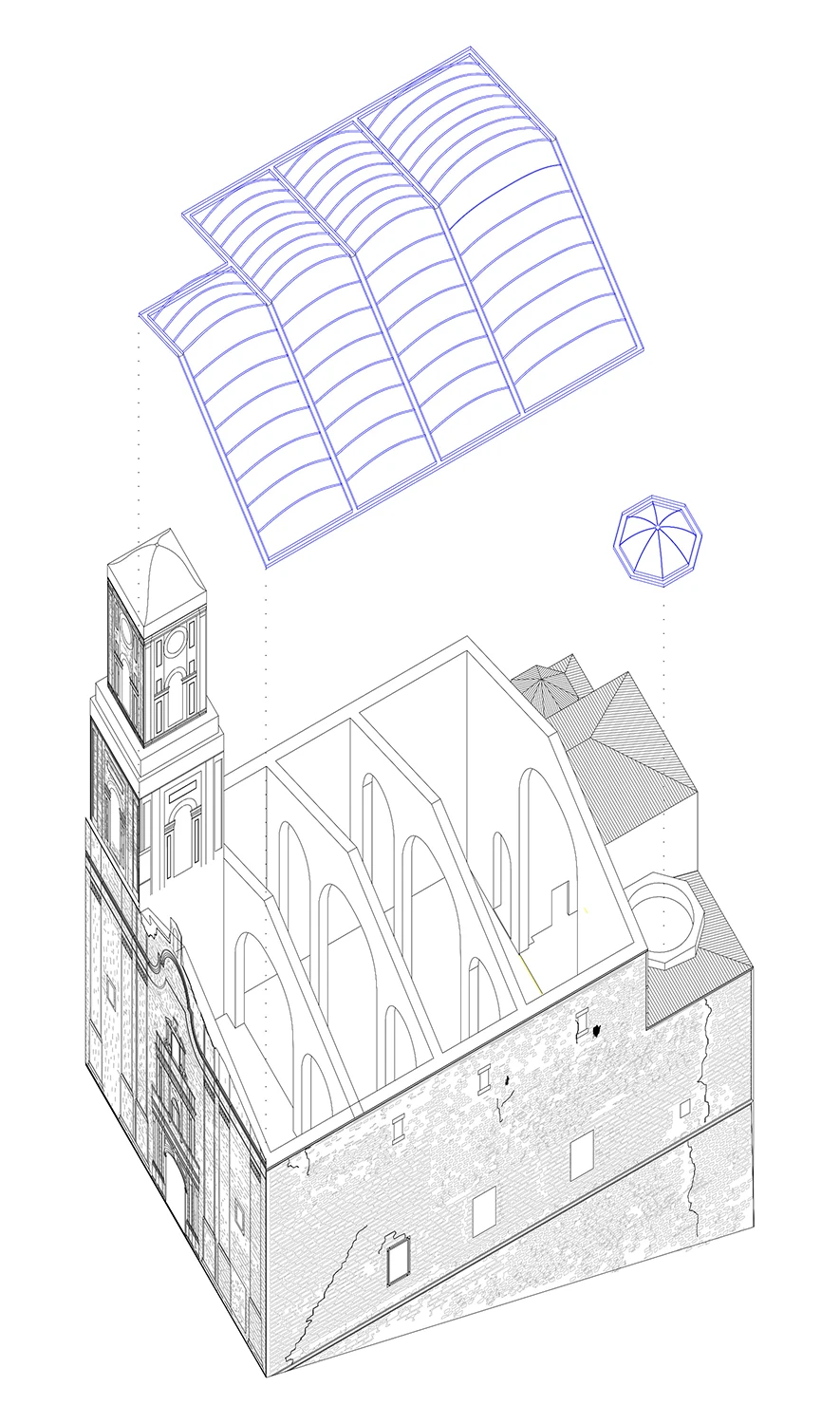
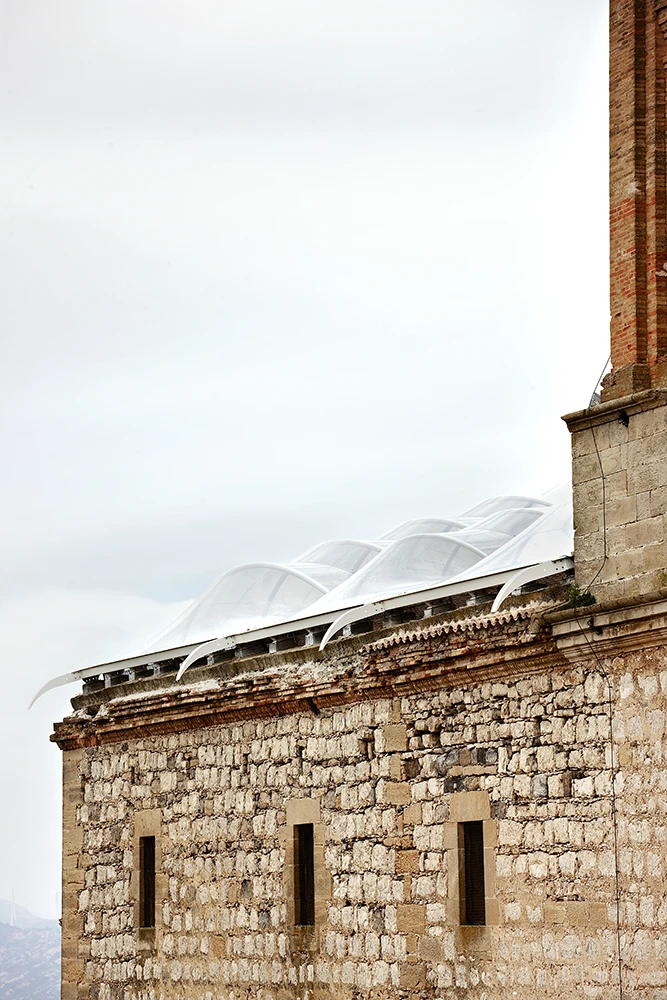
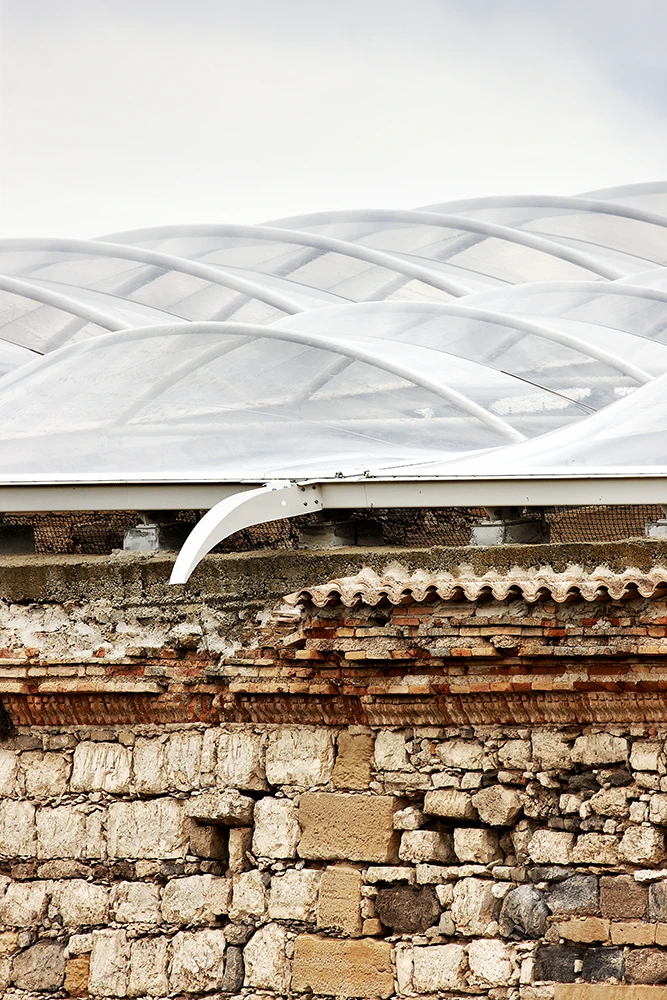
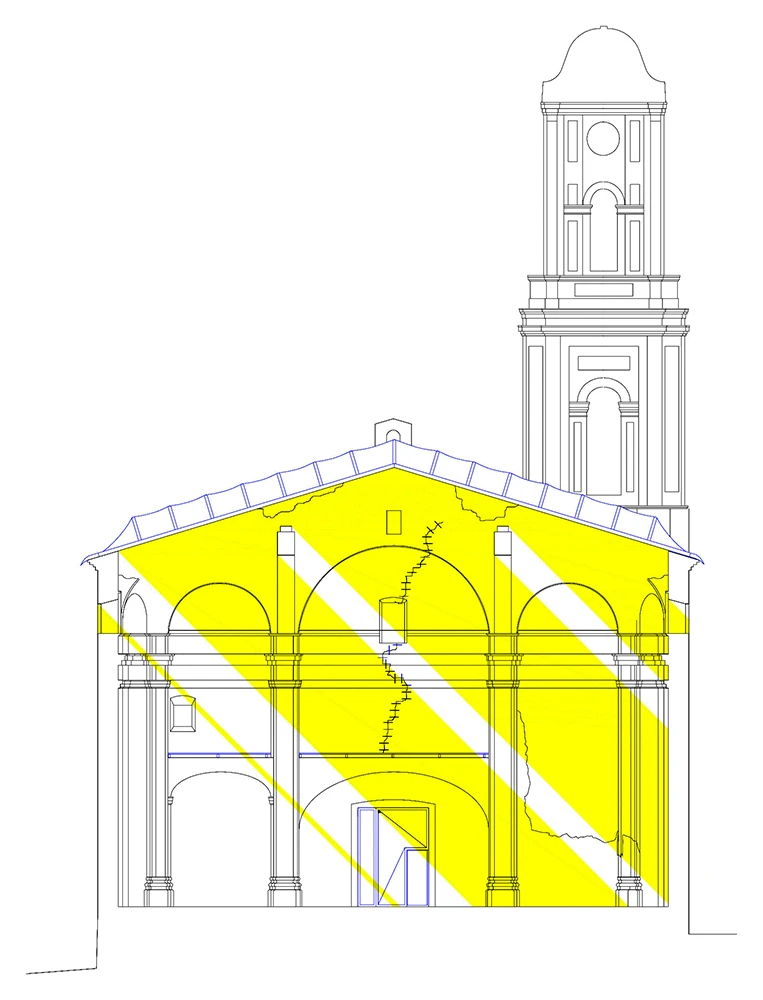
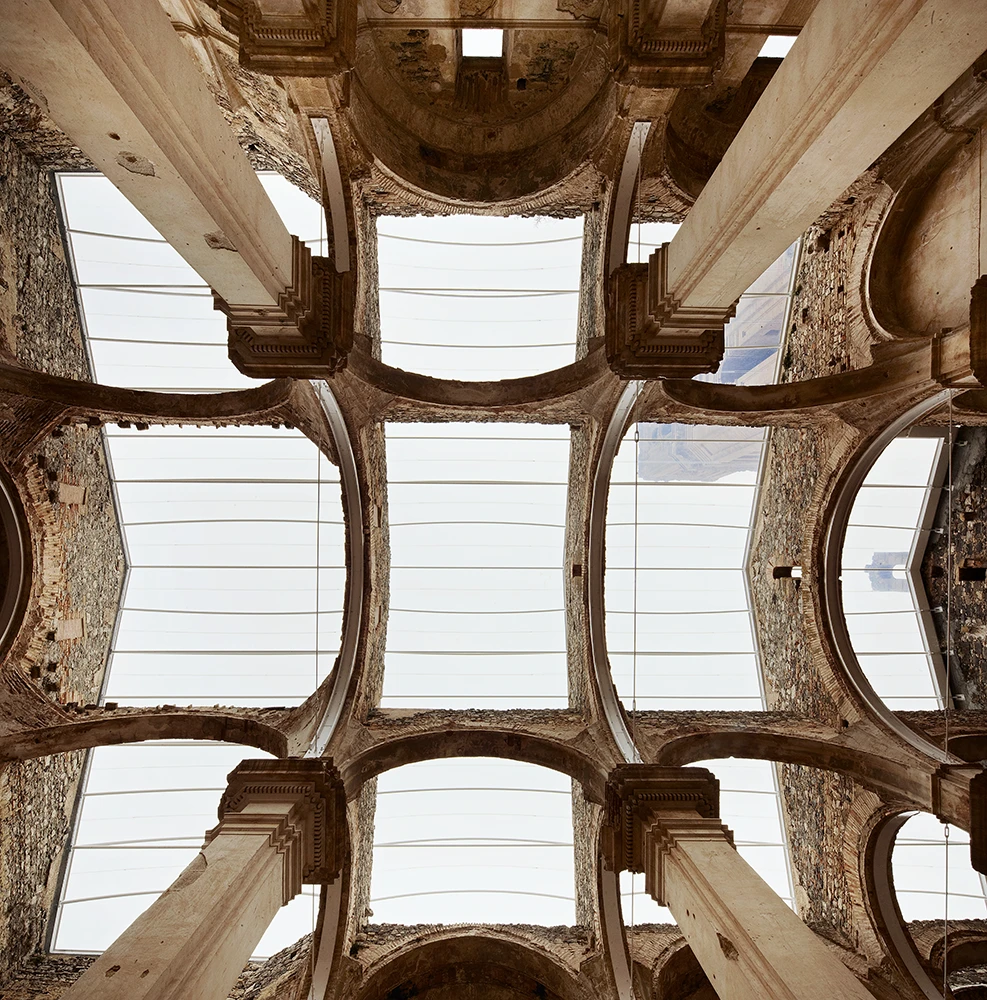
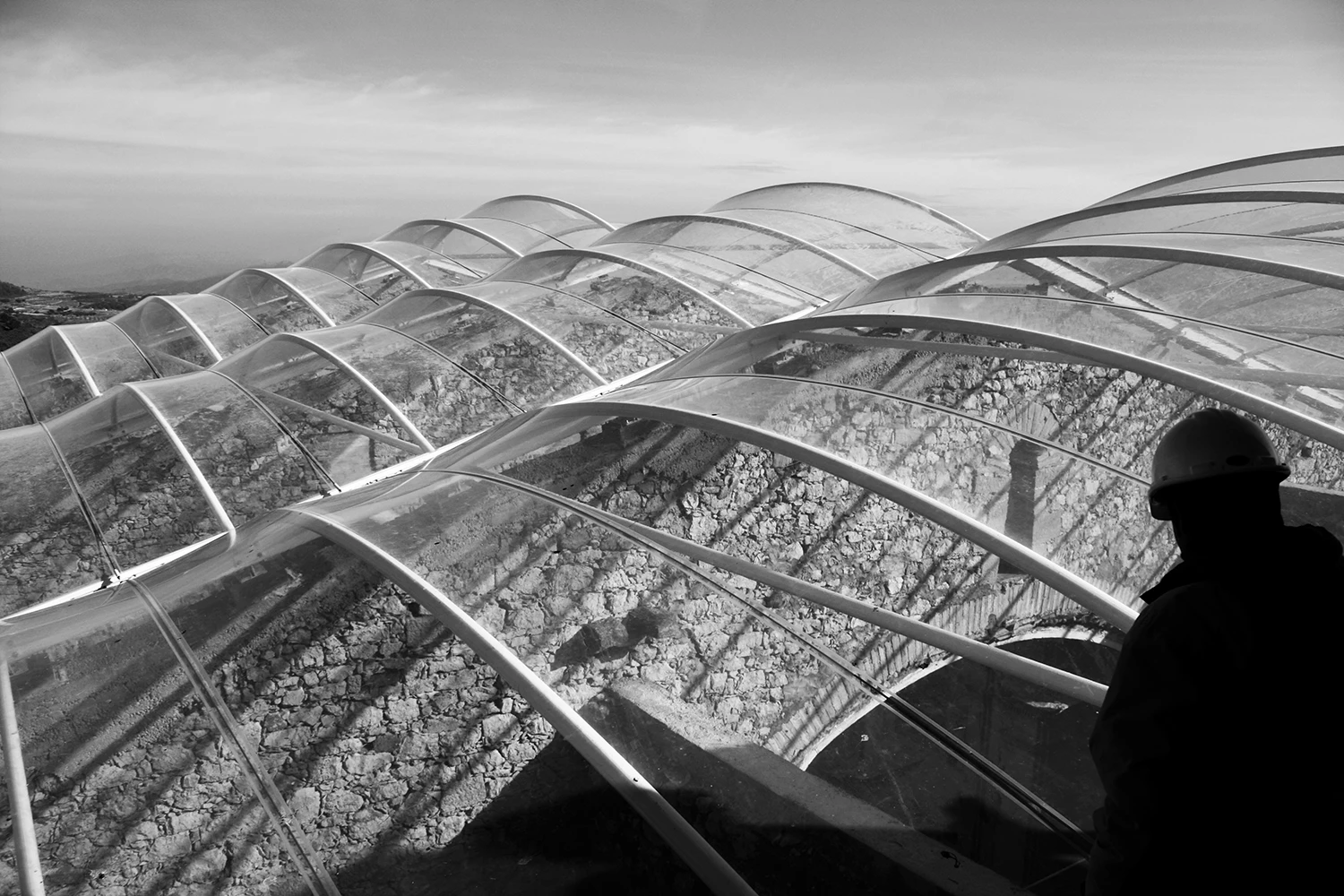
In the third phase, structural consolidation of the ruin was completed and the new ETFE roof was built. The transparent and very lightweight covering, designed not to endanger the fragile existing structures, prevents deterioration caused by weathering, ties the whole construction together, and significantly improves its habitability conditions.

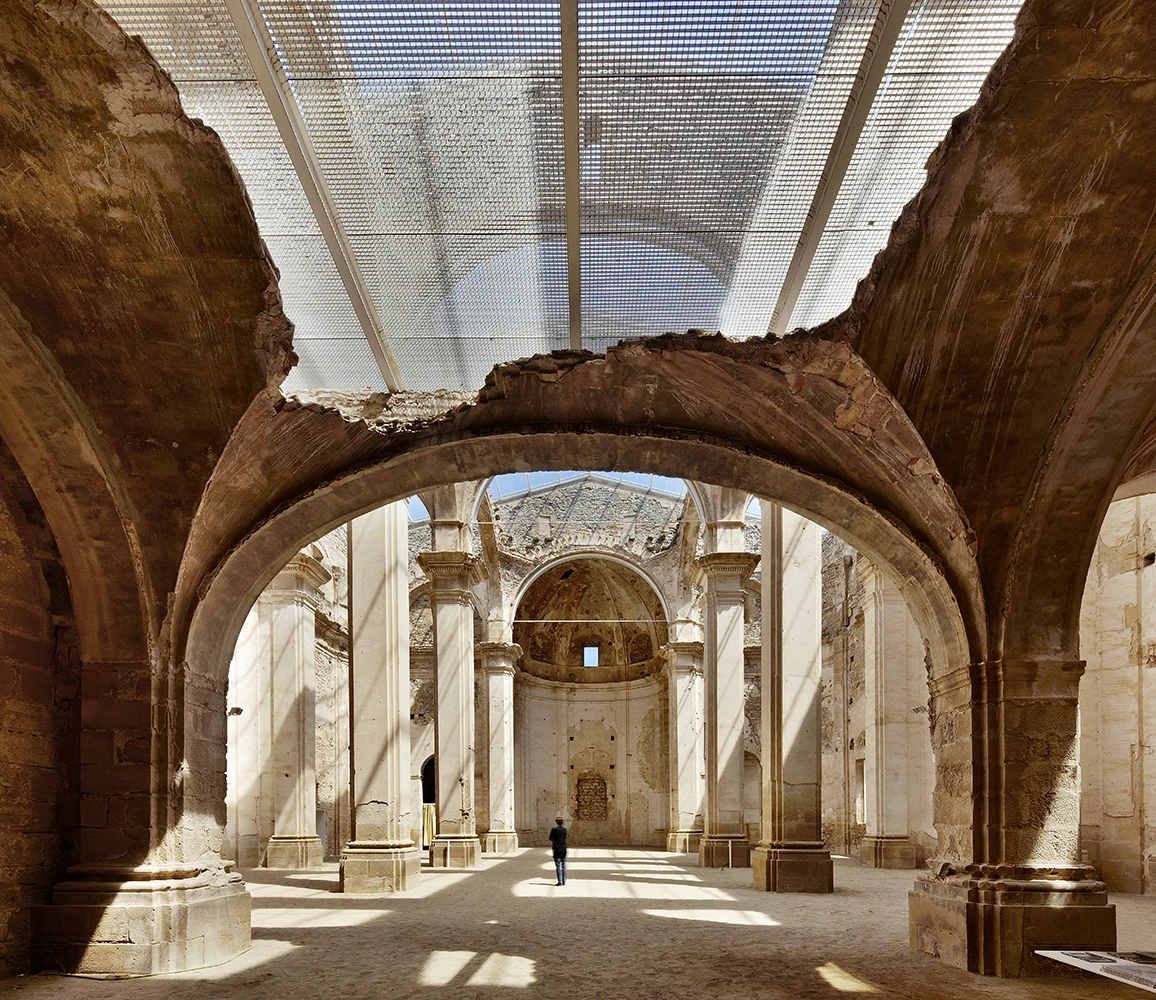
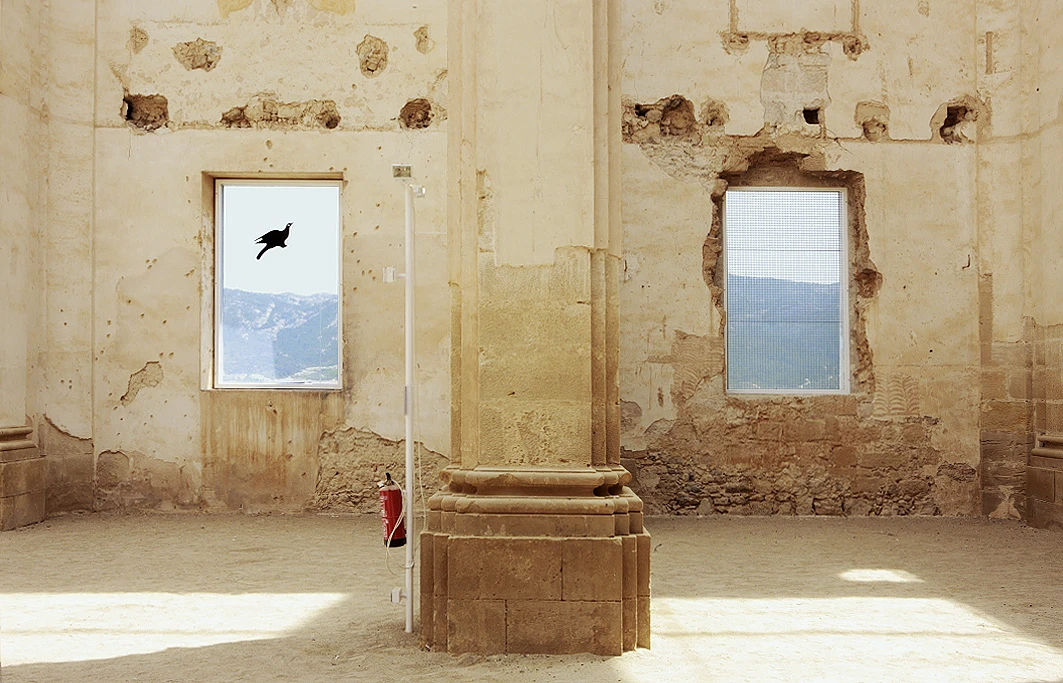
From the very beginning, one principle guided the intervention: the restoration had to preserve the subtle balance between nature and construction inherent to all ruins. Upon entering, the sensation of still being outdoors had to remain. Sun rays passing through the roof, breezes and birdsong crossing the high naves, and the sand flooring have made this possible. The result is an original, romantic setting halfway between exterior and interior.

Categoria:

Status: Built

Client:
Ajuntament de Corbera d’Ebre
INCASOL, Government of Catalonia (phases 1 and 2)
Ministry of Public Works (phase 3)

Location: Corbera d’Ebre, Terra Alta, Tarragona

Dates (start and completion): 1999–2011

Area: 1,050 m²

Budget (PEM): €831,500

Awards:
First prize in ideas competition for young architects
First “Qualitat Ebrenca” Award, Rehabilitation 2011

Co-authors:
David Garcia, architect (phase 1)
Núria Bordas and Jordi Garriga, architects

Structure: Jaume Saló, IASO SA

Quantity surveyors:
Teresa Arnal (phases 1 and 2)
Ernest Valls (phase 3)

Construction companies:
Construccions Jaén Vallés SL (phase 1)
Trac Rehabilitació SL (phase 2)
Becsa SA and IASO SA (phase 3)

Collaborators:
Mónica Company and Giovanni Bautista, architects (competition)
Xosé Domínguez, architect (phase 3)

Images: José Hevia

Quatre Porxos House

Quatre Porxos House

Casa Quatre Porxos

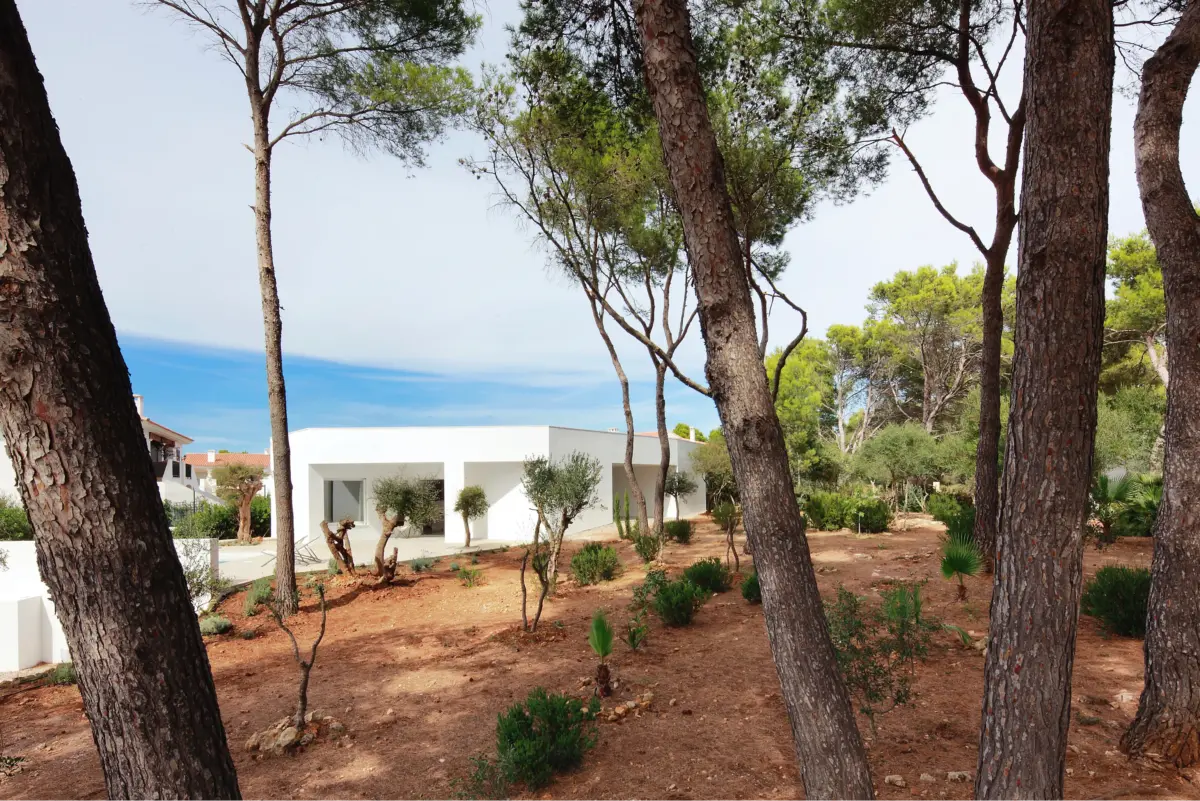
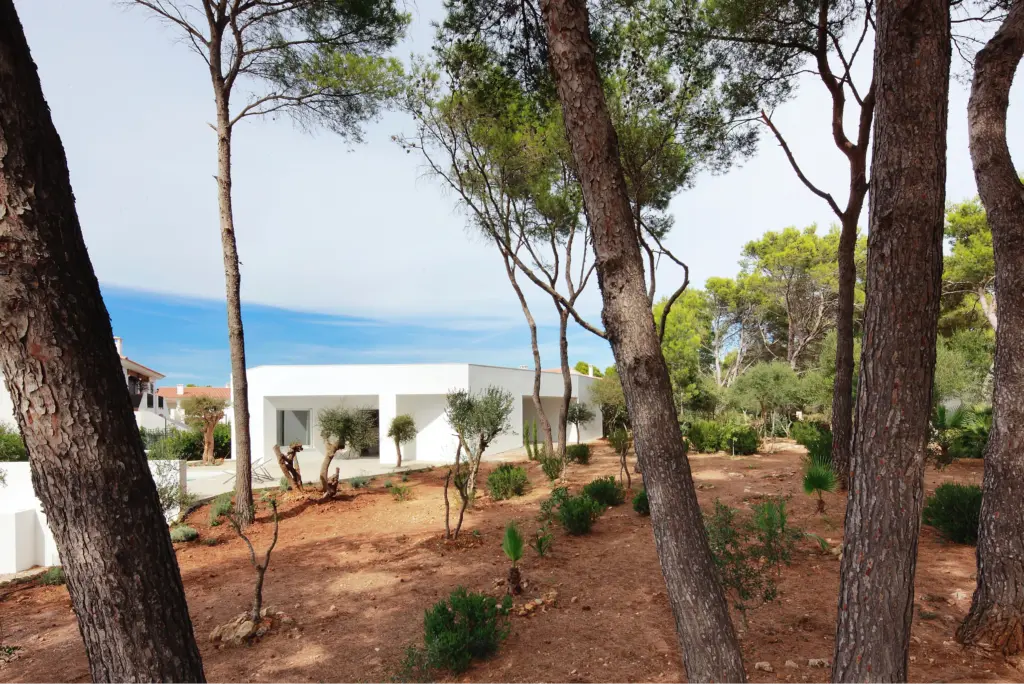
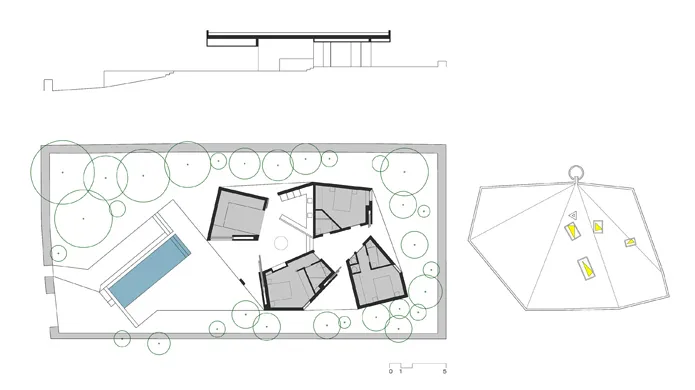
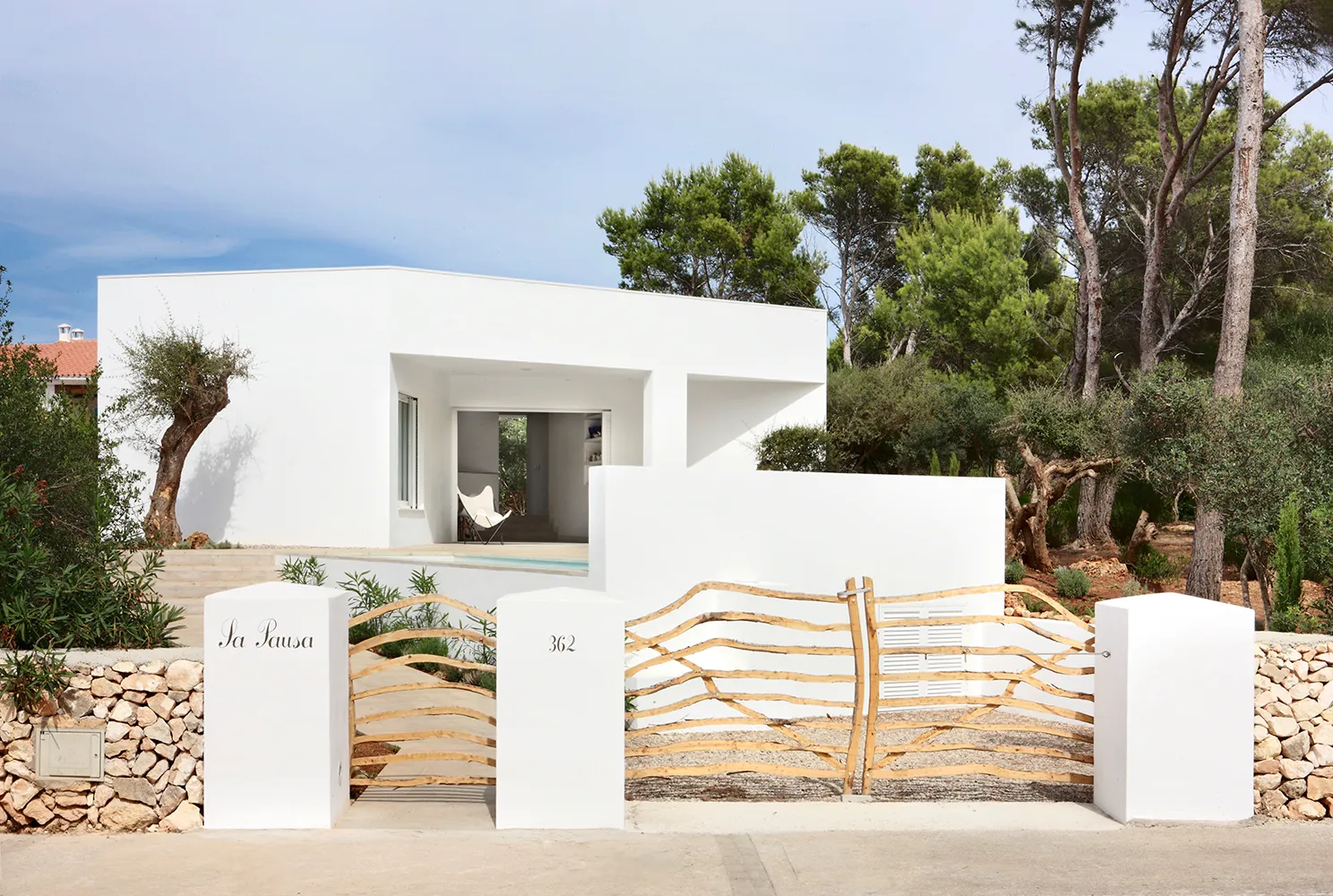
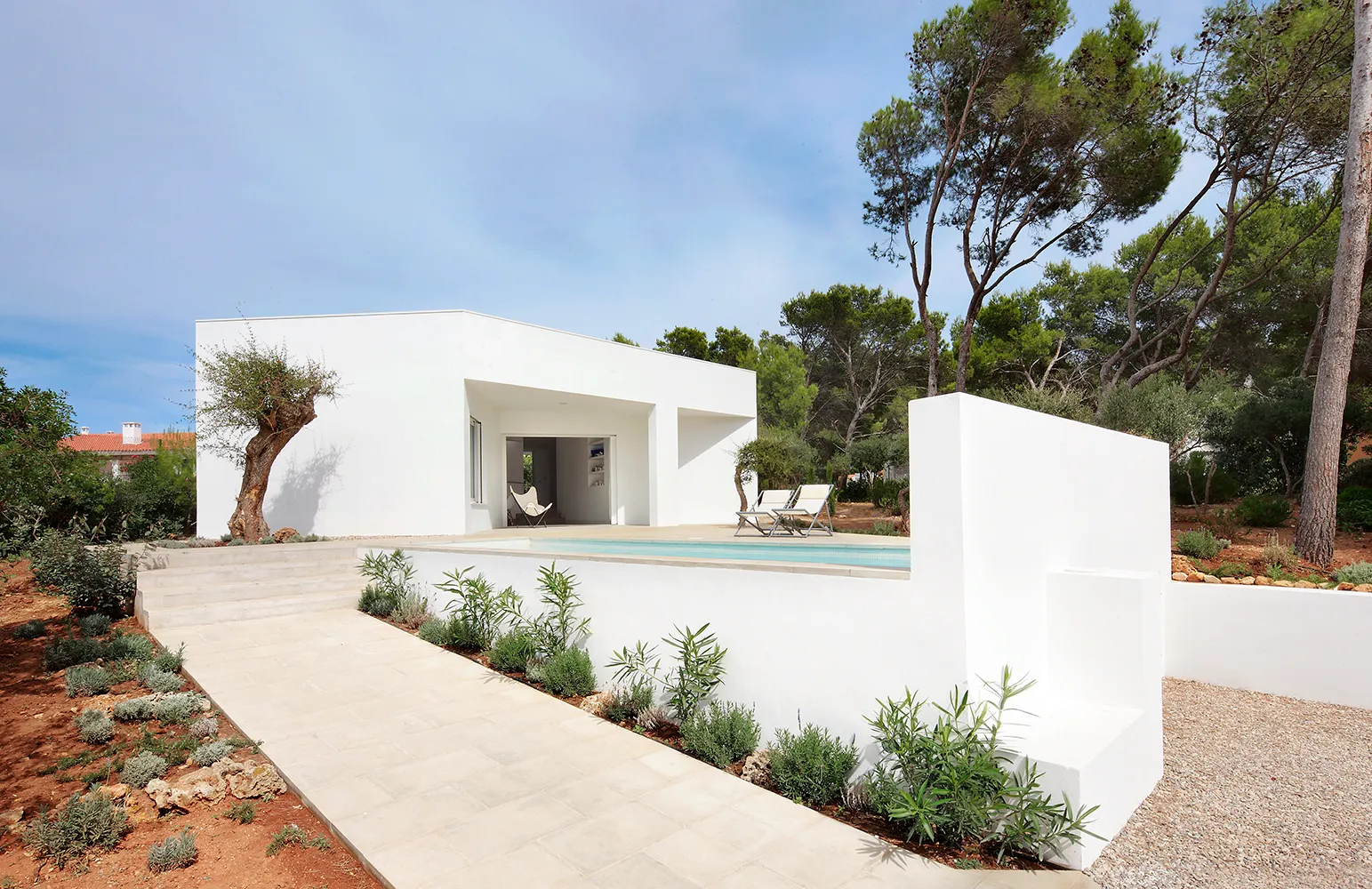
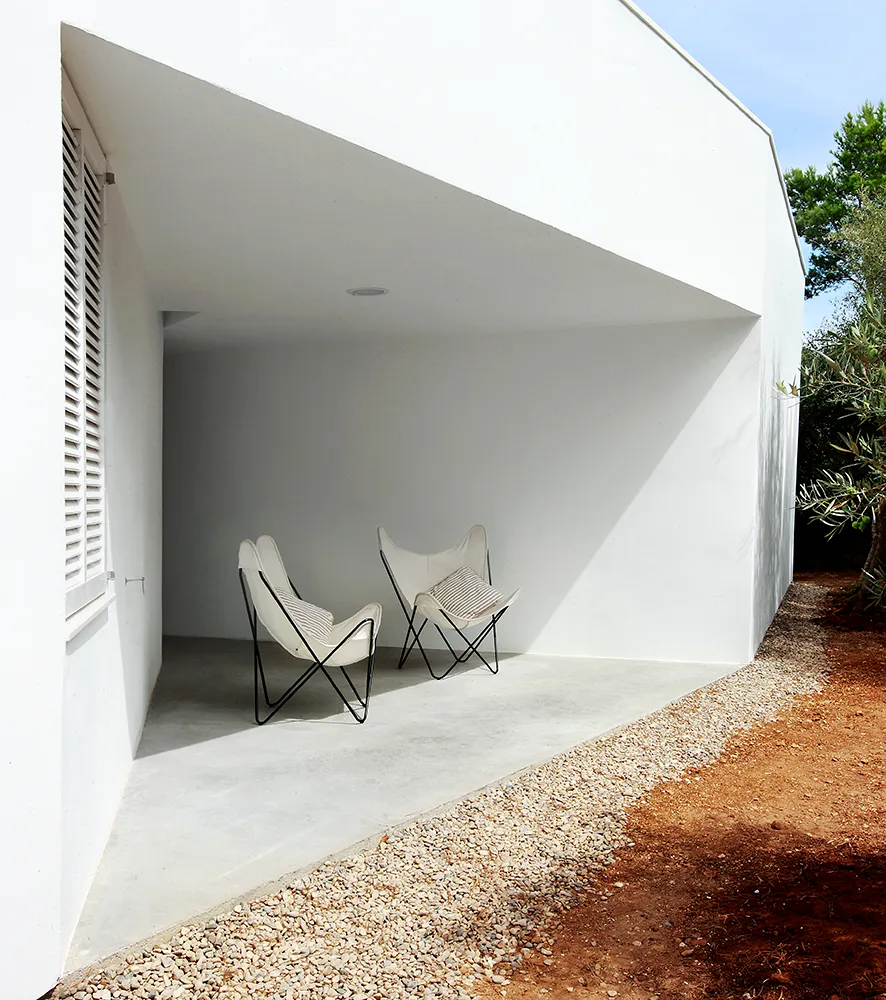
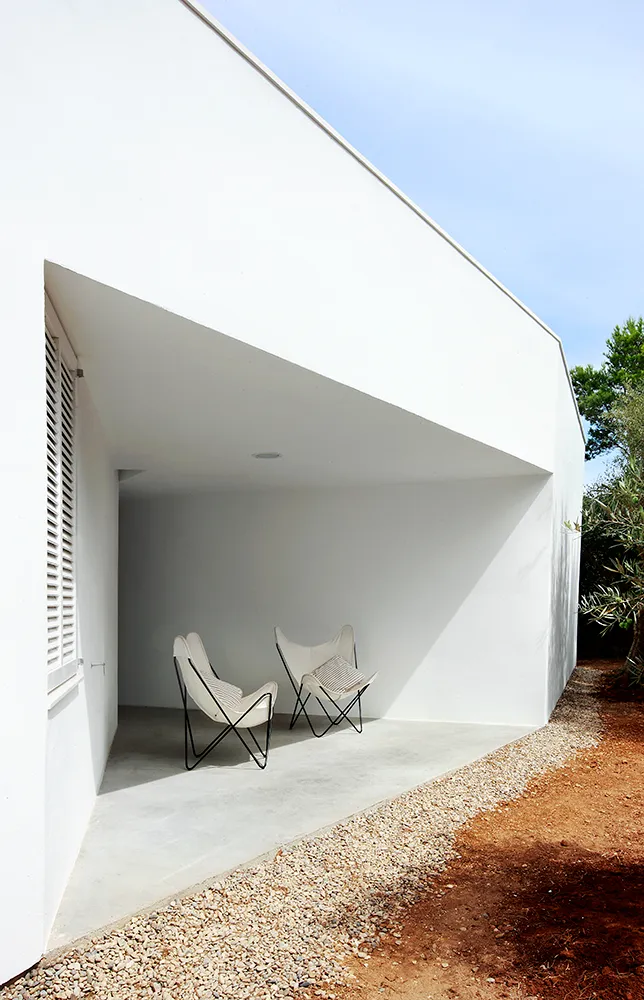
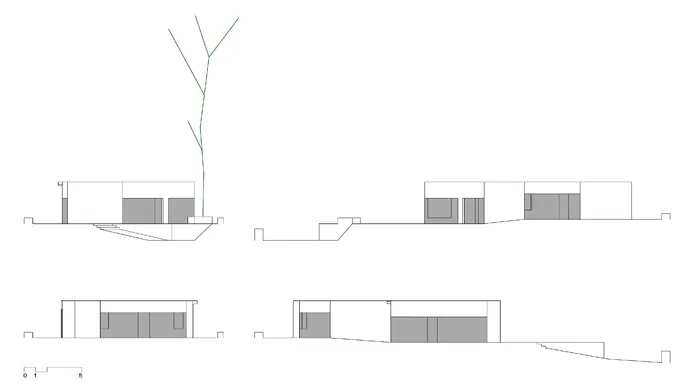
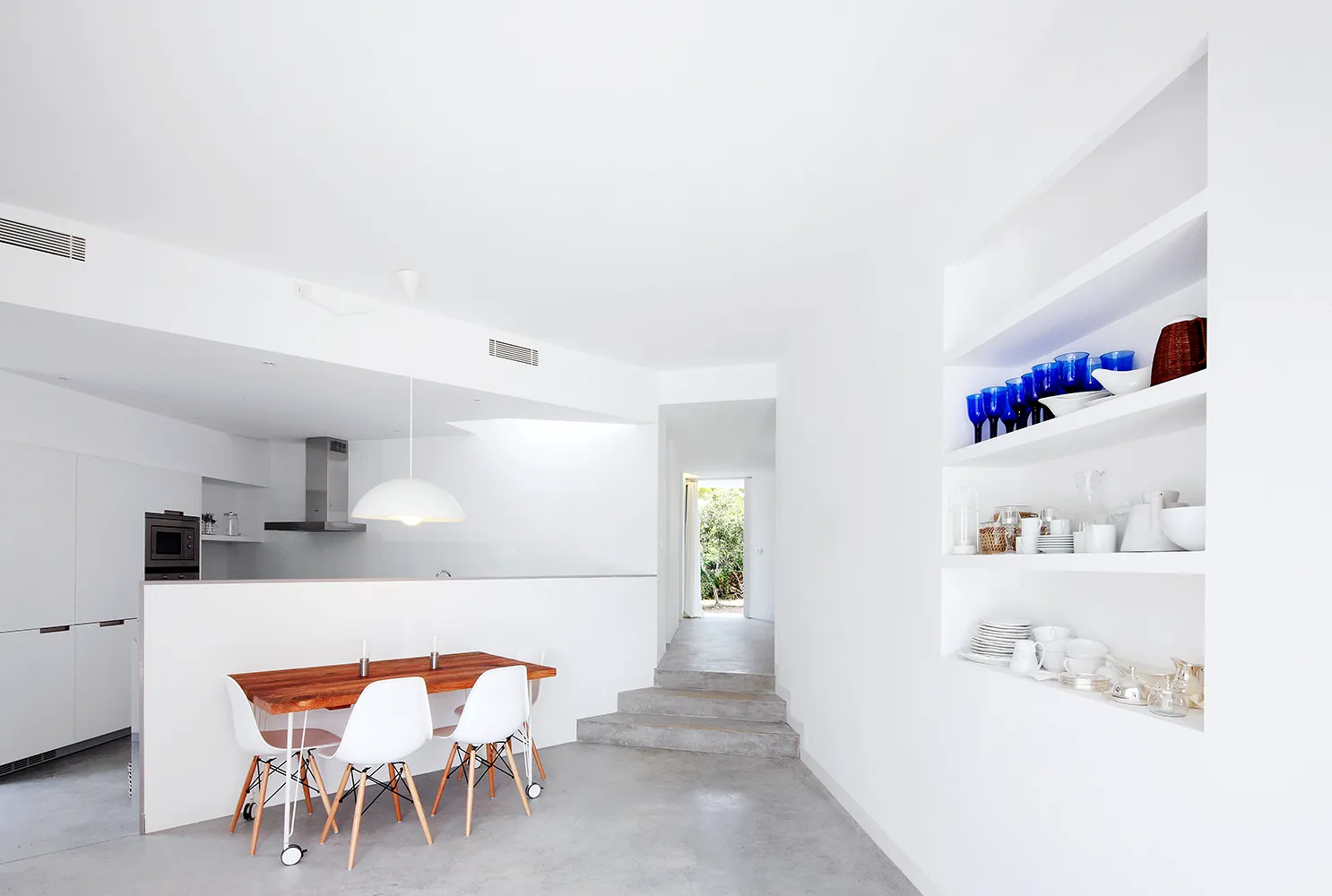
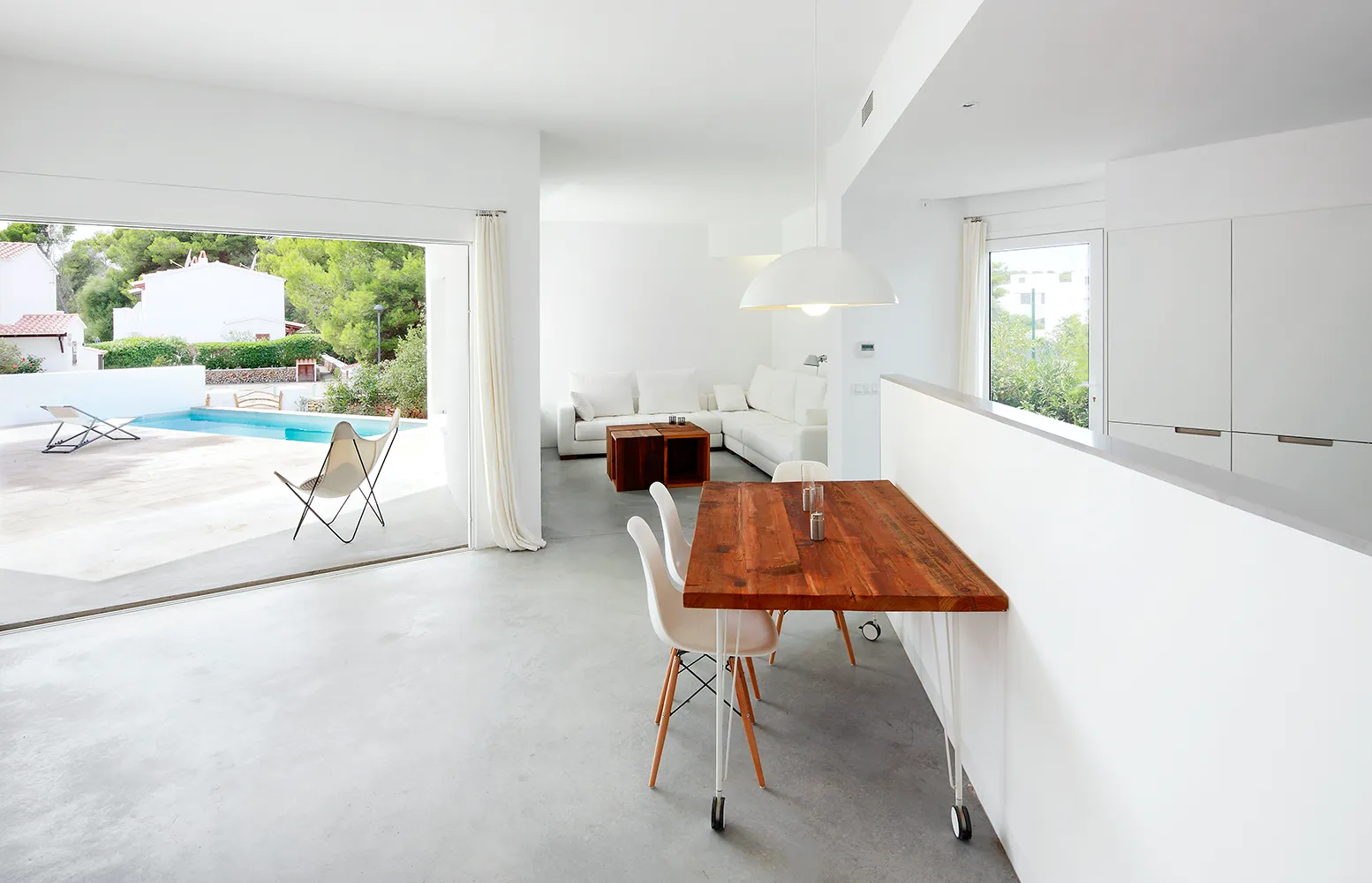
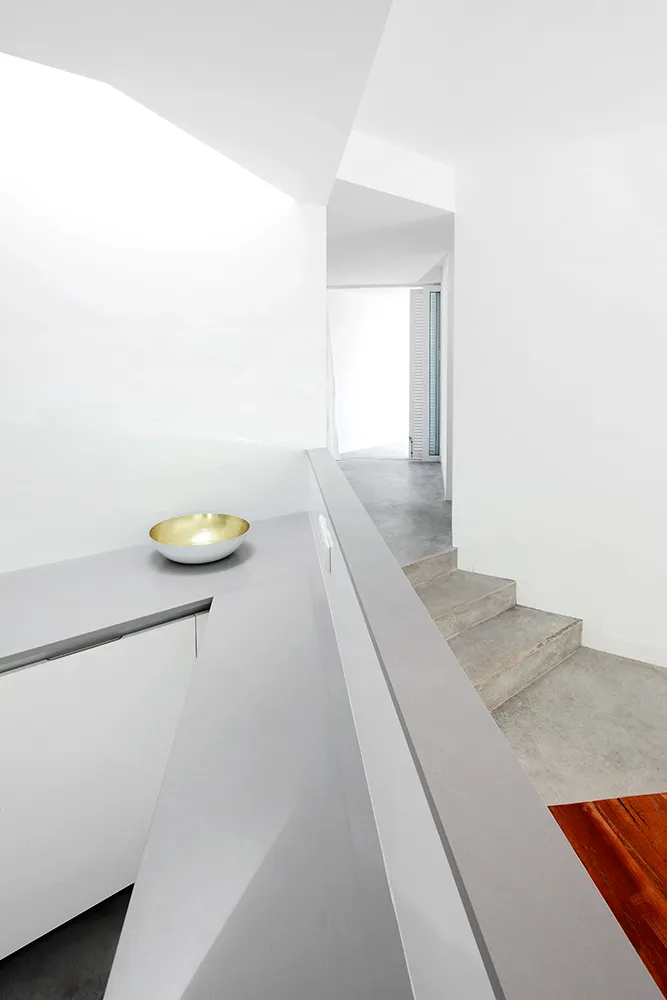
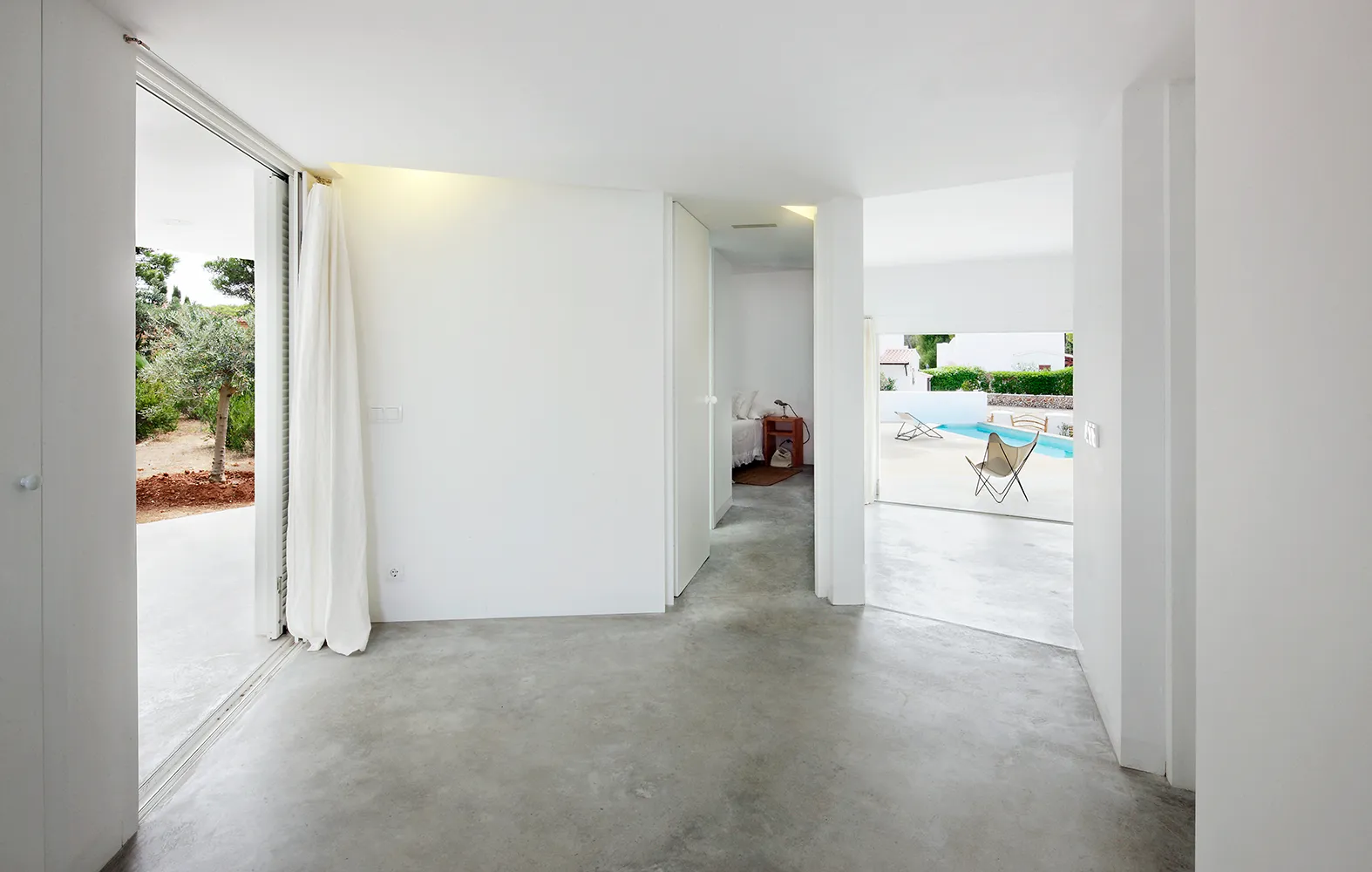
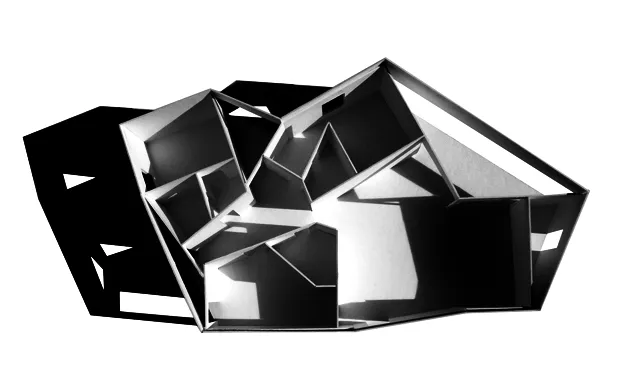
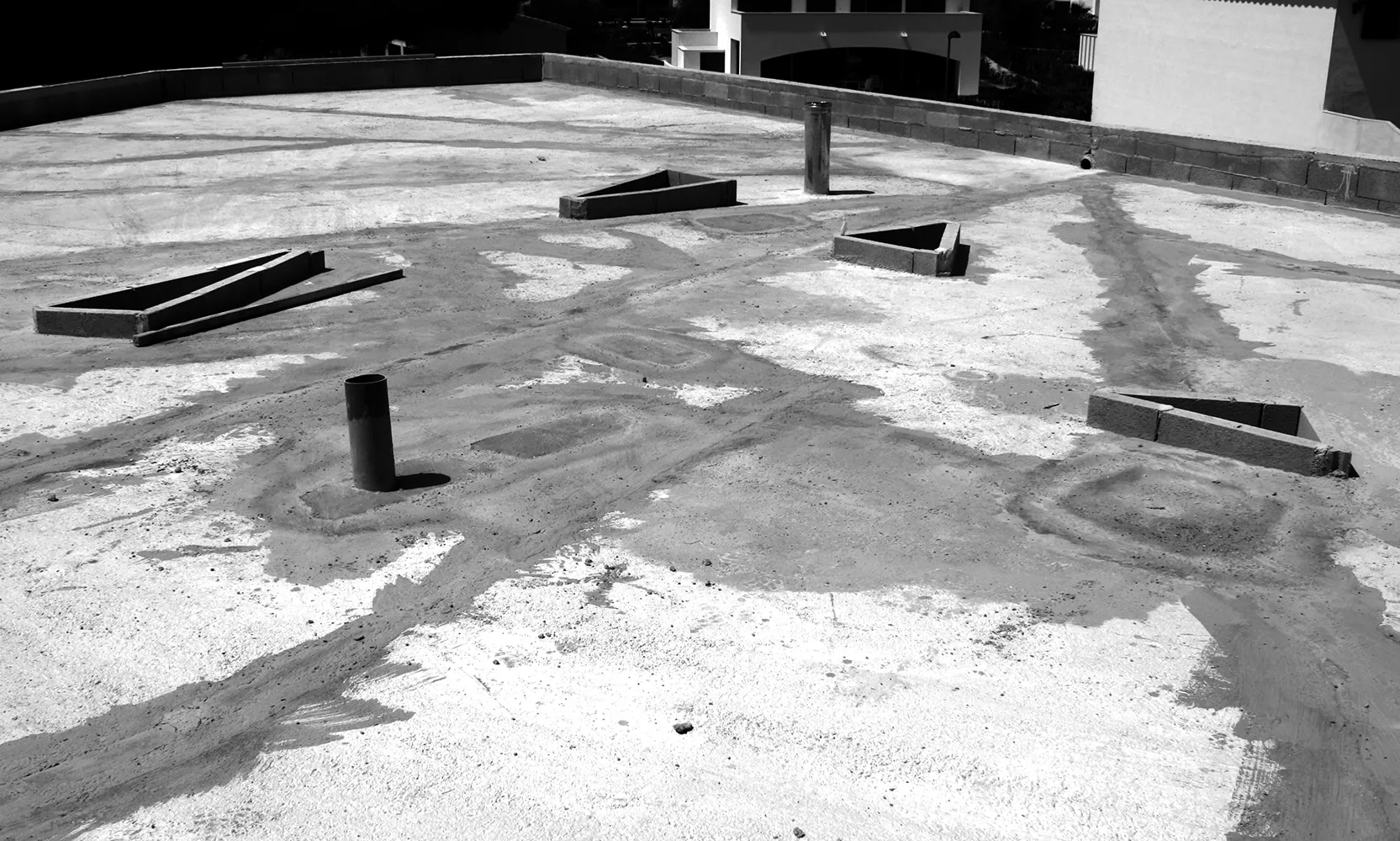
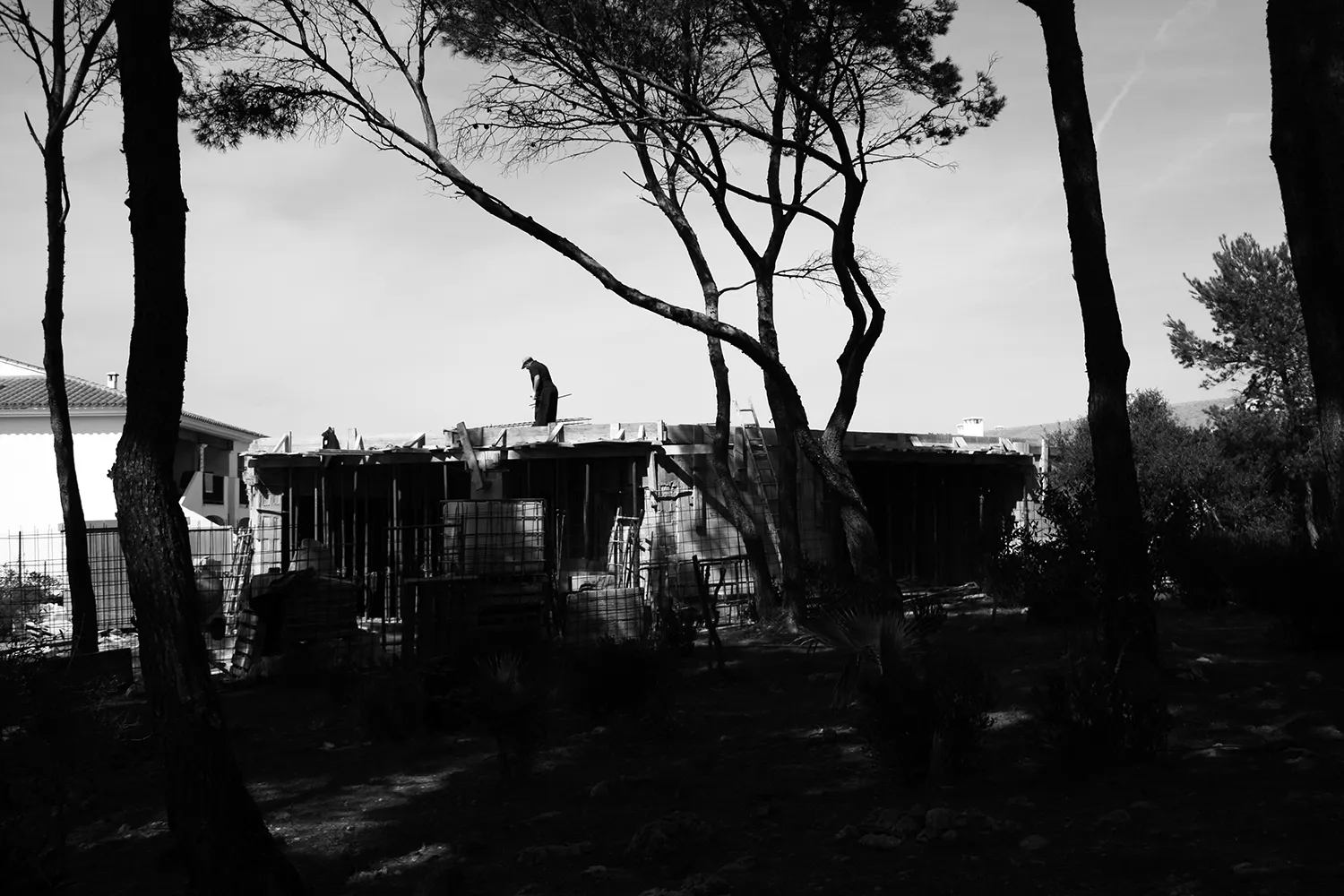
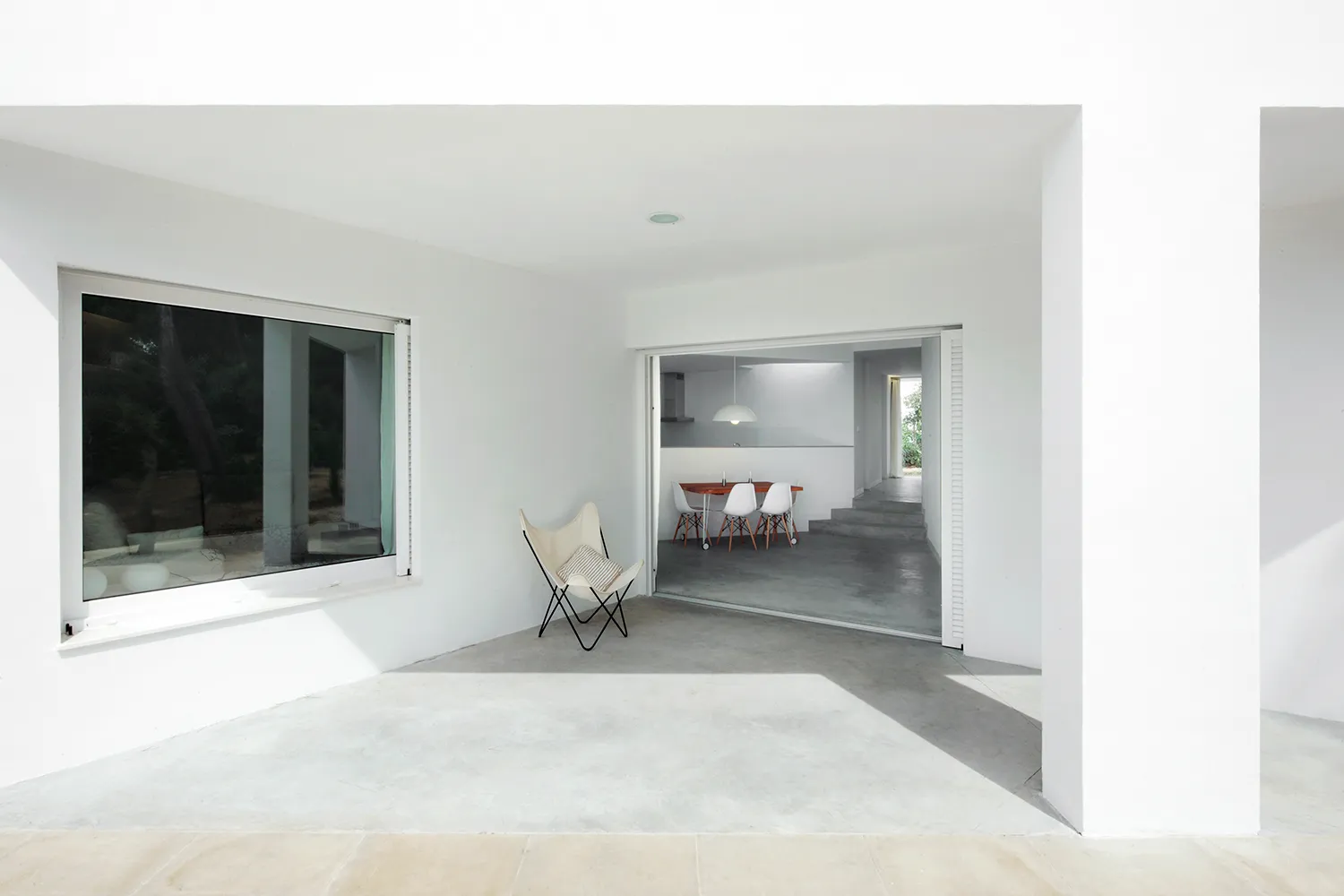
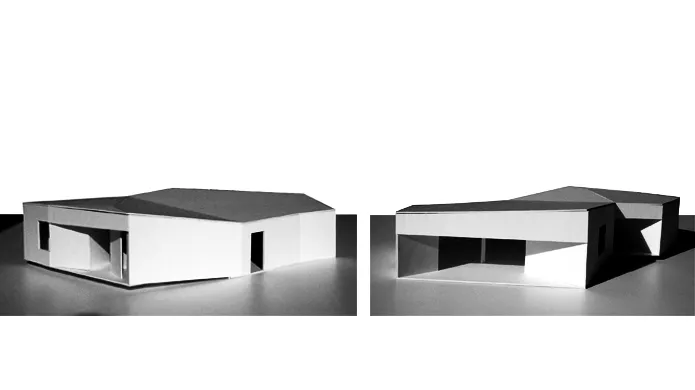
Quatre Porxos House aspires to recreate the atmosphere of Menorca’s traditional “cases de lloc”: a protective space generated through subtraction, chiselled. However, its simple and solid exterior hides a complex, luminous interior.

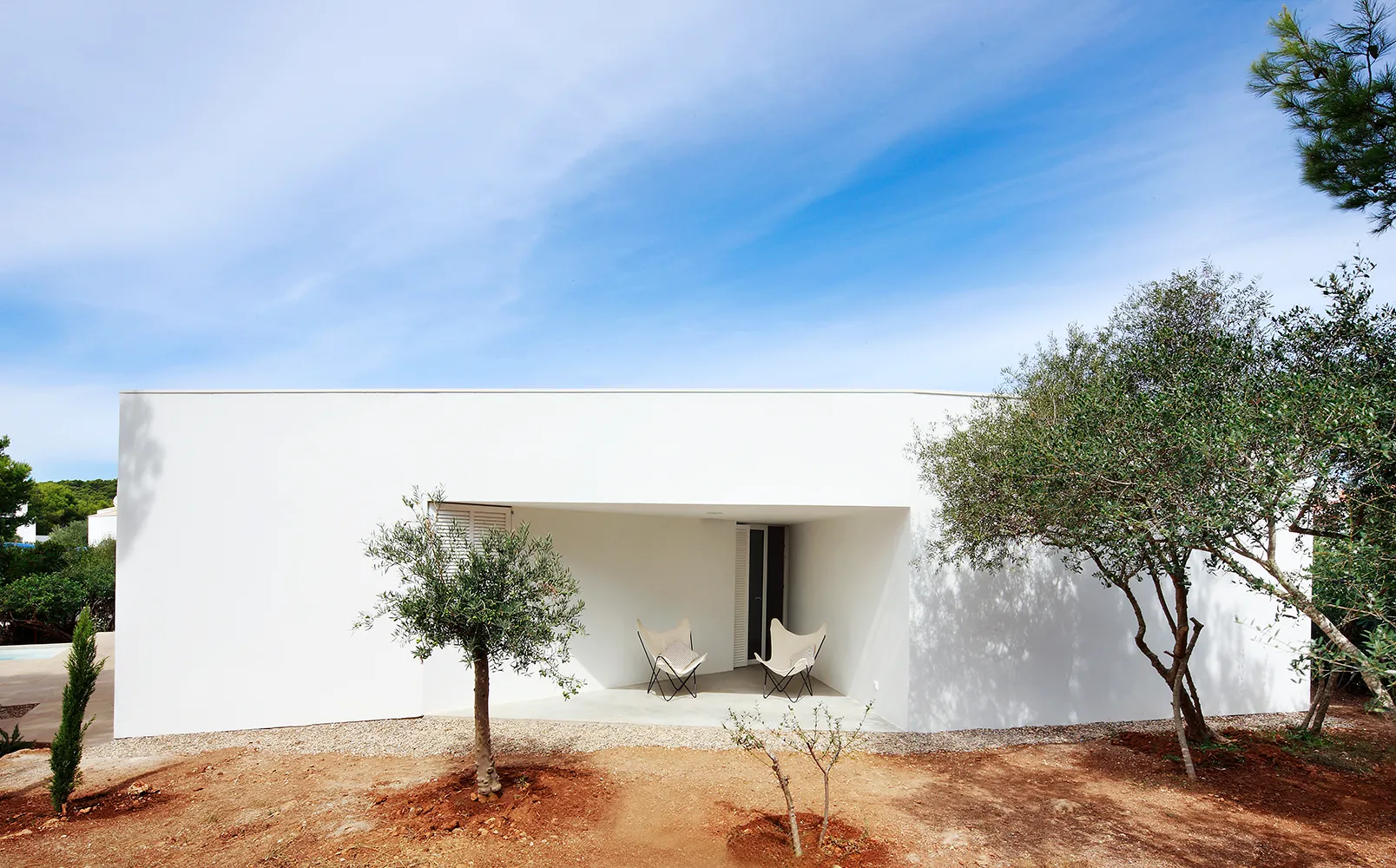
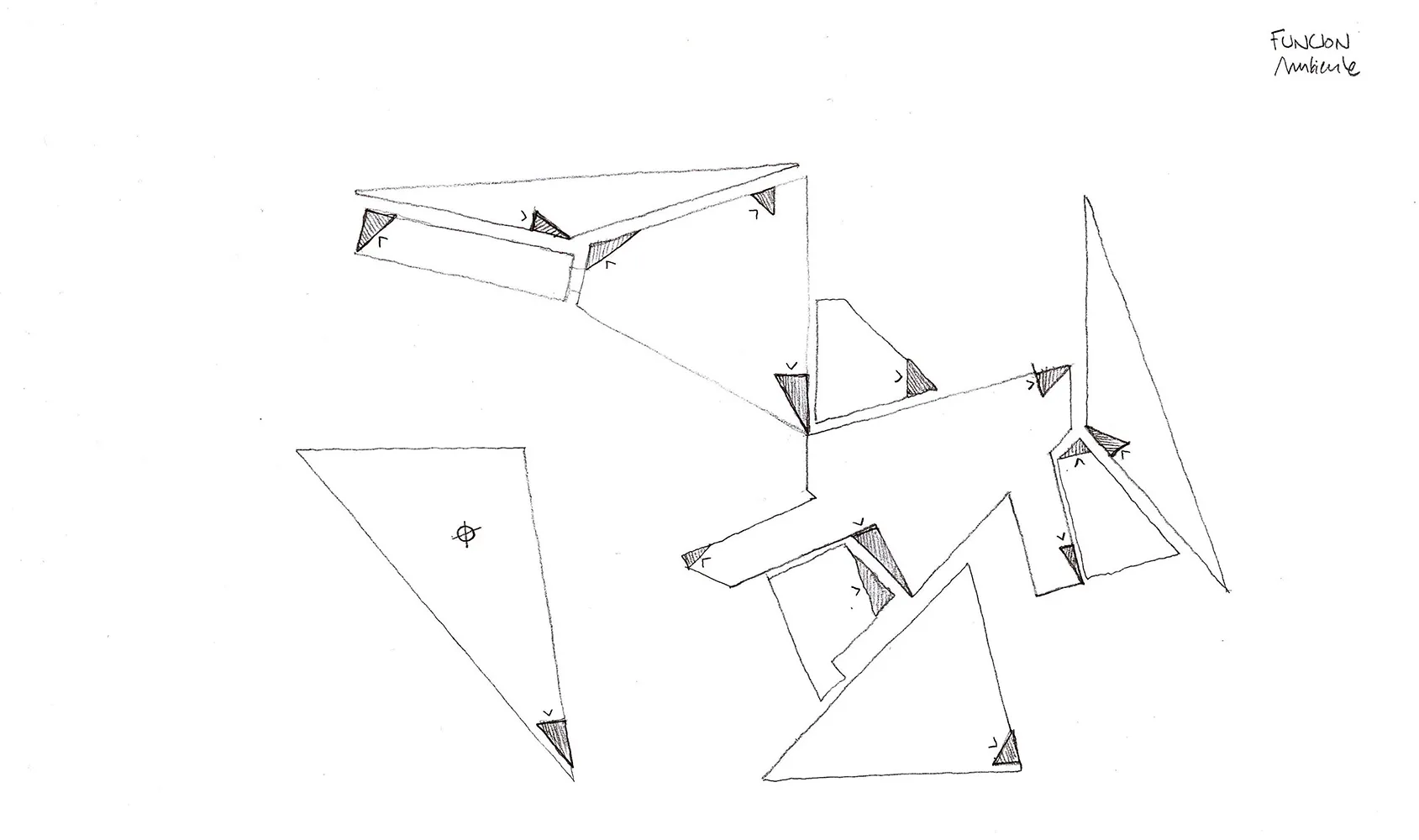
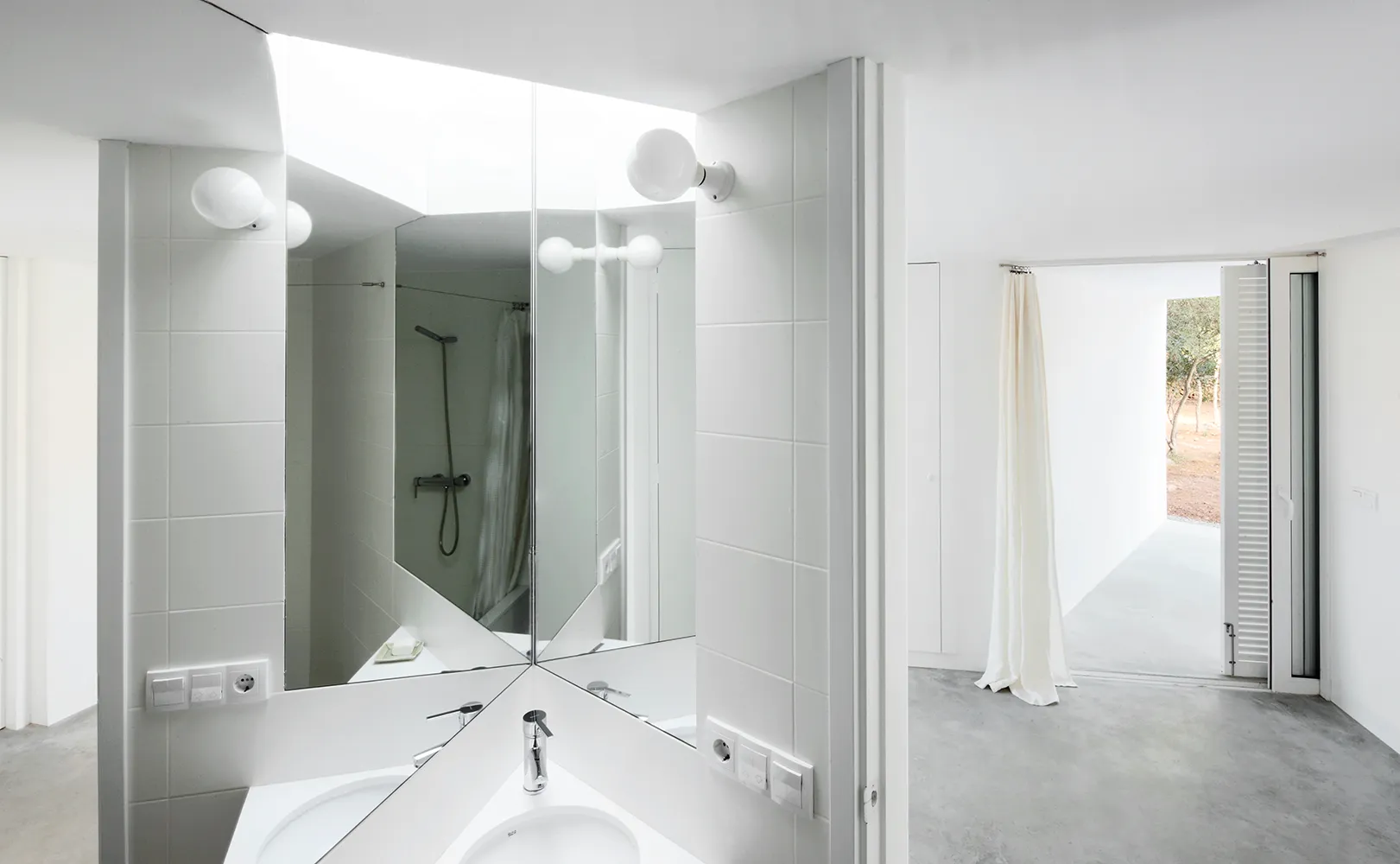
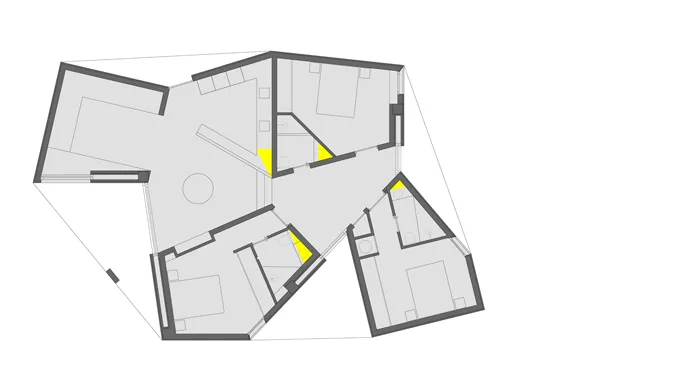
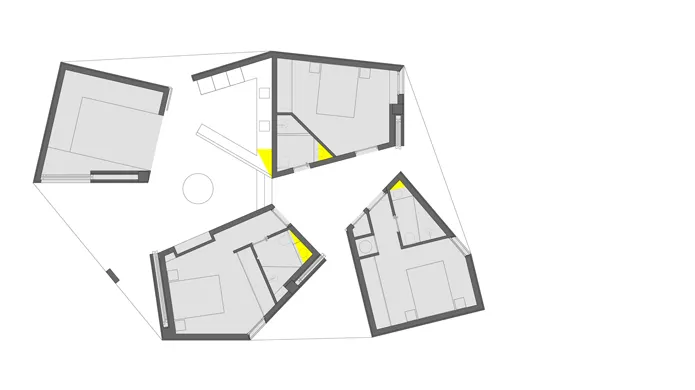
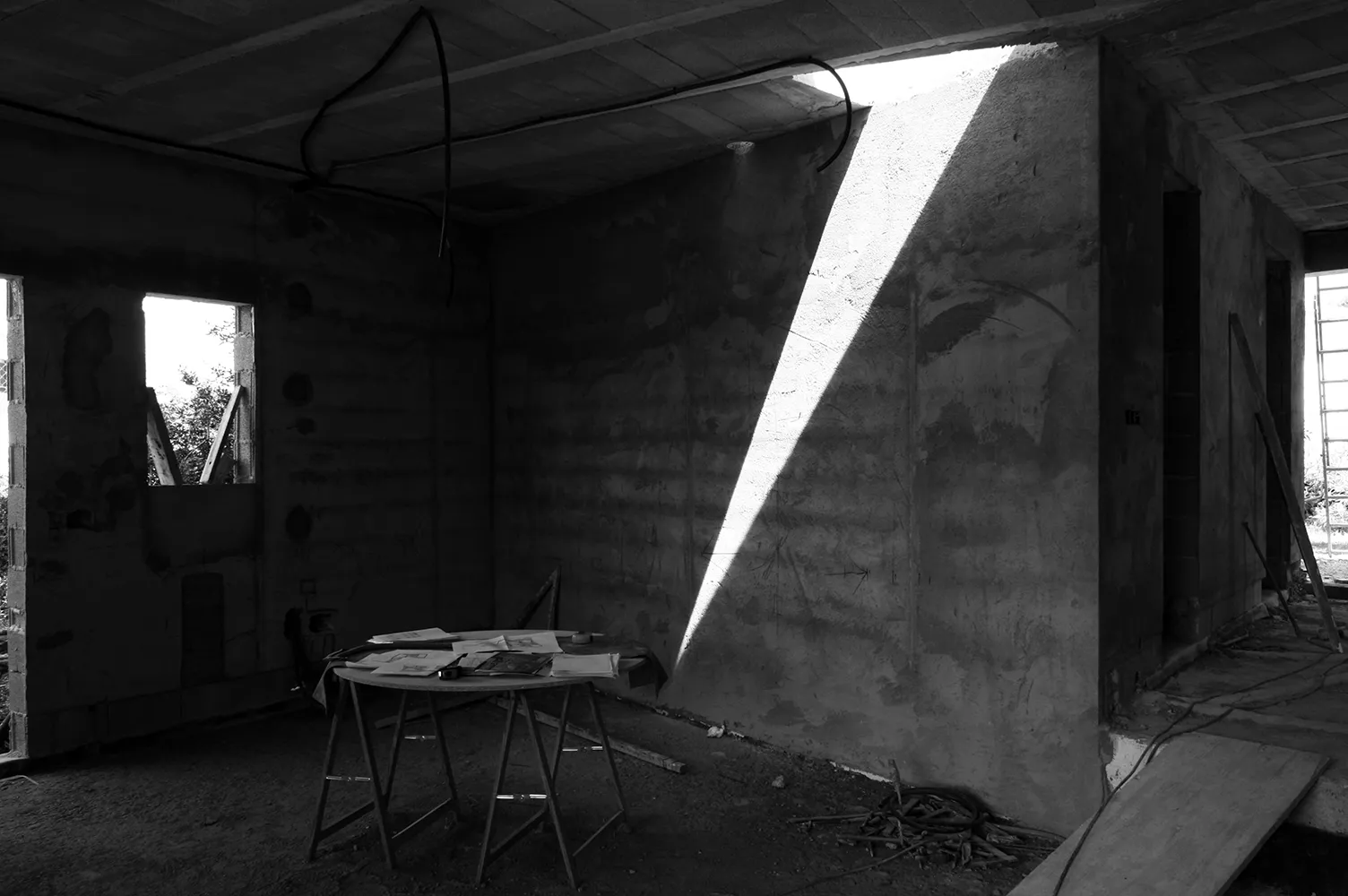
Through its four triangular porches, one on each orientation, the house is always connected to its surrounding garden. The “dislocation” of the interior layout begins in the main rooms and extends to the bathrooms, where shelves, showers and skylights are triangular. Double mirrors placed inside the skylight prisms maximise the inflow of light and create surprising kaleidoscopic-solar effects.

The house is a large “instrument” of solar perception, making evident the continuous change of natural light throughout the day and, day by day, across the four seasons of the year.

Categoria:

Status: Built

Client: Private

Location: Port d’Addaia, Es Mercadal, Menorca

Dates (start and completion): 2007–2010

Area: 146 m²

Budget (PEM): €1,200,000

Awards:
First prize for best dwelling, COAIB Menorca 2009–12
First prize for best overall work, COAIB Menorca 2009–12

Co-author: Jesús Cardona, architect

Quantity surveyor: Juan Cardona

Construction company: Inversiones y Promociones Inmobiliarias QM SL

Collaborators:
Xosé Domínguez, architect
René Guder, architecture student

Images: José Hevia and Ferran Vizoso

Sa Pluja Architecture in Menorca

Sa Pluja Architecture in Menorca

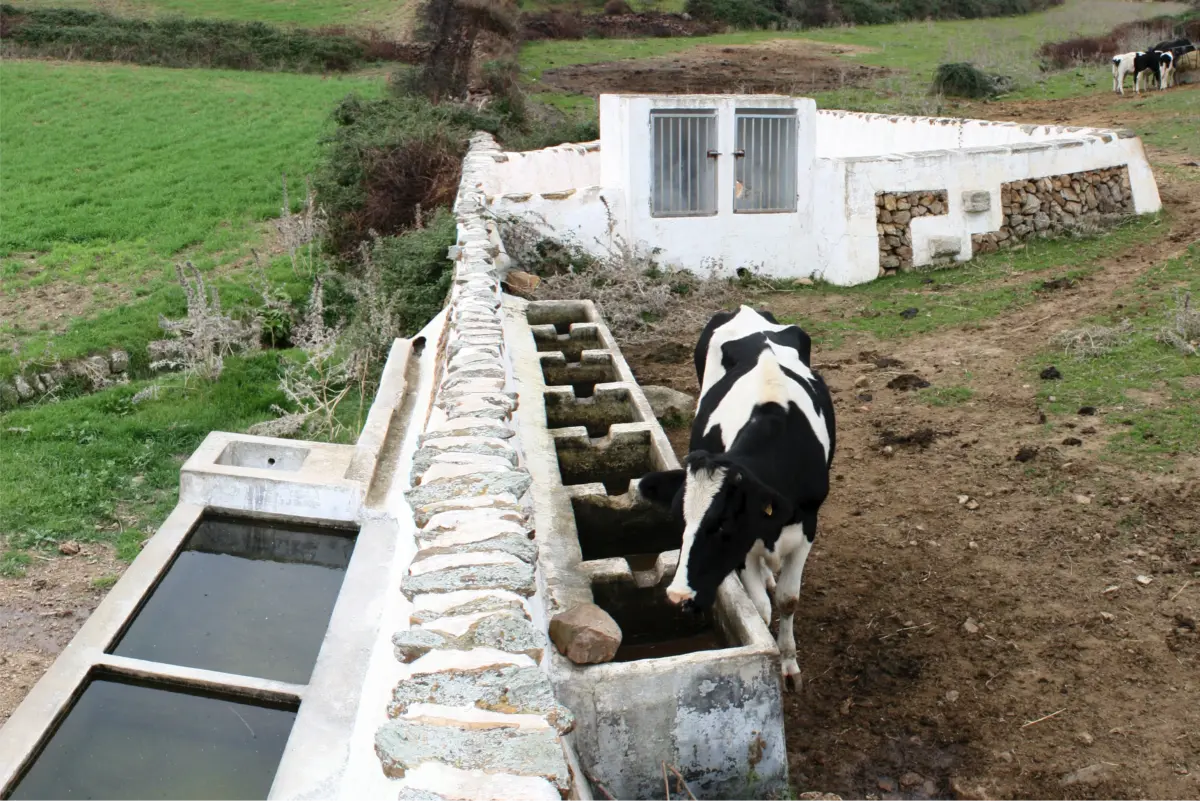
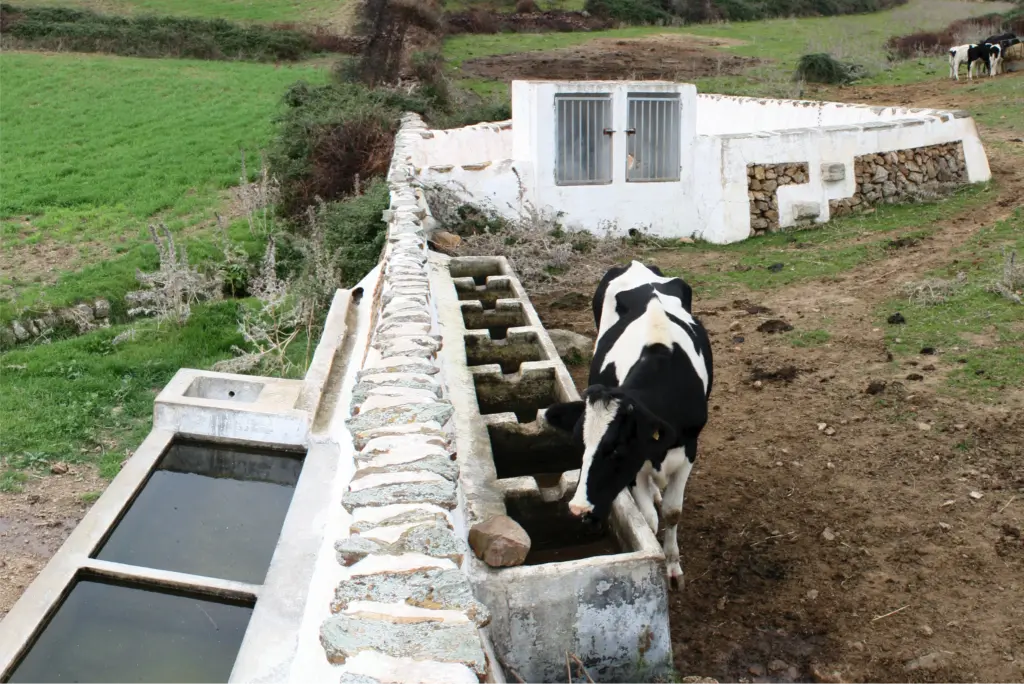
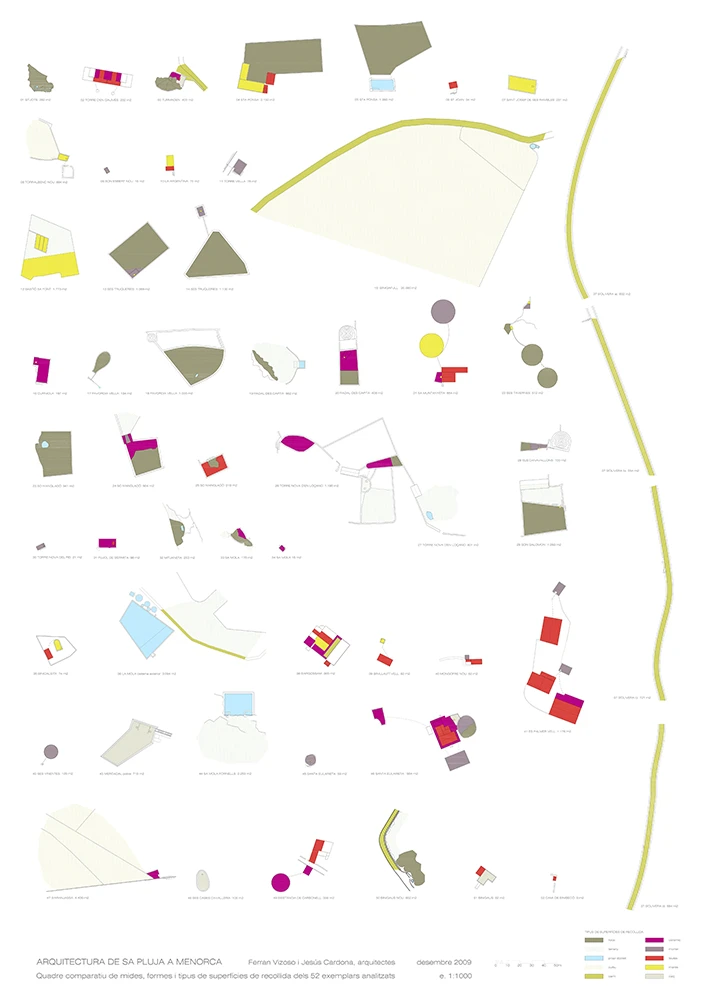
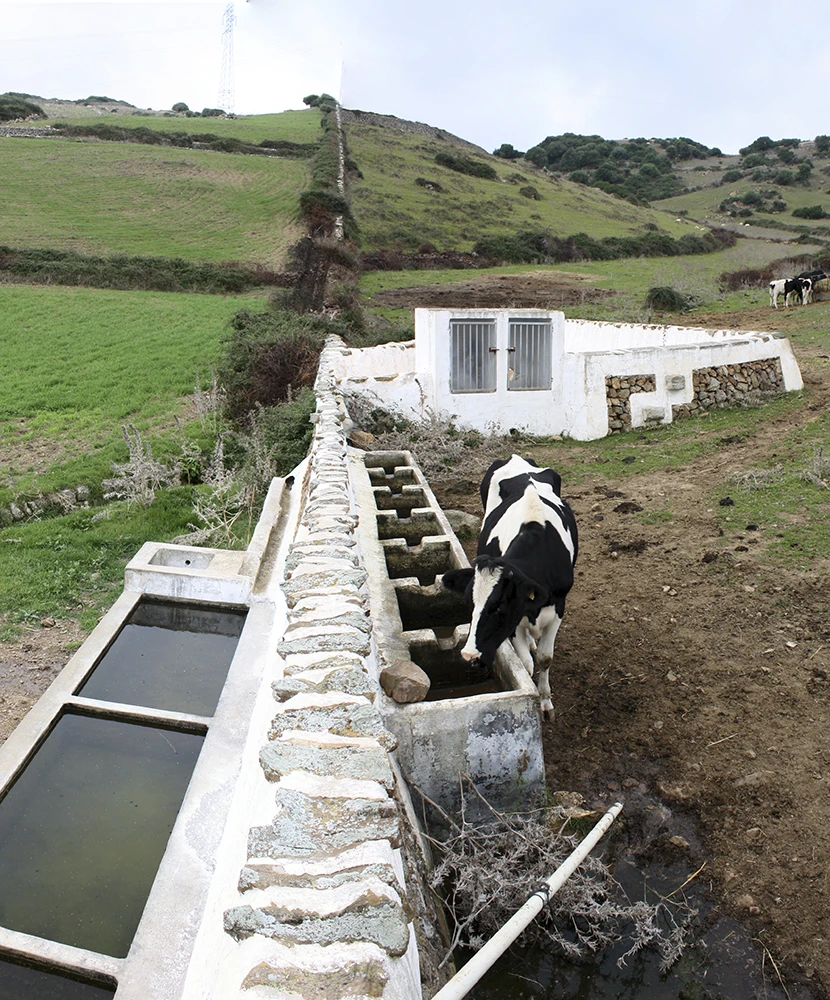
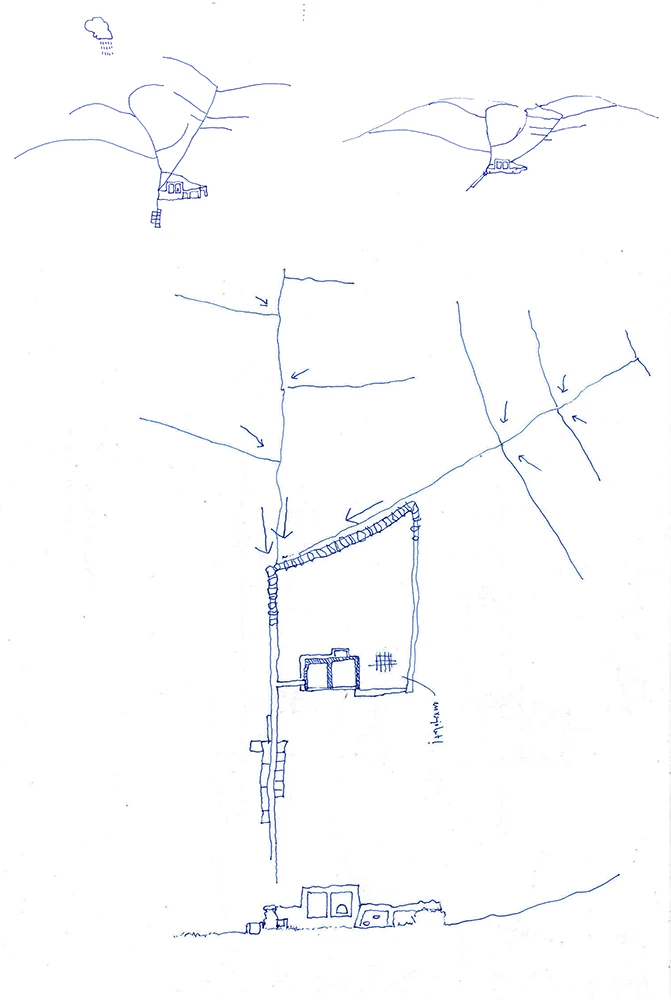
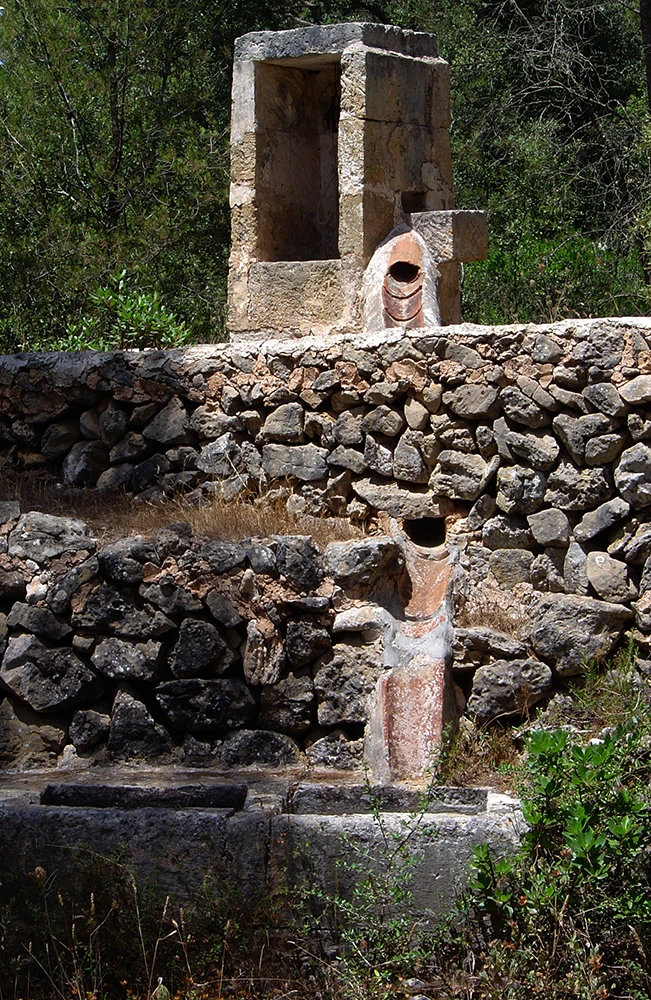
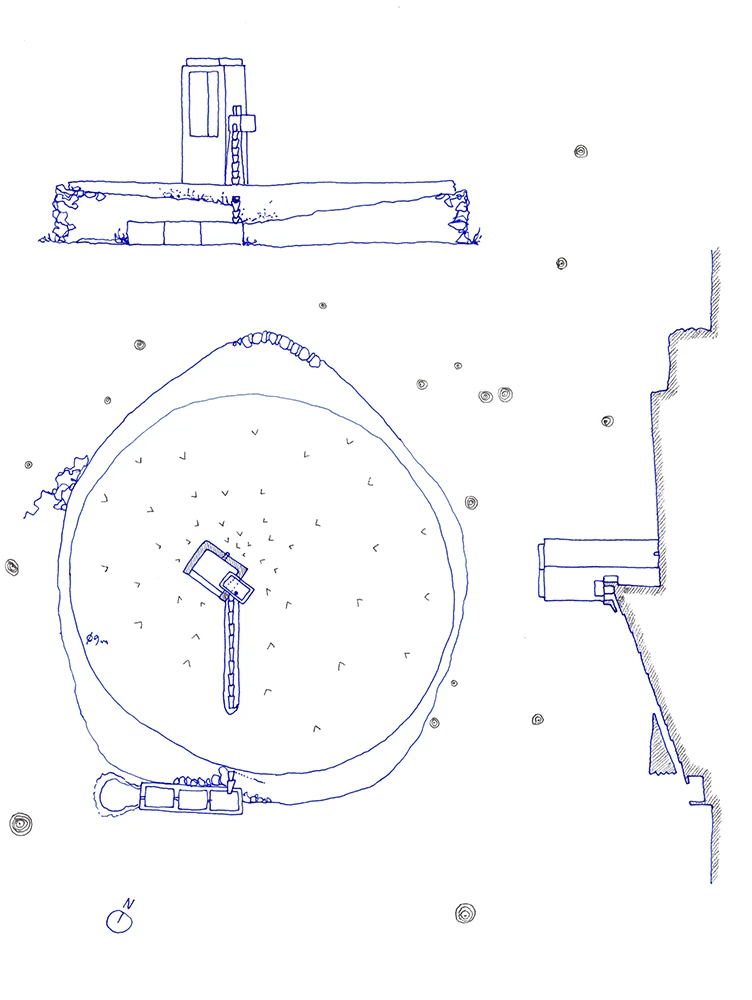
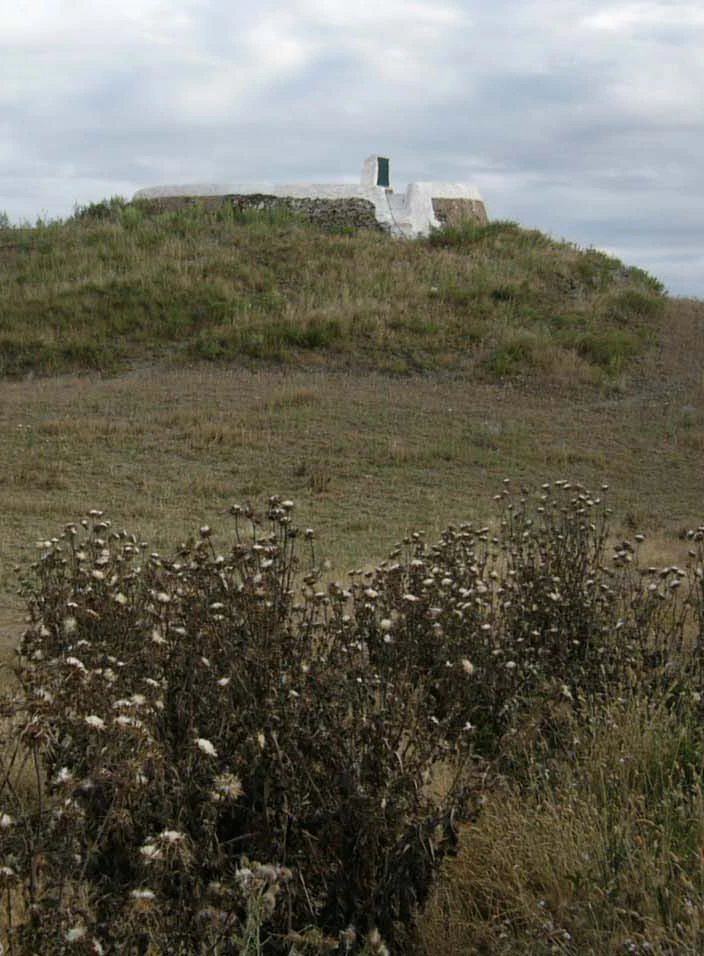
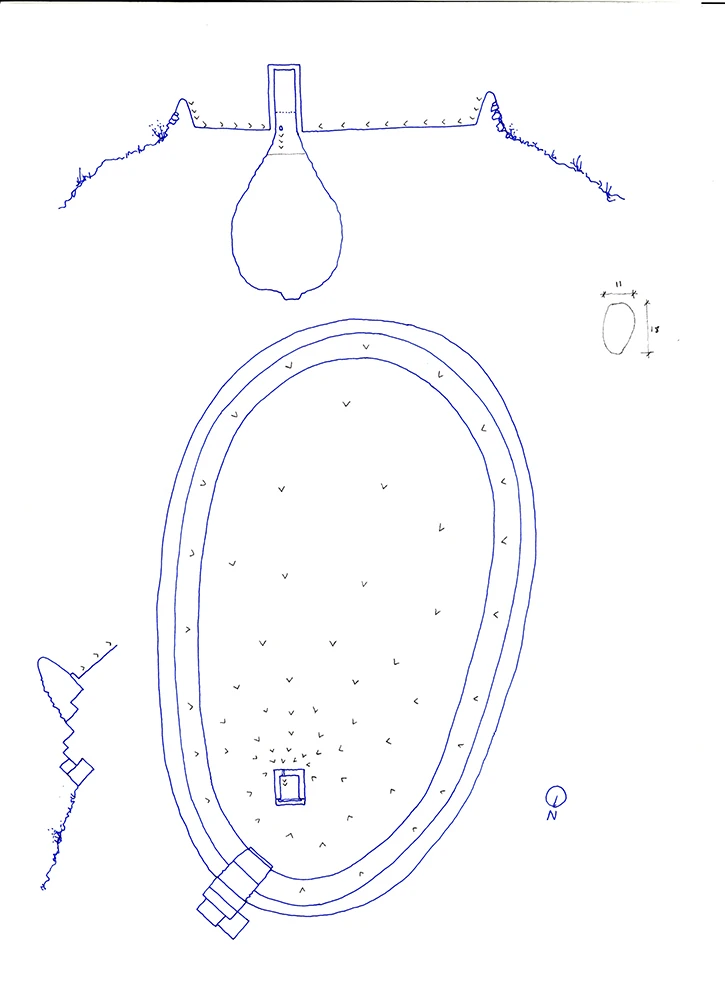
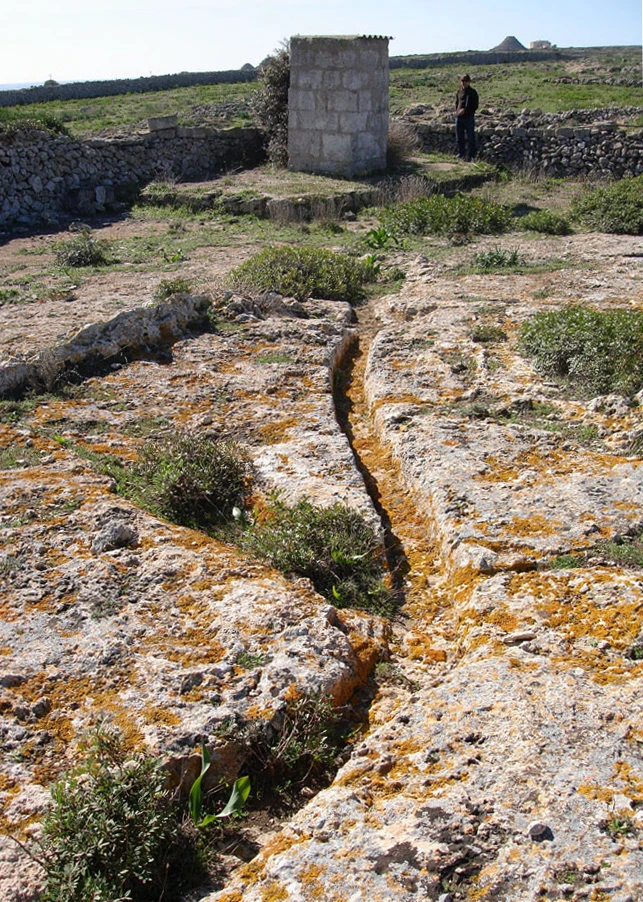
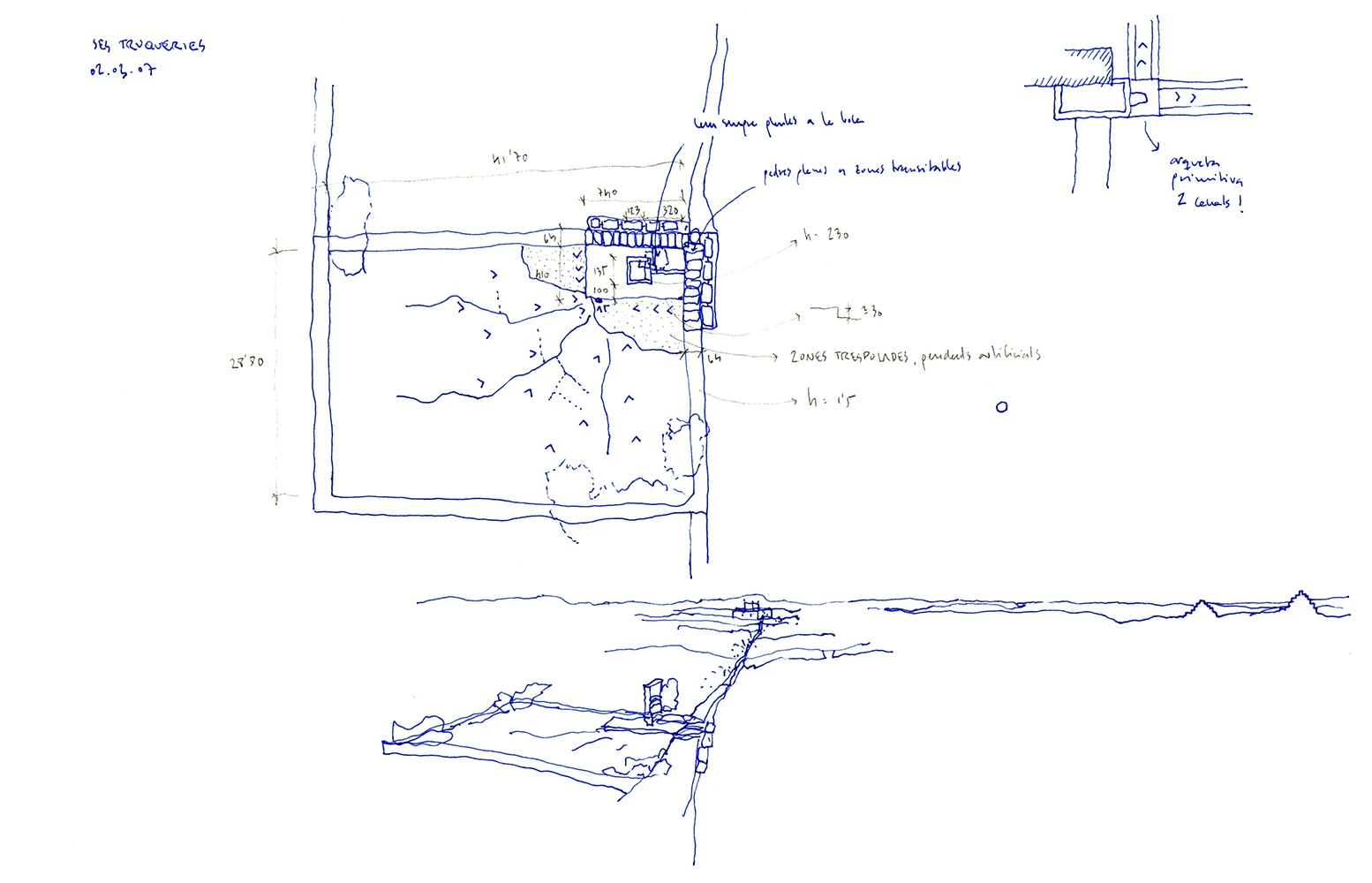
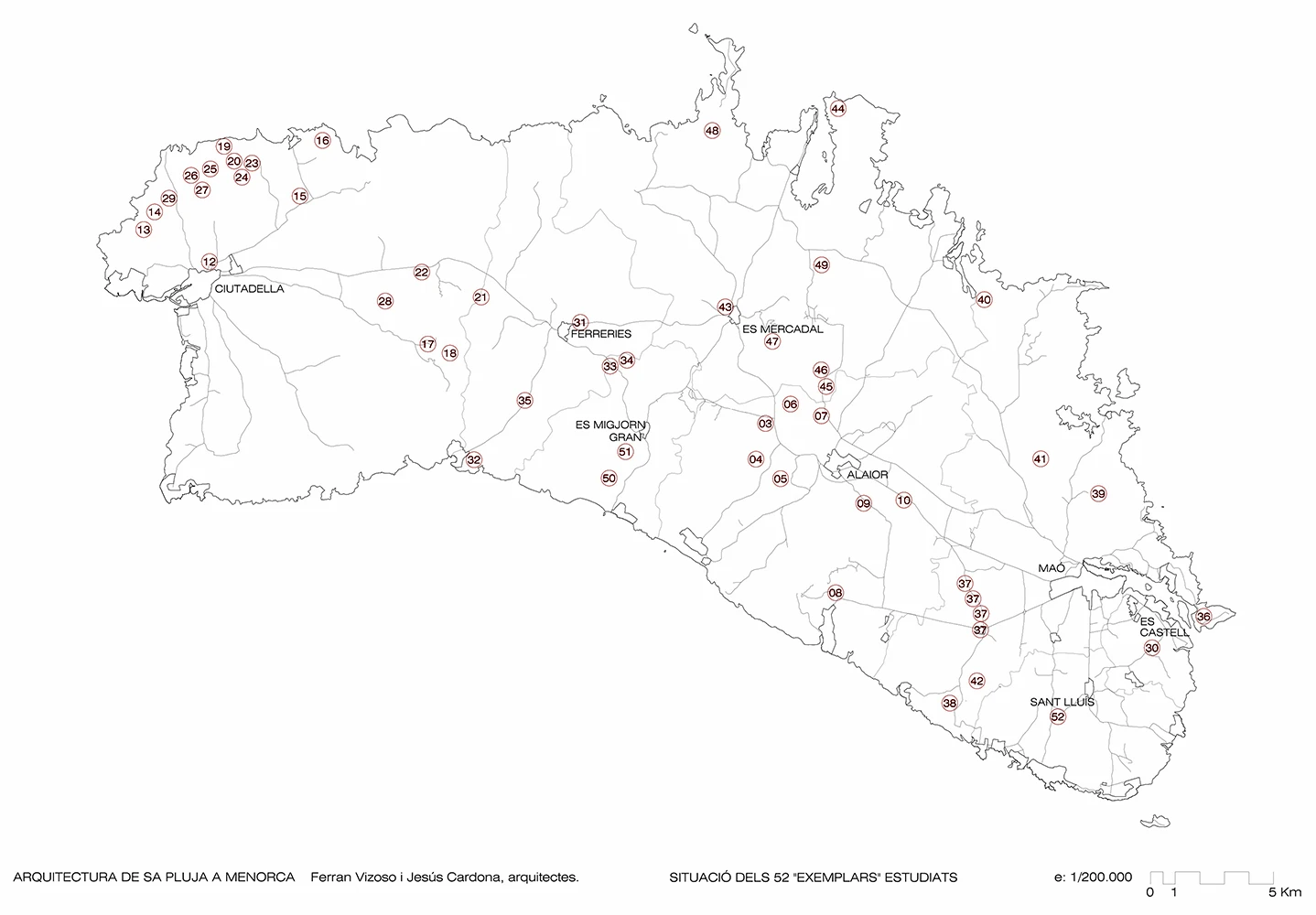
Study of 52 examples of traditional surface rainwater harvesting systems.

Arquitectura de Sa Pluja a Menorca

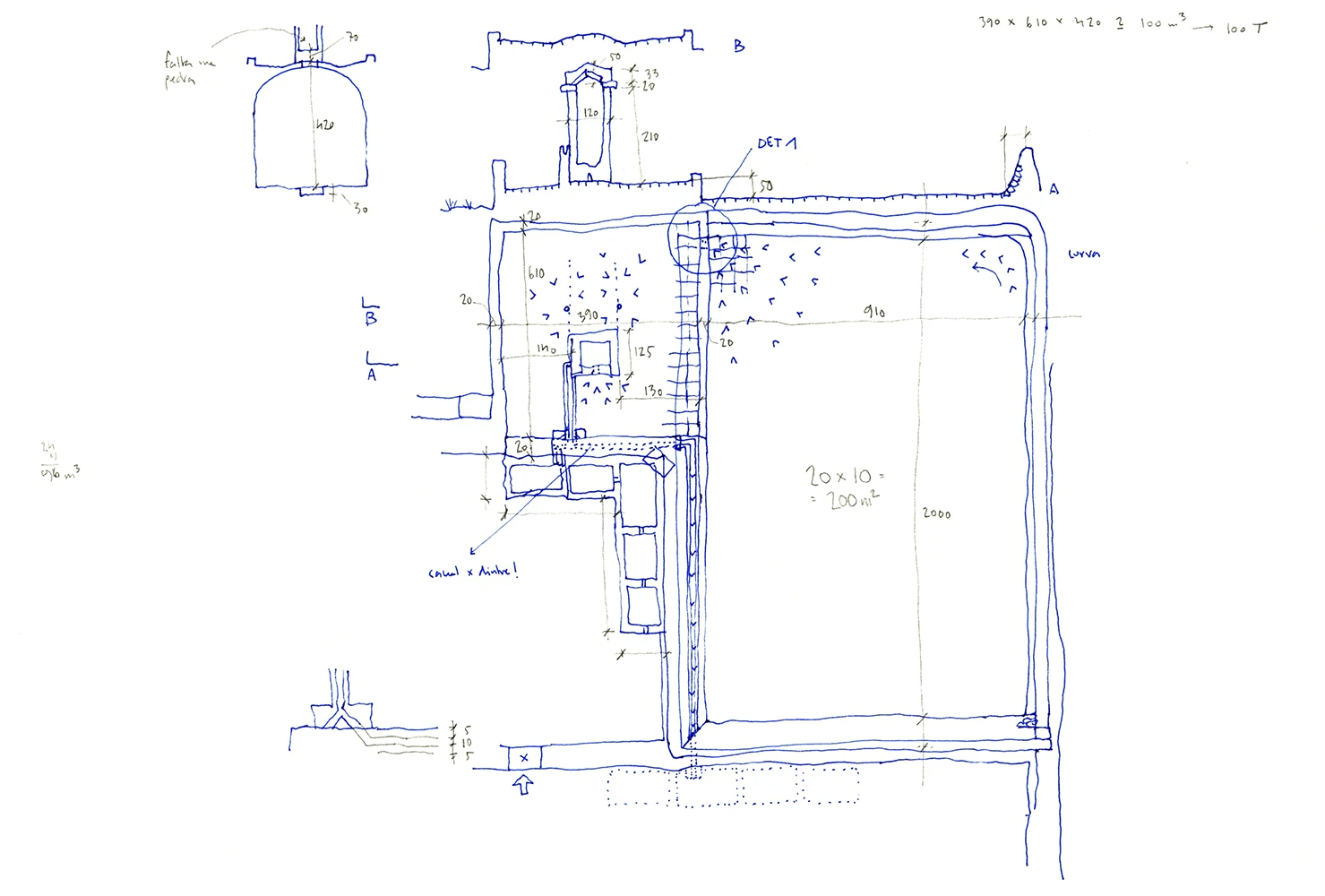
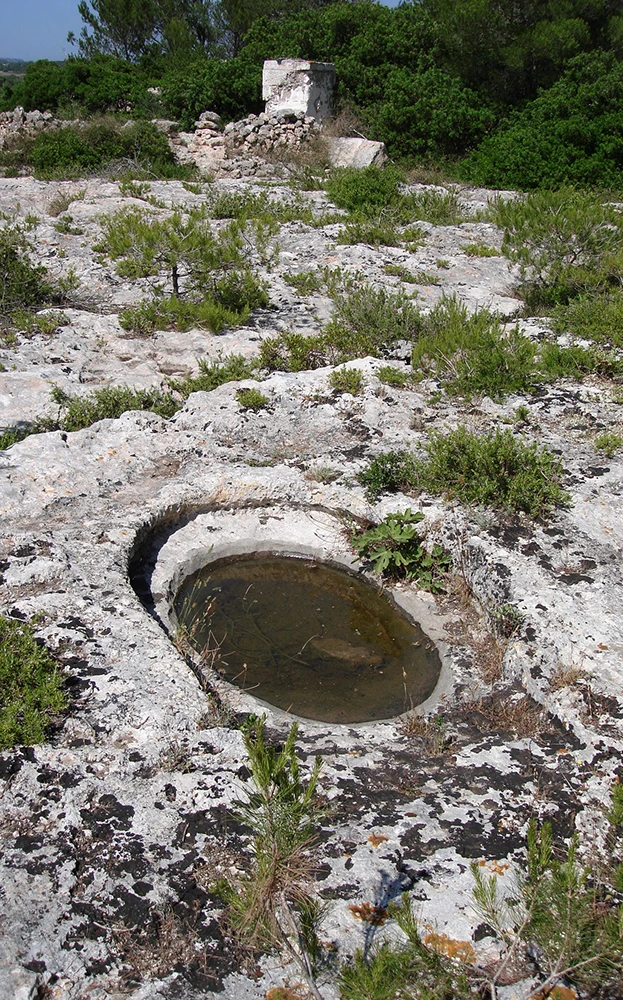
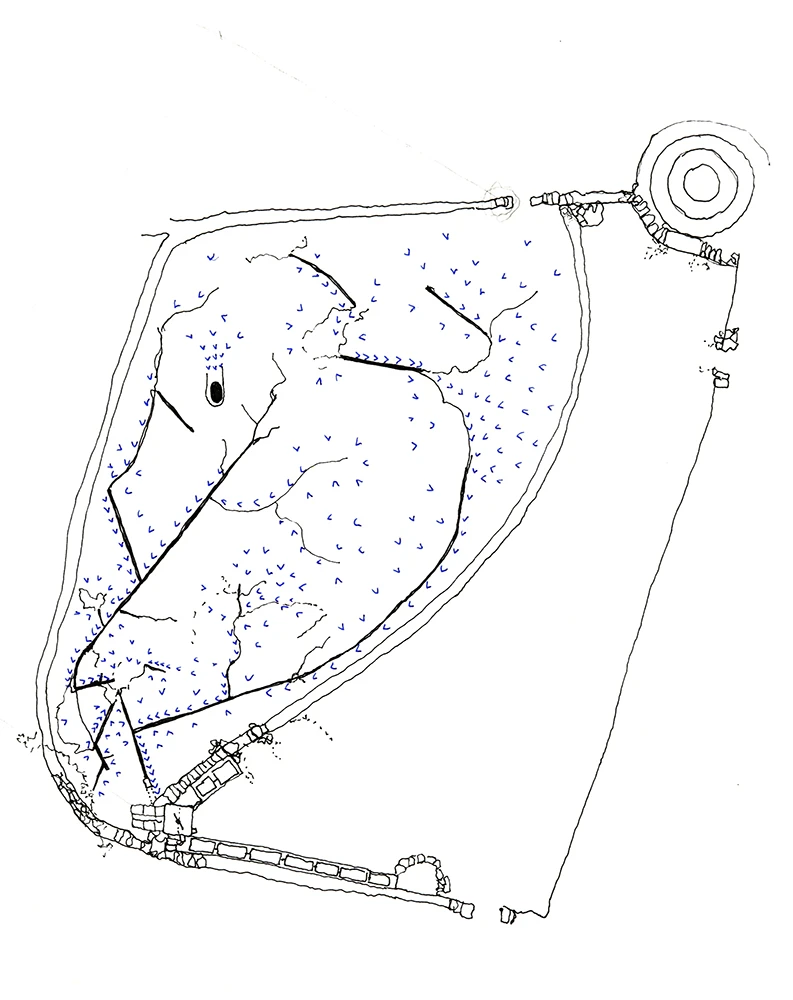
The work consisted primarily of extensive field research, visiting and documenting references provided by various experts in Menorca’s traditional architecture. Semi-random explorations in search of rainwater collection systems led us to rural houses, ravines, orchards, talayotic settlements, farmland, gardens, huts and cattle sheds. From the many visits carried out, documentation was distilled on a wide range of ingenious solutions designed to capture and use rainwater.

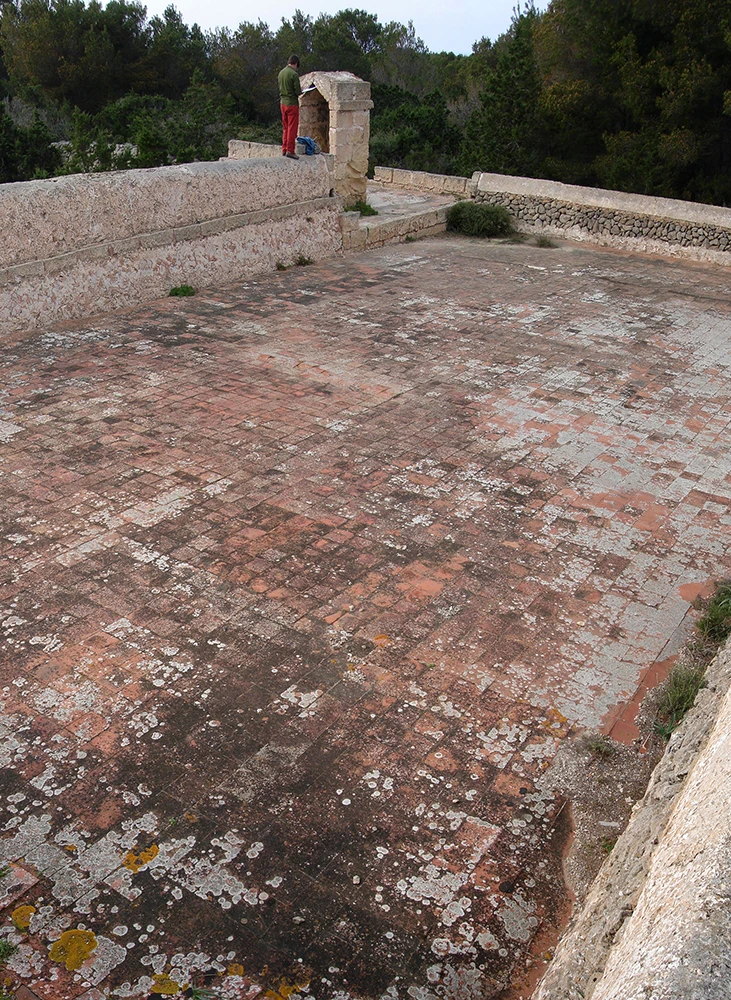
Over months of work we discovered an entire family of constructions and territorial interventions expressly created to capture, store and distribute rainwater. These ranged from simple excavations in the rock to sophisticated tanks covered with barrel vaults. A collection of elements that together constitute a genuine “architecture of rain”, since their specific purpose is to harness this precious resource.

This collection and storage of rainwater made it possible to have water during times of the year without precipitation. Seen this way, all the cases studied transform rain, which falls from the sky and runs away quickly, into stored fresh water, a vital and highly valued resource. The study shows that in Menorca, until the second half of the twentieth century, every impermeable and sloped surface was used to collect this natural resource. “Not a drop wasted” was the guiding principle, sometimes to obsessive extremes.

The research was carried out jointly with architect Jesús Cardona through a COAIB Research Grant in Architecture, Urban Planning, Territorial Management, Heritage and Environment announced in 2004 (awarded on 18 March 2005) and a grant from the Institut Menorquí d’Estudis in 2007 (awarded on 9 February 2006)1.

1 Adapted from the research presentation text for COAIB and IME.

Date: 2005–2009

Authors: Ferran Vizoso and Jesús Cardona, architects

Collaborator: Xosé Domínguez, architect

Advisor: Elías Torres Tur, architect

S’Enclusa Interpretation Centre

S’Enclusa Interpretation Centre

Centre d’Interpretació S’Enclusa

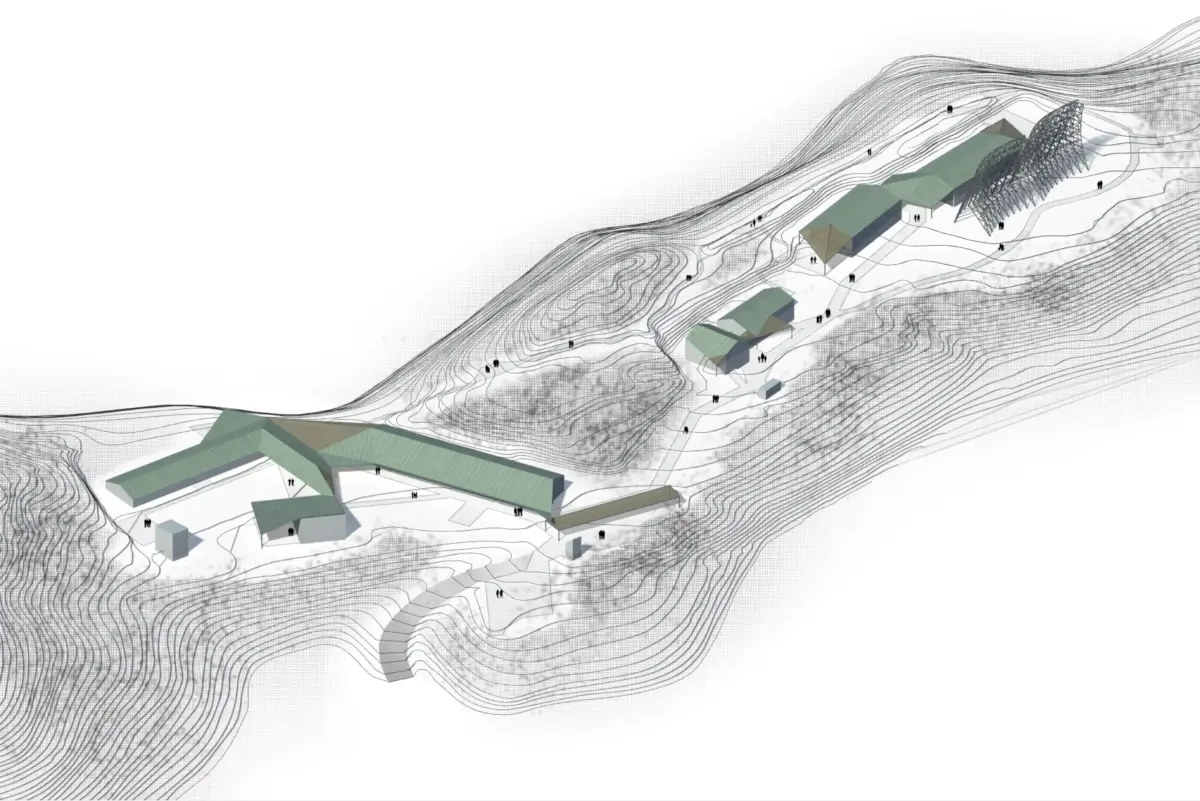
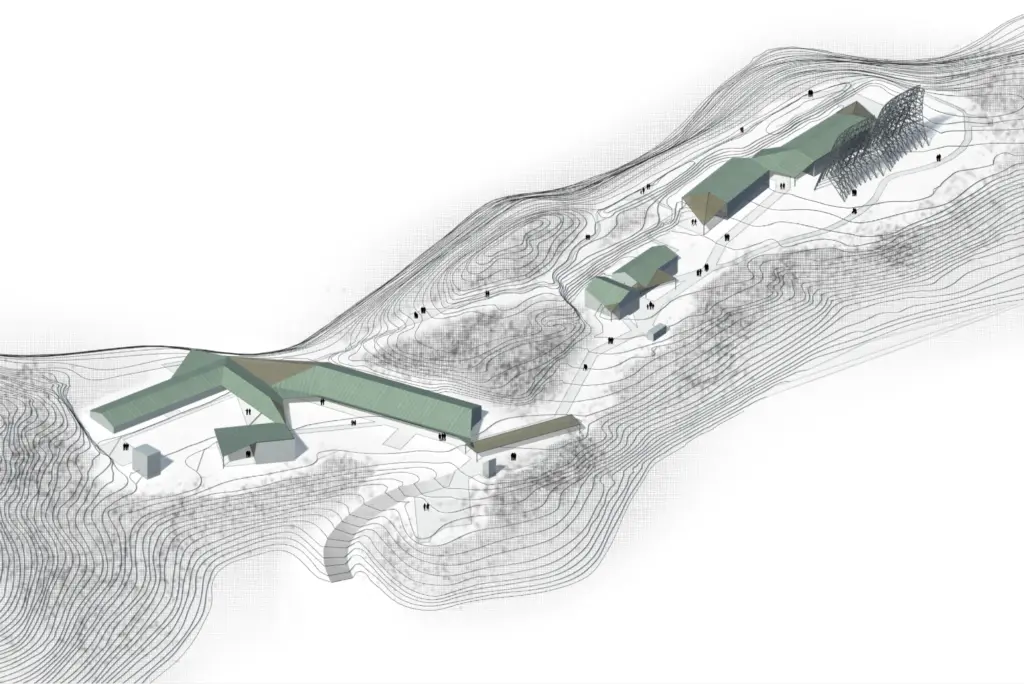
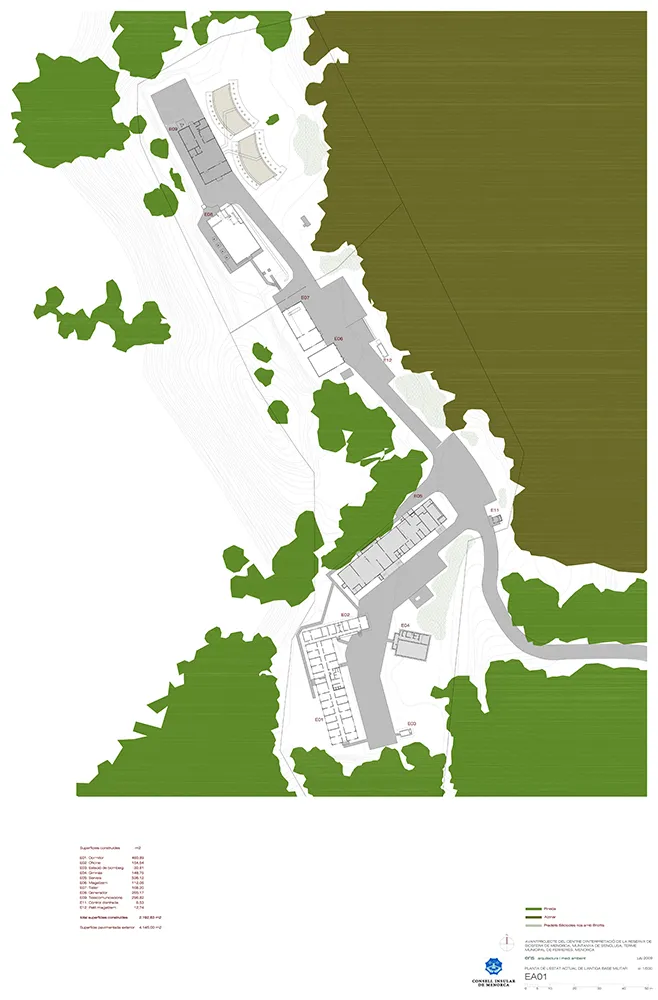
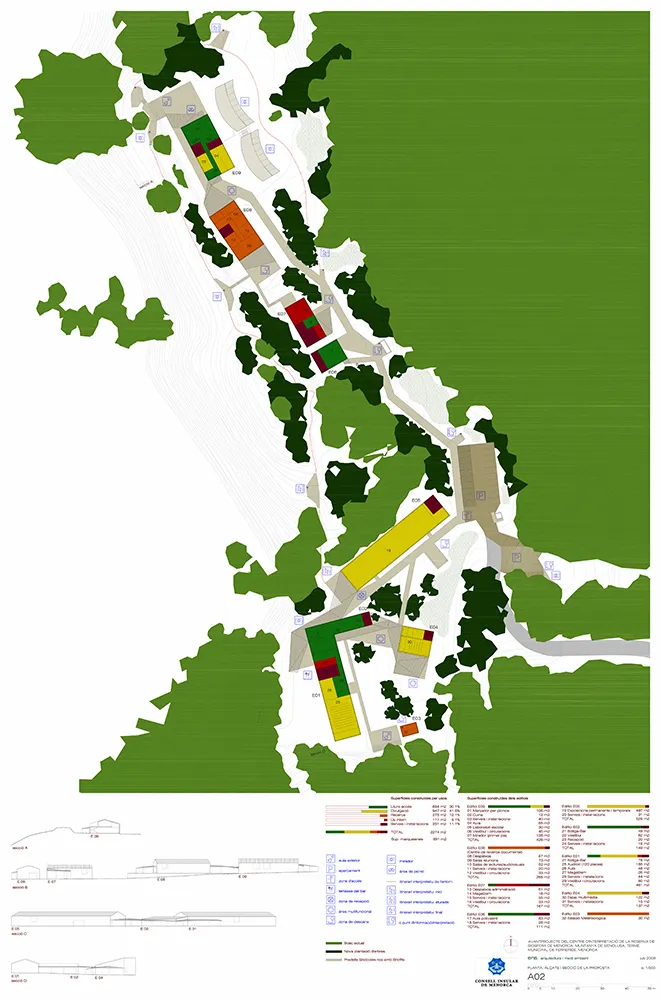
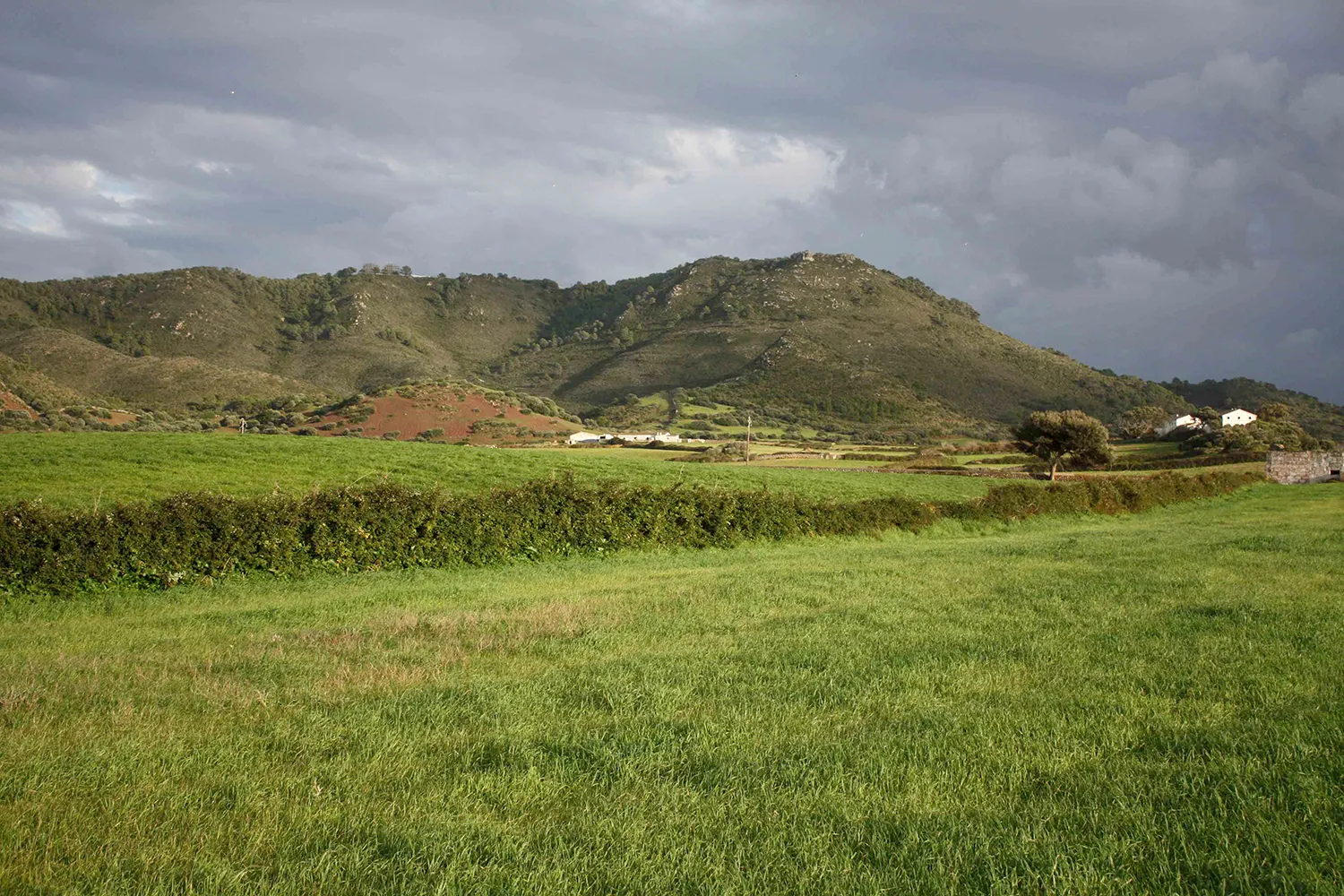
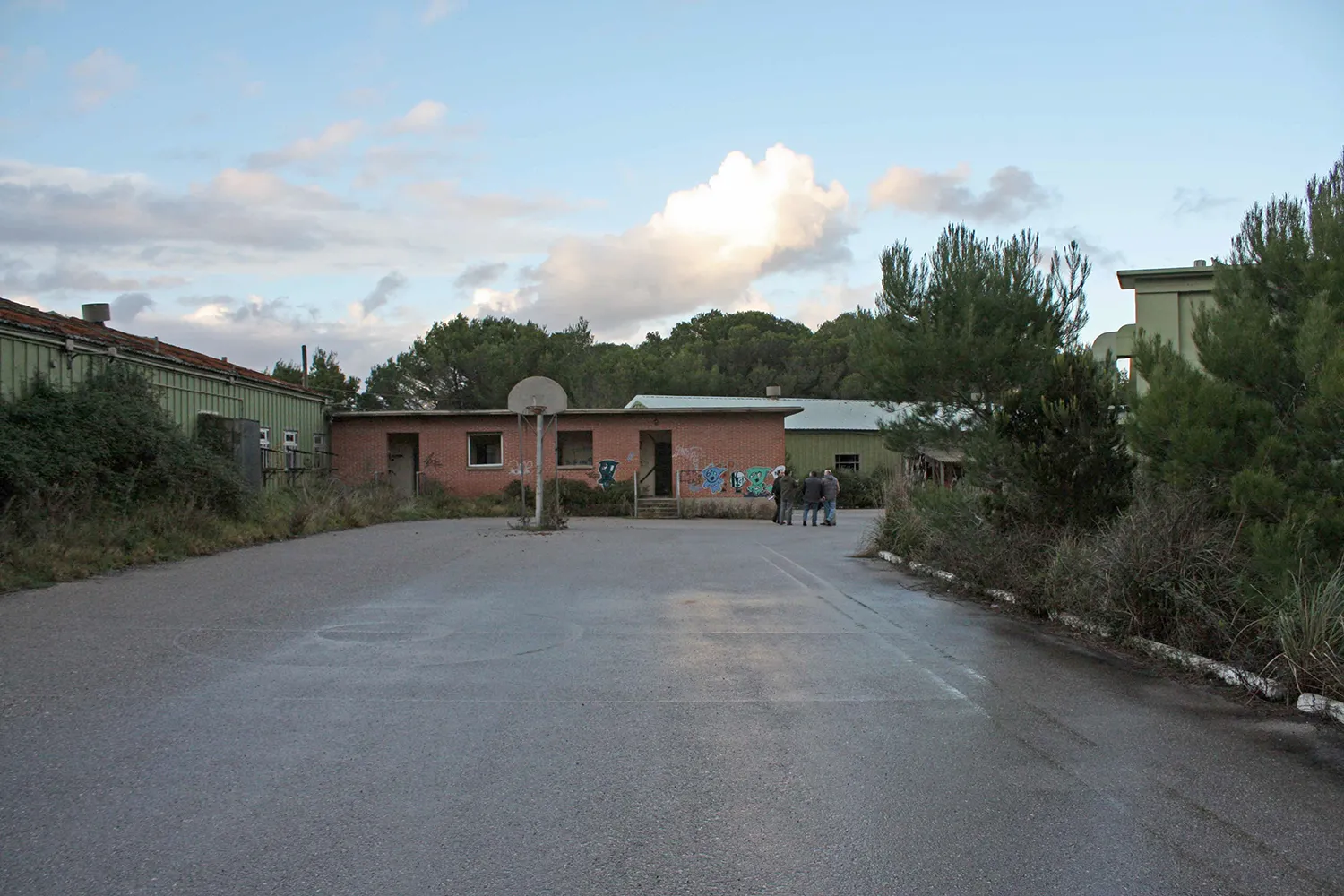
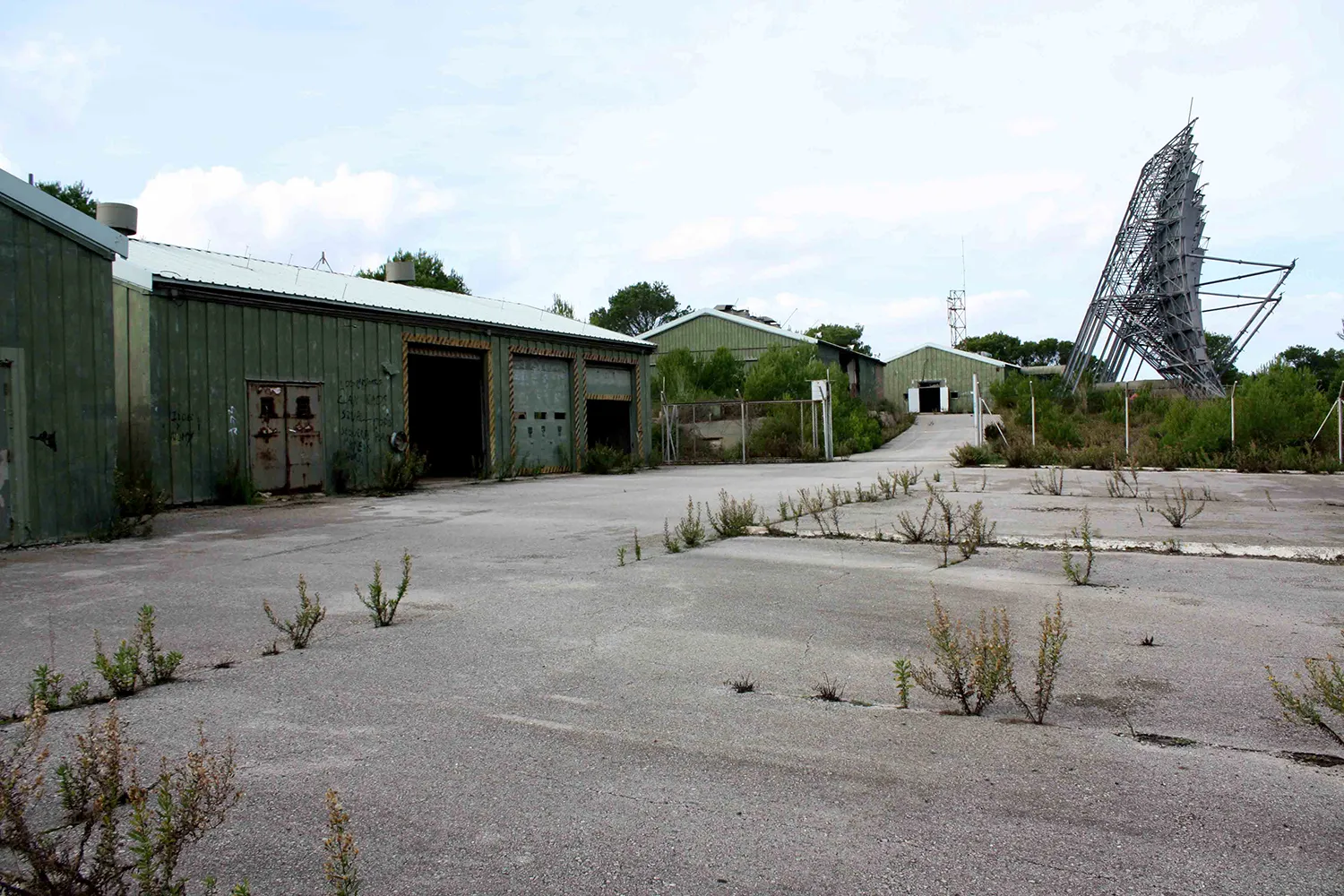
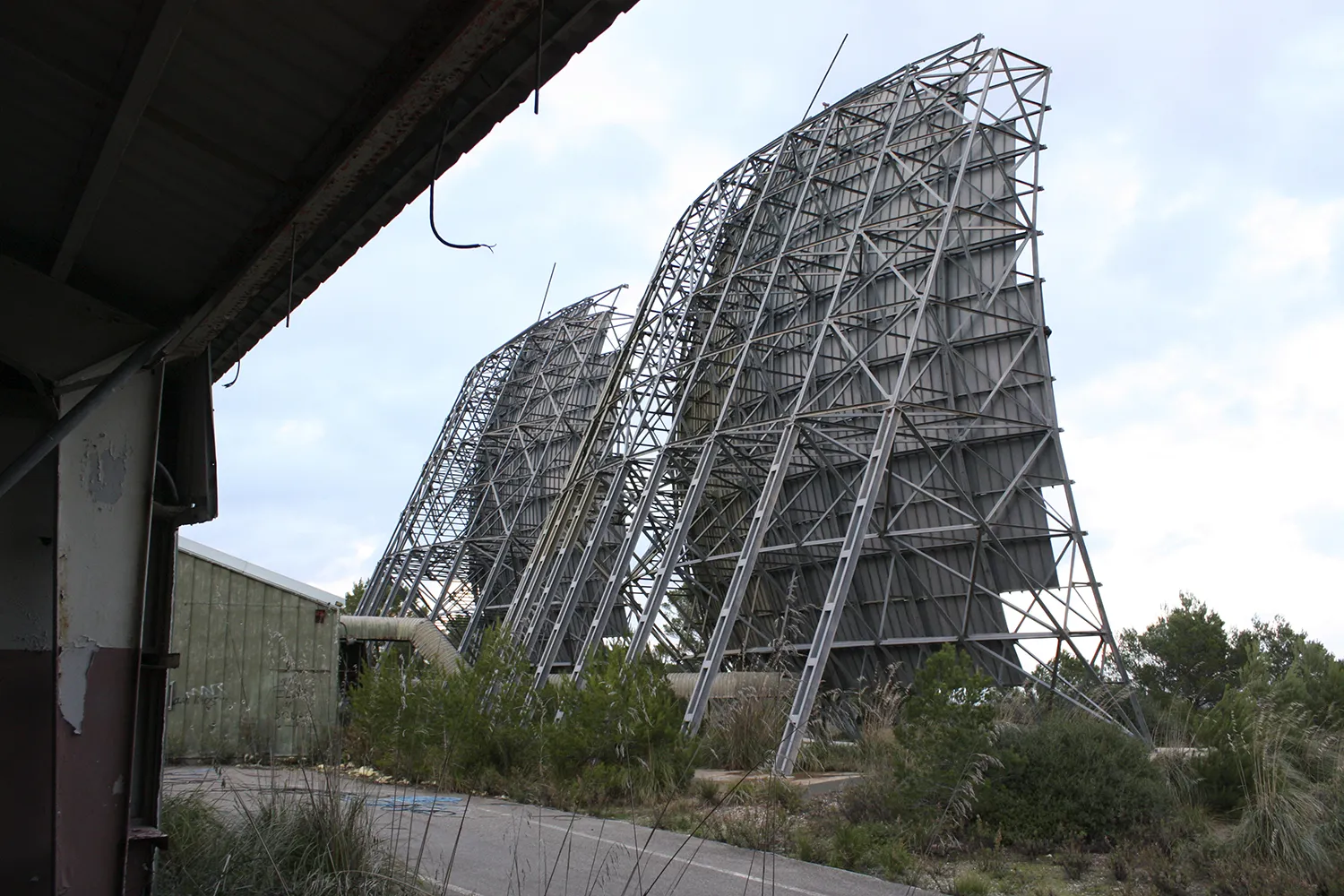
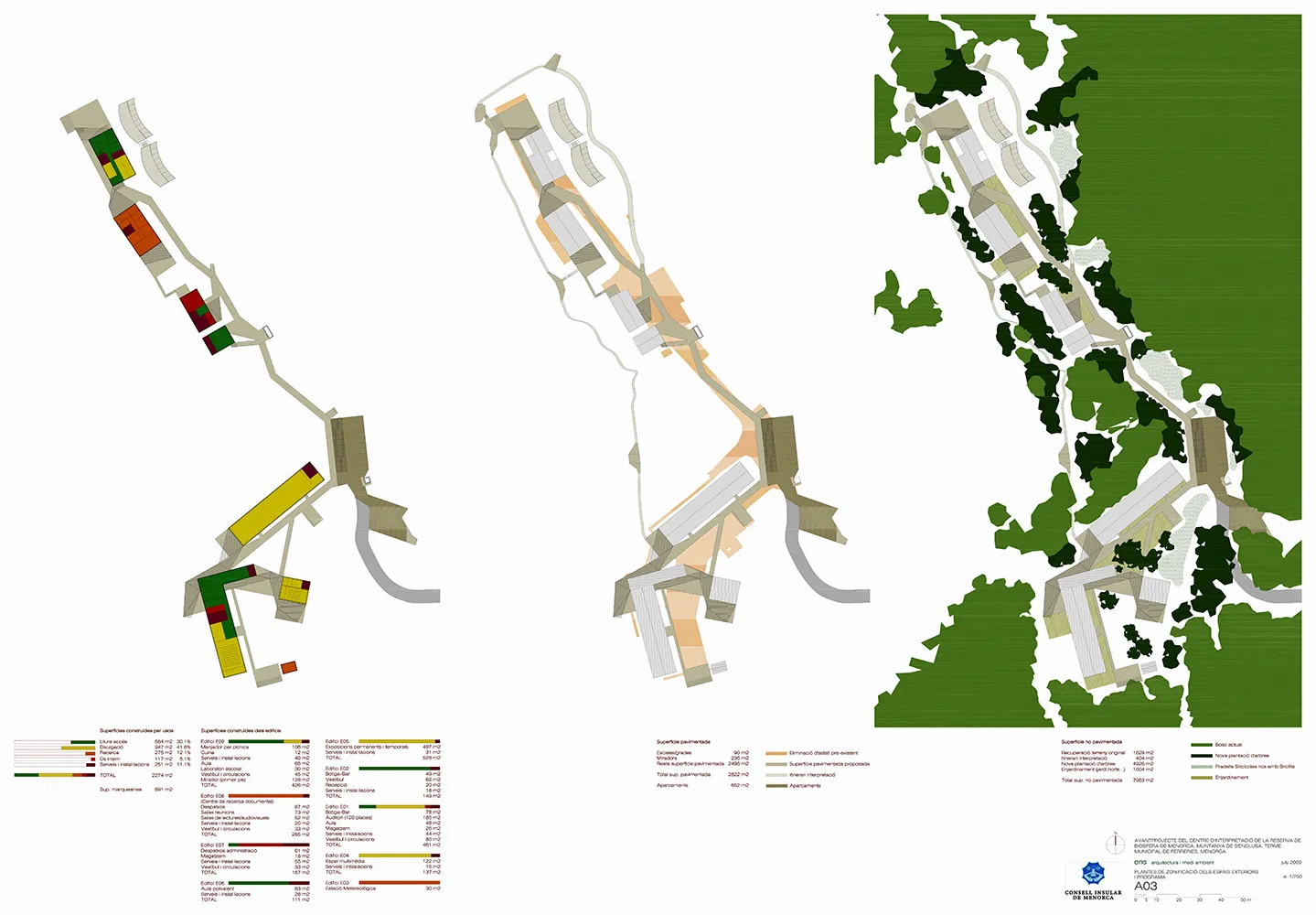
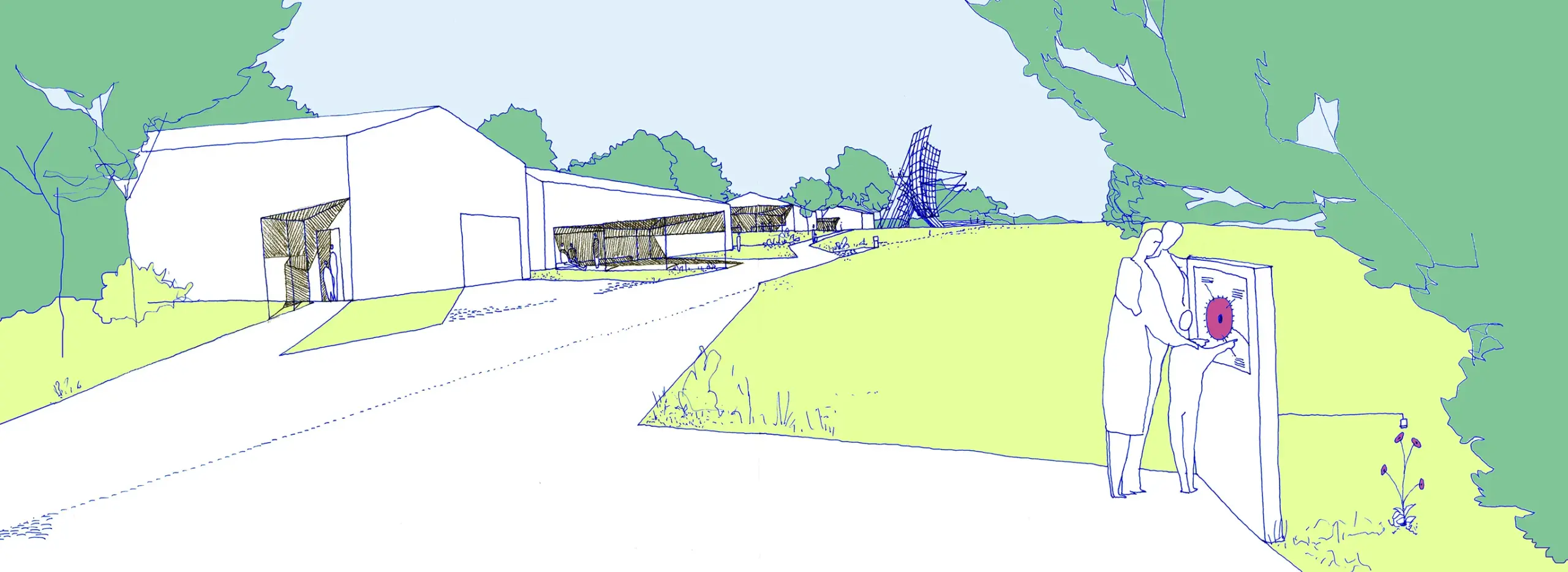
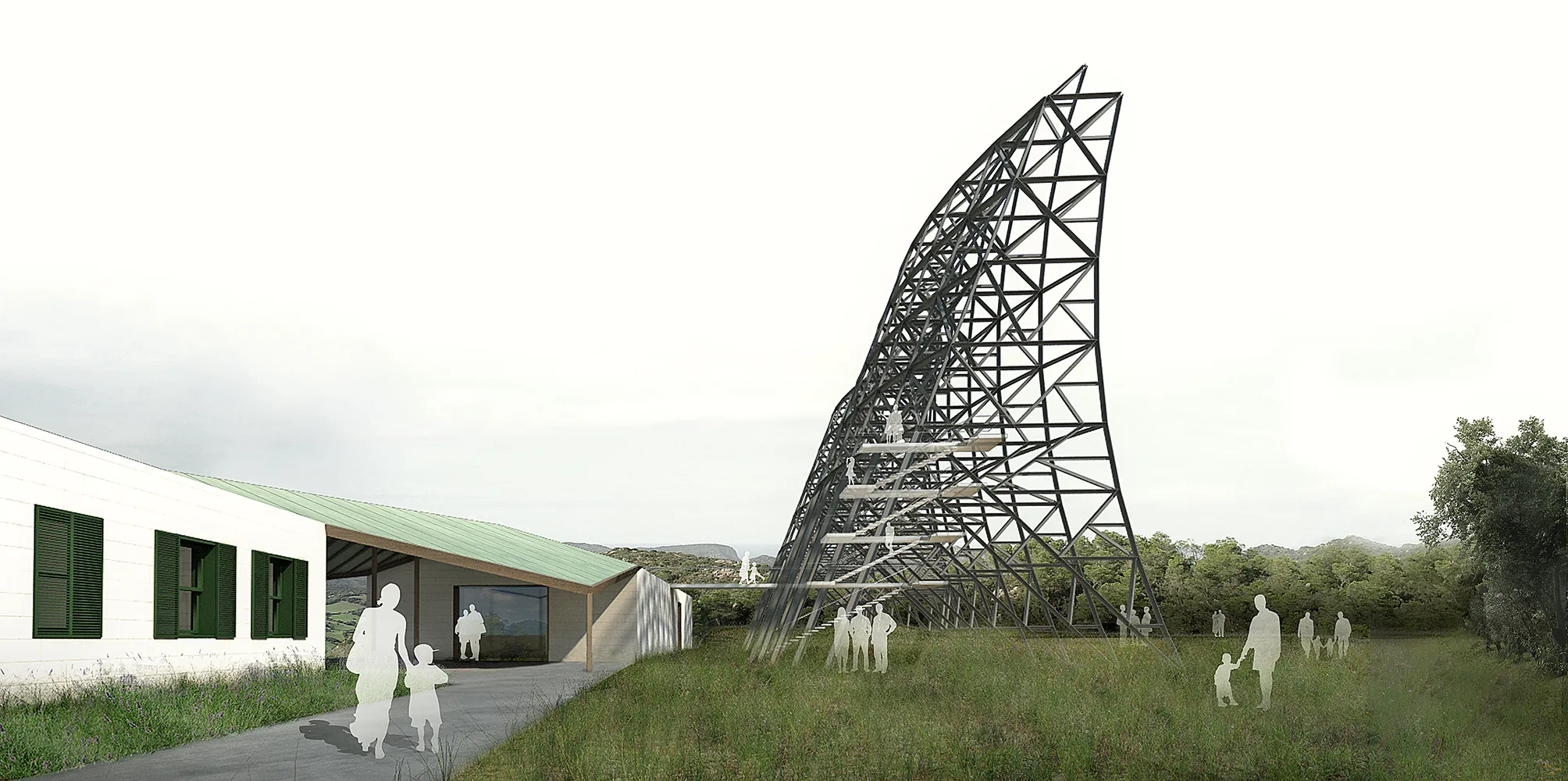
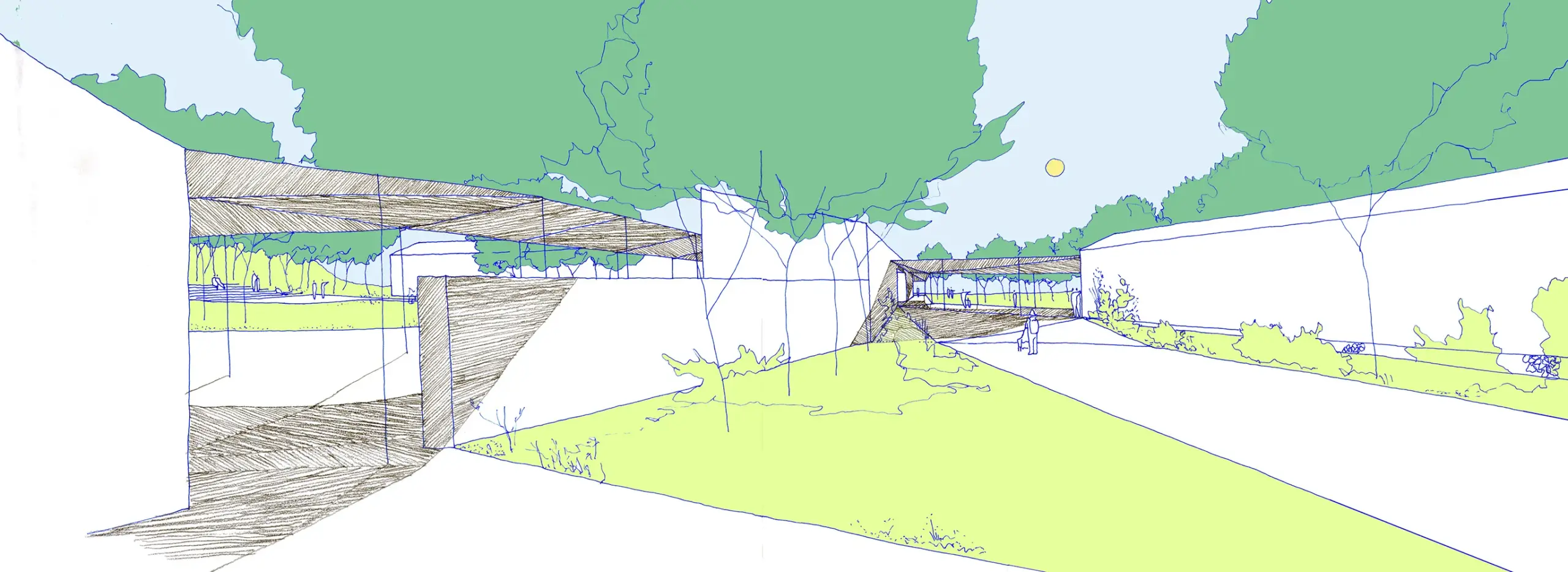
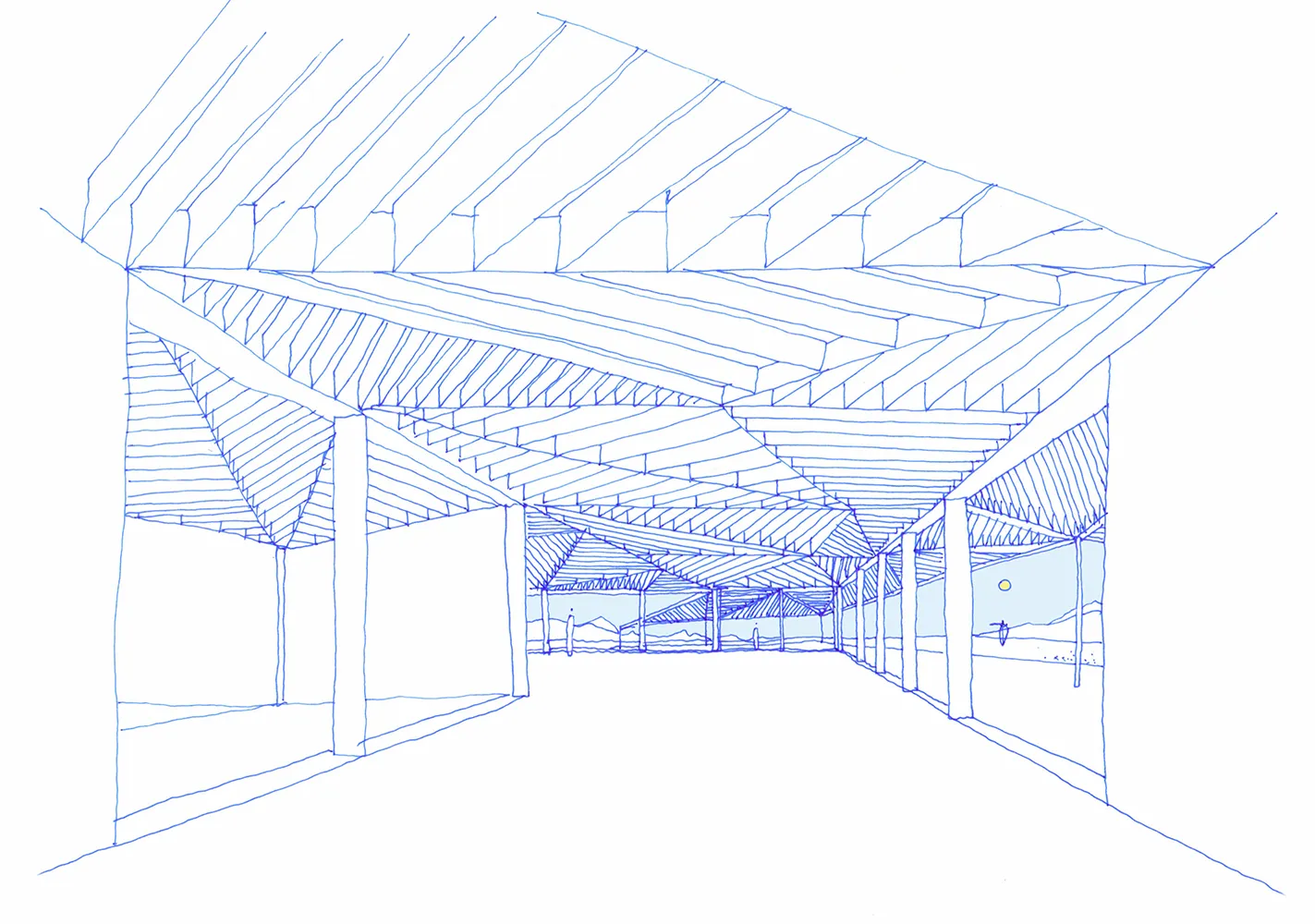
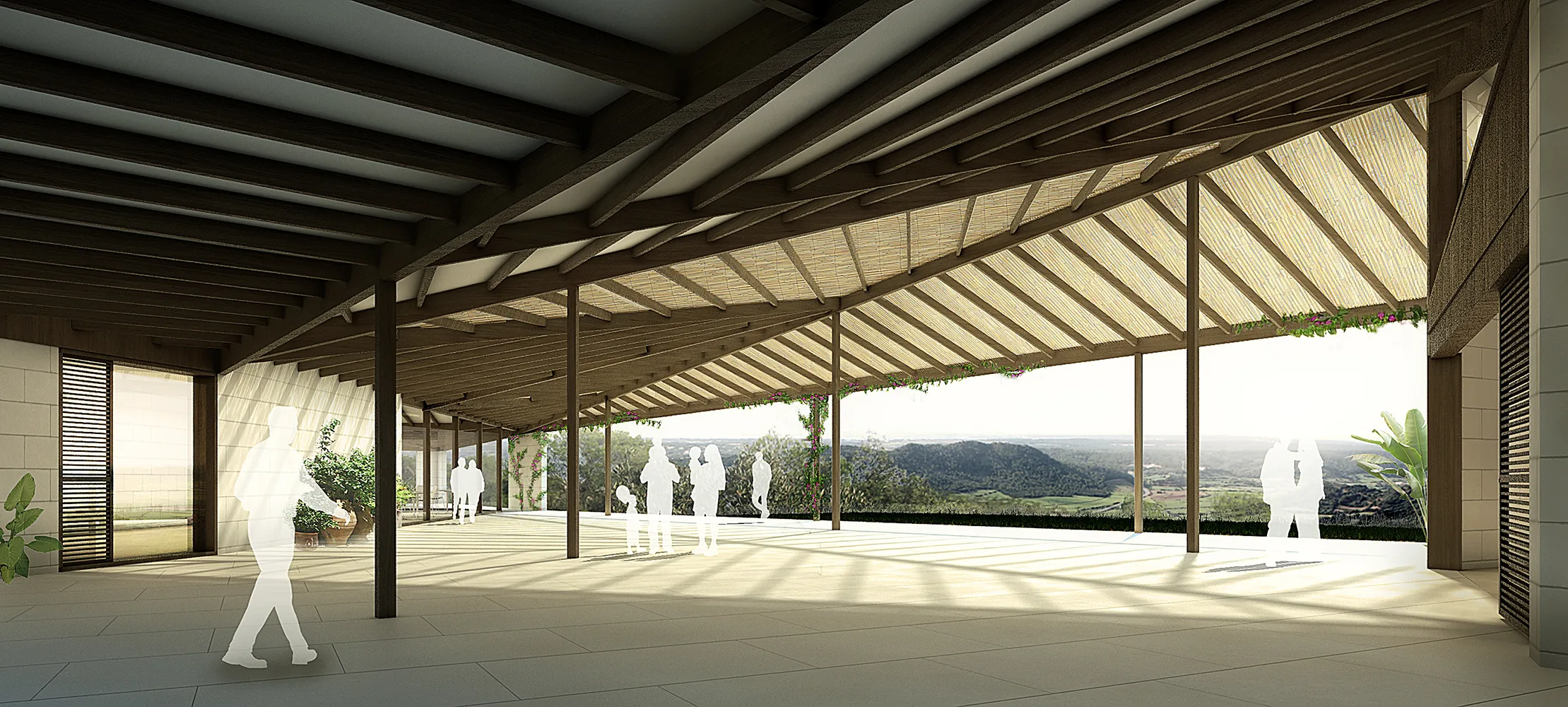
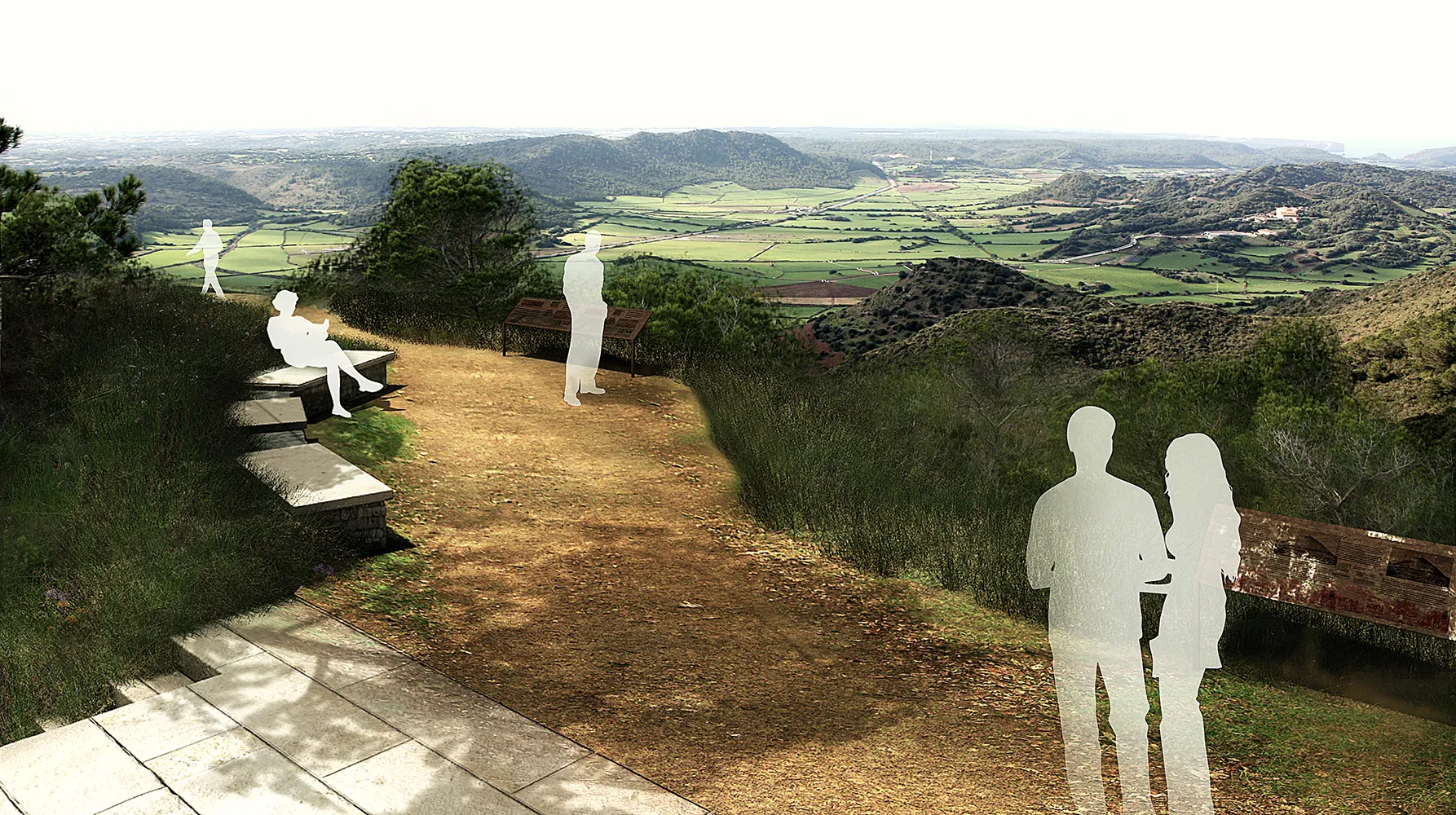
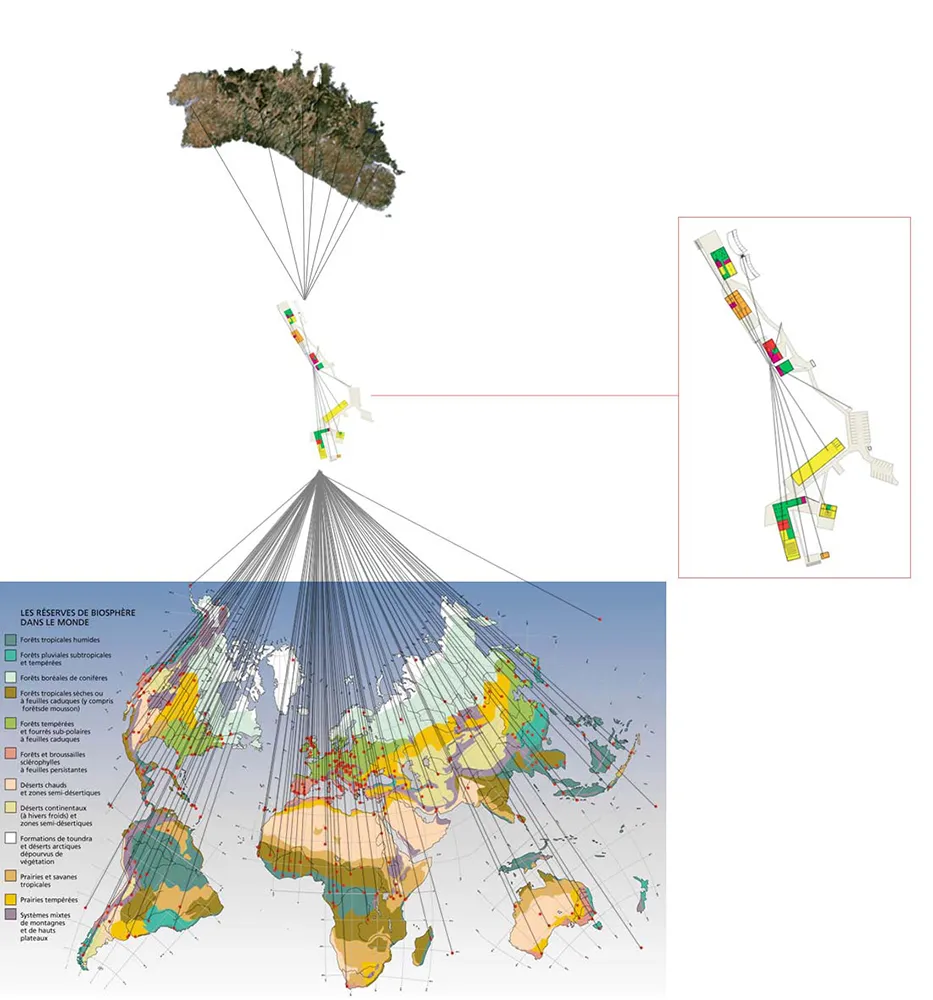
Drafting of the preliminary project for the future Interpretation Centre of the Menorca Biosphere Reserve, located on the mountain of S’Enclusa. The future facility will occupy the buildings of a former United States military base, restoring its structures and re-naturalising the surrounding environment.

The needs and usage programme of the future Interpretation Centre was defined through a broad participatory process, including a dedicated website and three in-person workshops. In addition, the preliminary project included a proposal for organising the outdoor spaces of the site, a mobility study for access, and the definition of intervention and operational criteria for the future centre, outlining its co-management, economic sustainability, net-zero environmental impact and energy and water self-sufficiency.
The work was carried out by an extensive transdisciplinary team using a participatory methodology. The result is an ambitious document featuring innovative proposals such as the creation of the S’Enclusa Resource Balance Agency and the drafting of an Environmental Report throughout the entire process (design, execution and management) of the future Interpretation Centre.

Categoria:

Status: Drafted

Client:
Consell Insular de Menorca
Environment, Biosphere Reserve and Cooperation

Location: Mountain of S’Enclusa, Ferreries, Menorca

Dates (start and completion): 2008–2009

Area: 13,700 m²

Budget (PEM): €7,200,000

Awards:
First prize in curricular and methodological proposal competition

Co-author: Jesús Cardona, architect

Consultants:
Miquel Truyol, biologist
Agnès Canals, biologist

Collaborators:
Josep Gavaldà, industrial engineer
Meritxell Briansó, technical industrial engineer
Miquel Buch, landscape architect
Rafael Pons, surveyor
Franc Muñoz, programmer and graphic designer
Cristobal Barber, historian
Antoni J. Montaner, lawyer
Rafael Capó, telecommunications engineer

Acknowledgements:
David Pon, Minuartia SL
Albert Sagrera, Societat Orgànica

Images: Ferran Vizoso & Jesús Cardona

J. Ll. Mateo Chair, ETH Zurich

J. Ll. Mateo Chair, ETH Zurich

Architectural Design Chair of J. Ll. Mateo, Department of Architecture, Eidgenössische Technische Hochschule (ETH), Zurich, Switzerland. 2004

ETH Càtedra J. Ll. Mateo

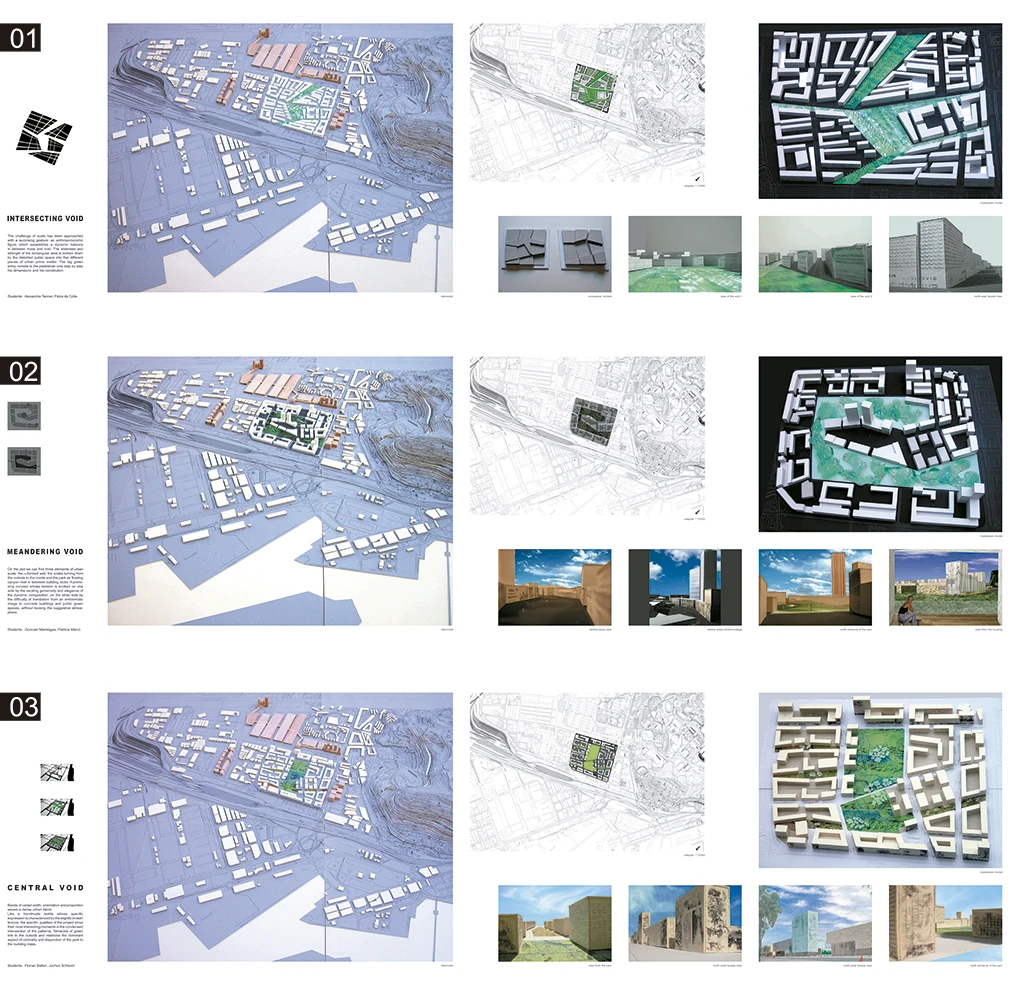
During the first semester of the 2004-05 academic year, Ferran Vizoso served as assistant professor at the Chair of Dr. Architect Josep Lluís Mateo in the Department of Architecture at ETH Zurich, Switzerland.

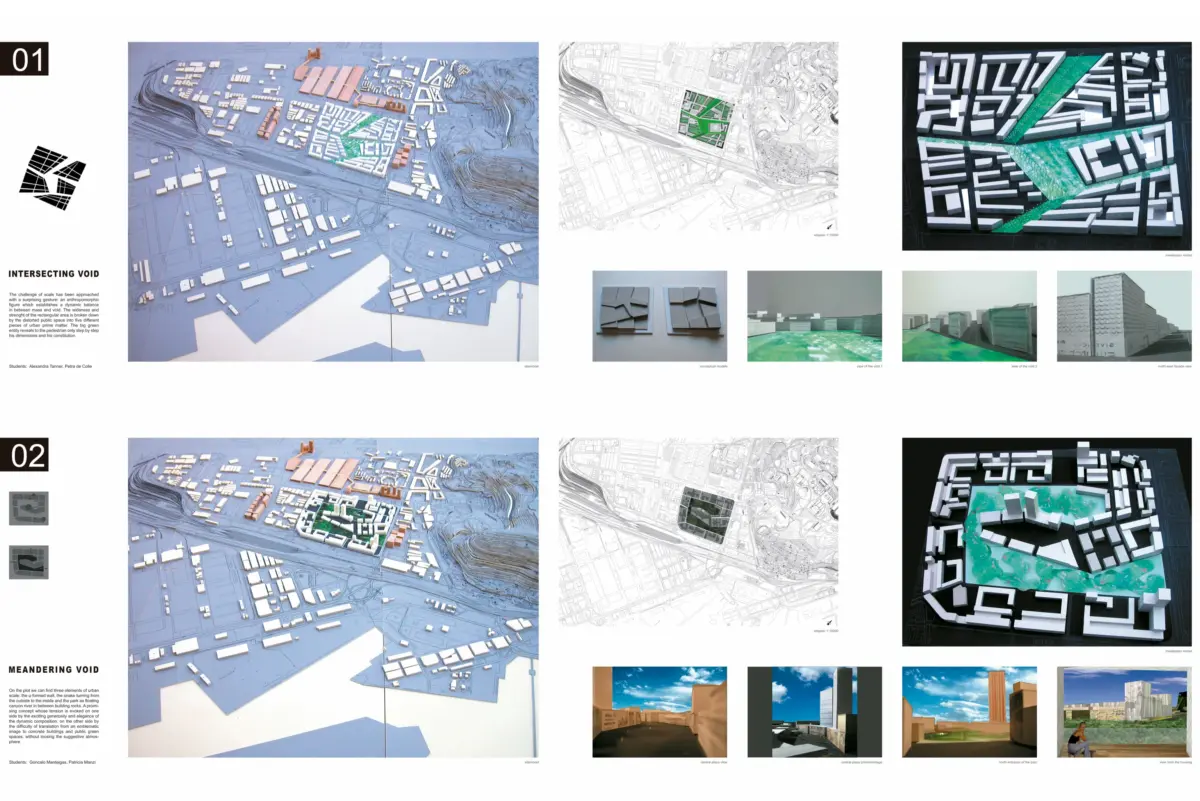
His teaching work consisted of developing an urban planning project for the Zona Franca in Barcelona, aimed at creating a new urban district. In addition, his tasks included preparing two study trips (Barcelona and Slovenia + Croatia) and conducting research on large-scale buildings and the urban planning strategies proposed for the area under development.

The works shown in the image belong to the following students: 1. Alexandra Tanner and Petra de Colle / 2. Gonçalo Manteigas and Patricia Manzi / 3. Floreian Ballan and Jochen Schleich