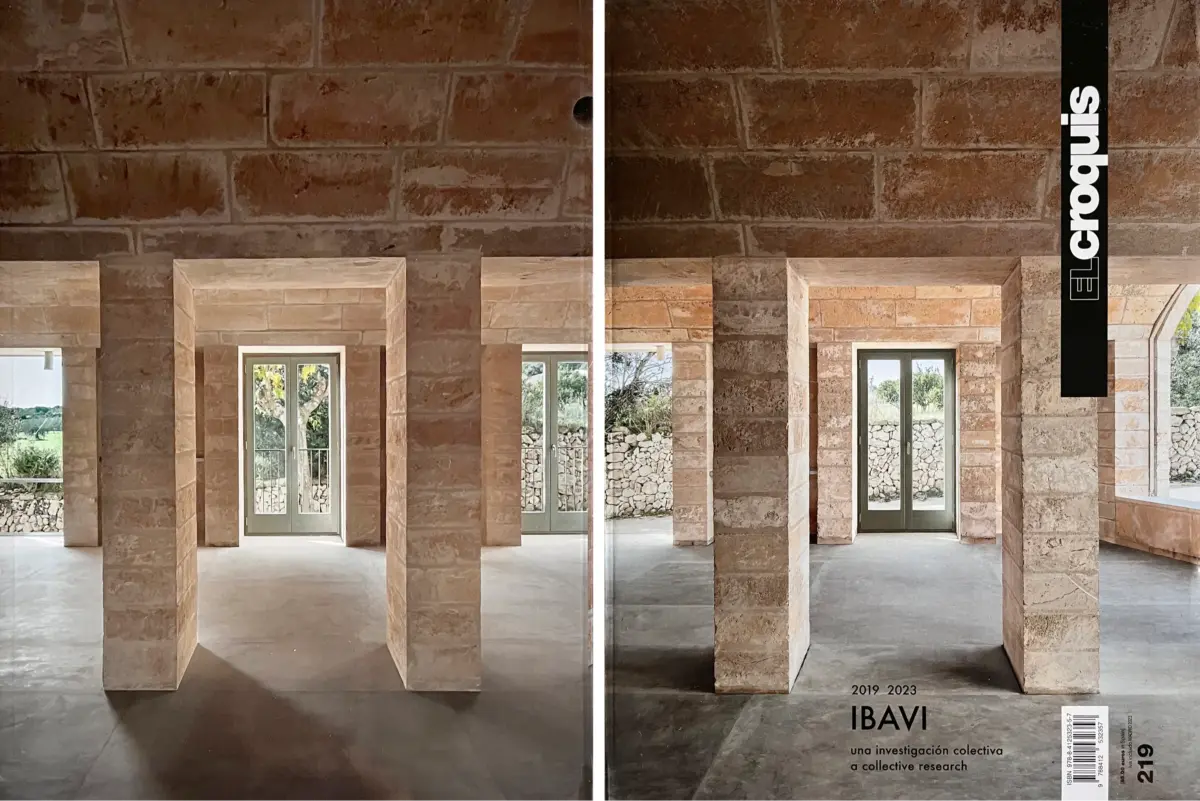
El Croquis 219

El Croquis 219

2019–2023 IBAVI. A collective investigation.
10.03.2023

El Croquis 219

This issue of El Croquis focuses on the Balearic Housing Institute (IBAVI) and its contribution to the development and management of social housing in the Balearic Islands between 2019 and 2023, presenting 46 projects. Simbiotiqa participated in two of them: the 9 HPP in Es Migjorn Gran, Menorca (together with MIBA Architects) and the 11 HPP in Fornells, Es Mercadal, Menorca (together with J. Ferrando and J. E. Vilardell).

All the featured practices follow the principles of Life Reusing Posidonia (a project funded by the LIFE+ European programme for Nature Conservation and Climate Change Adaptation) and serve as examples of an architectural language that meets the Sustainable Development Goals (SDGs). They prioritise comfort through passive strategies to reduce energy poverty and emphasise the use of low-carbon, preferably local, materials. In addition, all designs incorporate gender perspective criteria while seeking the highest architectural quality.

Paradoxically, this new language, within the Mediterranean island context of the Balearic Islands, emerges from recovering, updating and adapting the region’s cultural heritage to contemporary needs1.

1 Adapted from the presentation text of El Croquis 219 on the publisher’s website: elcroquis.es/products/219-ibavi

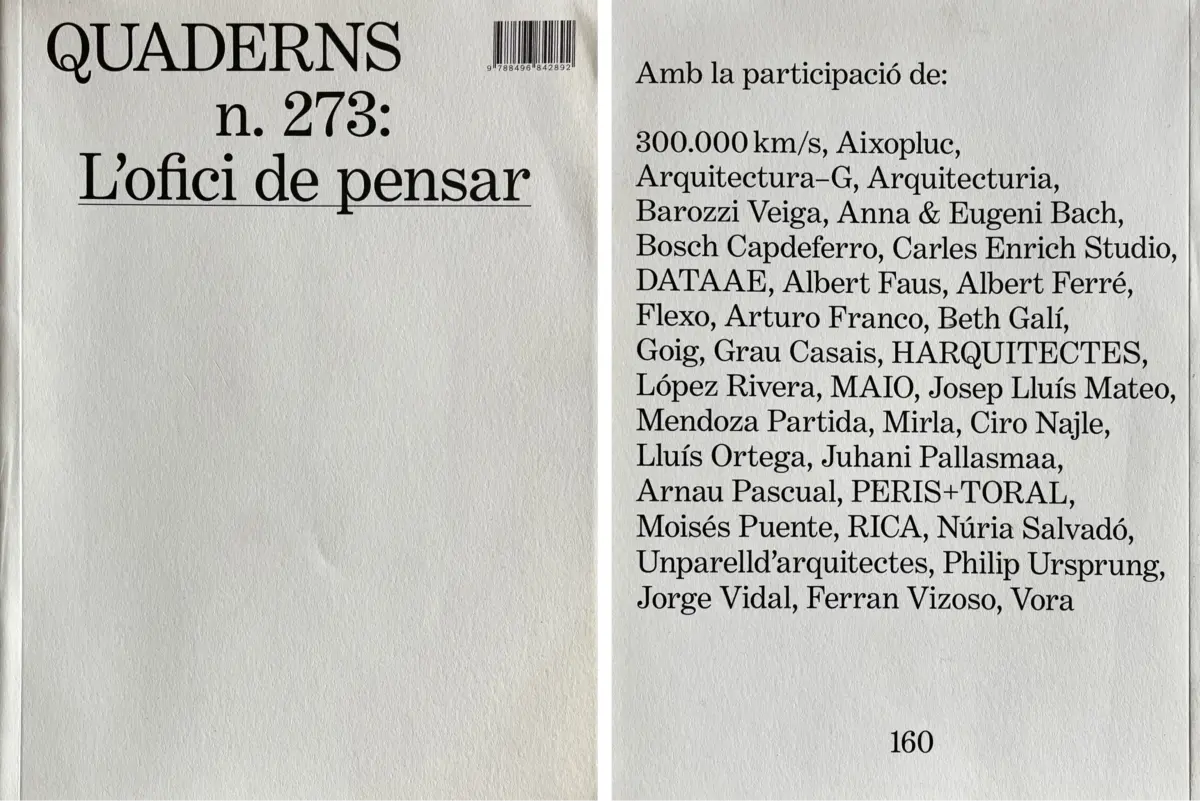
Quaderns 273

Quaderns 273

L’ofici de pensar, 21.09.2022

Quaderns 273

This issue of the COAC magazine, published in autumn 2022 and co-edited by guest editors J. Ferrando and M. Poch, reflects on the role of the architect, through their design processes, in shaping our habitat and architectural thinking.

Using a scientific perspective, the publication is structured around five methods (Empirical, Systematic, Historical, Measurement and Phenomenological), which allow the analysis of the processes of the selected studios. In total, 25 studios from a specific period, the crisis and post-crisis, present their creative map and their particular way of approaching architecture in today’s context.

The highlighted studios are: 300,000 km/s, Aixopluc, Arquitectura–G, Arquitecturia, Barozzi Veiga, Anna & Eugeni Bach, Bosch Capdeferro, Carles Enrich Studio, DATAAE, Albert Faus, Flexo, Goig, Grau Casais, HARQUITECTES, López Rivera, MAIO, Mendoza López Rivera, Lluís N., Un Parell d’Arquitectes, Jorge Vidal, Ferran Vizoso (Simbiotiqa) and Vora1.

1 dapted from the presentation text of Quaderns 273 on the COAC website: El Quaderns 273. L’OFICI DE PENSAR reflexiona sobre el paper de l’arquitecte i el paper arquitectònic – Centre Obert d’Arquitectura – COAC

The Menorcan Cultural Landscape, a Major Water Infrastructure

The Menorcan Cultural Landscape, a Major Water Infrastructure

Traditional water culture in Menorca, a model of sustainable water management.

El paisatge cultural menorquí: una gran infraestructura hídrica

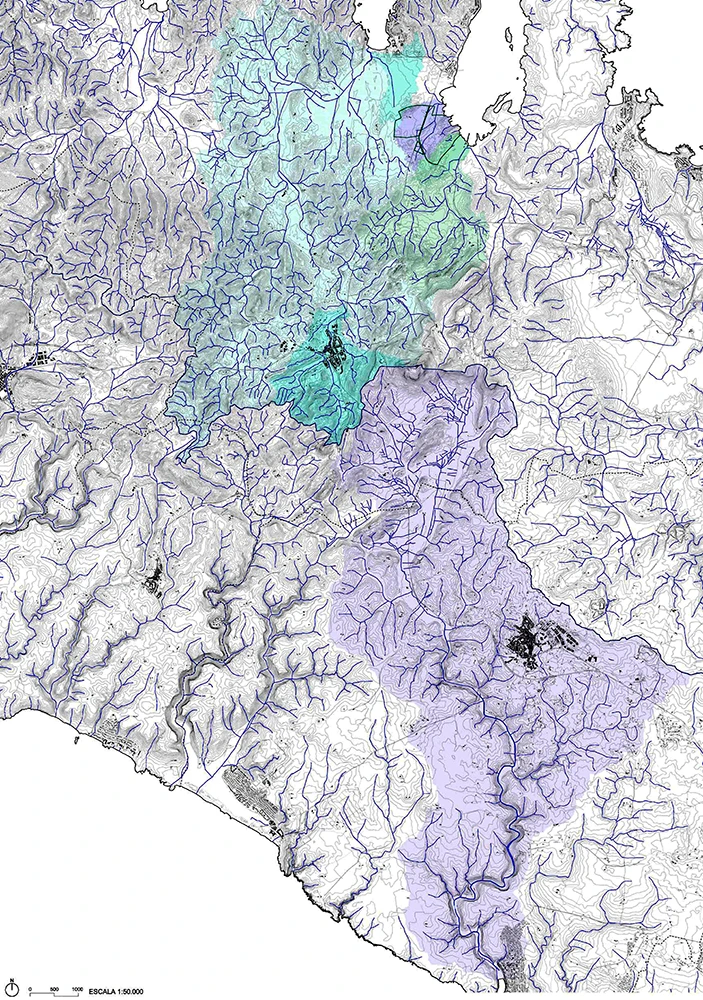
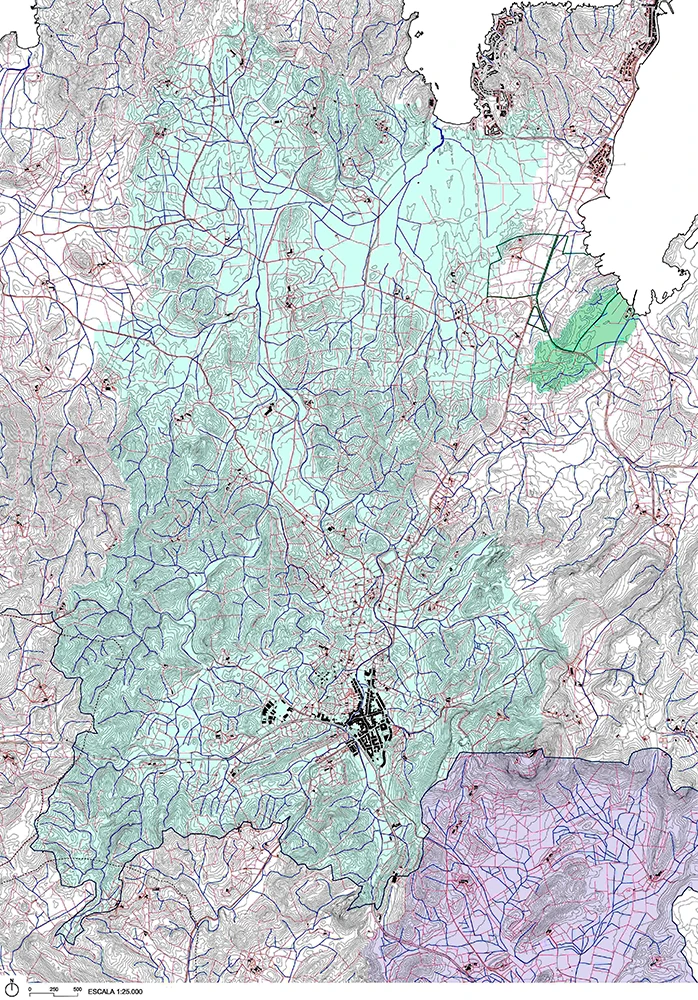
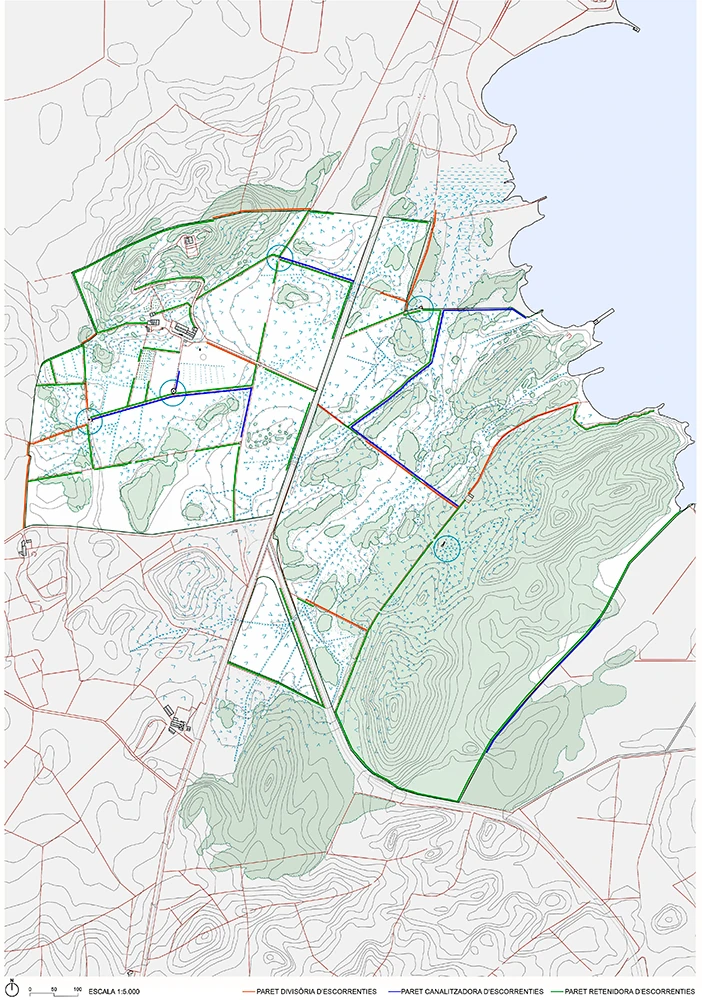
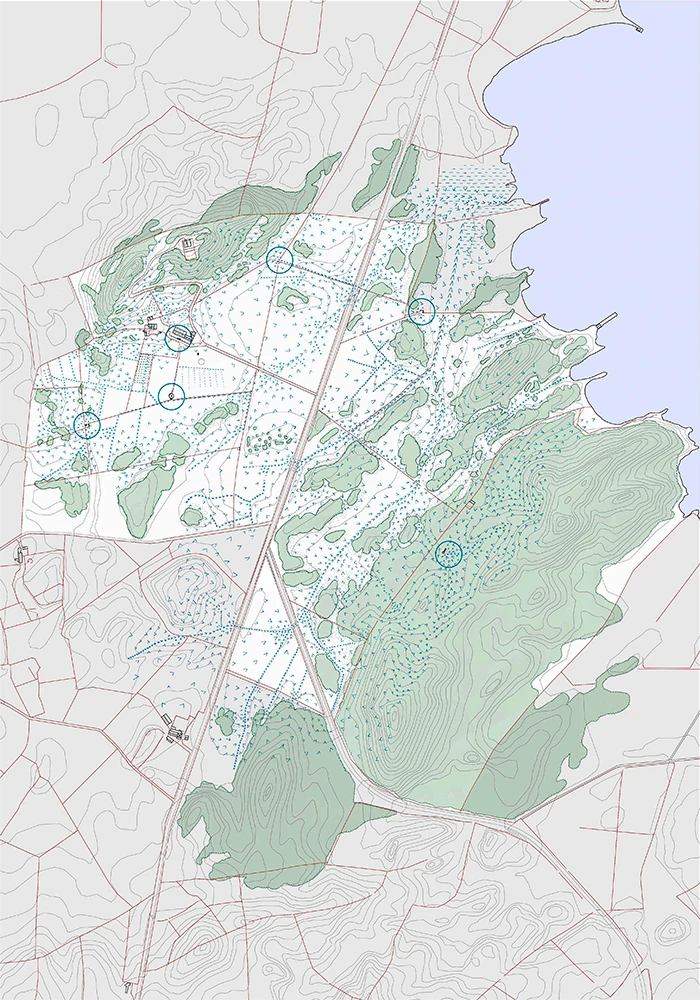
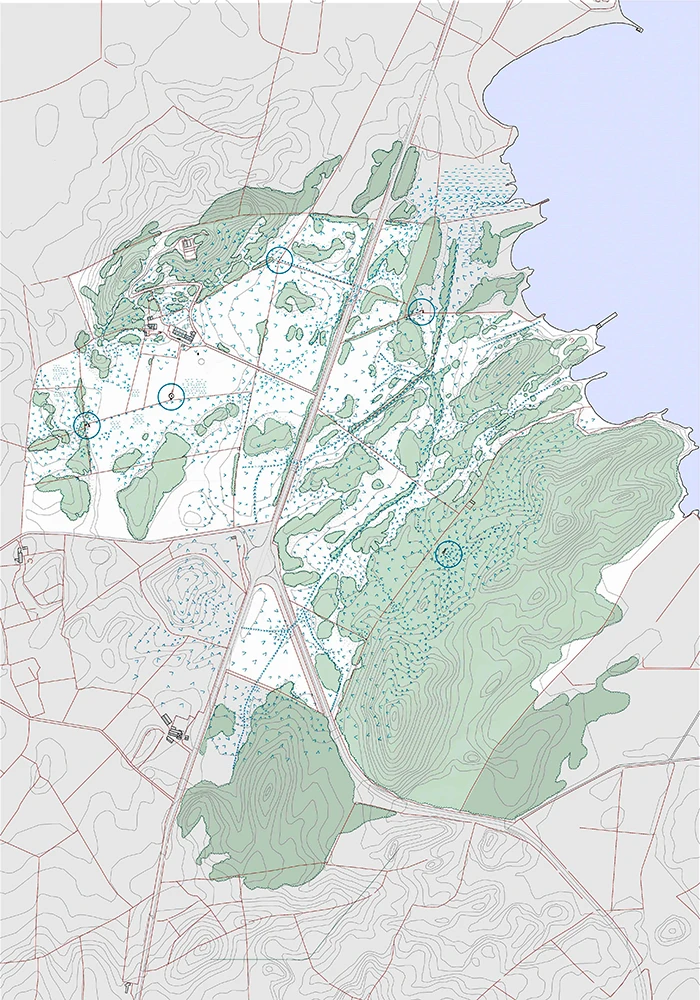
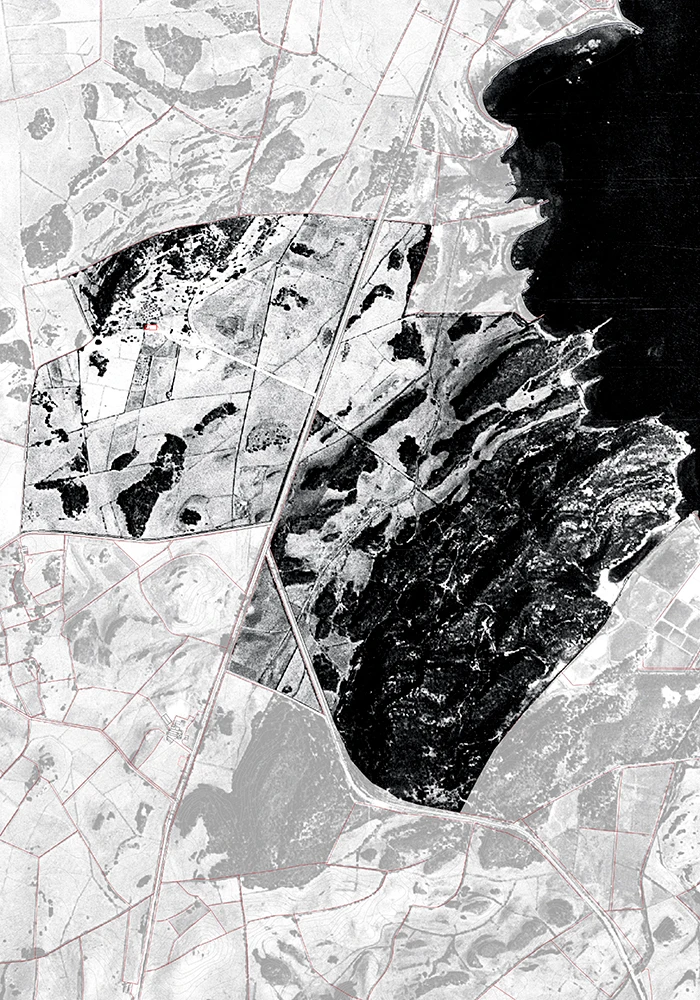
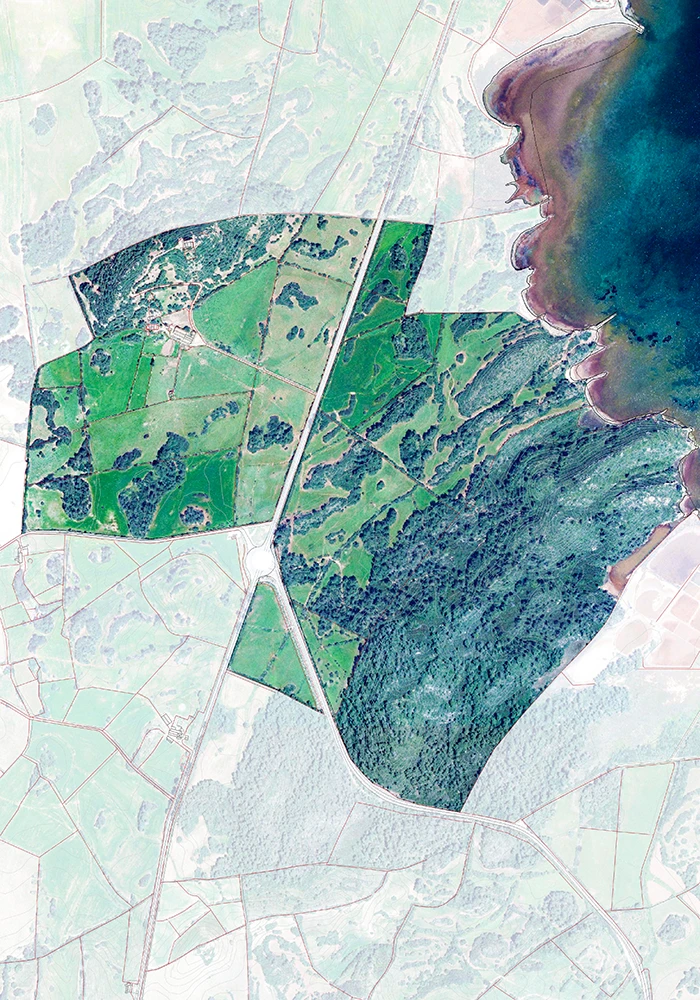
The research project, first prize winner of the 2013 call for research projects on Es Mercadal and Fornells (Ajuntament des Mercadal), analyses the traditional management of rainwater in the municipality of Es Mercadal. The study was carried out at three different scales: that of buildings and cisterns (object), that of the settlement (urban) and that of the cultural landscape (territorial). It demonstrates that the capture, storage and management of rainwater was entirely trans-scalar and transversal, from collecting water on a small roof to transforming the entire island territory into a large-scale hydrological management infrastructure.

In Menorca, for many centuries, cisterns and water tanks enabled people and their animals to survive the severe dry season characteristic of the Mediterranean climate. From mid-May to late August, rainfall drops dramatically, precisely when temperatures reach their annual maximums. This creates significant “water stress”, when organisms need hydration the most and water is least available. All species must therefore seek mechanisms to survive.

This collection and storage of rainwater made it possible to have water during periods without precipitation. Seen this way, all the cases studied transform rain that falls from the sky and escapes quickly into stored fresh water, a vital and highly valued resource. The study concludes that on the island of Menorca, until the second half of the twentieth century, all impermeable and sloped surfaces were used to collect this natural resource. “Not a drop wasted” was the guiding principle, sometimes to almost obsessive extremes.

Traditional water management was not limited to cisterns and tanks. Houses, both urban and rural, towns and even the entire island territory, carefully modified to manage runoff, all formed part of this essential system. The research shows that in traditional Menorca, still very present in many places, all elements of the built landscape (houses, paths, fences, farmsteads, streets, courtyards, squares, threshing floors, dry stone walls…) are in fact small parts of a vast hydrological management infrastructure present in every corner of the island.

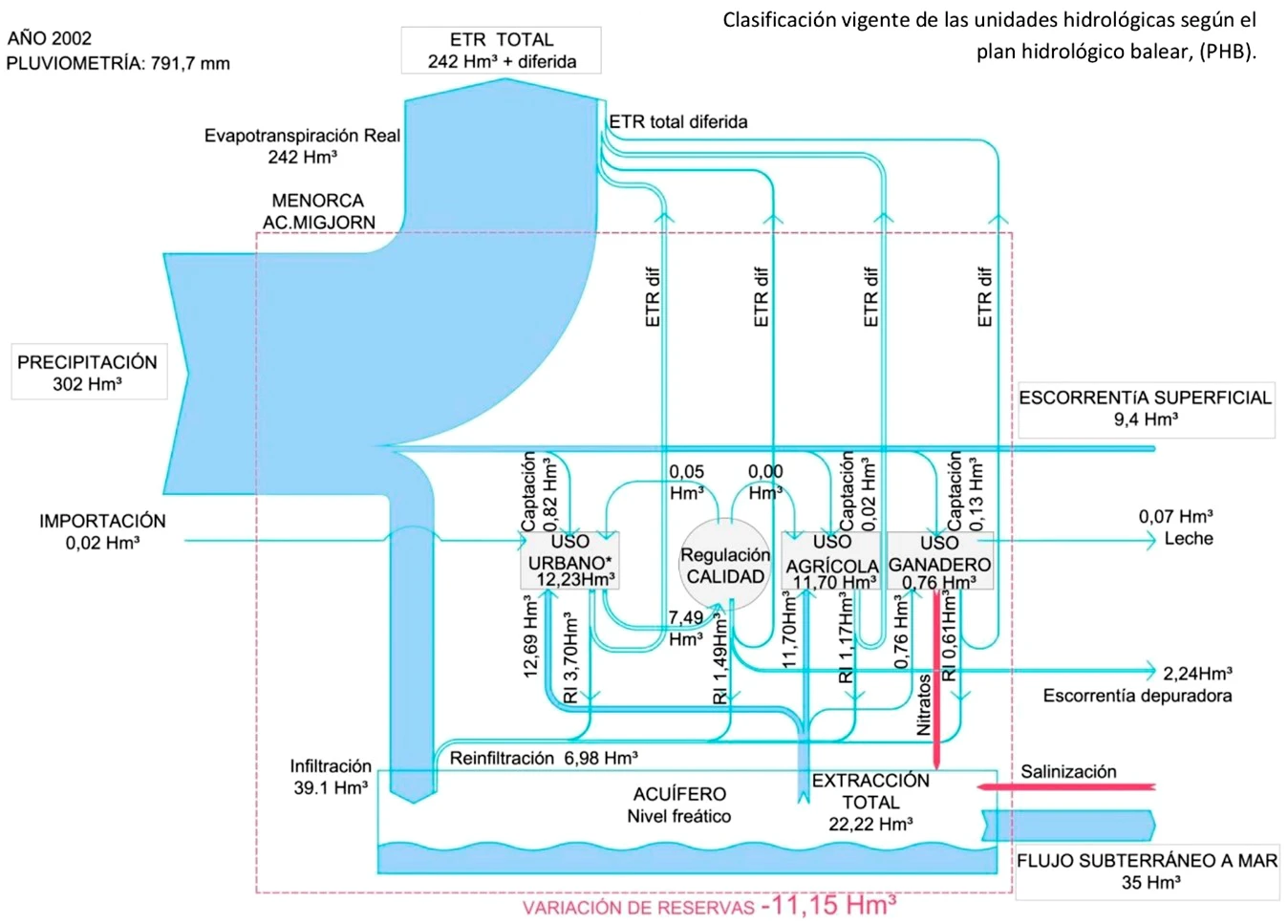
The image “Current classification of hydrological units according to the Balearic Hydrological Plan (PHB)” shows the hydrological balance of the Es Migjorn aquifer, prepared by Leticia de la Vega in her Master’s Thesis directed by Professor Albert Cuchí “Analysis of the Menorcan Hydrological Cycle, for a sustainable territorial management”. The diagram clearly shows that most of the island’s annual precipitation (302 Hm3) does not recharge the aquifers, but is “lost” through evapotranspiration (242 Hm3) or surface runoff returning to the sea (9.4 Hm3). It is important to highlight that the rainwater collected by cisterns, buildings and the territory belongs mostly to these two major flows and therefore does not affect aquifer recharge through infiltration.

Date: 2013–2017

Author: Ferran Vizoso, architect

Collaborators: Gian Marco, Daniele Russo and Lorena Finocchiaro, architecture students

University at Buffalo

University at Buffalo

Department of Architecture, Barcelona Summer Workshop. 2009-2016

University at Buffalo

Between 2009 and 2016, Ferran Vizoso participated as an invited local instructor in six editions of the summer workshop organised in Barcelona by the Department of Architecture of the University at Buffalo, New York, United States.

His teaching involvement began as a guest critic for the final presentations of the students’ work (2009) and later continued as an invited local instructor (2011, 2012, 2013, 2014 and 2016). His tasks included developing small independent exercises and collaborating in the development of the workshop’s main assignment. The “Barcelona Summer Workshop” was initially directed by Professor Bonnie Ott and later by Professor Dennis Maher.

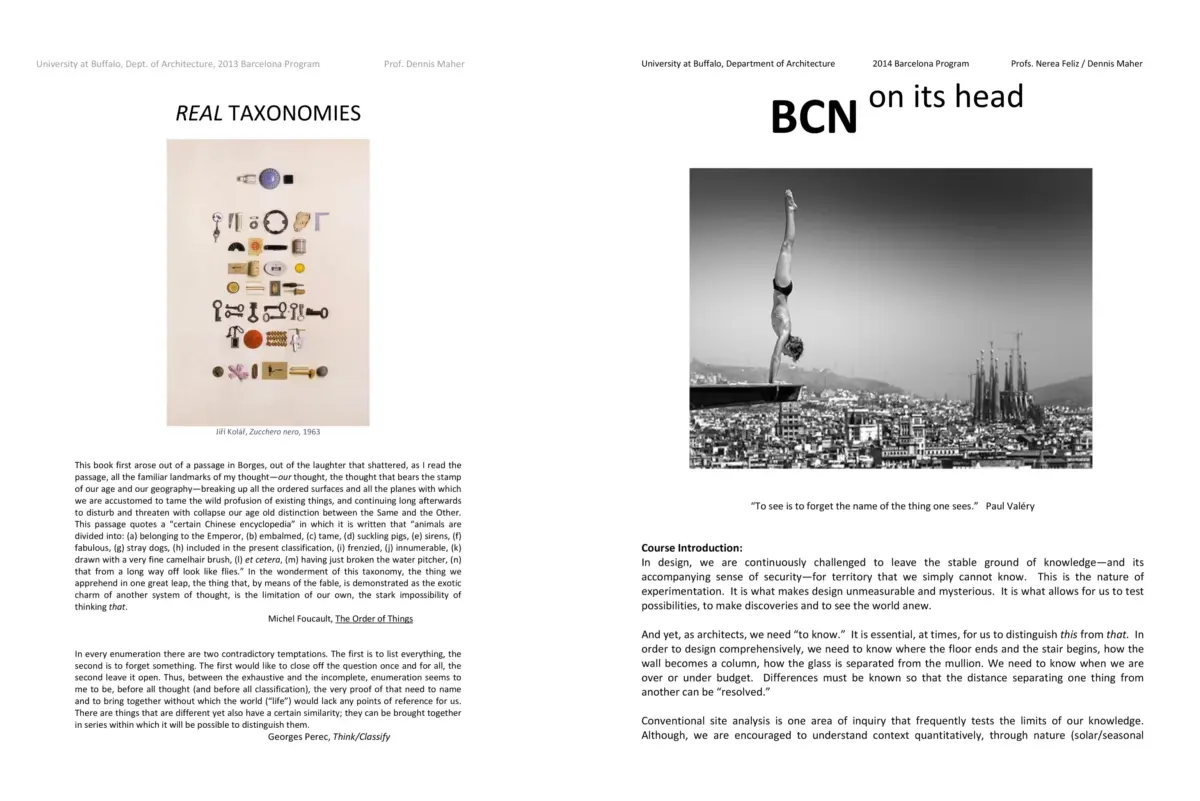
The image shows the covers of the teaching proposals from the 2013 and 2014 workshops.

La Unidad

La Unidad

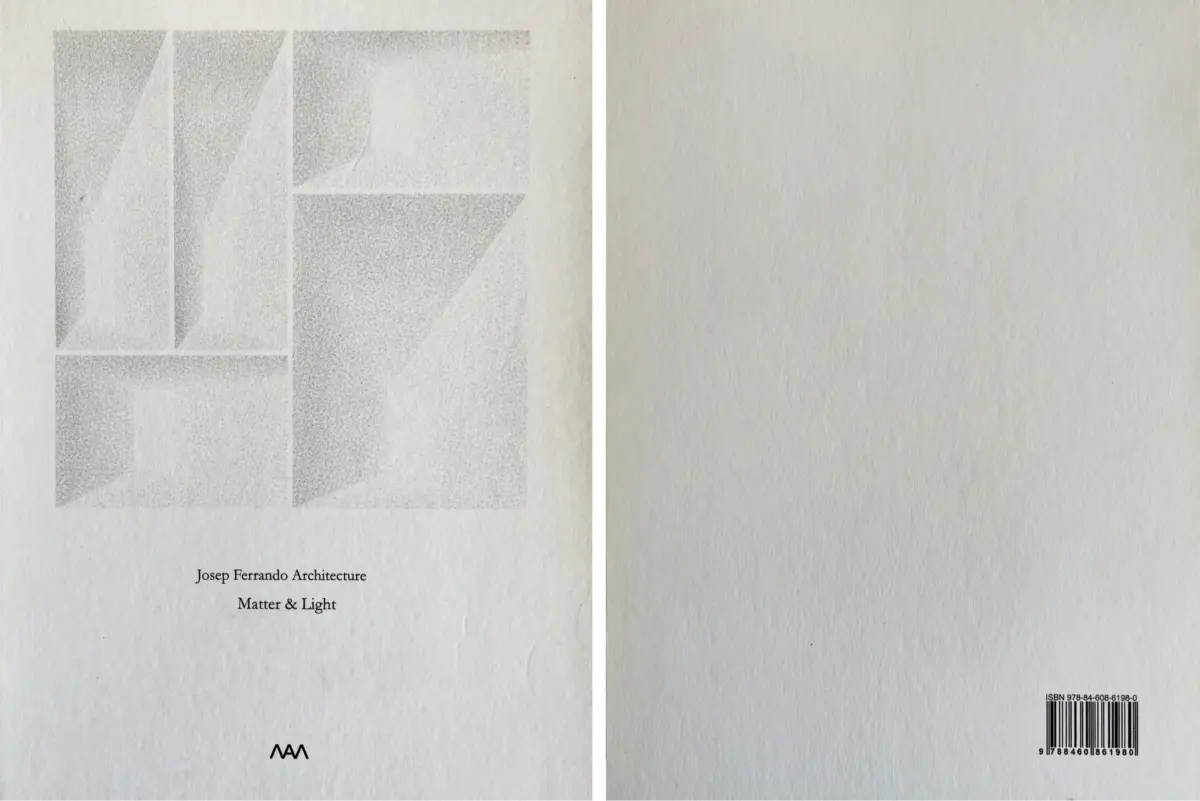
Josep Ferrando Architecture, “Matter and Light”, 28.04.2016

La Unidad

Text by Ferran Vizoso for the book “Matter and Light”, the catalogue of the monographic exhibition on the work of Josep Ferrando Architecture at the Museum of Modern Art of Rio de Janeiro, Brazil.

“La Unidad” introduces a series of small-scale projects by J. Ferrando, including furniture and installations, grouped at the end of the publication. Through the description of the hidden geometry embedded in the aggregation of the slats of a small construction, the text reveals some of Josep’s design methodologies:
“But there is more. To the systemic multiscalarity and the radical efficiency of the small slat used in the Buenos Aires structure, a third virtue must be added, a seductive mystery. The small notch at the centre of the piece allows three units to interlock, forming a three-dimensional cross which, when aggregated with others, builds the entire assembly. The key point is that the geometry of the joint hides the interfaces between the three rods, making it impossible to understand how they come together and, by extension, how the entire system is constructed. The discomfort generated by this mystery is highly evocative, because we cannot reveal it either (we would have to dismantle the construction). The sensation it produces resembles that of a child before a world yet to be discovered and opens a pleasant fissure in the high walls of certainty that we all eventually erect around ourselves.”

Ferran Vizoso (2015)

Sa Pluja Architecture in Menorca

Sa Pluja Architecture in Menorca

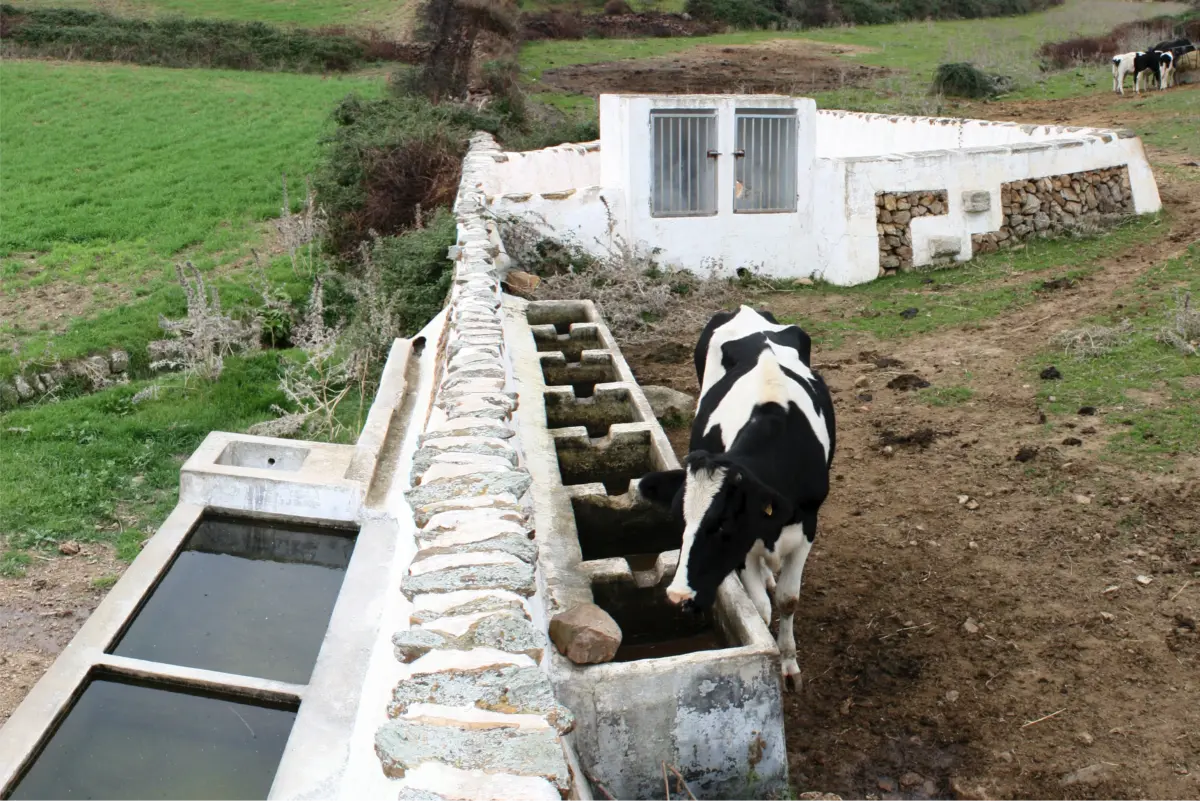
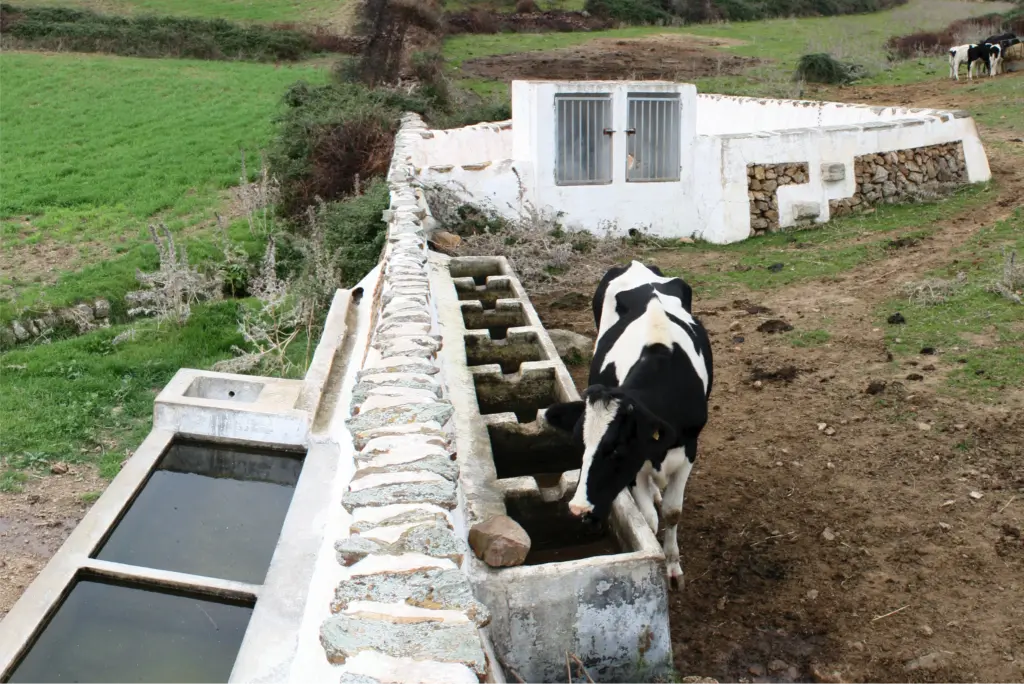
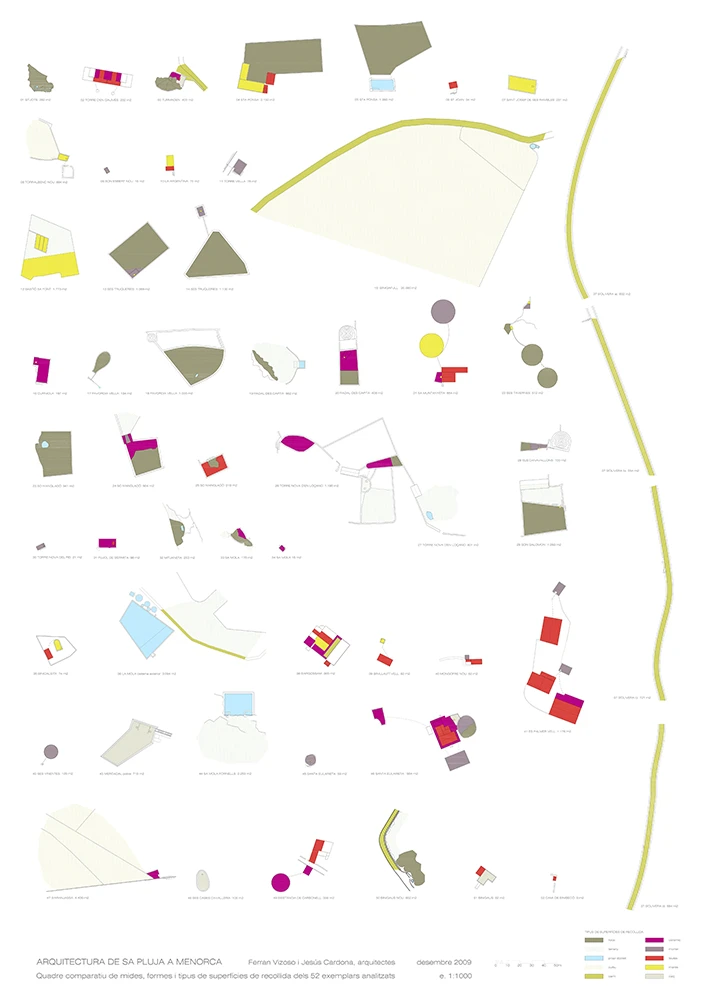
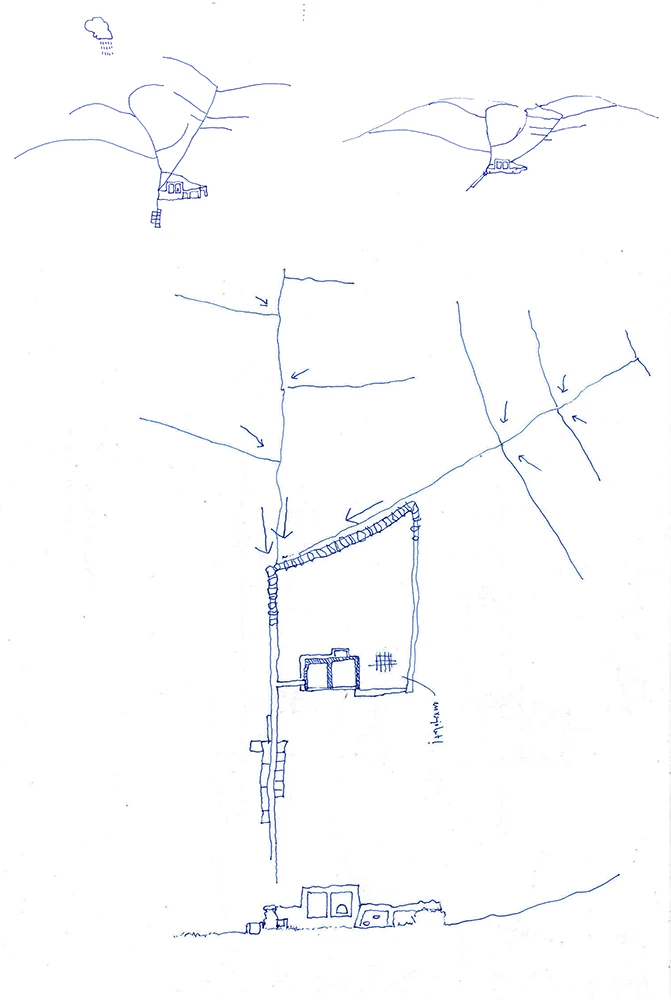
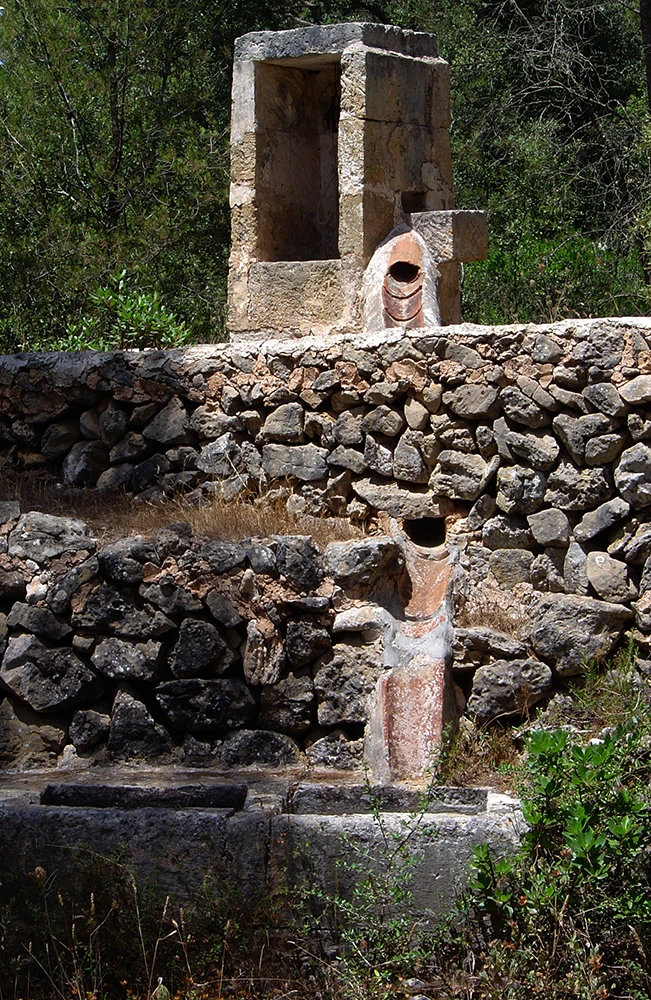
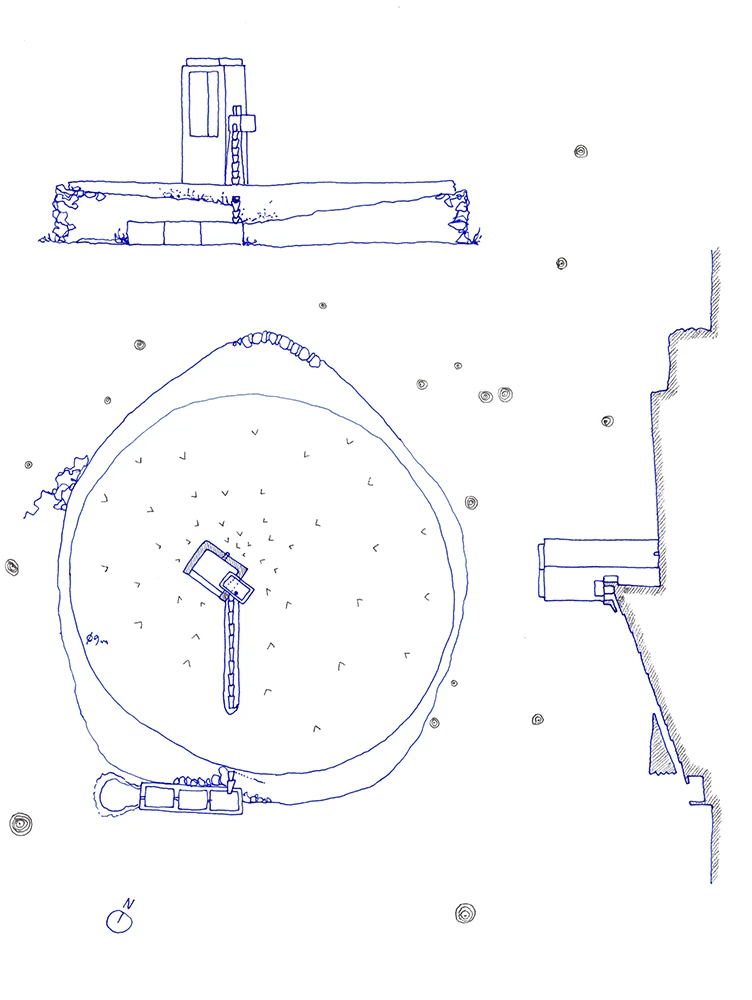
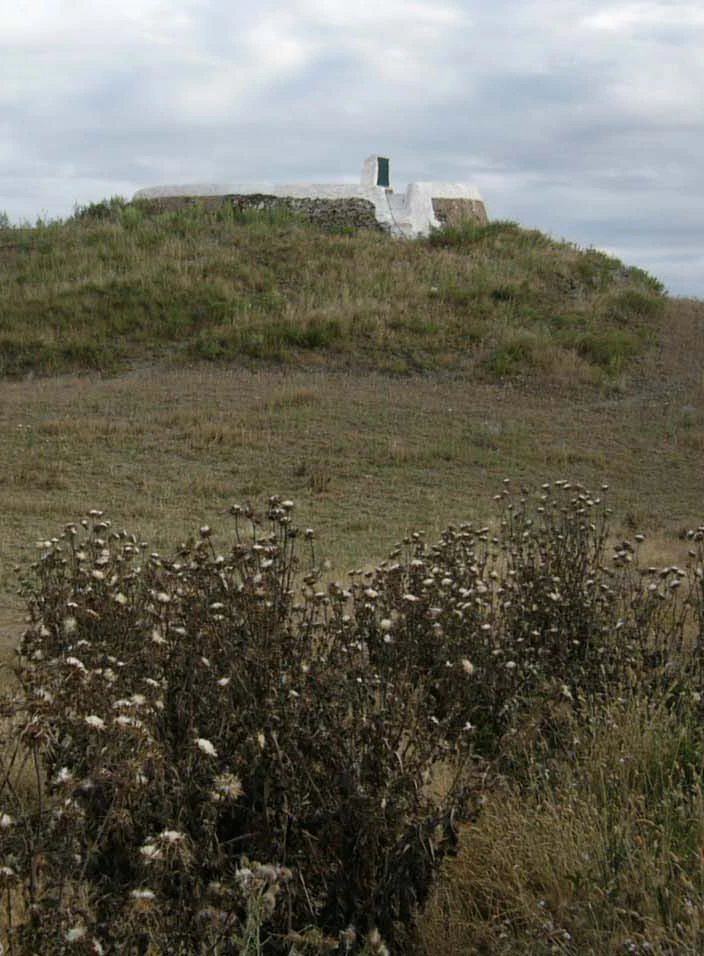
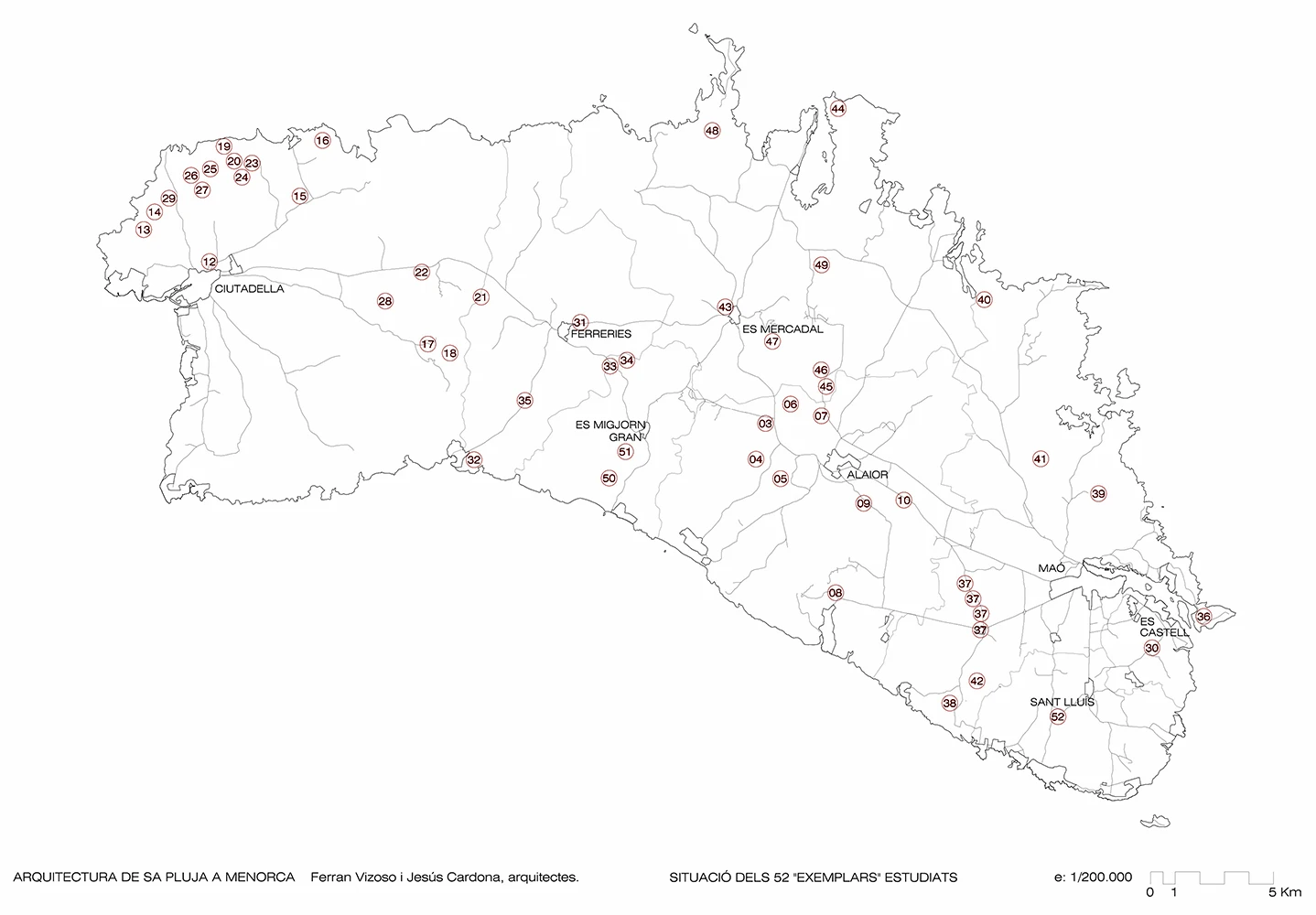
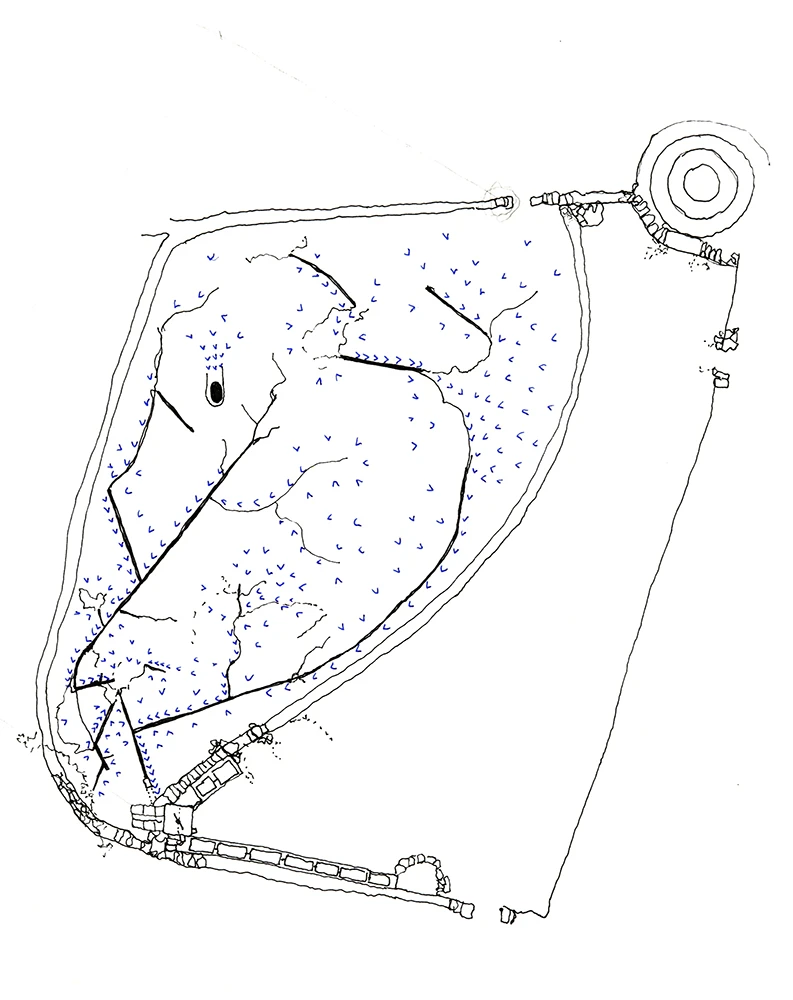
Study of 52 examples of traditional surface rainwater harvesting systems.

Arquitectura de Sa Pluja a Menorca

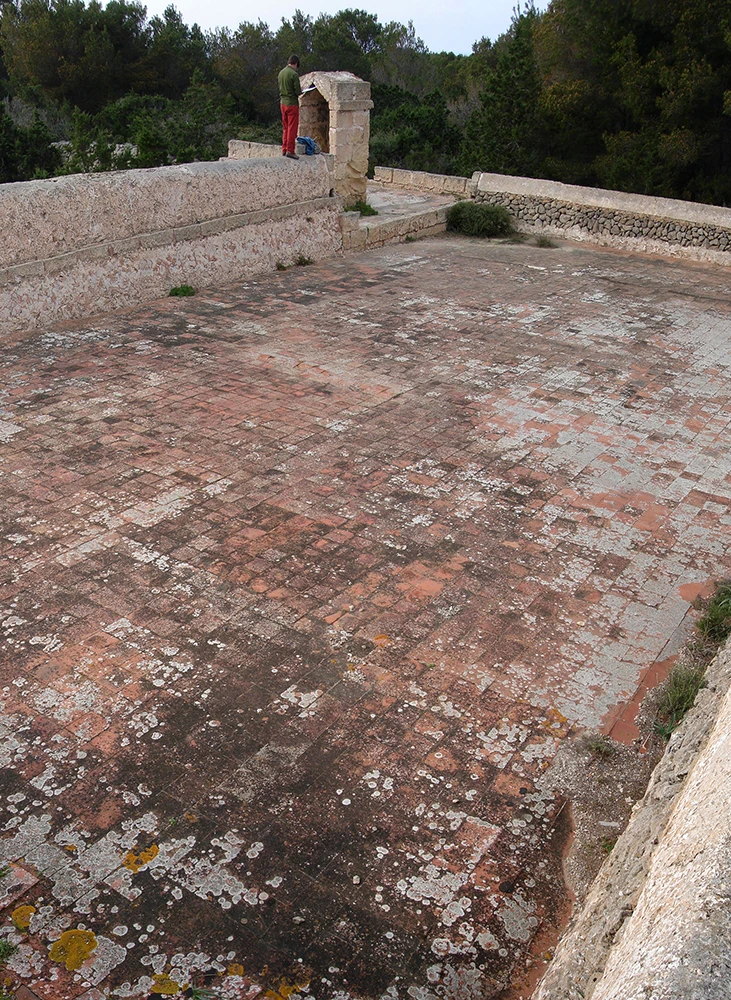
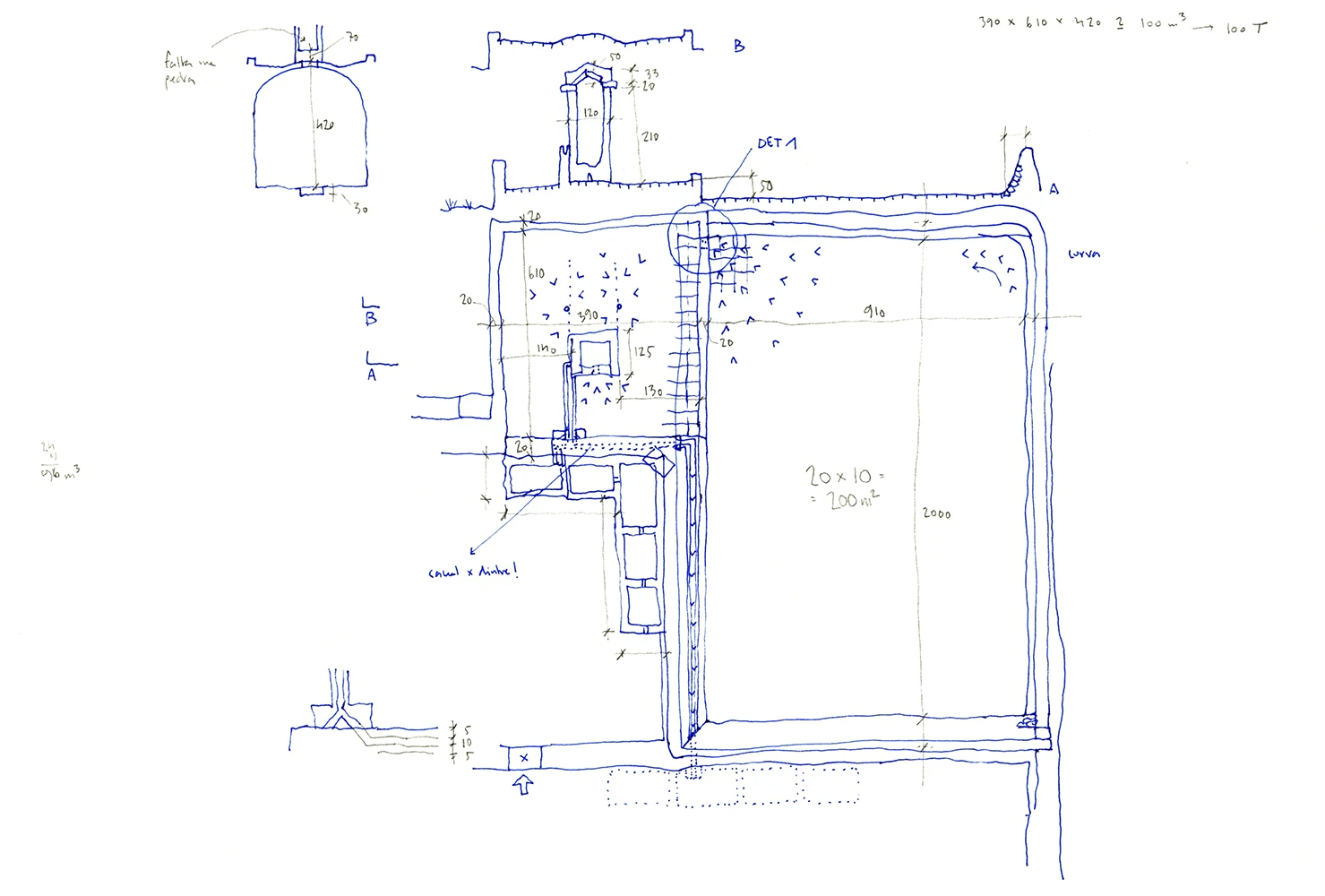
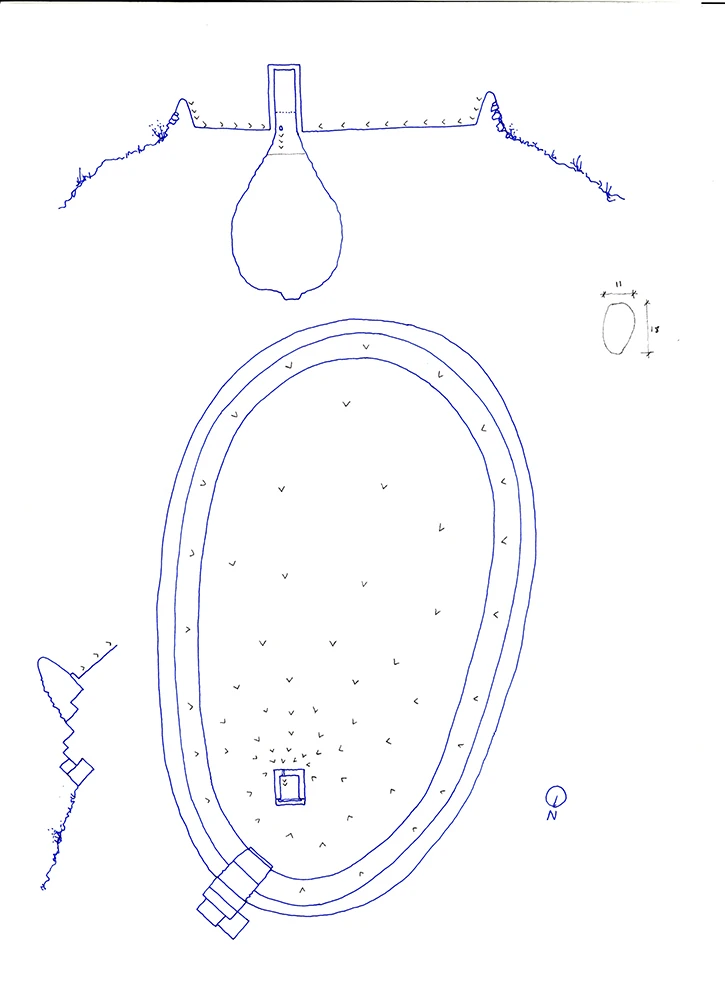
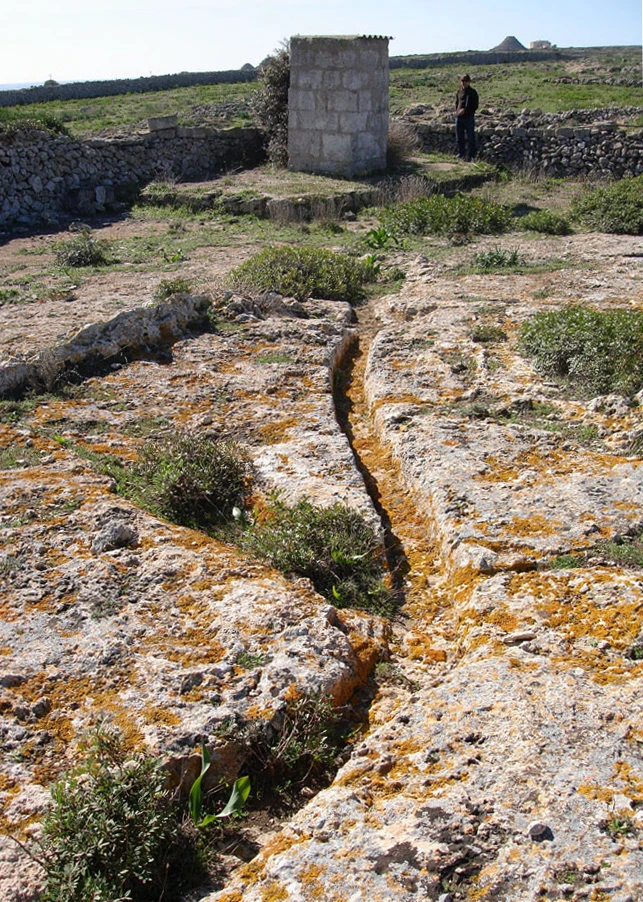
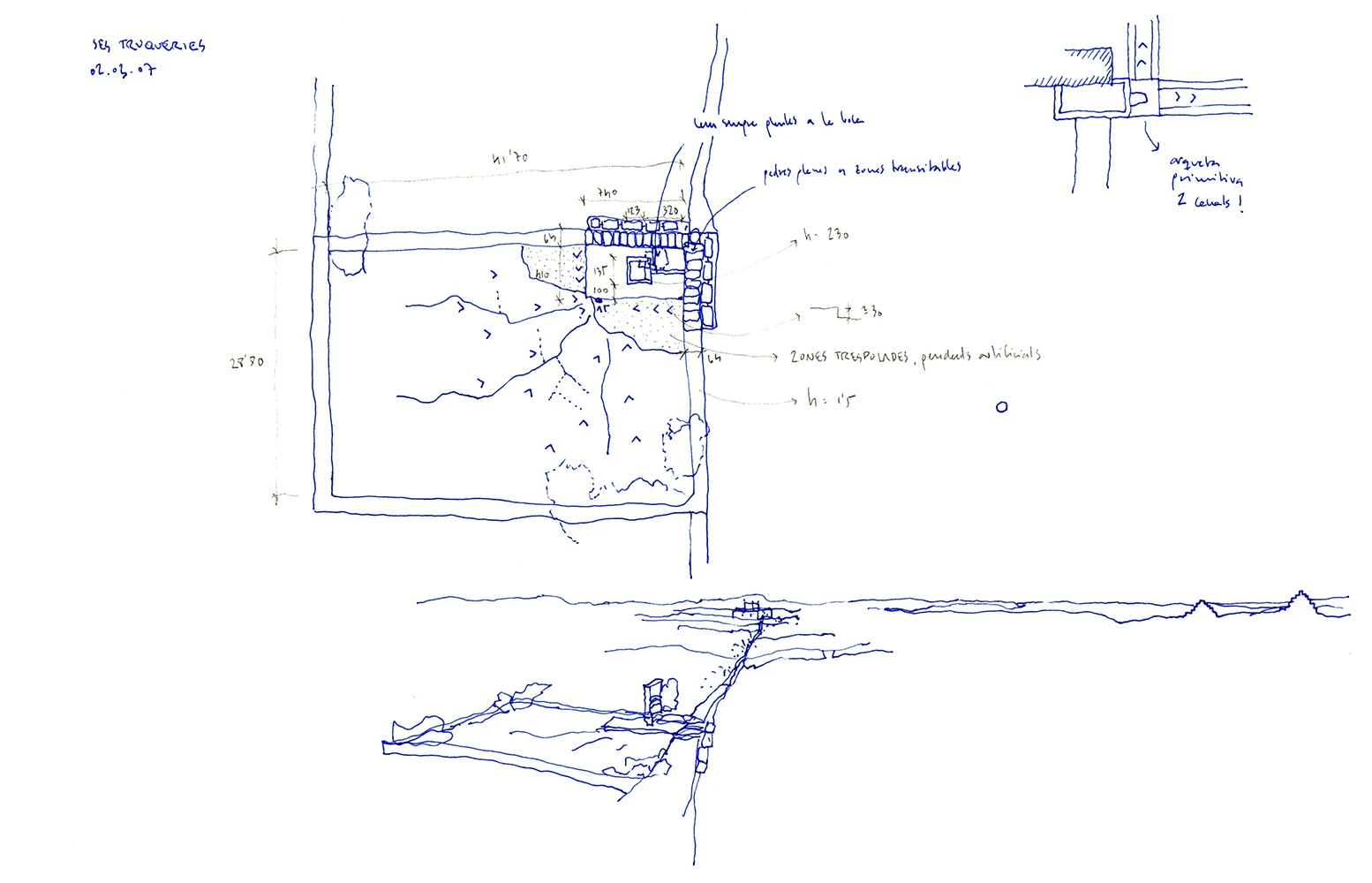
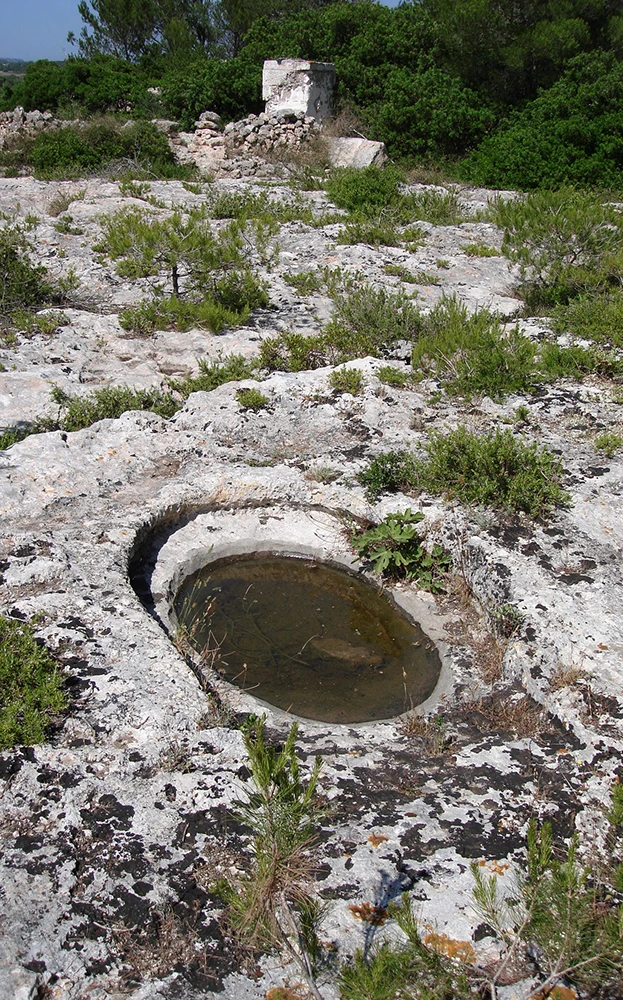
The work consisted primarily of extensive field research, visiting and documenting references provided by various experts in Menorca’s traditional architecture. Semi-random explorations in search of rainwater collection systems led us to rural houses, ravines, orchards, talayotic settlements, farmland, gardens, huts and cattle sheds. From the many visits carried out, documentation was distilled on a wide range of ingenious solutions designed to capture and use rainwater.

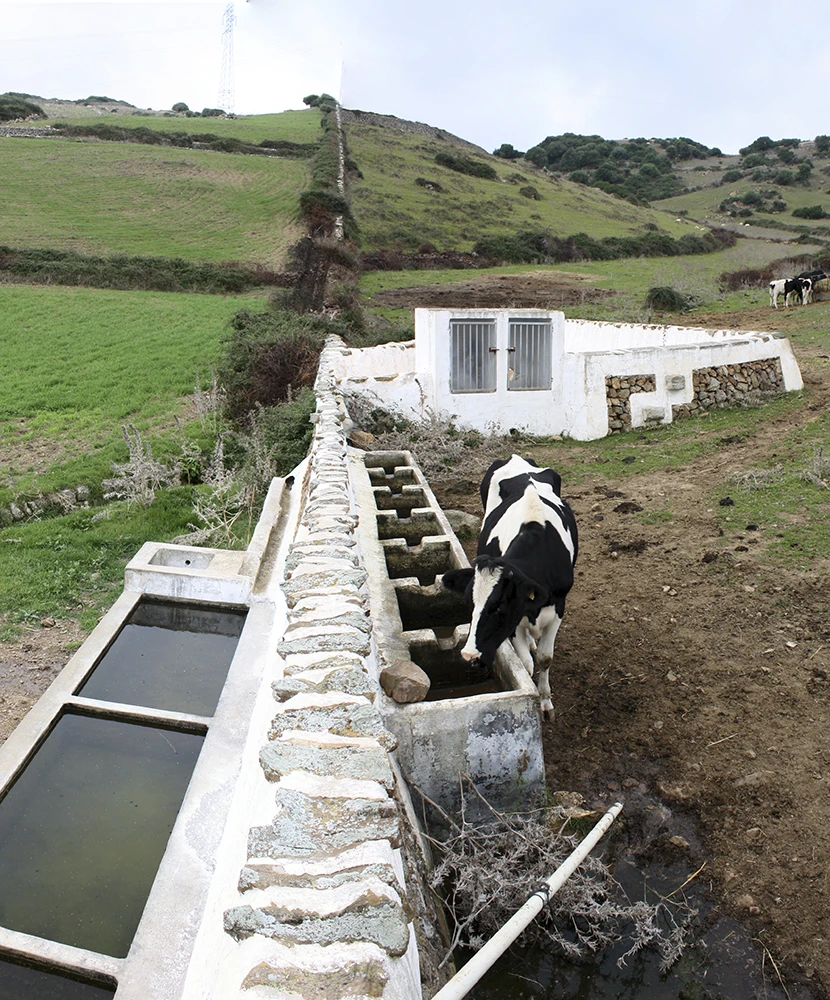
Over months of work we discovered an entire family of constructions and territorial interventions expressly created to capture, store and distribute rainwater. These ranged from simple excavations in the rock to sophisticated tanks covered with barrel vaults. A collection of elements that together constitute a genuine “architecture of rain”, since their specific purpose is to harness this precious resource.

This collection and storage of rainwater made it possible to have water during times of the year without precipitation. Seen this way, all the cases studied transform rain, which falls from the sky and runs away quickly, into stored fresh water, a vital and highly valued resource. The study shows that in Menorca, until the second half of the twentieth century, every impermeable and sloped surface was used to collect this natural resource. “Not a drop wasted” was the guiding principle, sometimes to obsessive extremes.
The research was carried out jointly with architect Jesús Cardona through a COAIB Research Grant in Architecture, Urban Planning, Territorial Management, Heritage and Environment announced in 2004 (awarded on 18 March 2005) and a grant from the Institut Menorquí d’Estudis in 2007 (awarded on 9 February 2006)1.

1 Adapted from the research presentation text for COAIB and IME.

Date: 2005–2009

Authors: Ferran Vizoso and Jesús Cardona, architects

Collaborator: Xosé Domínguez, architect

Advisor: Elías Torres Tur, architect

J. Ll. Mateo Chair, ETH Zurich

J. Ll. Mateo Chair, ETH Zurich

Architectural Design Chair of J. Ll. Mateo, Department of Architecture, Eidgenössische Technische Hochschule (ETH), Zurich, Switzerland. 2004

ETH Càtedra J. Ll. Mateo

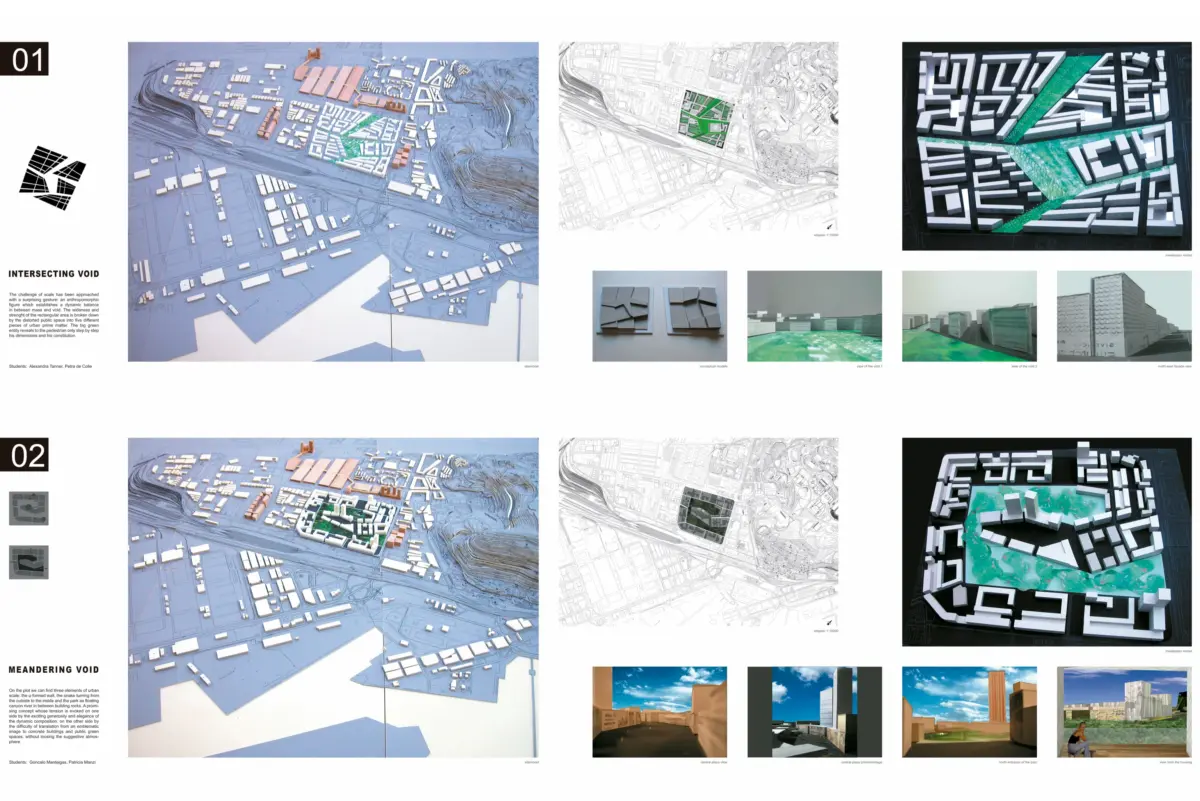
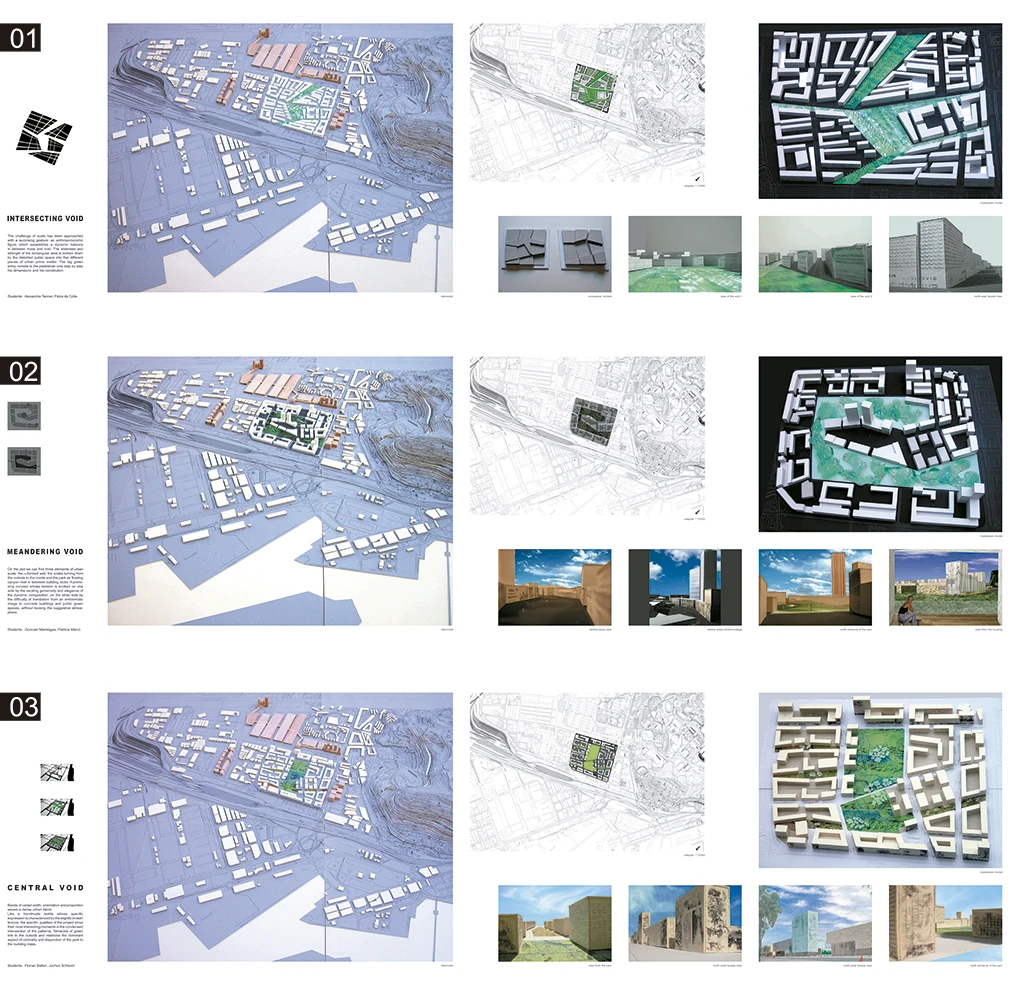
During the first semester of the 2004-05 academic year, Ferran Vizoso served as assistant professor at the Chair of Dr. Architect Josep Lluís Mateo in the Department of Architecture at ETH Zurich, Switzerland.

His teaching work consisted of developing an urban planning project for the Zona Franca in Barcelona, aimed at creating a new urban district. In addition, his tasks included preparing two study trips (Barcelona and Slovenia + Croatia) and conducting research on large-scale buildings and the urban planning strategies proposed for the area under development.

The works shown in the image belong to the following students: 1. Alexandra Tanner and Petra de Colle / 2. Gonçalo Manteigas and Patricia Manzi / 3. Floreian Ballan and Jochen Schleich