11 HPP IBAVI Fornells

11 HPP IBAVI Fornells

11 HPP Ibavi Fornells

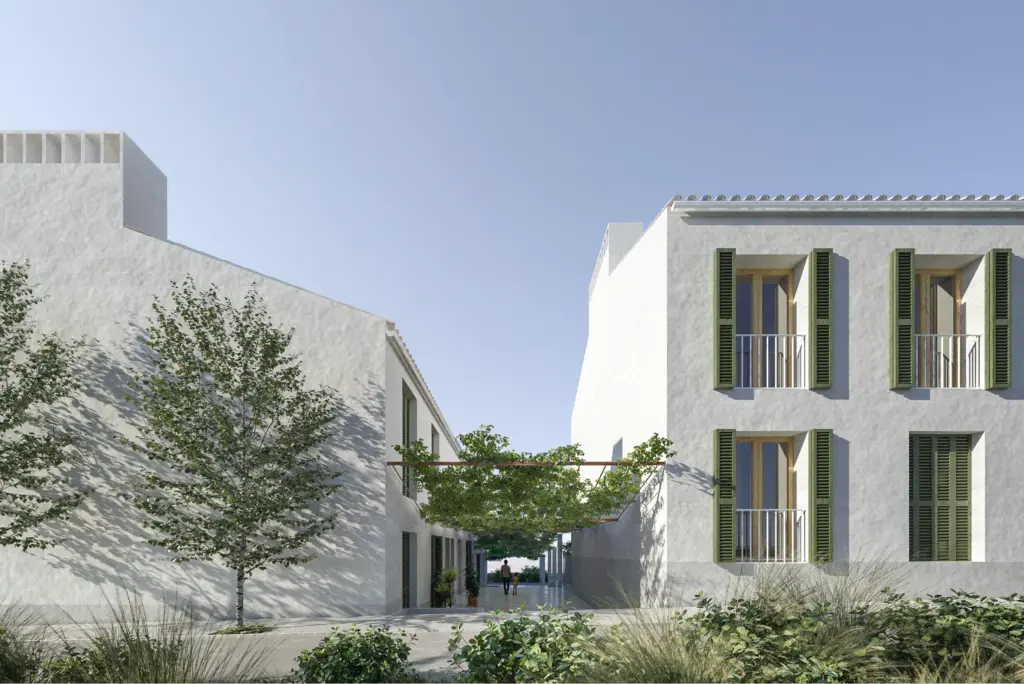
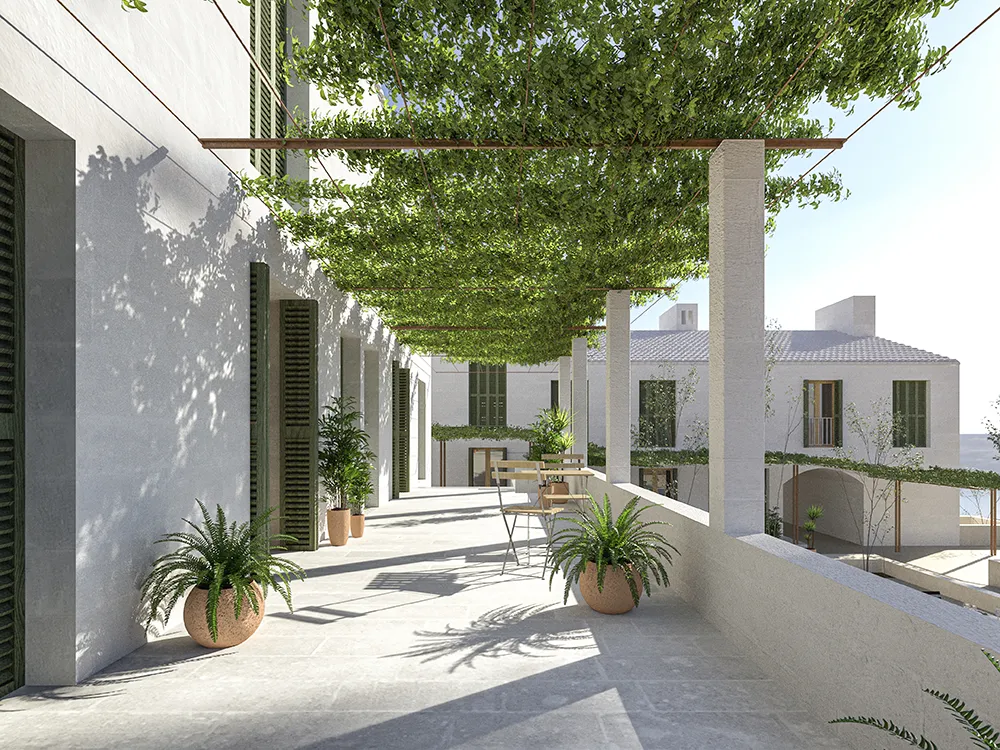
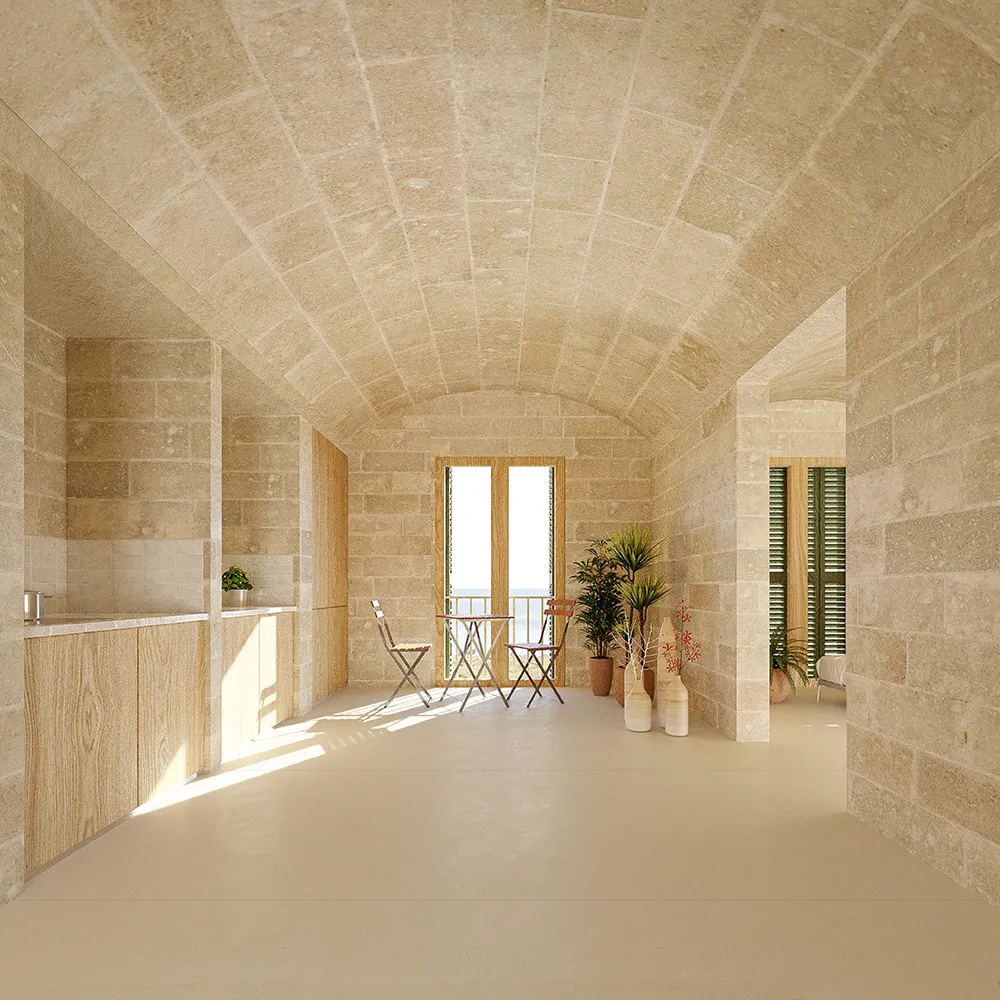
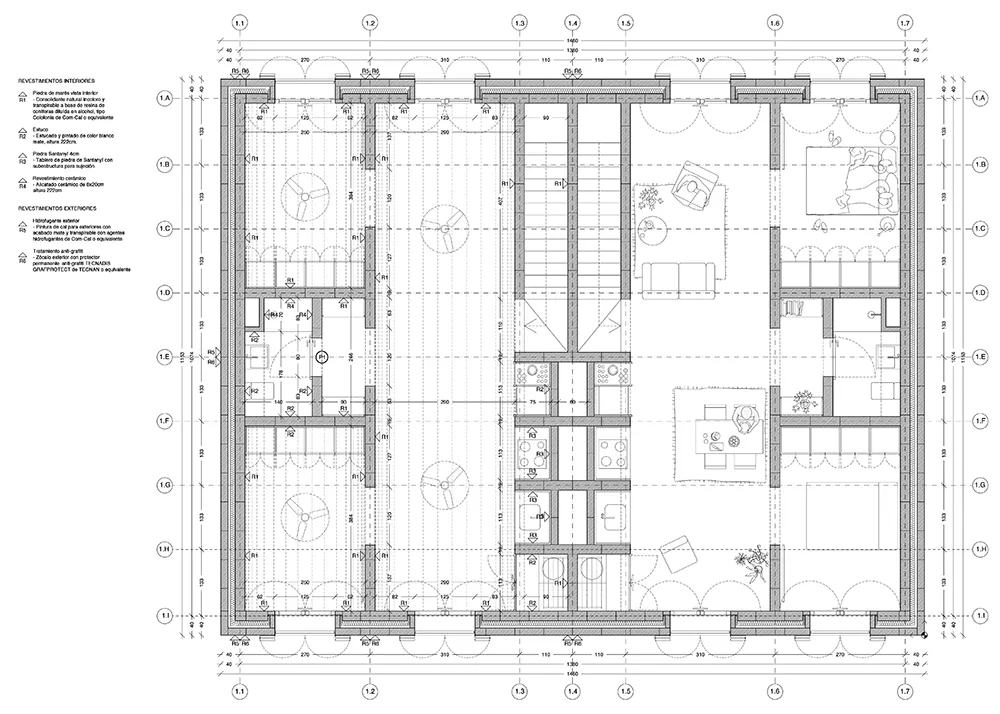
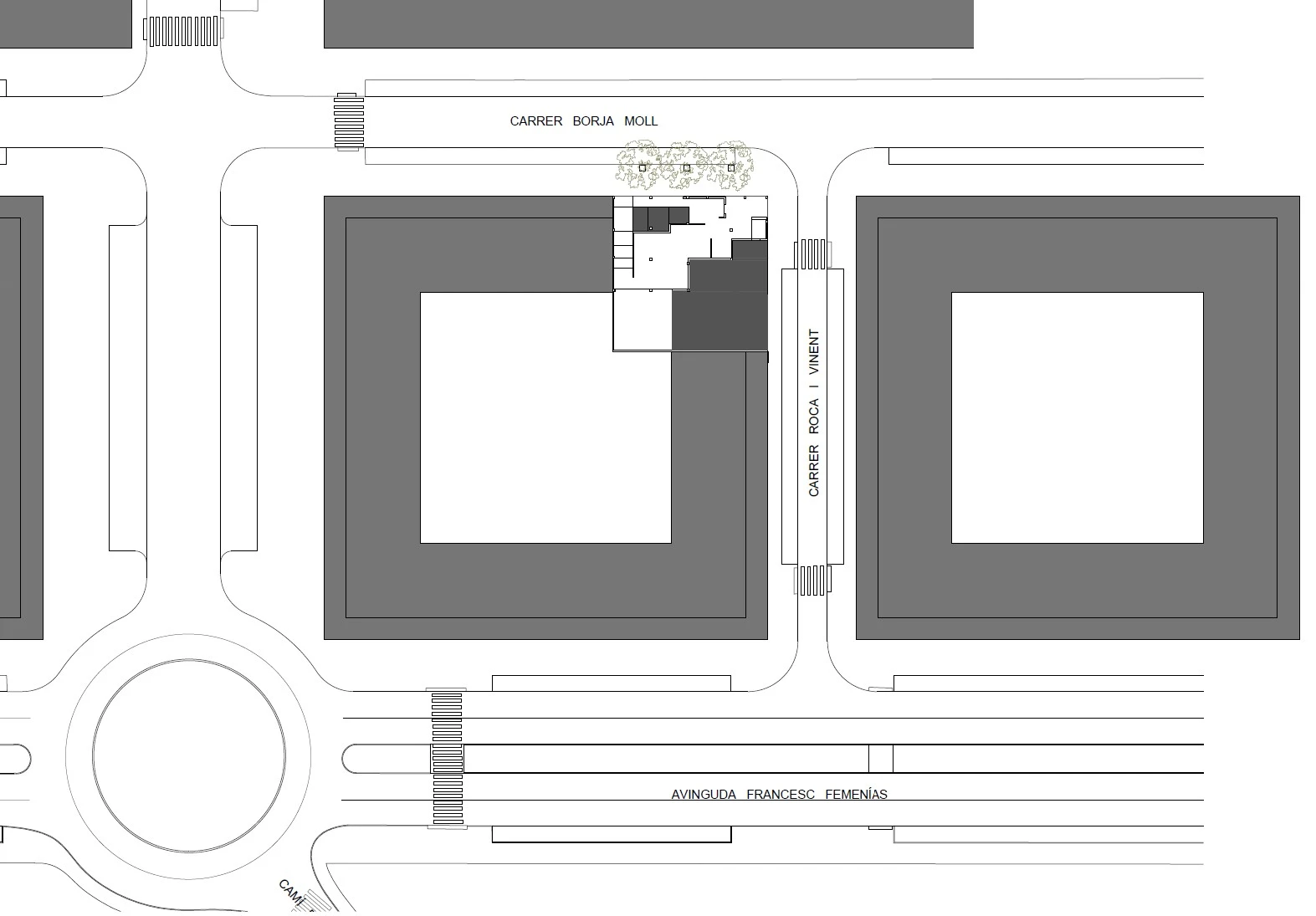
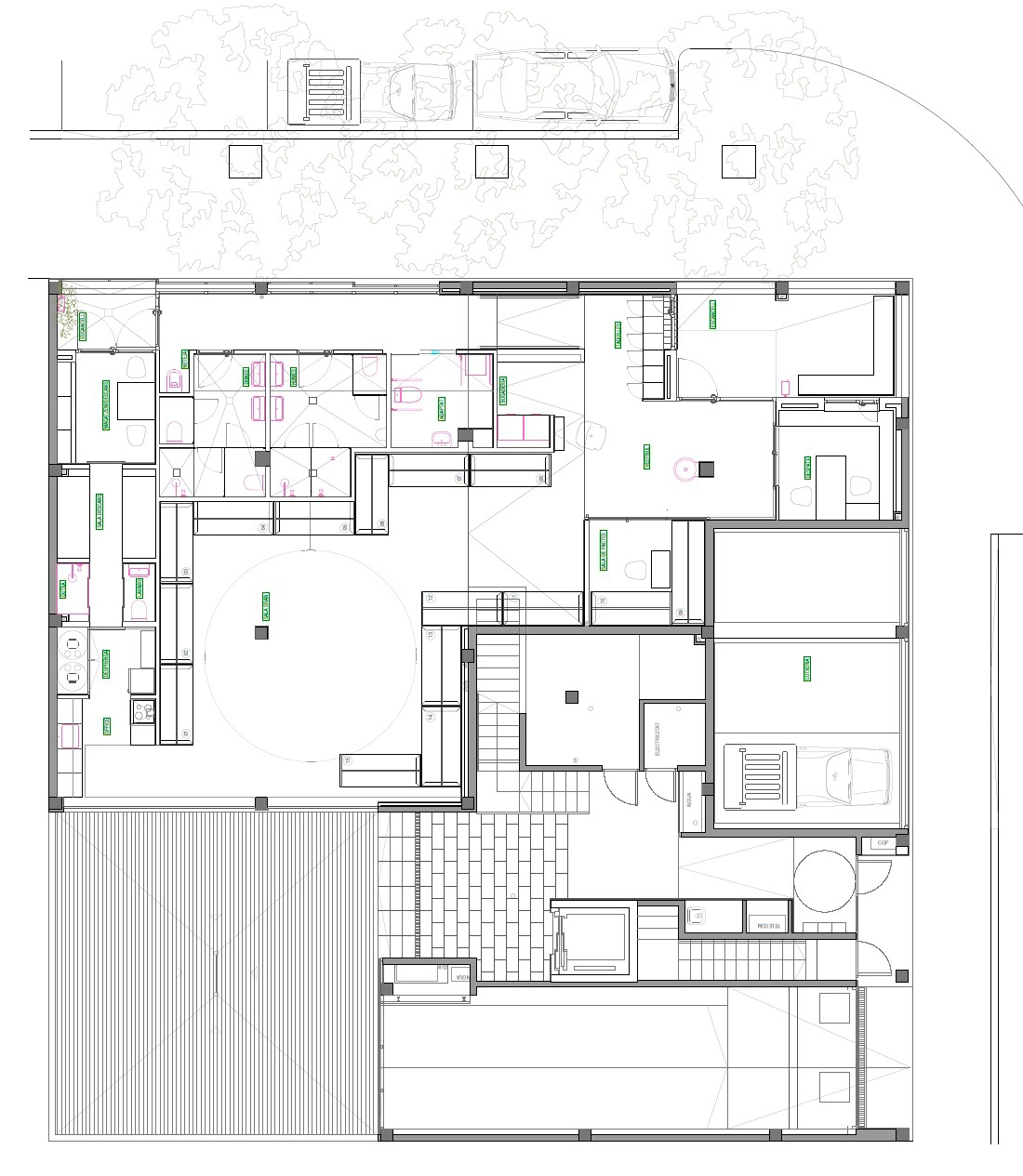
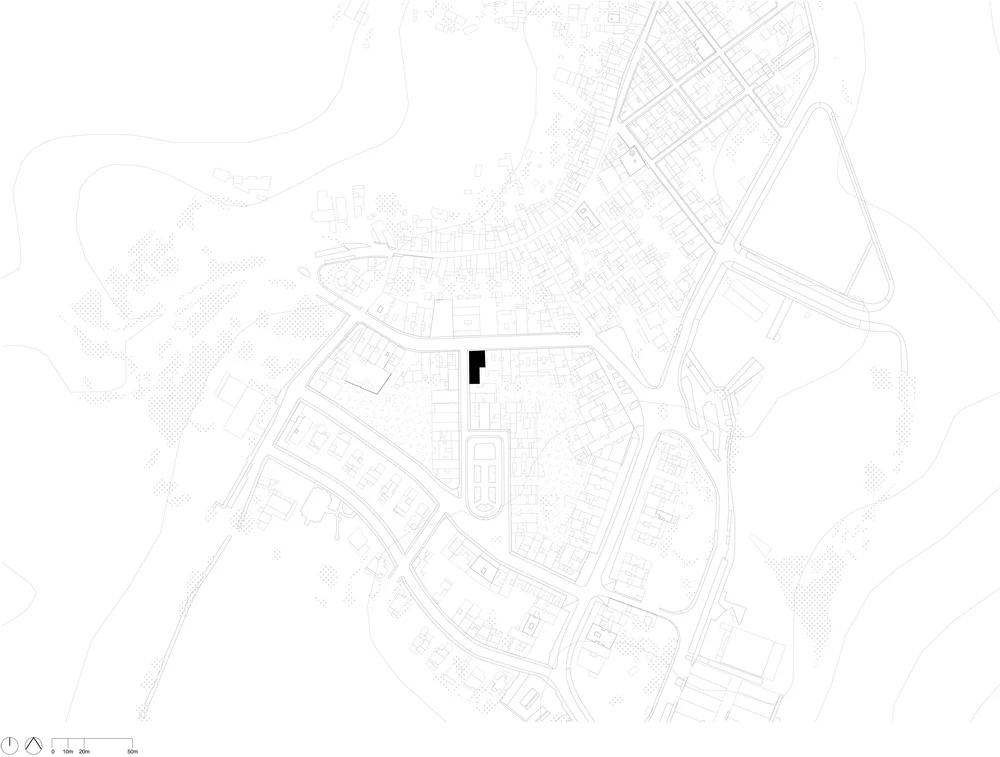
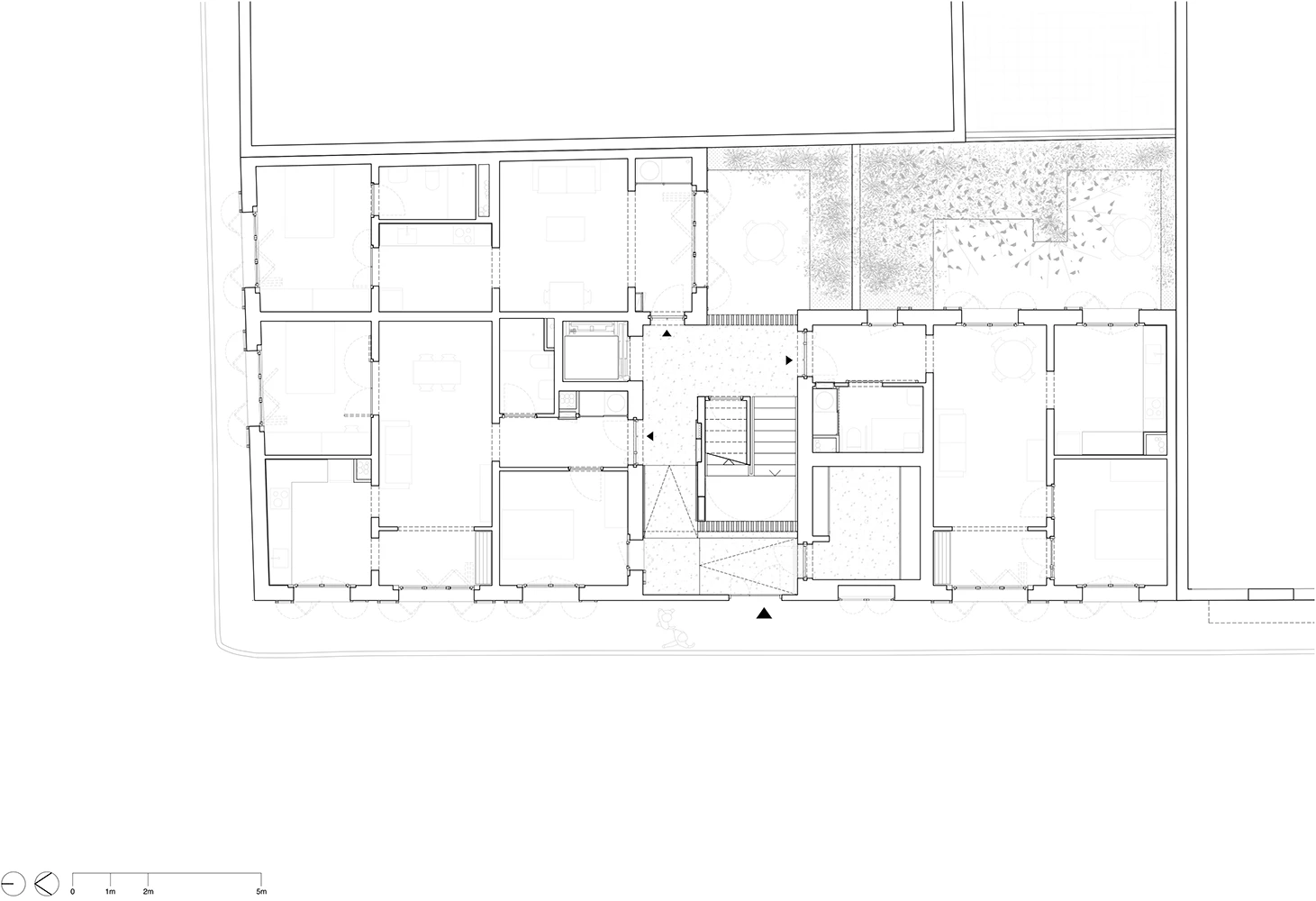
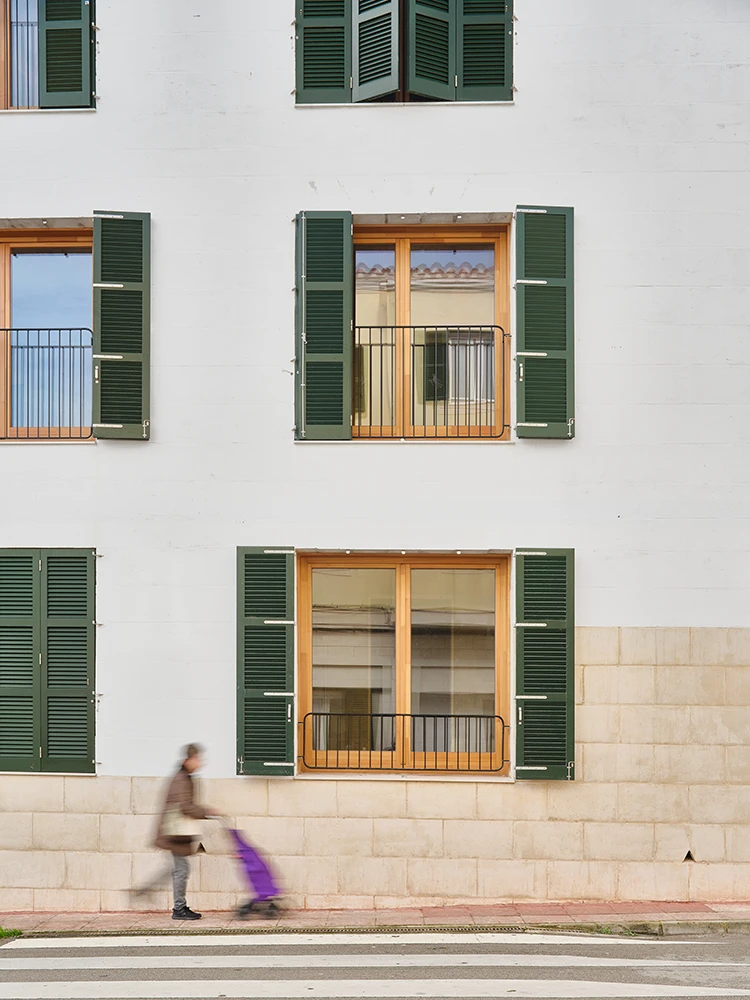
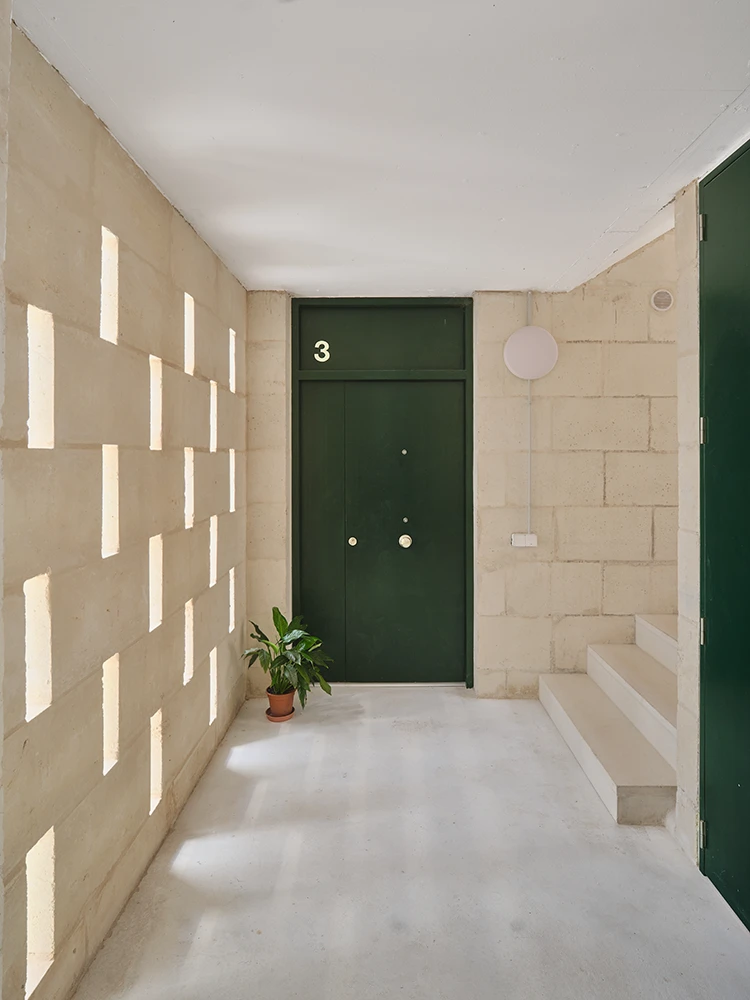
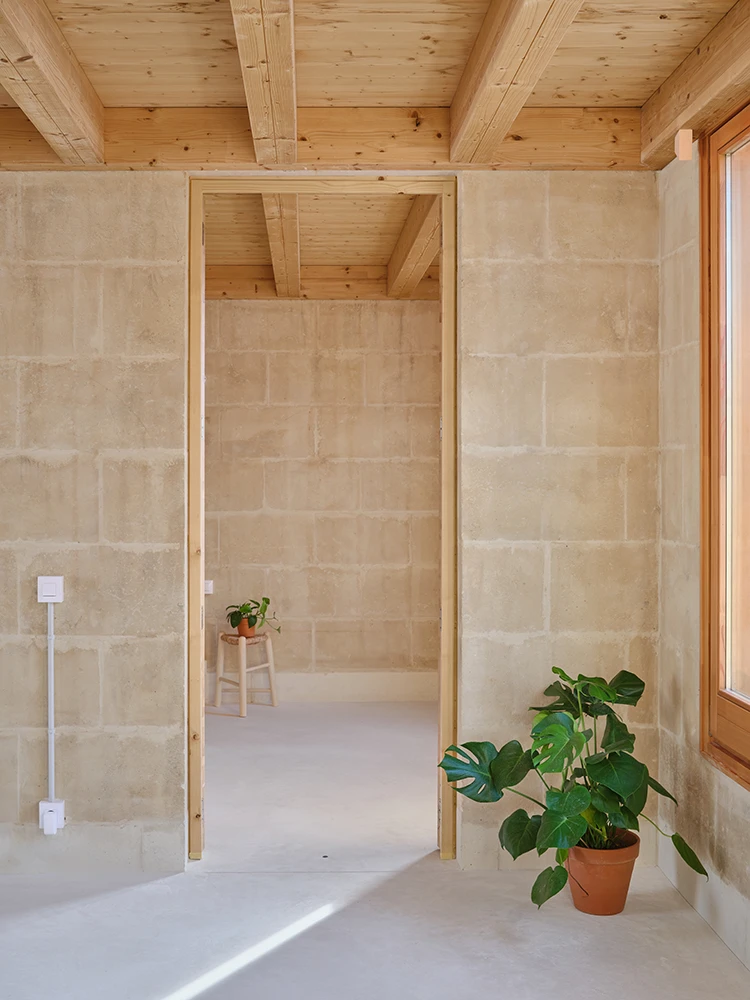
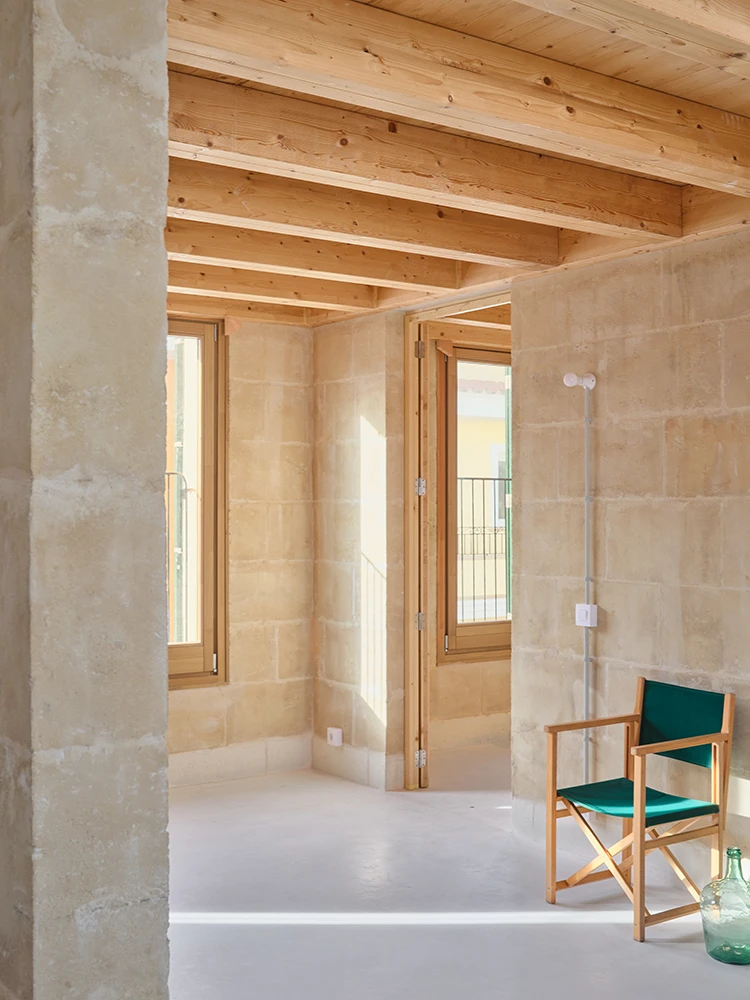
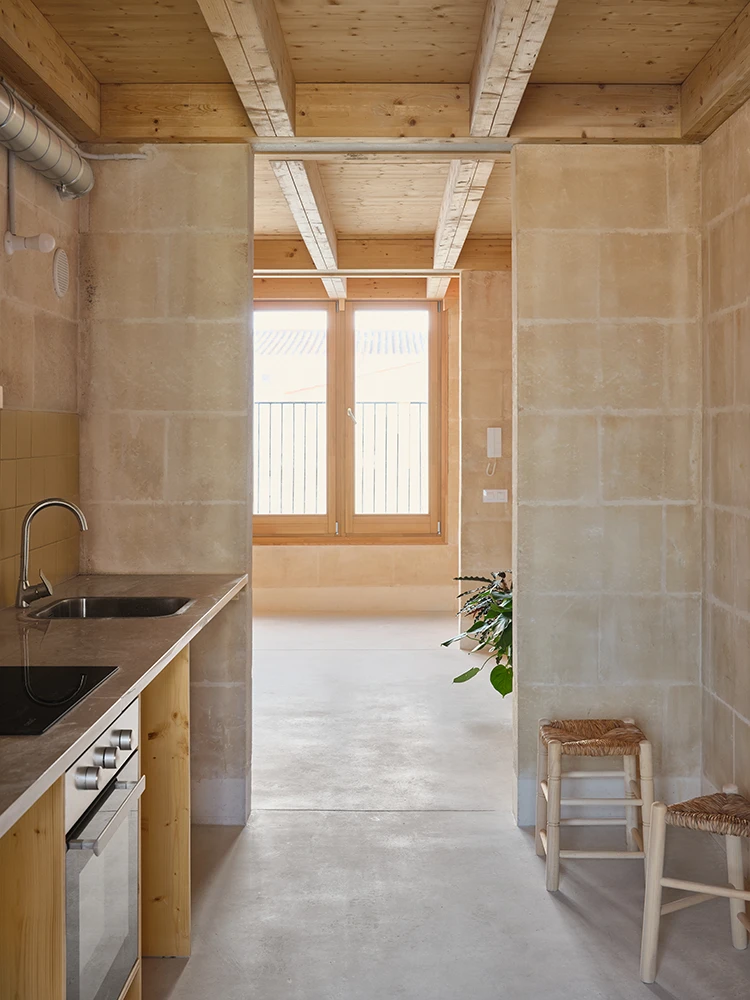
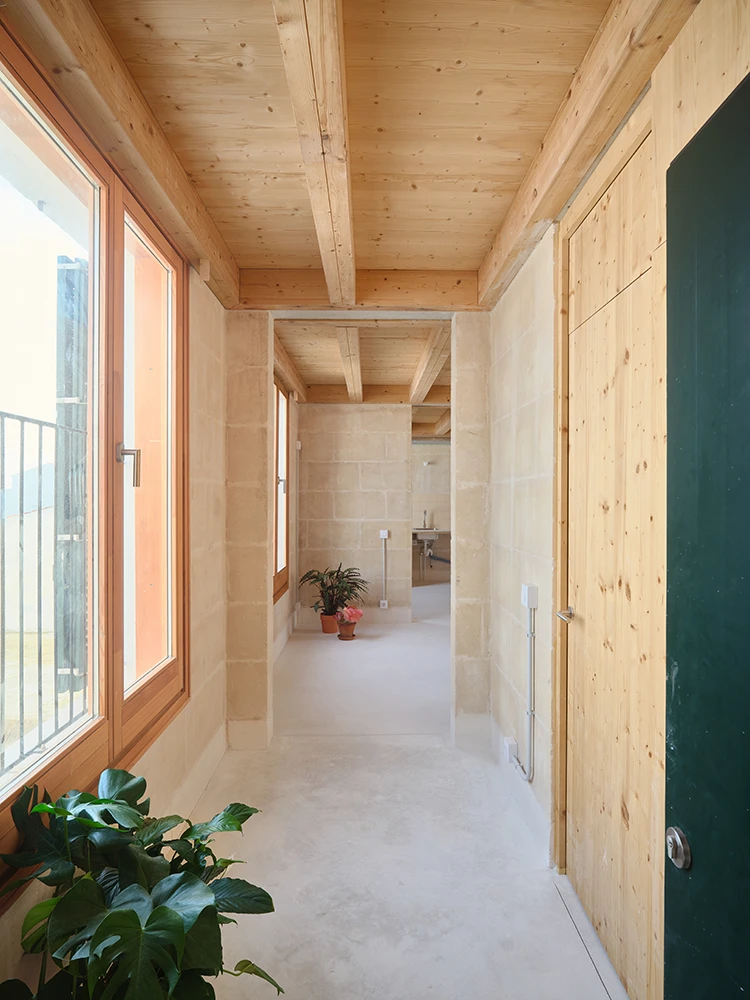
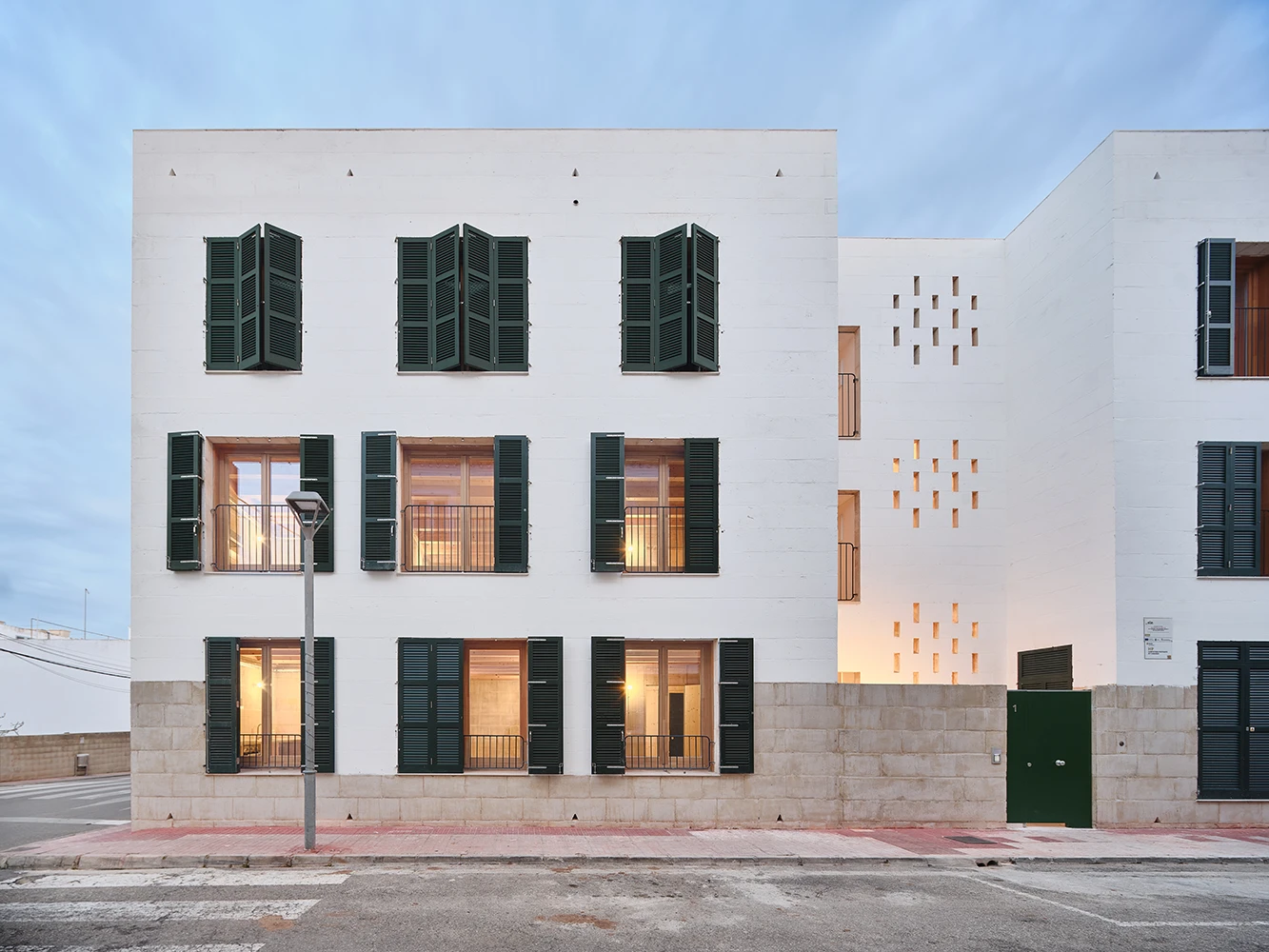
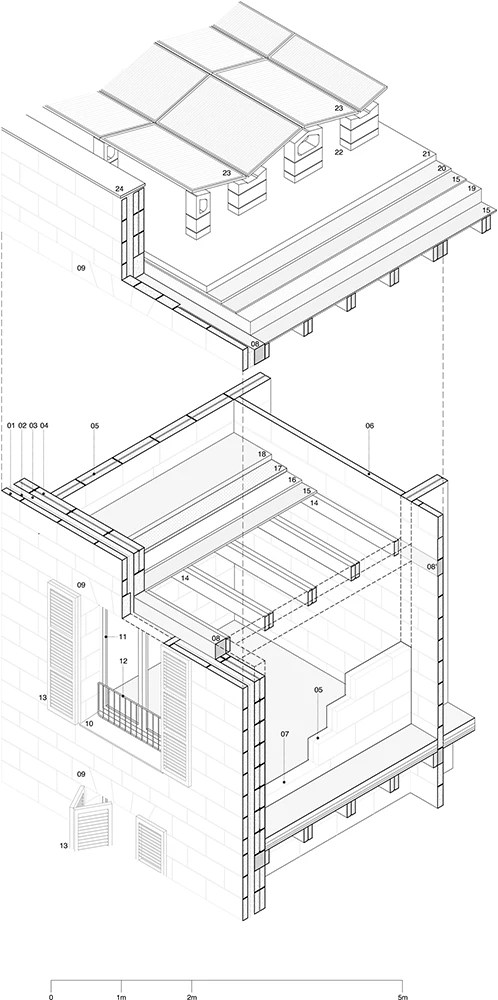
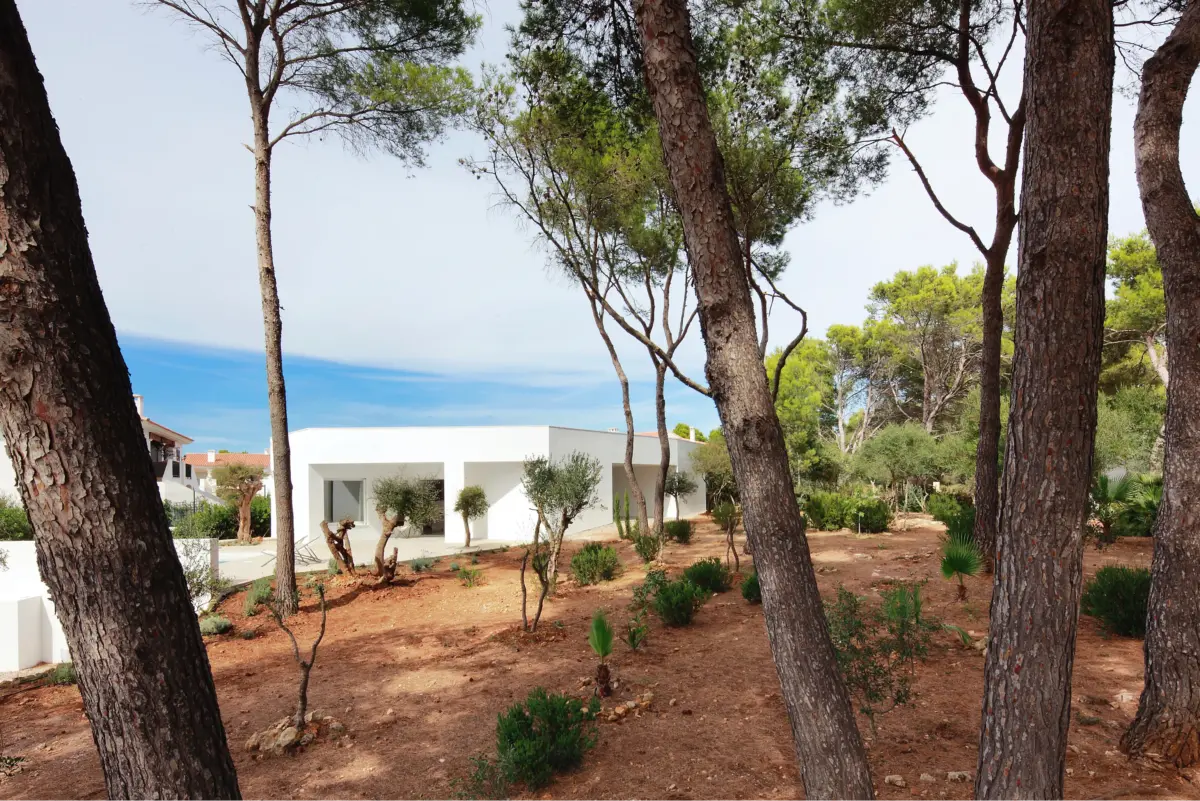
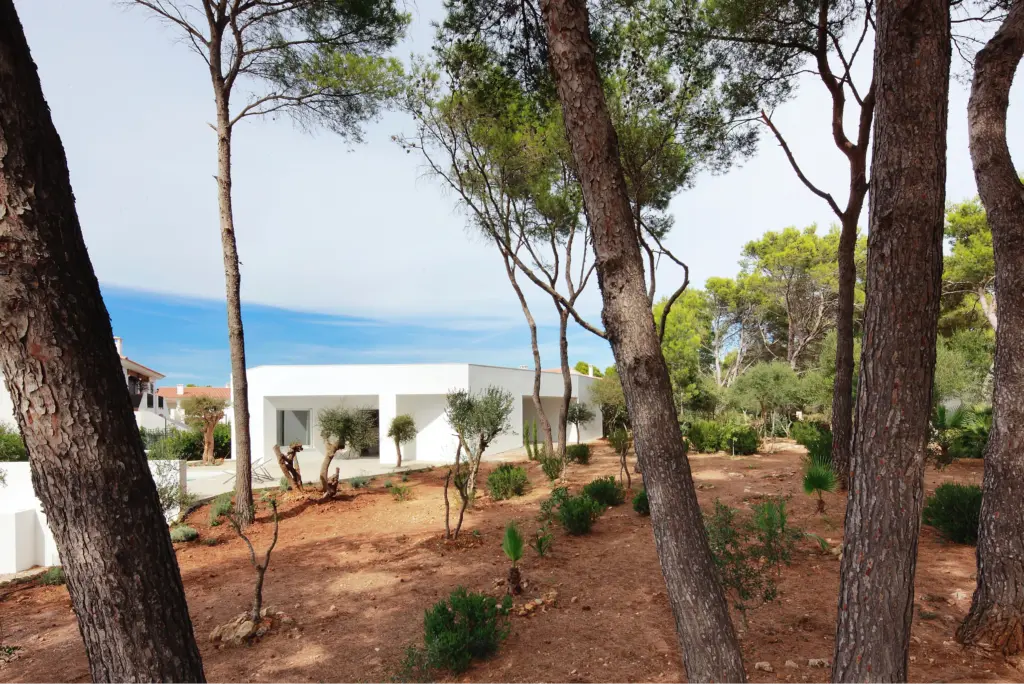
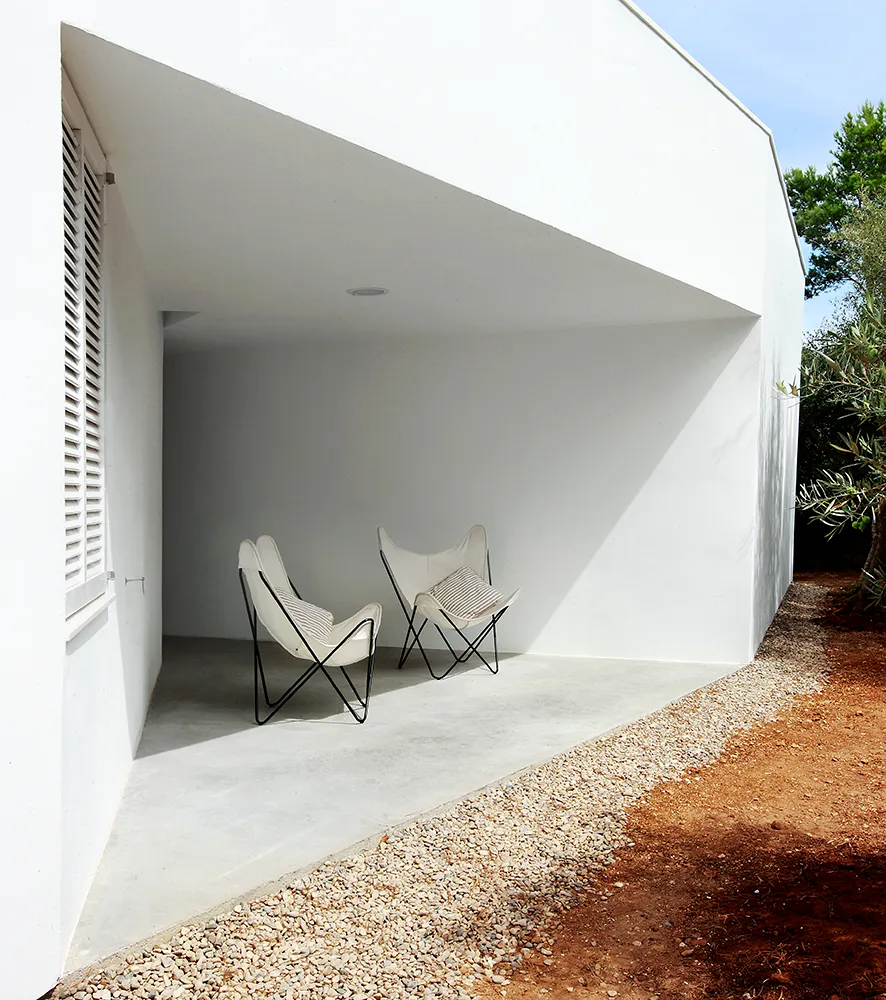
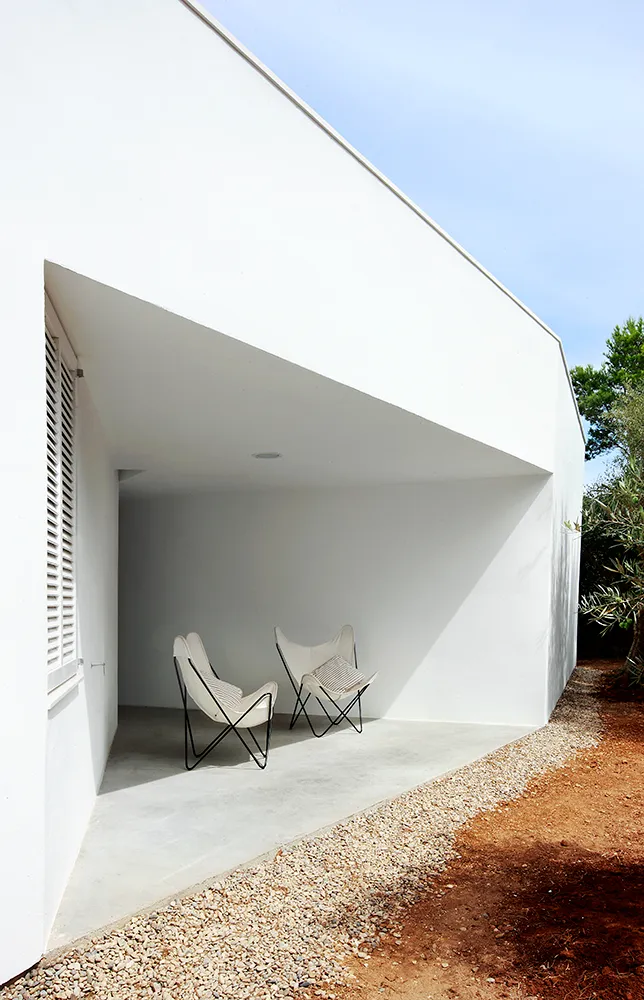
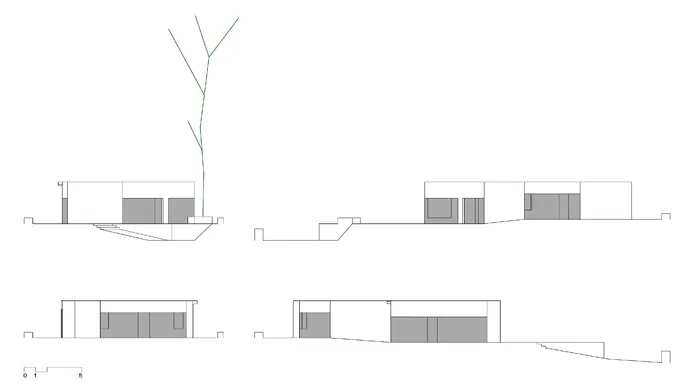
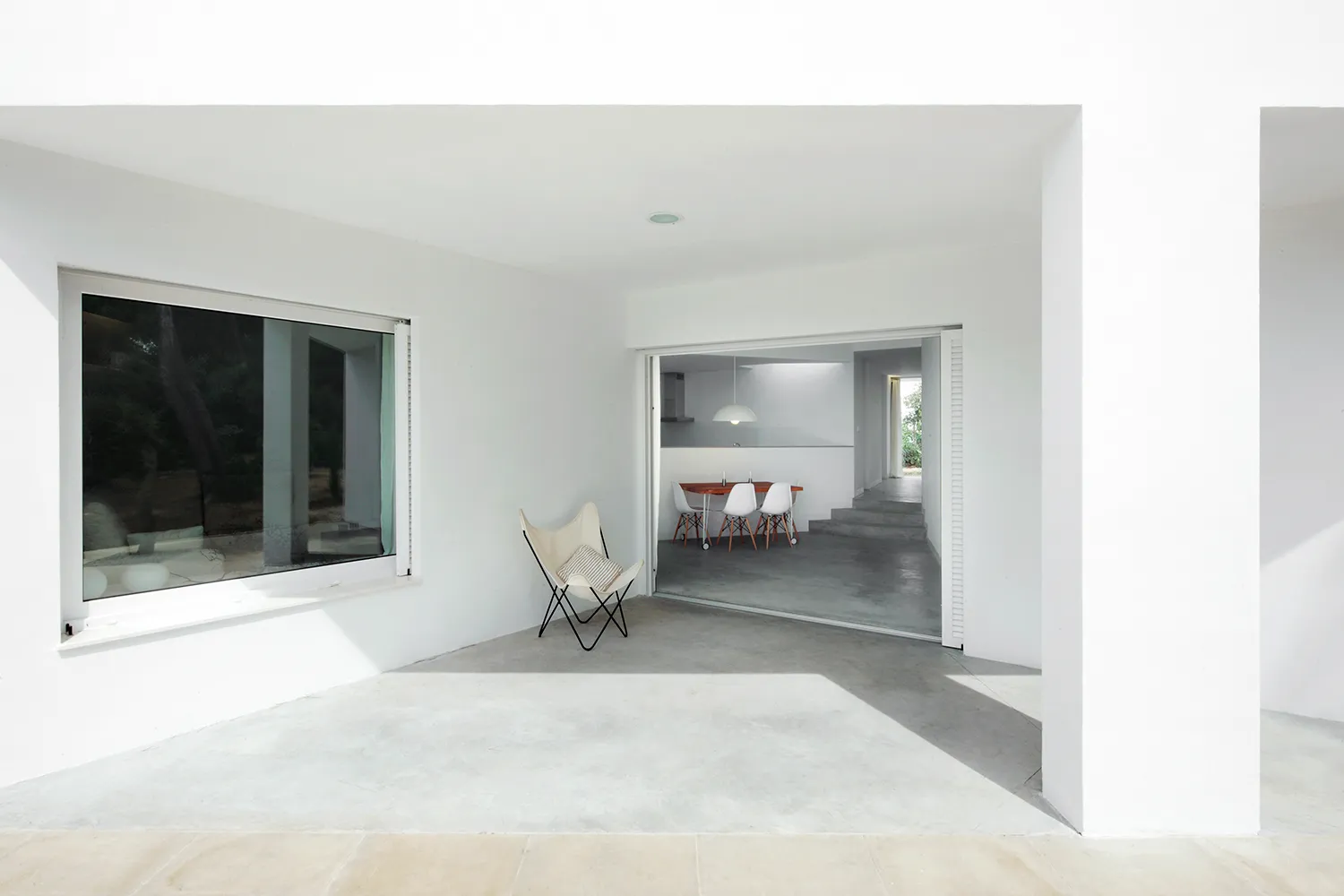
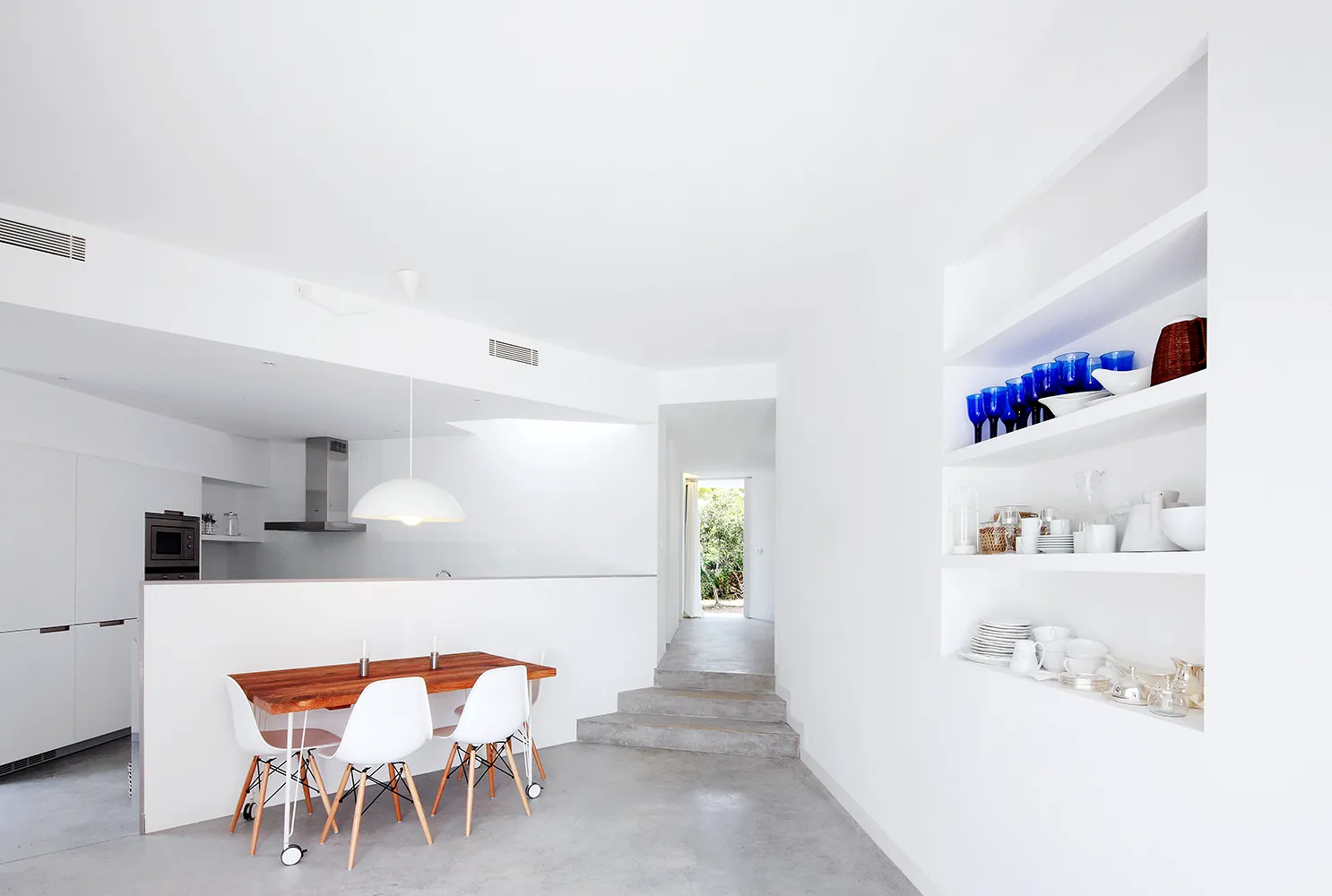
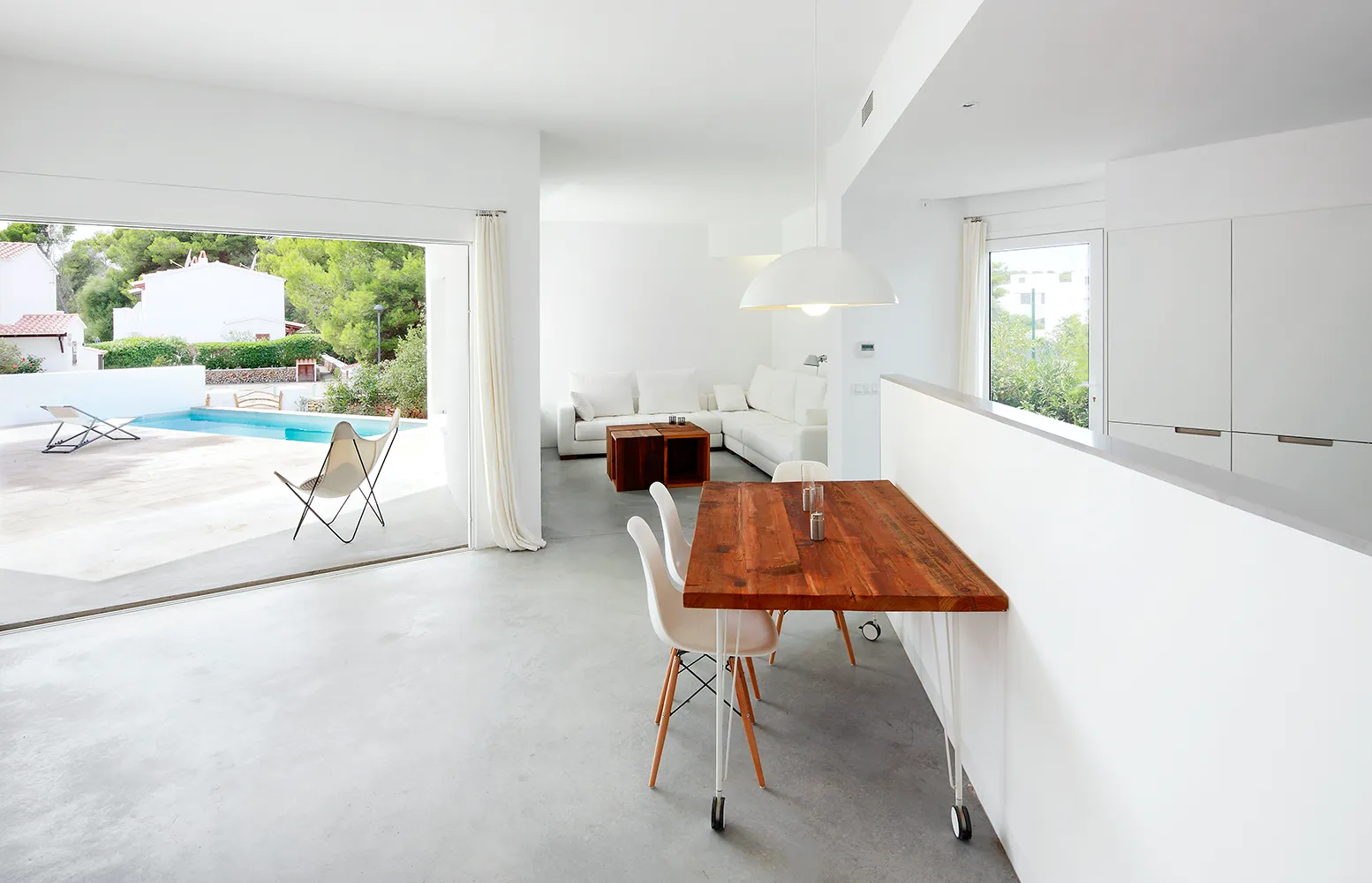
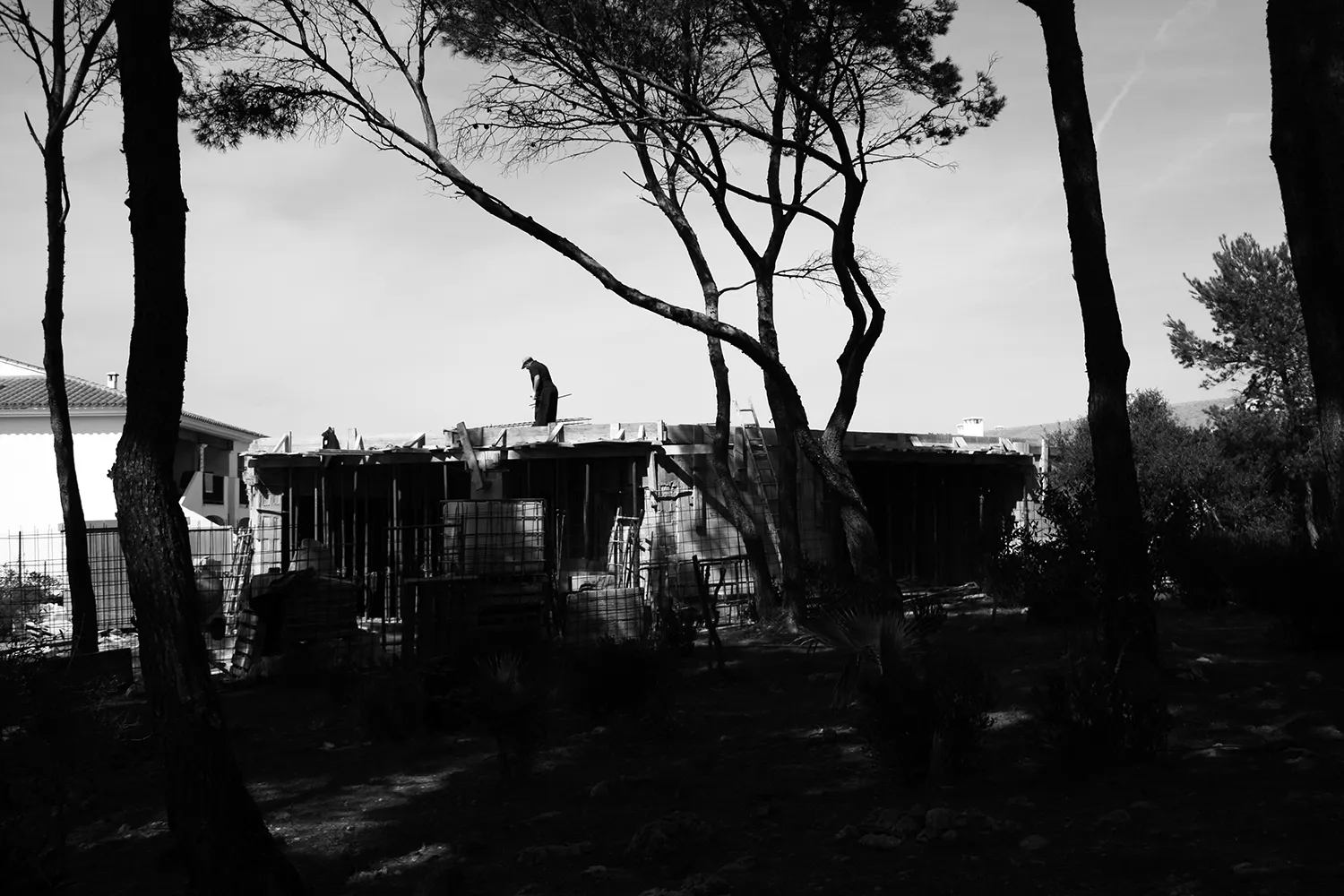
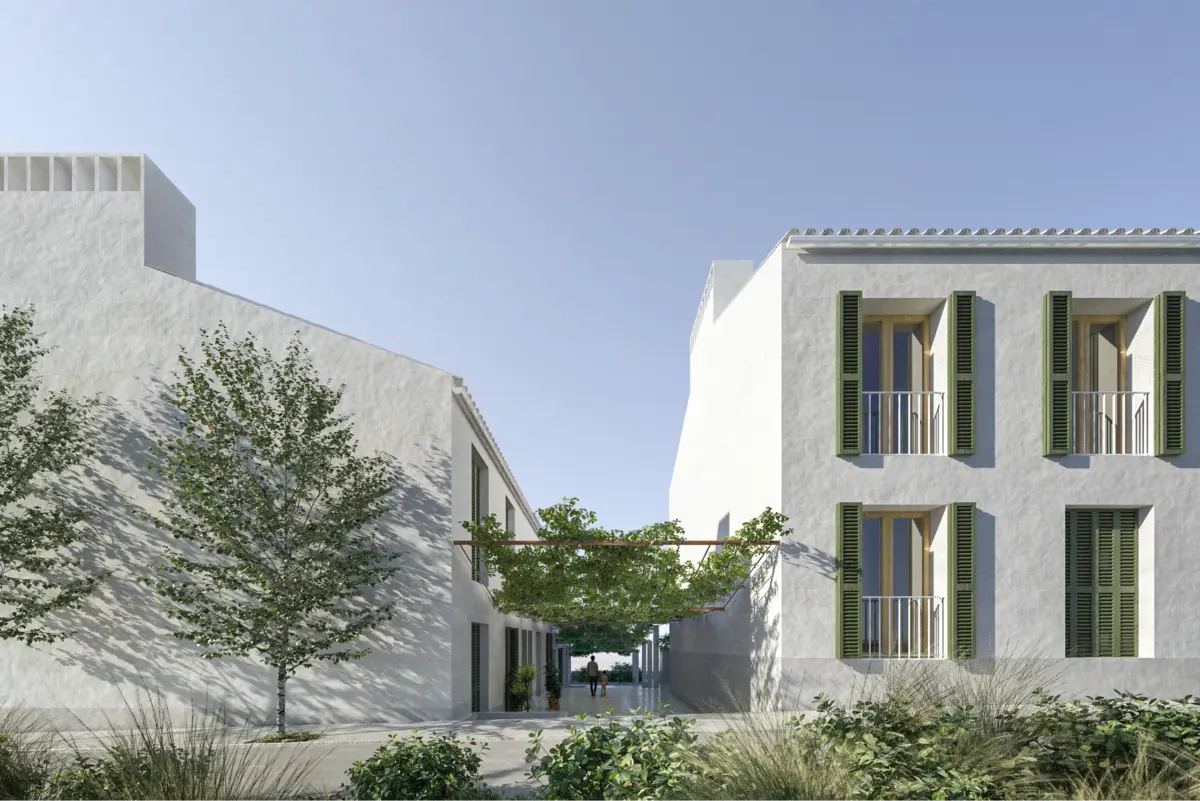
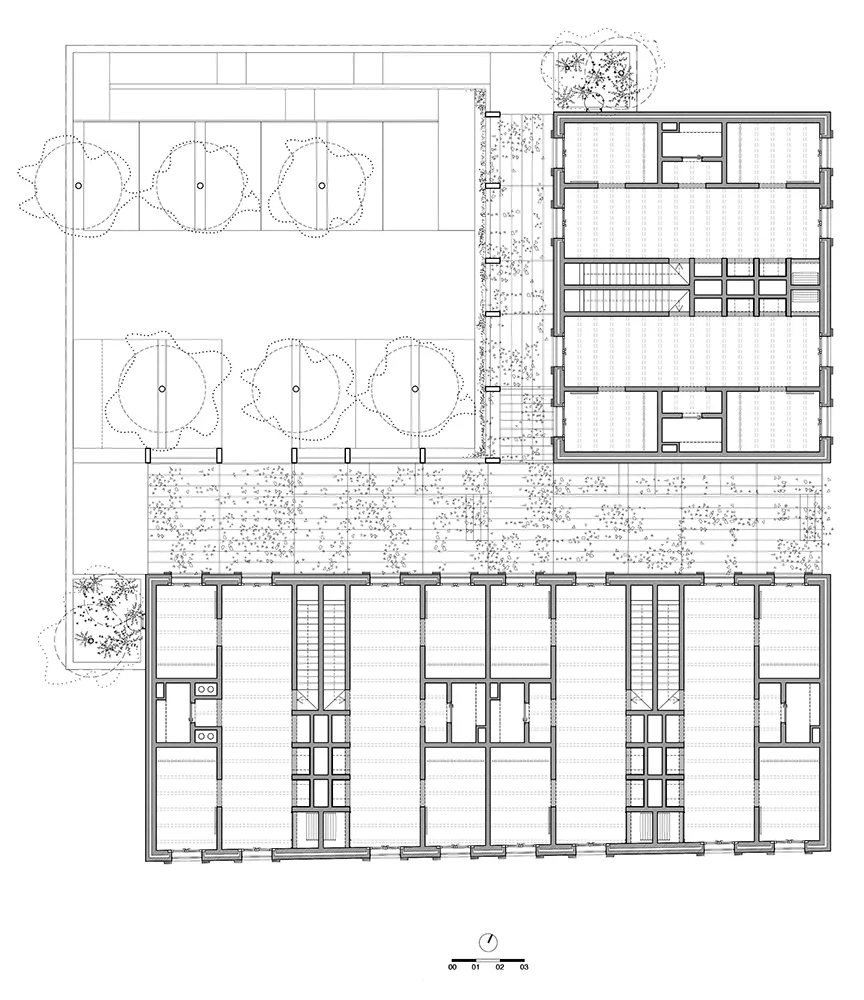
The homes are distributed across two buildings. One is rotated 90º with respect to the other, thus maximizing their respective ventilation and solar exposure. Between the two blocks, a passageway and an interior courtyard are created, providing access to all dwellings.

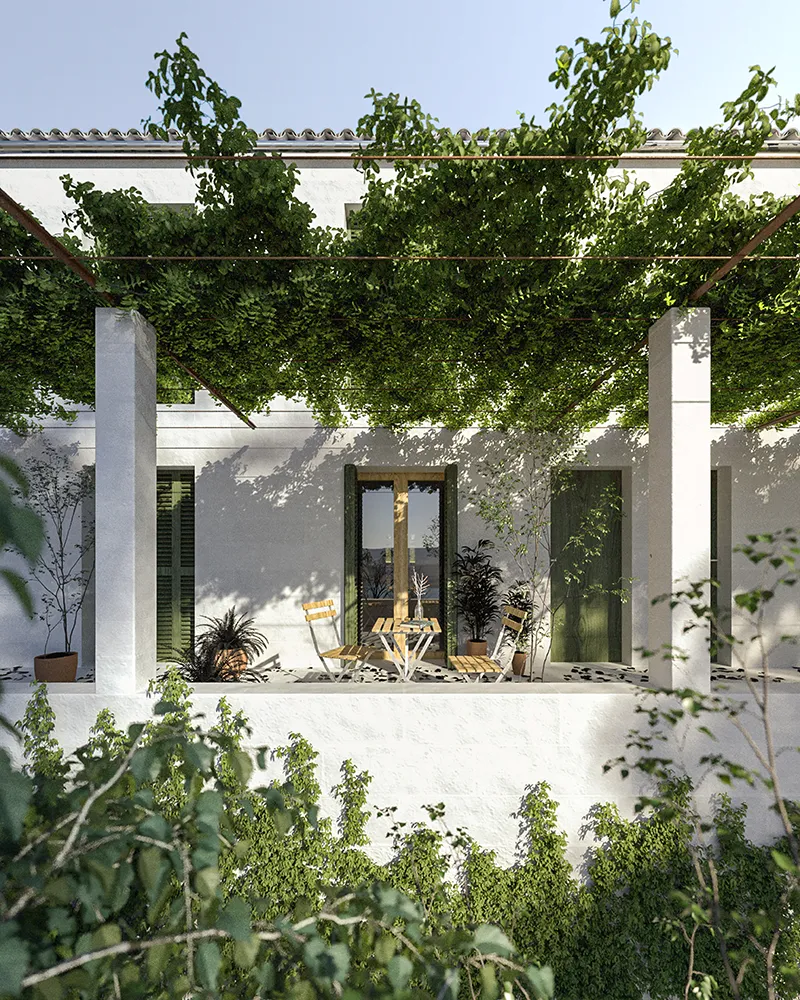
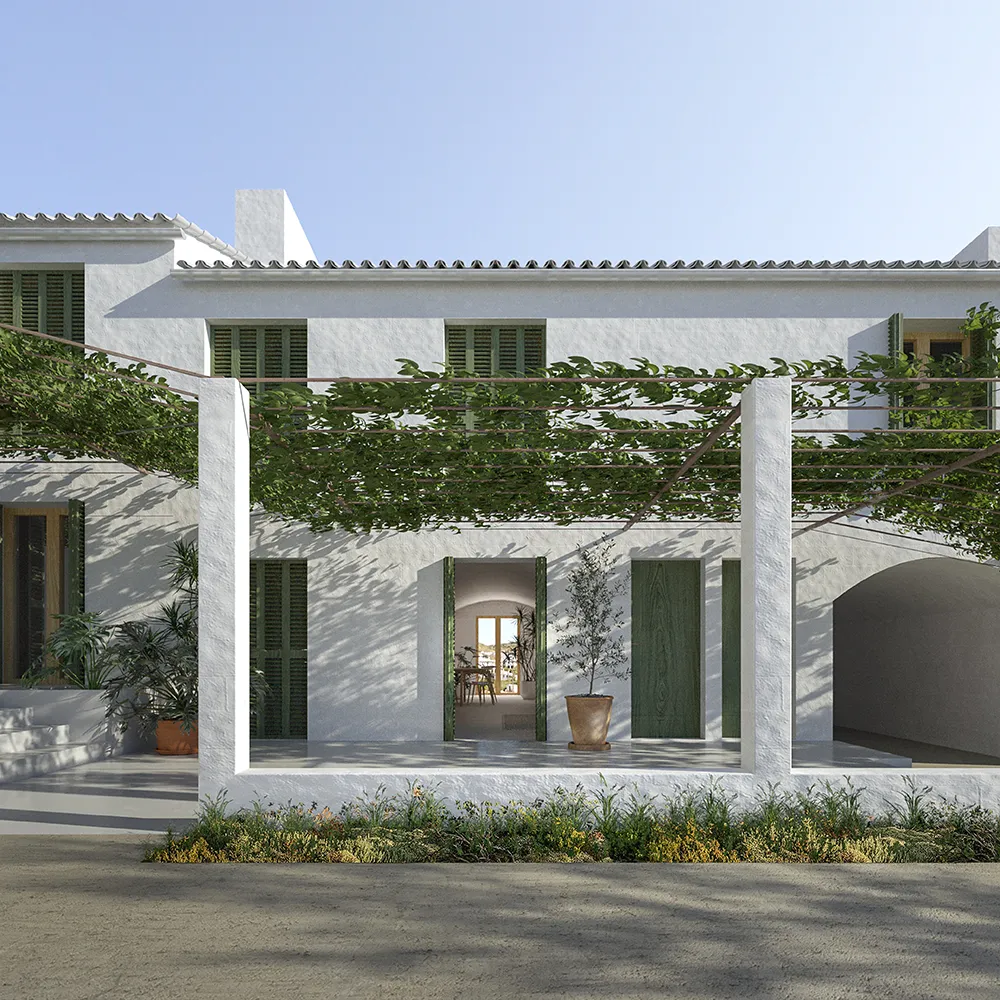
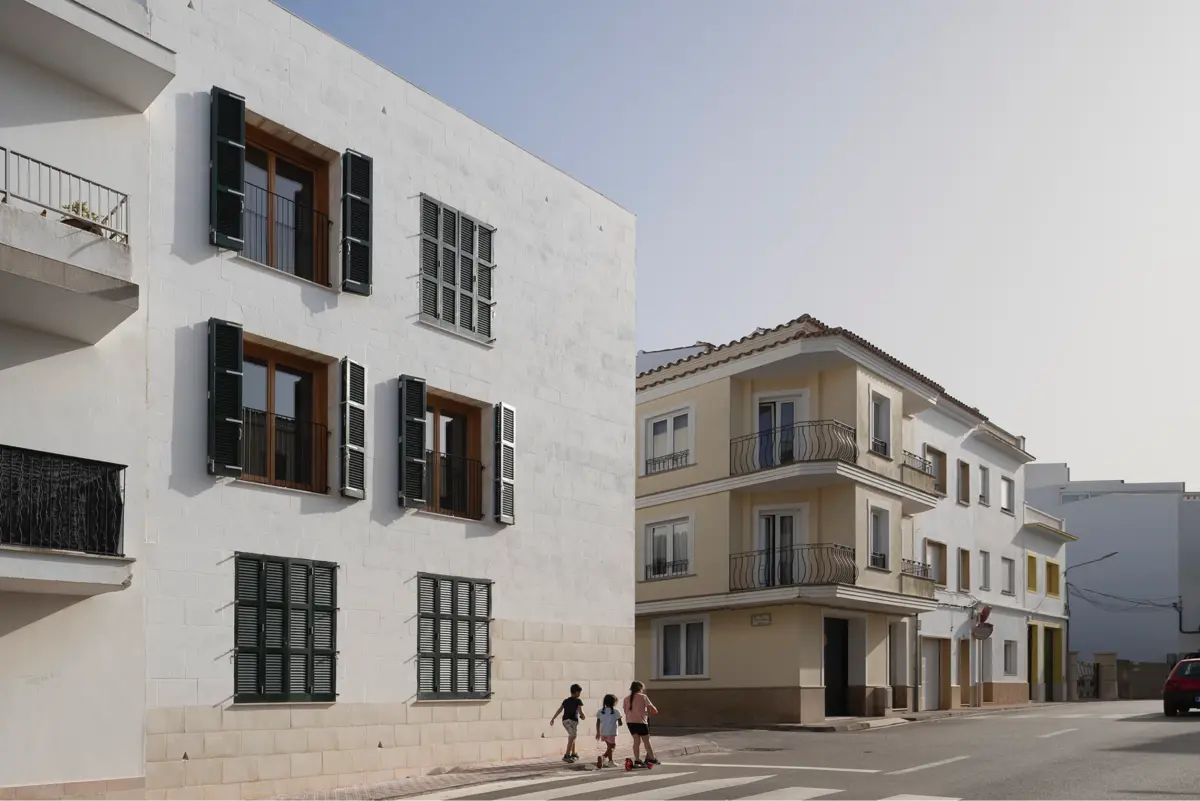
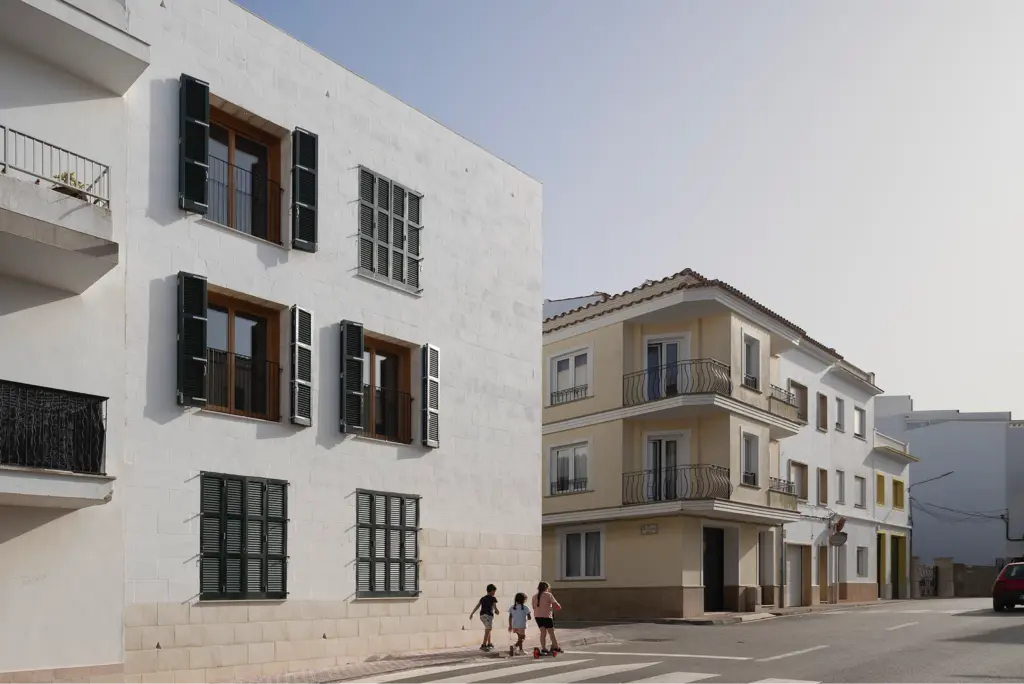
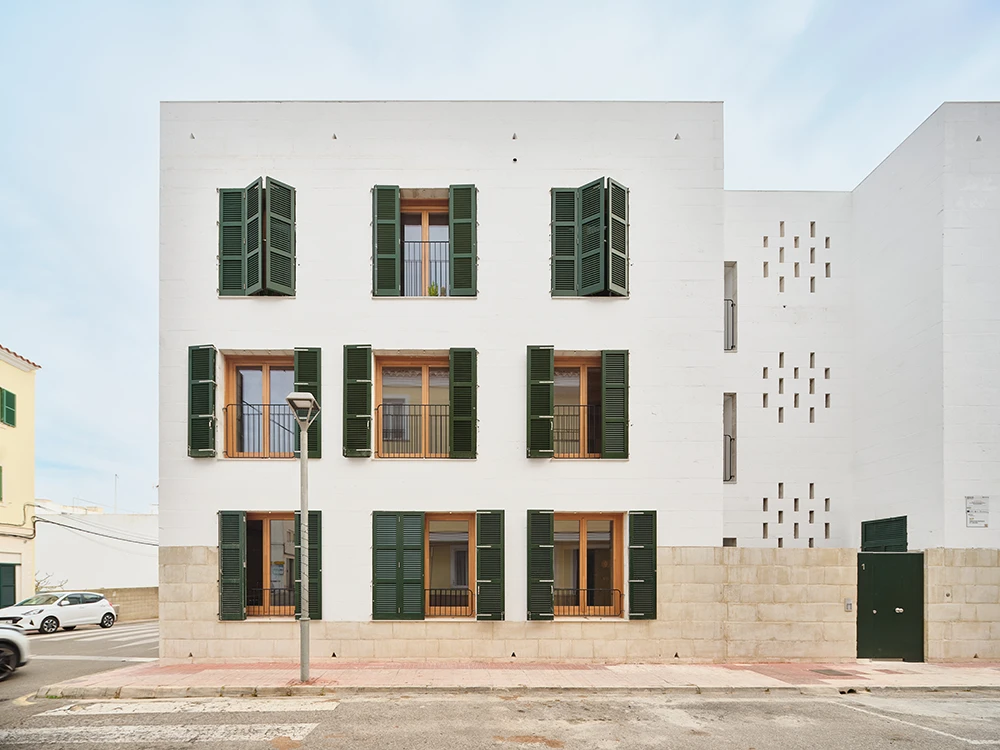
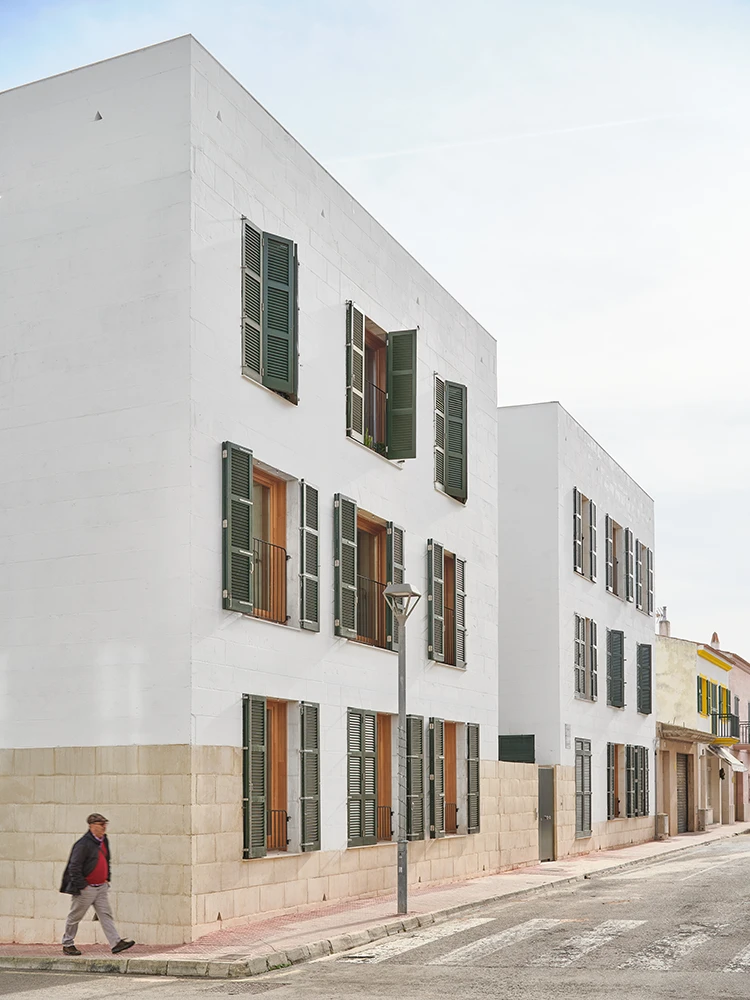
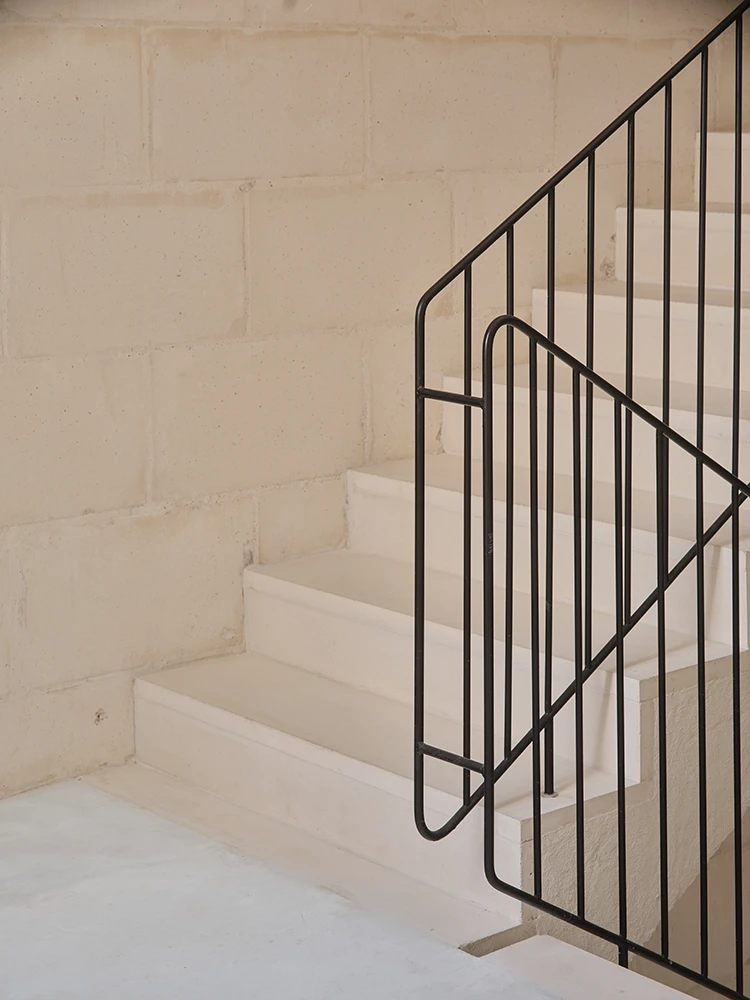
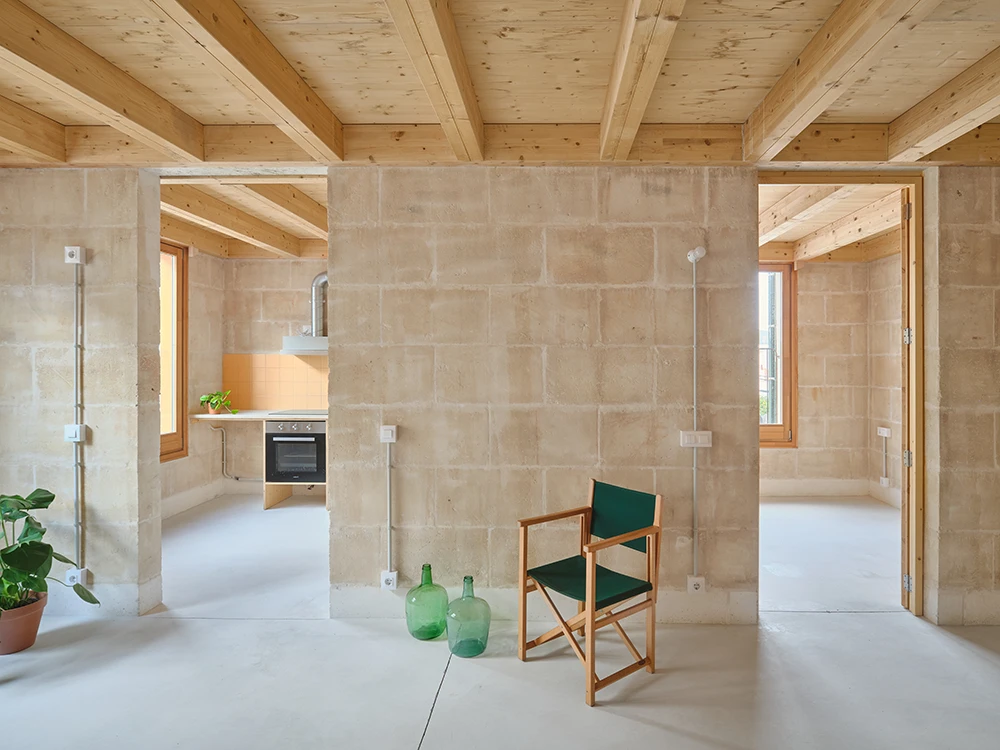
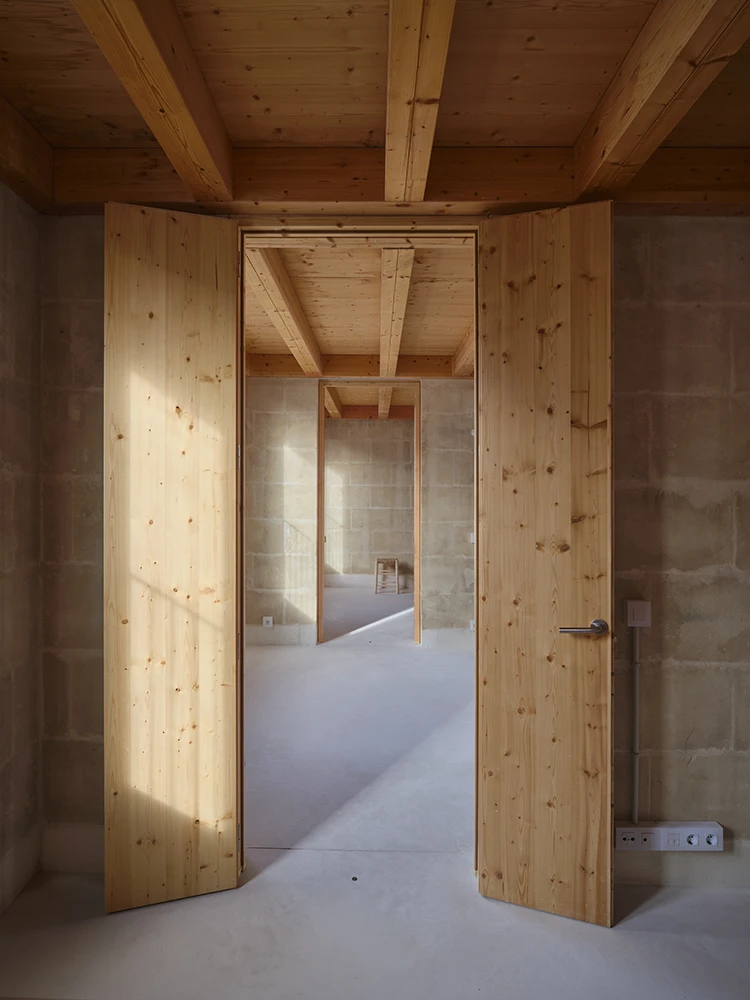
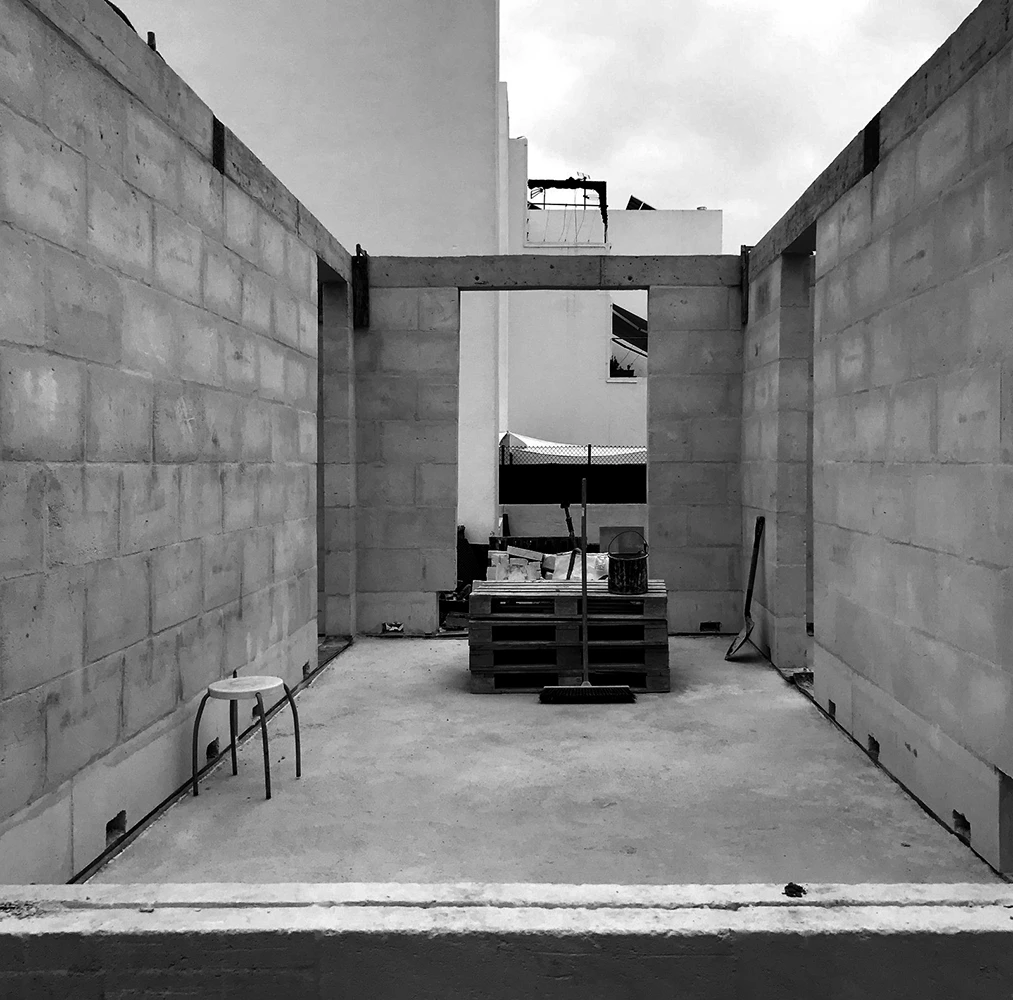
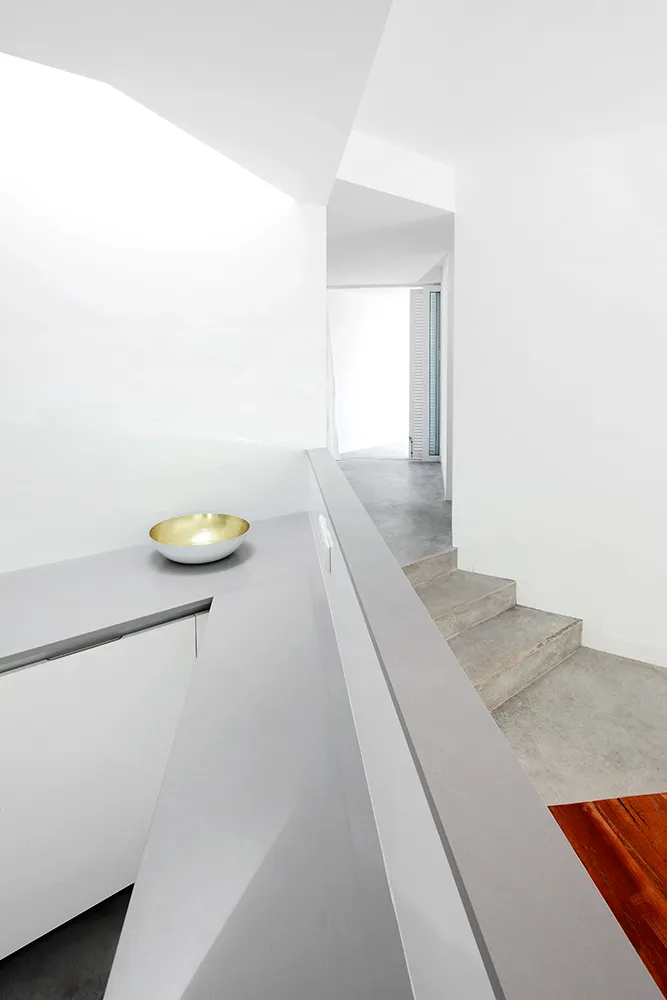
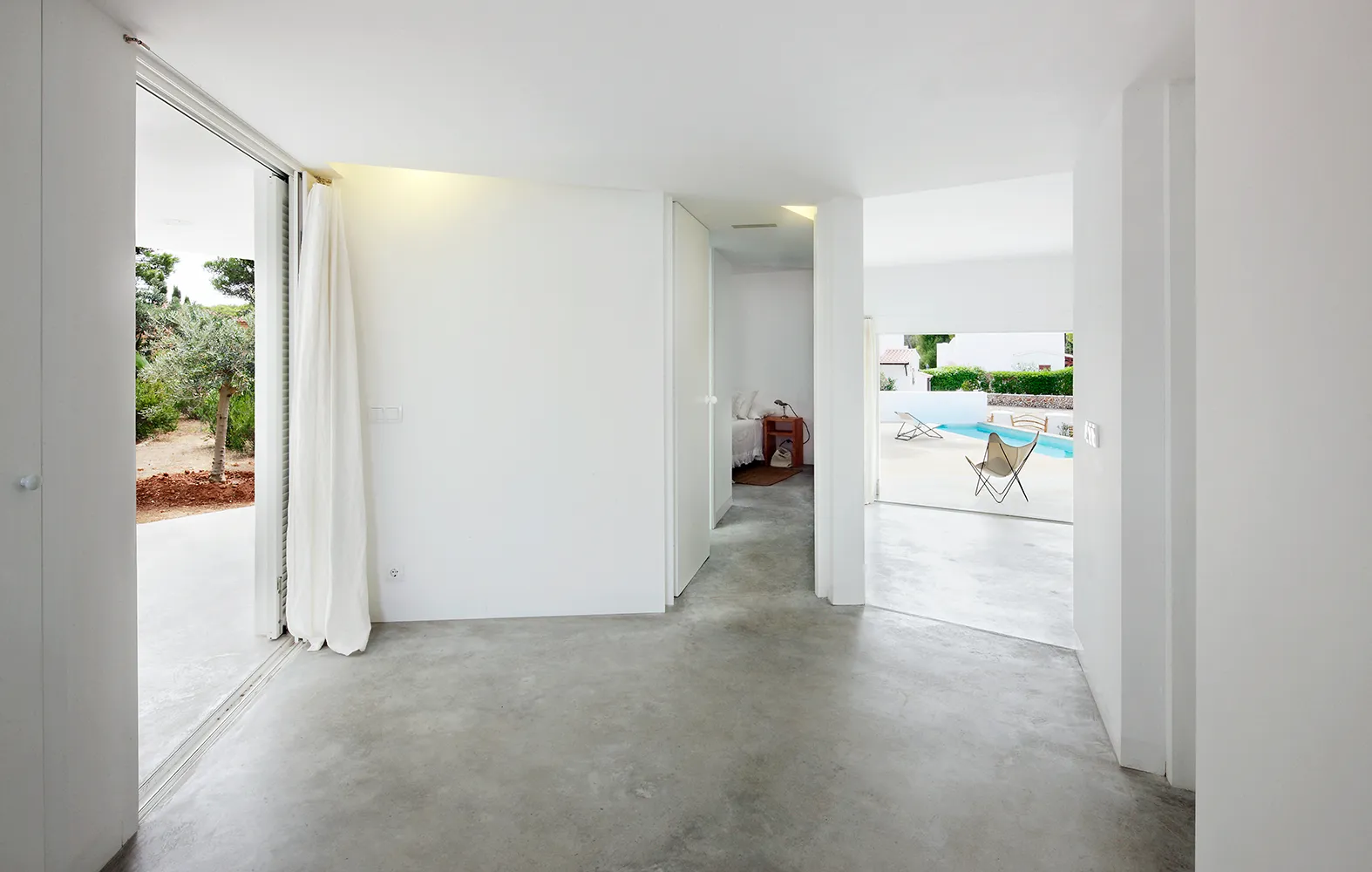
The ground floors feature barrel vaults made of marès stone, while the upper floors have pitched roofs with Arabic tiles and wooden beams. The construction is therefore clearly stratified: a lower mineral layer in contact with the ground, and an upper vegetal layer in contact with the sky. Each dwelling has three structural bays: in the first one (the buttress of the vaults) are the services and circulation areas; in the second, the most generous, the daytime spaces; and in the third, the nighttime ones.

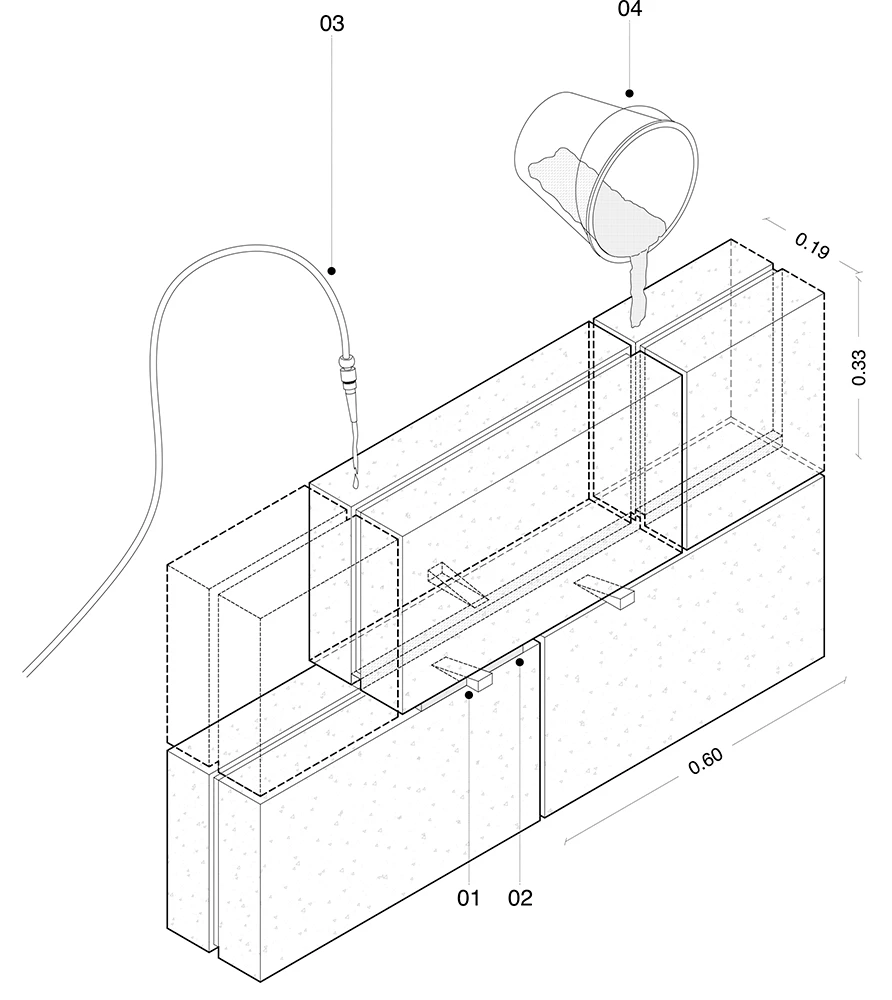
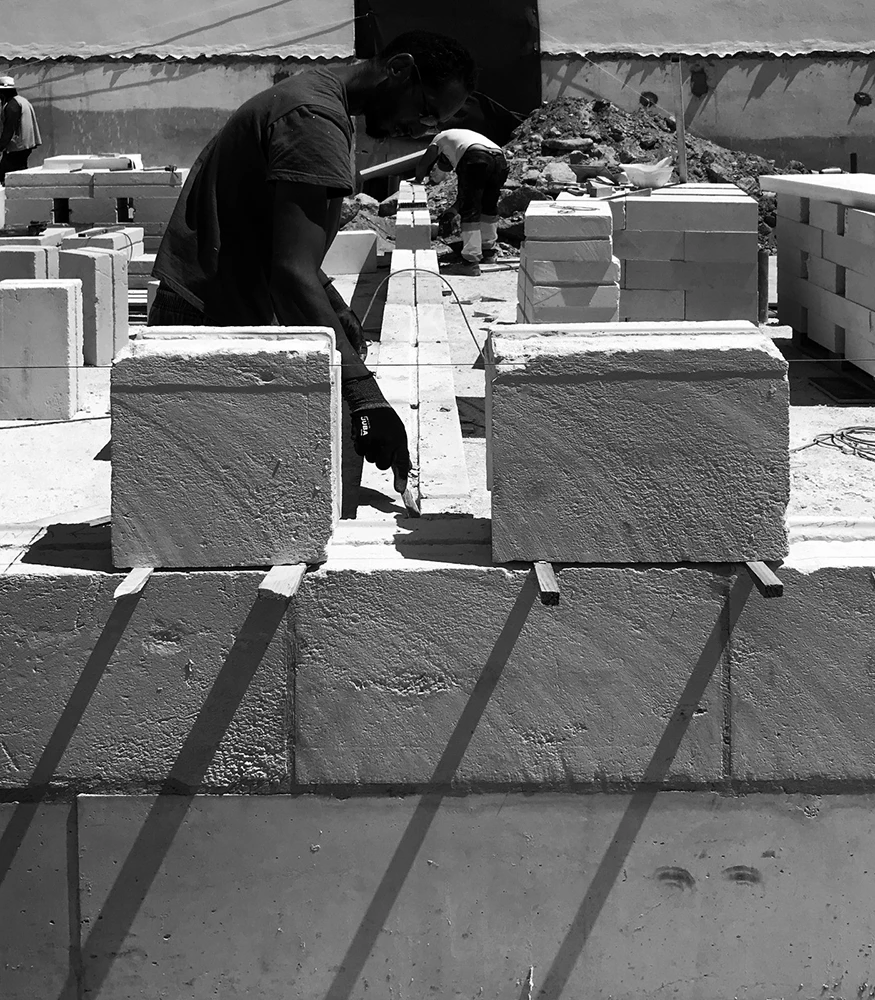
The project is committed to the use of traditional materials and techniques and to activating passive environmental control systems, minimizing thermal bridges and maximizing cross-ventilation and thermal inertia. The resulting homes are breathable, healthy and extremely energy-efficient, achieving a long life cycle and full integration into the constructive tradition and cultural identity of the island of Menorca.

Categoria:

Status: Under construction

Client: IBAVI, Government of the Balearic Islands

Location: Ciutadella, Menorca

Dates (start and completion): 2020–2025

Budget (PEM): €1,800,000

Awards: First prize in curricular competition

Co-authors: Josep Ferrando and Joan Enric Vilardell

Structure: Josep Baquer

Installations: Josep Gavaldà, Triangle Enginyers

Environmental consultancy: arqbag

Acoustics: Pere Cerdà, I2A Acústica

Quantity surveyor: Jordi Gordillo

Construction company: Olives SA

Collaborators: David Recio, Arnau Sumalla, Stefan Kasmanhuber, Karine Bagdasaryan, Esther Brescó

Images: Studio KMH
Casa Zero

Casa Zero

Casa Zero

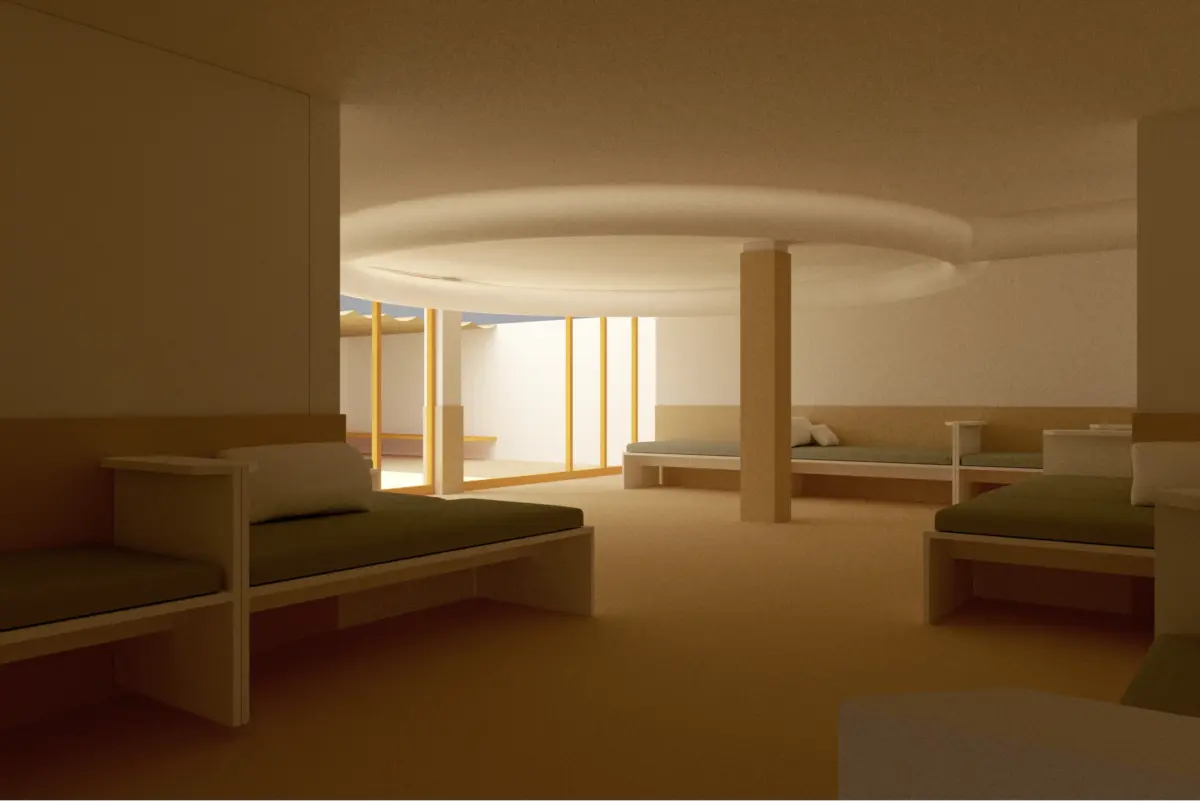
This project is an innovative proposal to address chronic homelessness and substandard housing in Menorca through the design of a low-threshold housing resource (“Casa Zero”) that can serve as a transition between street life and stable housing. The facility will be implemented in a ground-floor unit of a public housing building.

The main objective of “Casa Zero” is to create a space that responds positively to the emotional and practical reality of sleeping on the street, transforming the memory of a permanent exterior into a place where one can sleep comfortably. “Casa Zero” will offer versatile and welcoming spaces that distance users from the marked homelessness atmospheres that typically characterize the care facilities they attend.

“Casa Zero” is a highly unique and specific project, in which the choice of materials, the definition of the functional programme, the operation of the installations, and the design of the furniture and construction details have all been carried out with the intention of promoting dignity, respect and inclusion.

Status: Under construction

Client: Consell Insular de Menorca. General Services, Participation and Housing

Location: Maó, Menorca

Dates (start and completion): 2021–2025

Area: 189 m²

Budget (PEM): €365,000

Awards: First prize in curricular and methodological proposal competition

Co-authors:
Leve Projects
Eva Serrats and Francesc Pla (architects)
Daniel Cid (social researcher)

Images: Leve Projects

9 HPP IBAVI Es Migjorn

9 HPP IBAVI Es Migjorn

9 HPP Ibavi Es Migjorn

As part of IBAVI’s collective research (Institut Balear de l’Habitatge), this public housing building combines traditional materials and construction systems with contemporary strategies of prefabrication and energy efficiency with low environmental impact.

The layout of the apartments optimizes the site’s orientation and climatic conditions. All units feature cross-ventilation, optimal insulation and summer solar protection. The position of the open staircase and courtyard has been defined according to prevailing winds. The roof, occupied by an extensive solar array, simultaneously generates energy and acts as a ventilated chamber, minimising summer heat gains.

All walls and partitions are made of marès stone from local quarries, and the horizontal structure is built from prefabricated cross-laminated timber slabs. Windows and shutters are made of wood, following local tradition. The result is a fully passive contemporary dwelling with a low environmental footprint and complete continuity with the island’s constructive culture.

Categoria:

Status: Built

Client: IBAVI, Government of the Balearic Islands

Location: Es Migjorn Gran, Menorca

Dates (start and completion): 2021–2024

Budget (PEM): €1,200,000

Awards: First prize in ideas competition (won by MIBA)

Co-authors: Toni Montes and Laia Isern, MIBA Architects

Structure: Jordi Velázquez, MVA

Installations: Josep Gavaldà, Triangle Enginyers

Environmental consultancy: Societat Orgànica

Acoustics: Pere Cerdà, I2A Acústica

Quantity surveyor: Jordi Gordillo

Construction company: Antonio Gomila SA

Collaborators: Adrián López, Paula Domènech, Miquel Ramon, Lucía Torre, Oriol Vives

Images: Adrià Goula and Aleix Bagué

Master plan for the Llatzeret of Maó

Master plan for the Llatzeret of Maó

Pla director del Llatzeret Maó

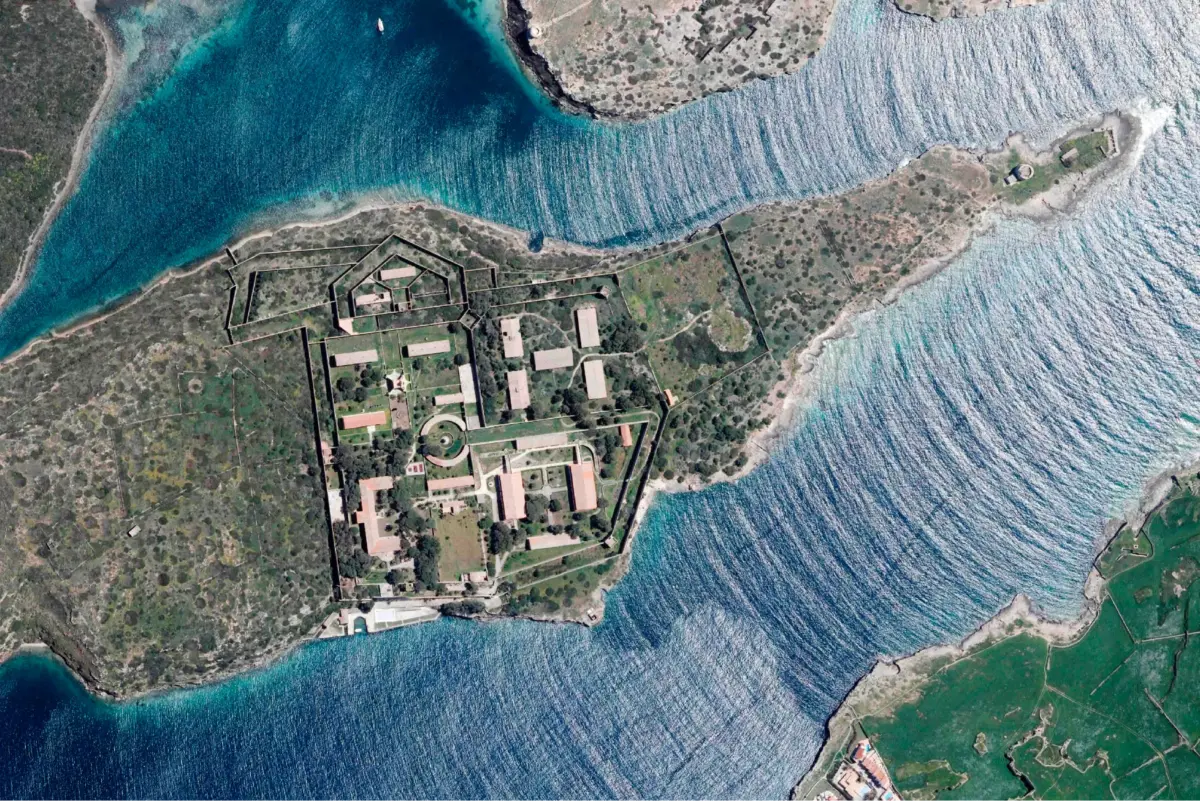
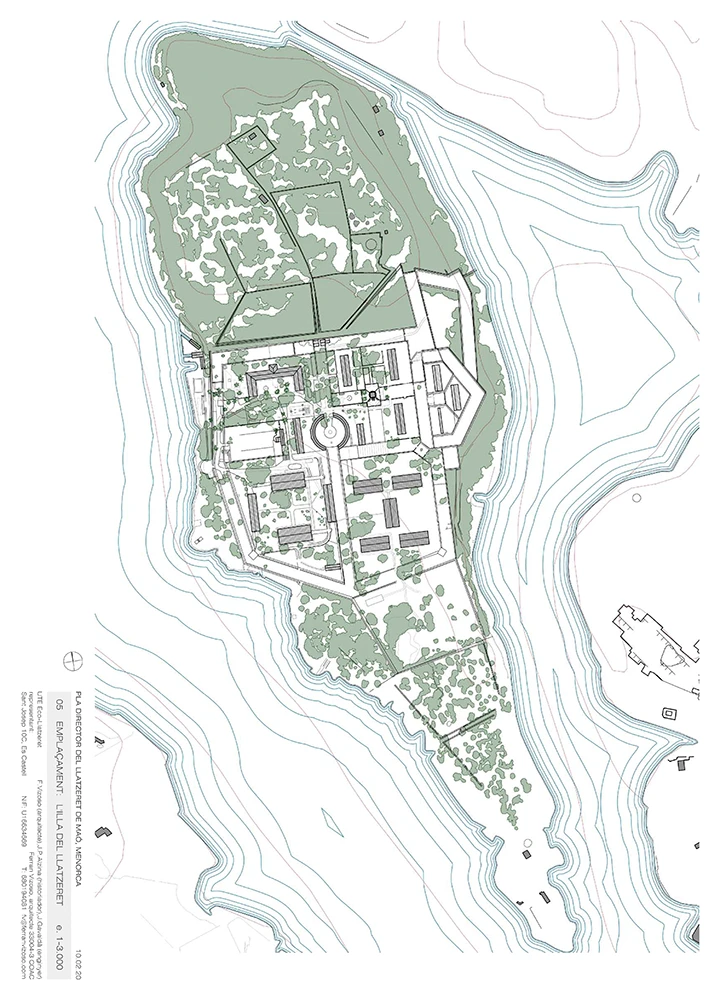
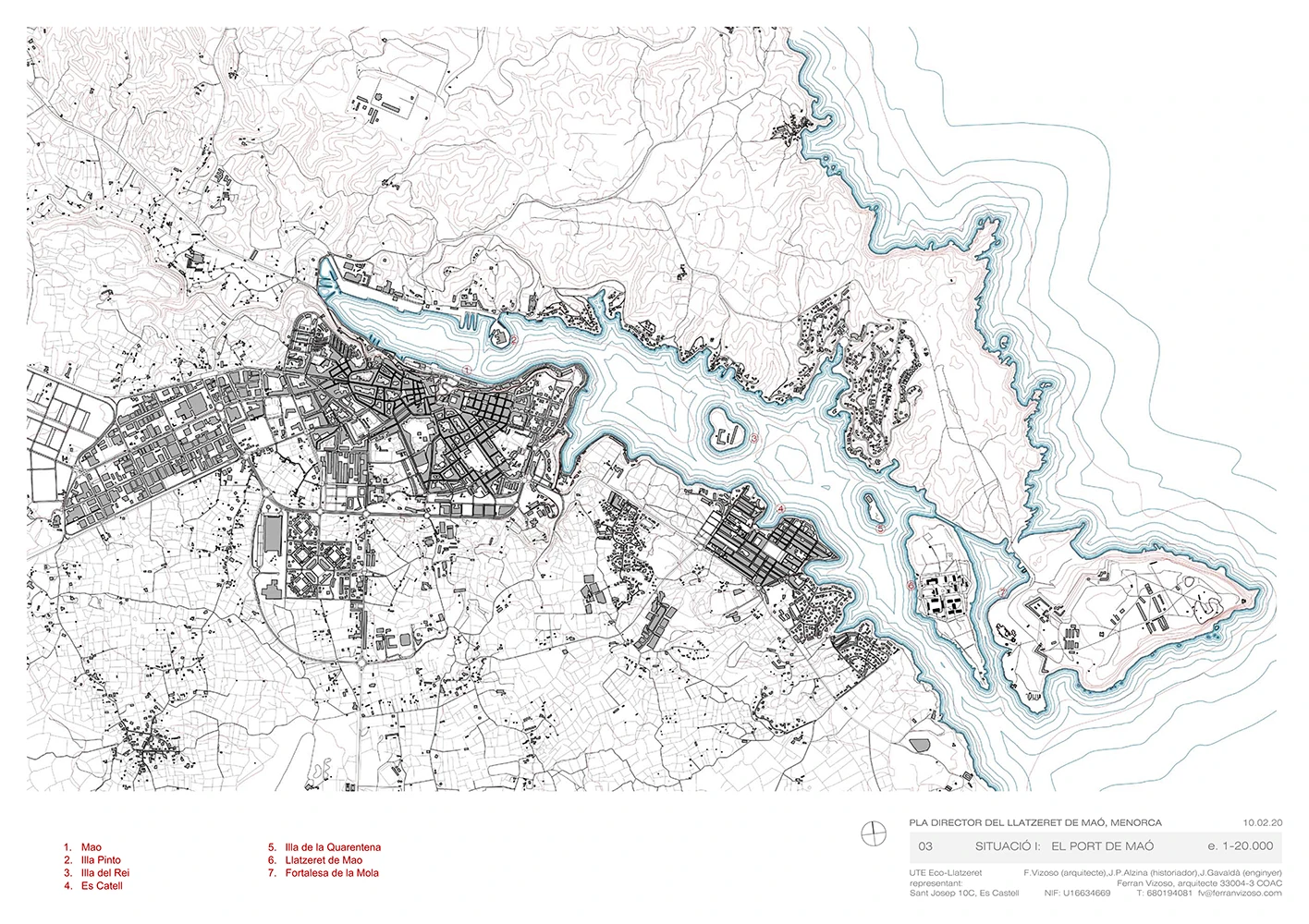
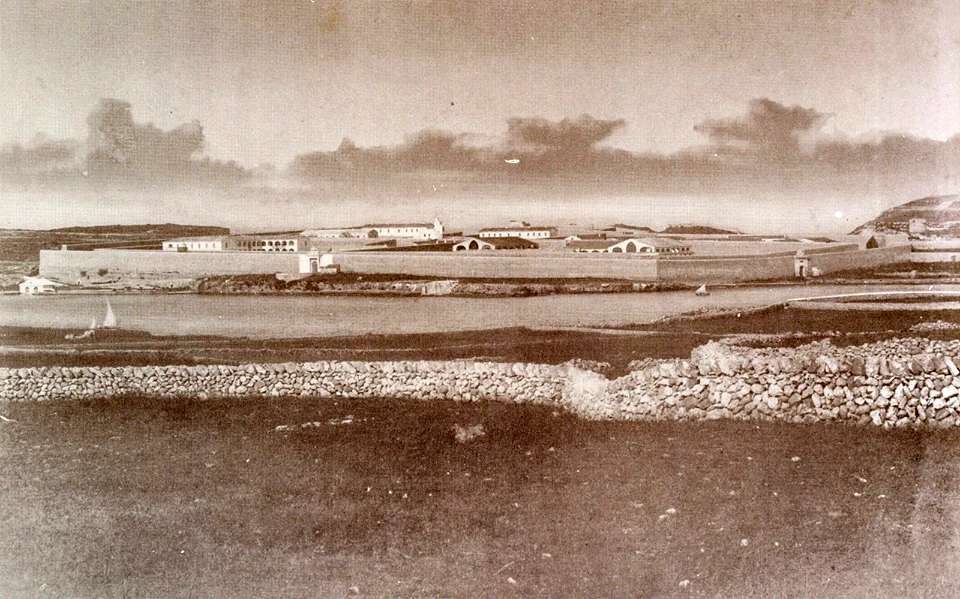
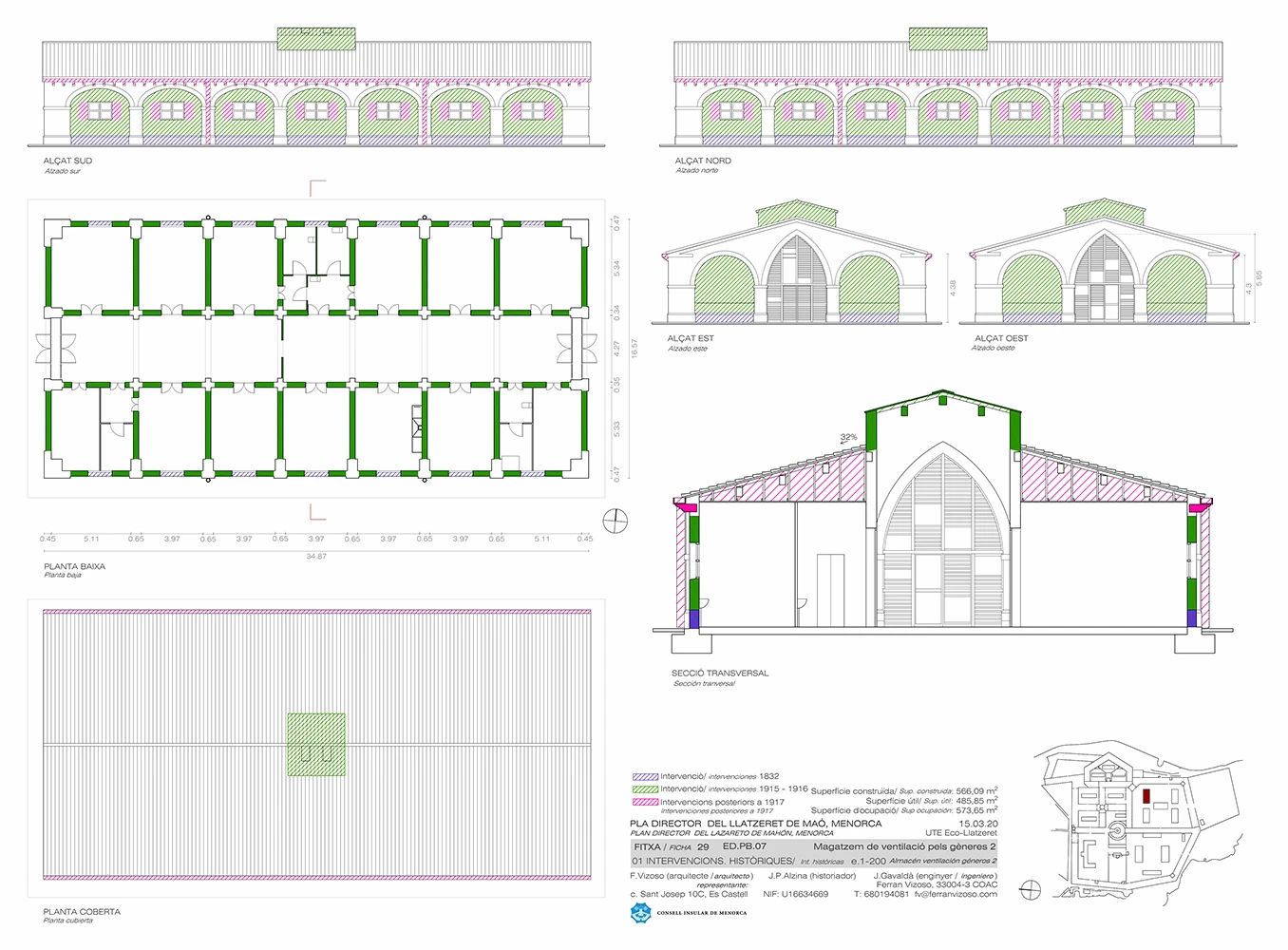
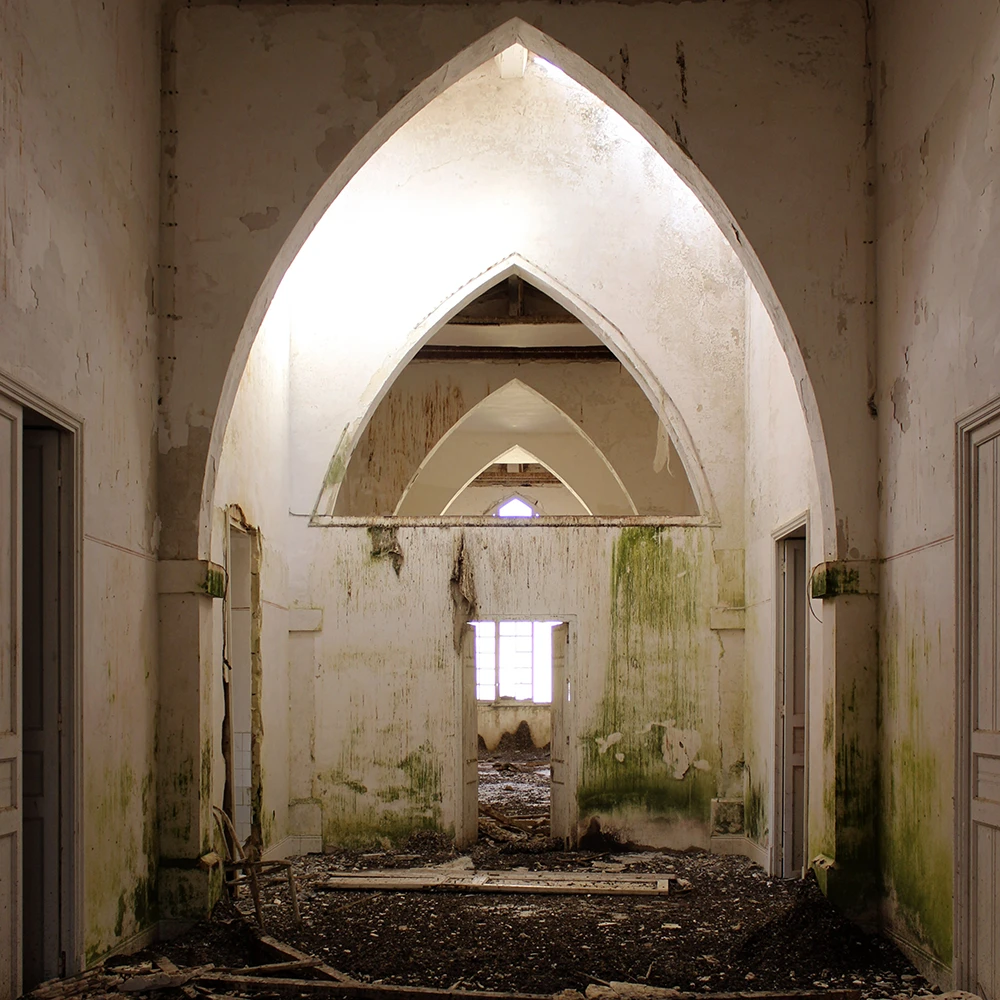
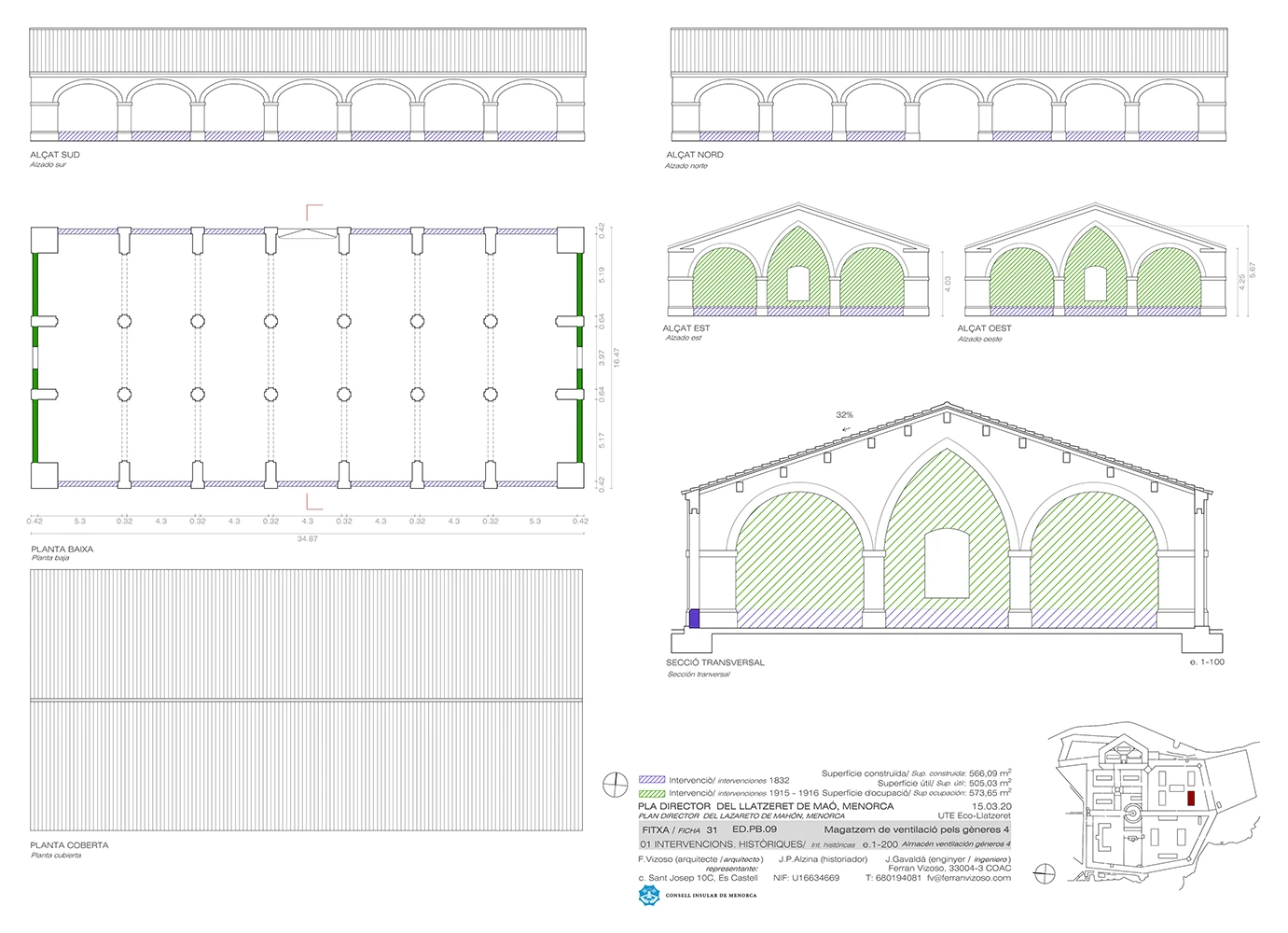
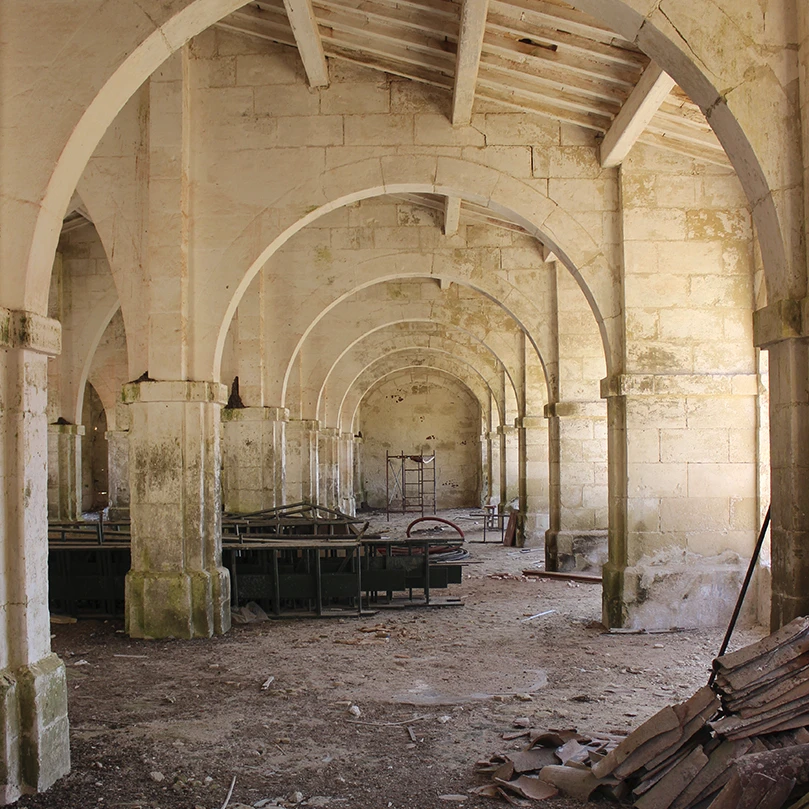
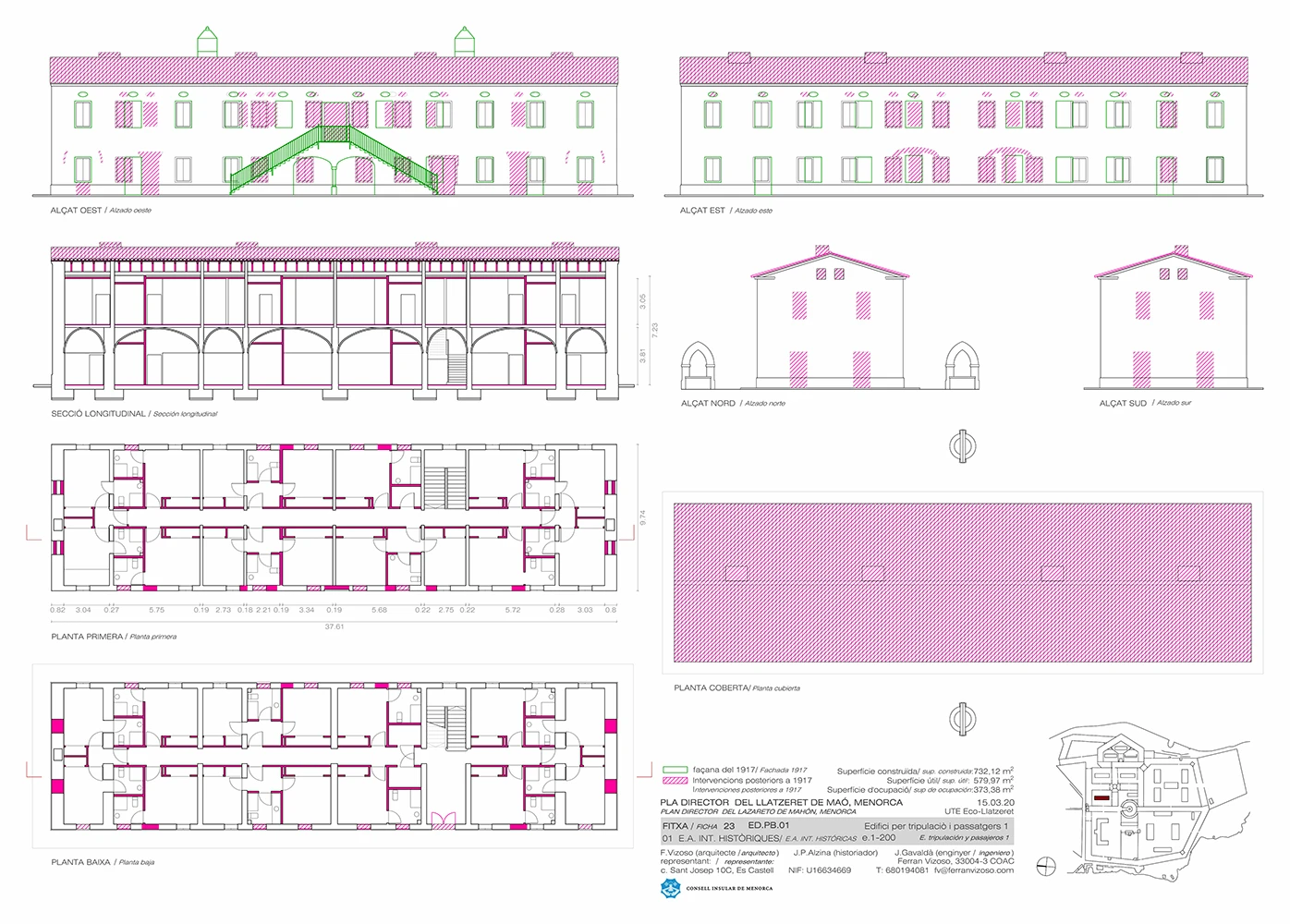
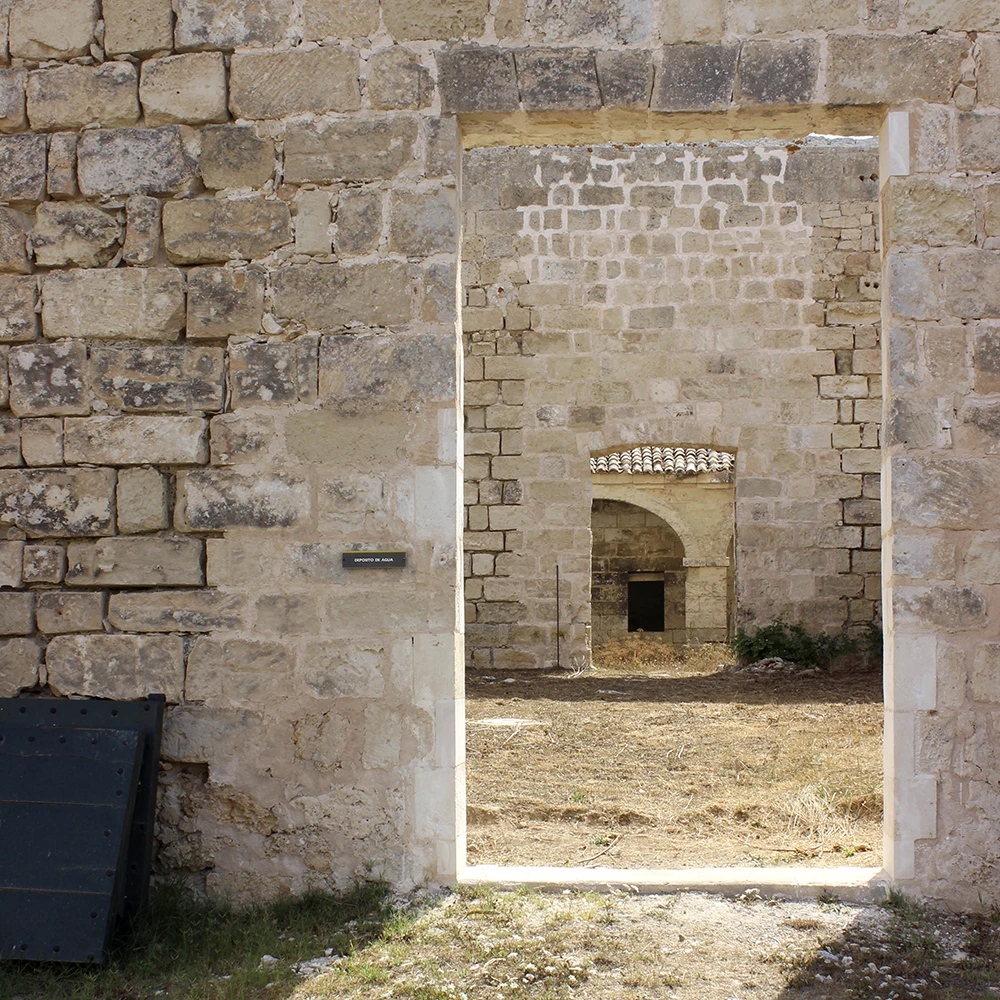
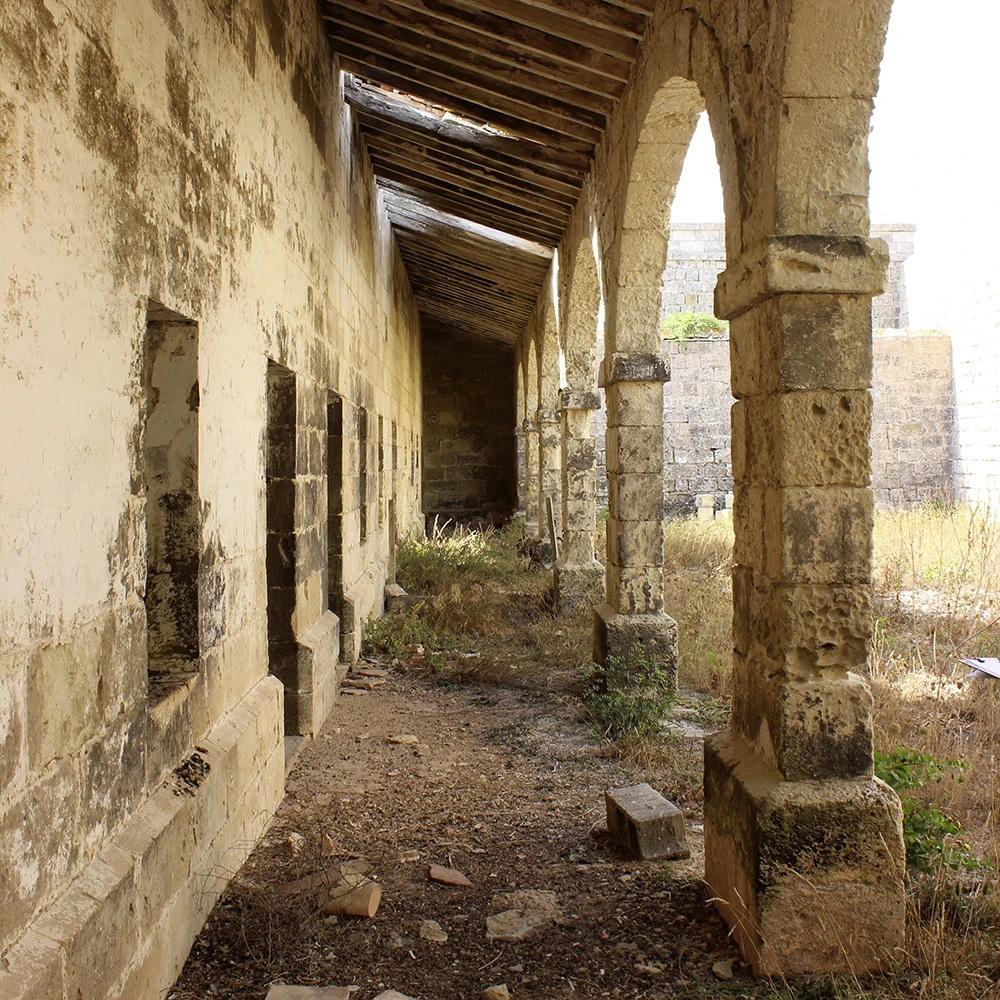
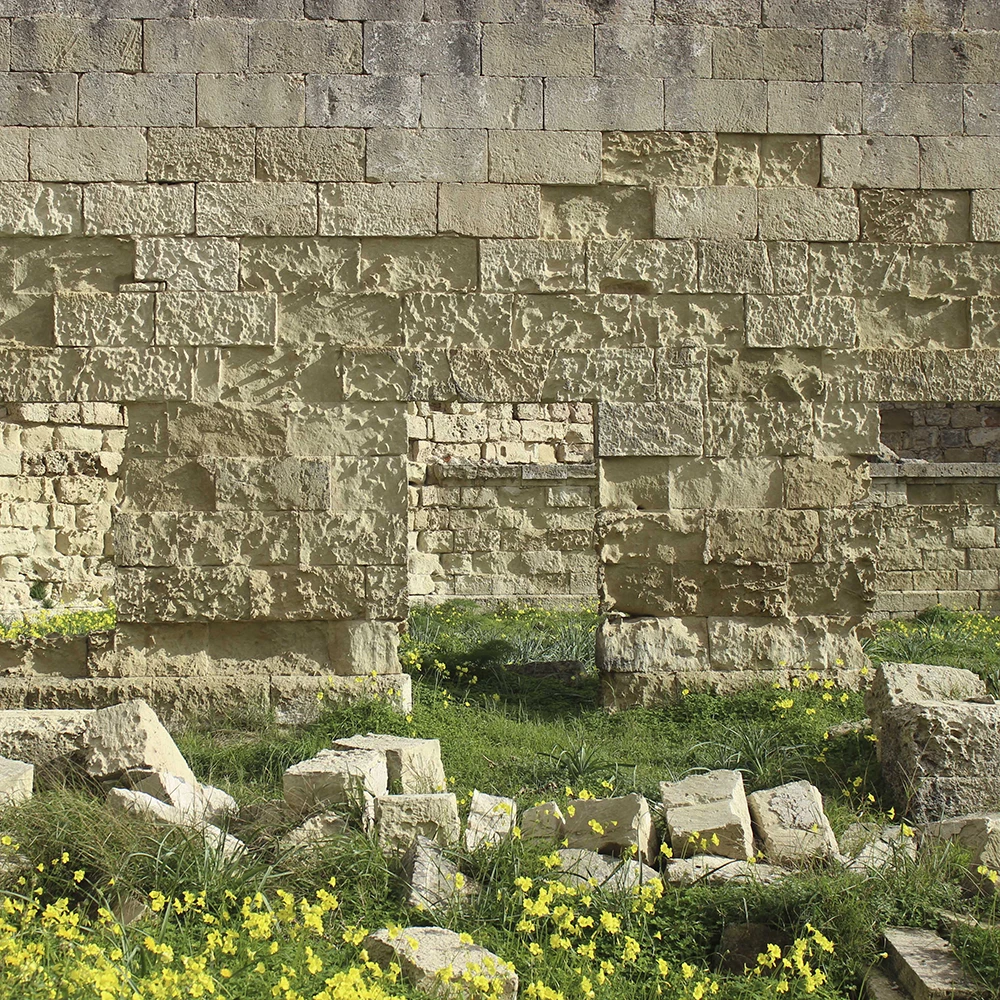
Drafting of the Master Plan for the Llatzeret of Maó, the former major quarantine hospital of the Spanish east coast (1793–1817). Located on Llatzeret Island, in the Port of Maó, it was declared a cultural heritage asset (BIC) in 1993.

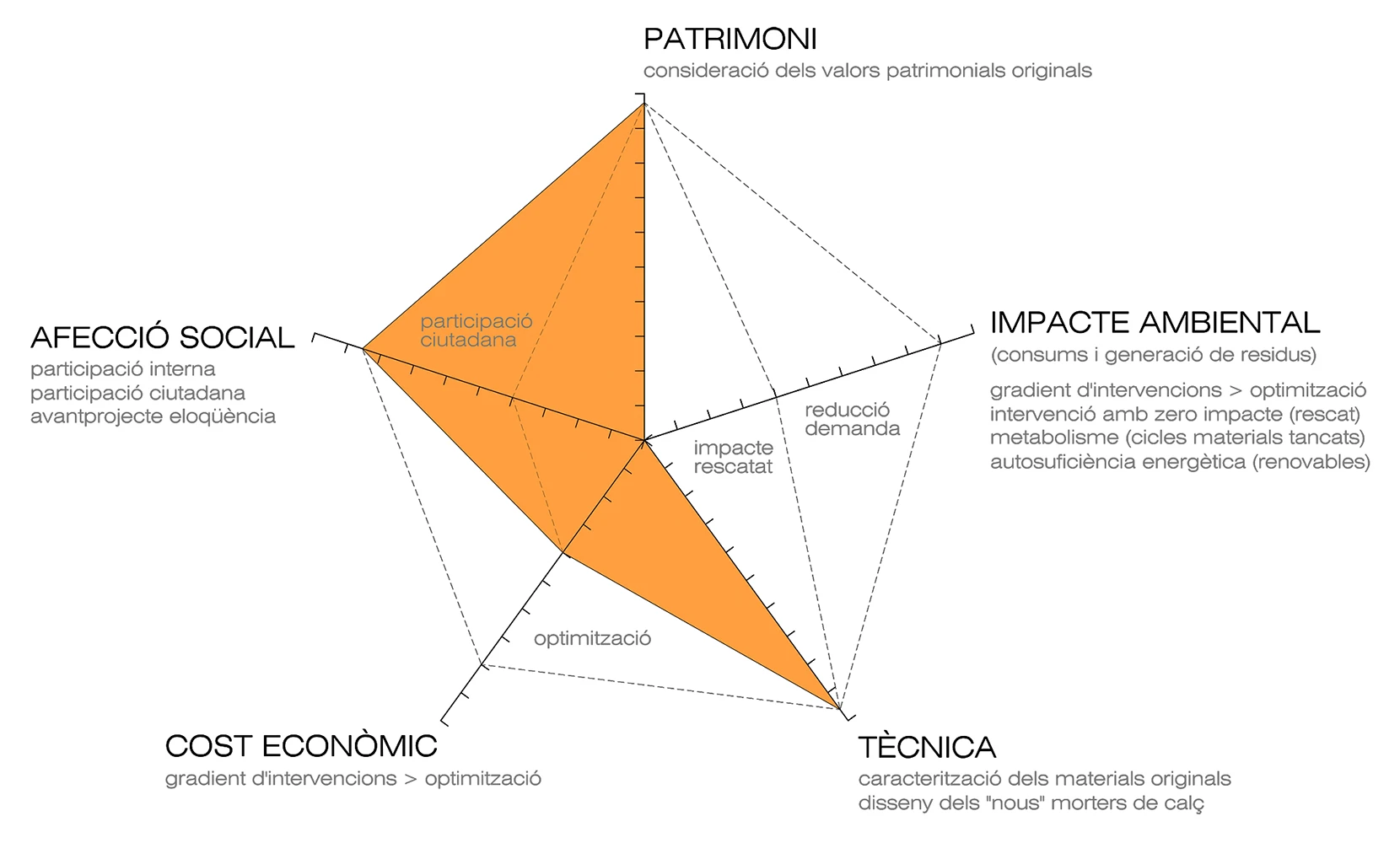
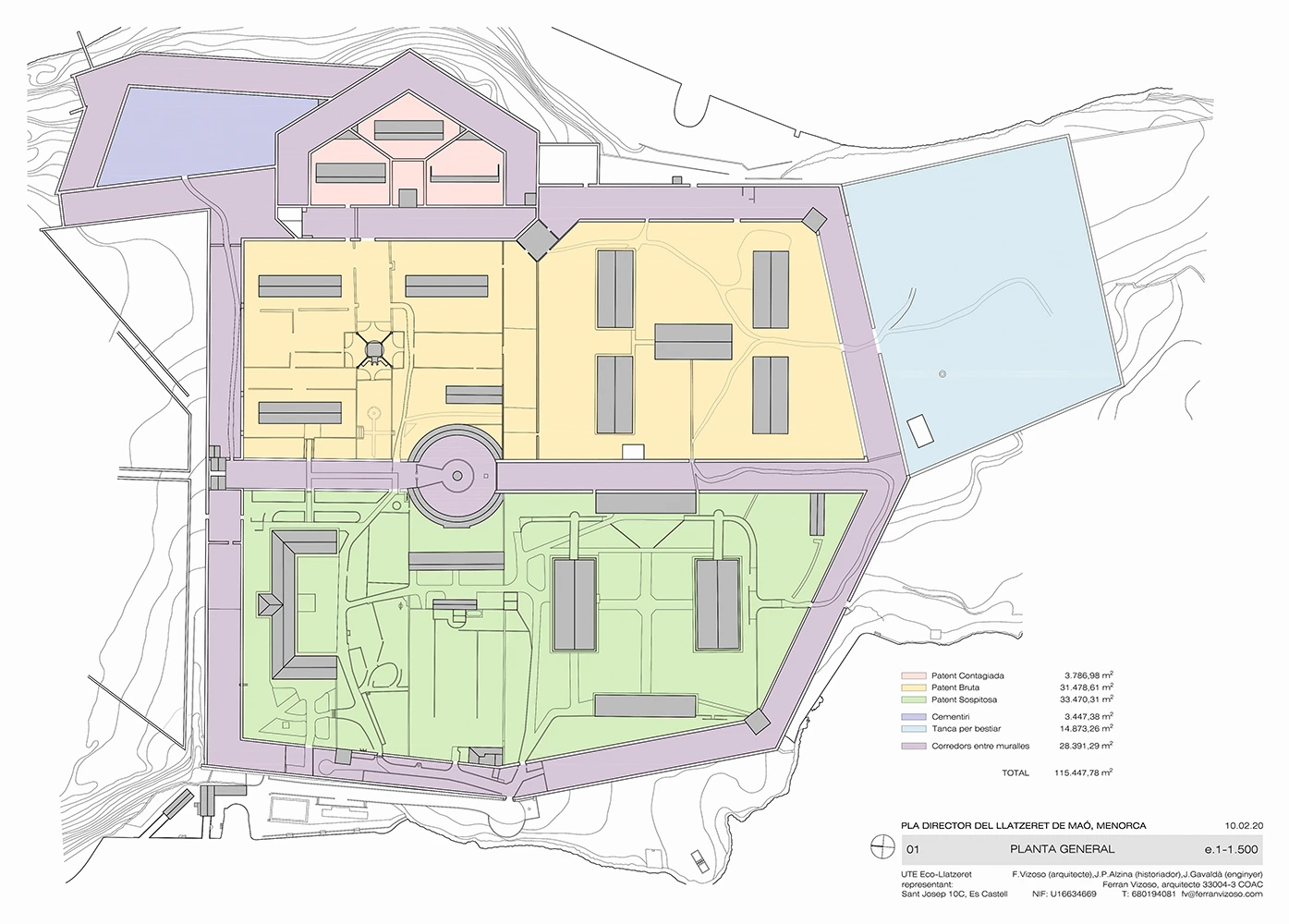
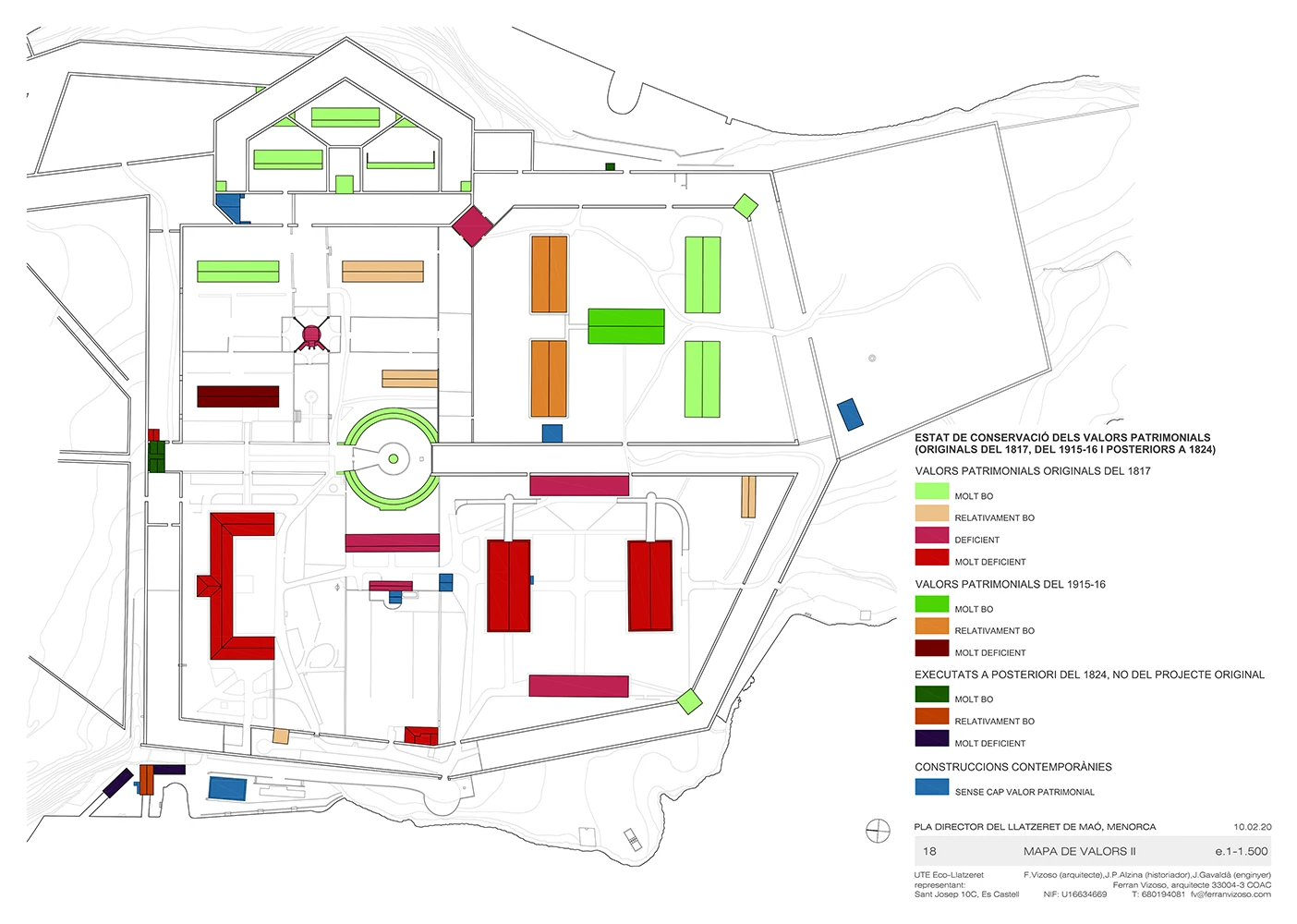
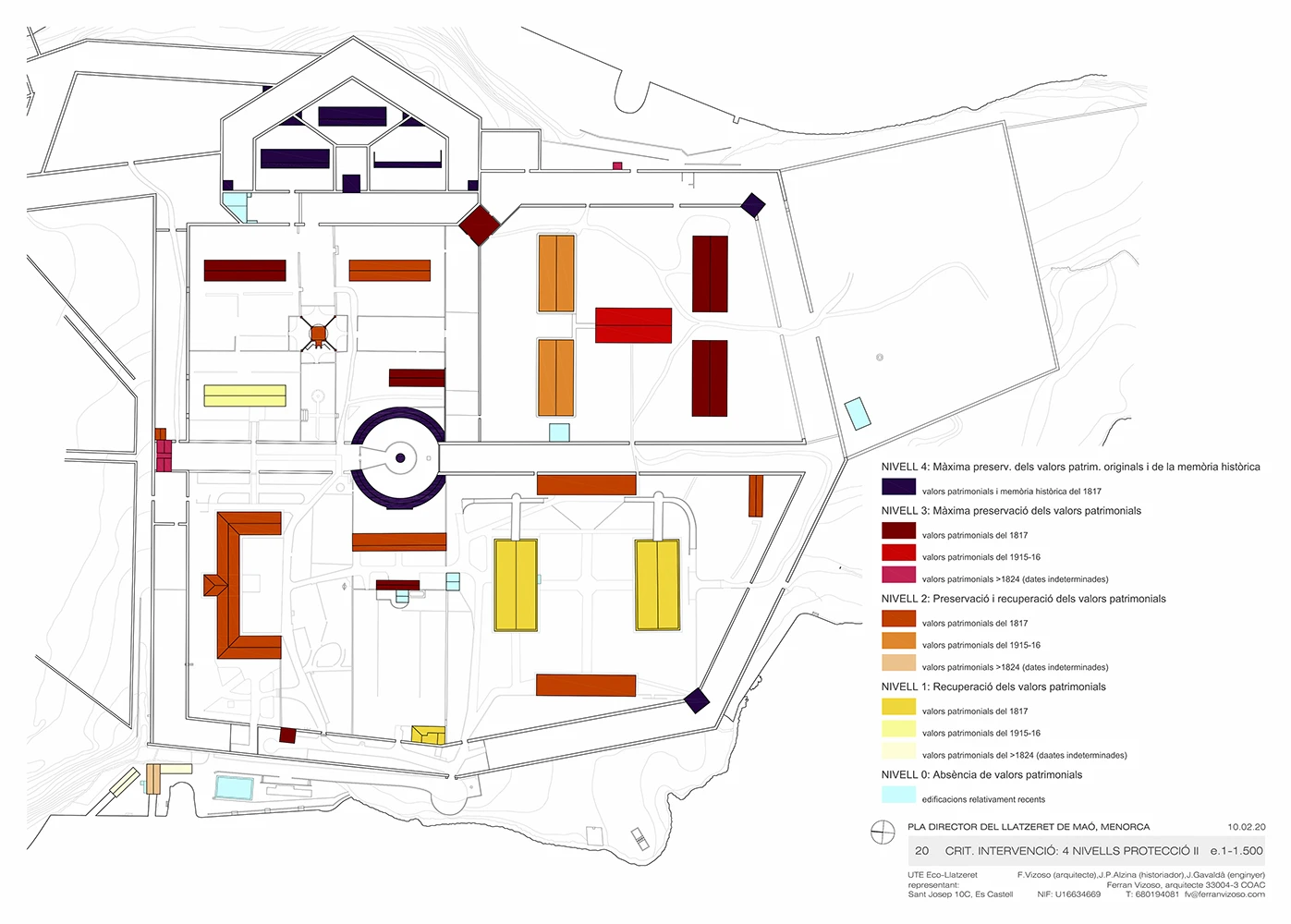
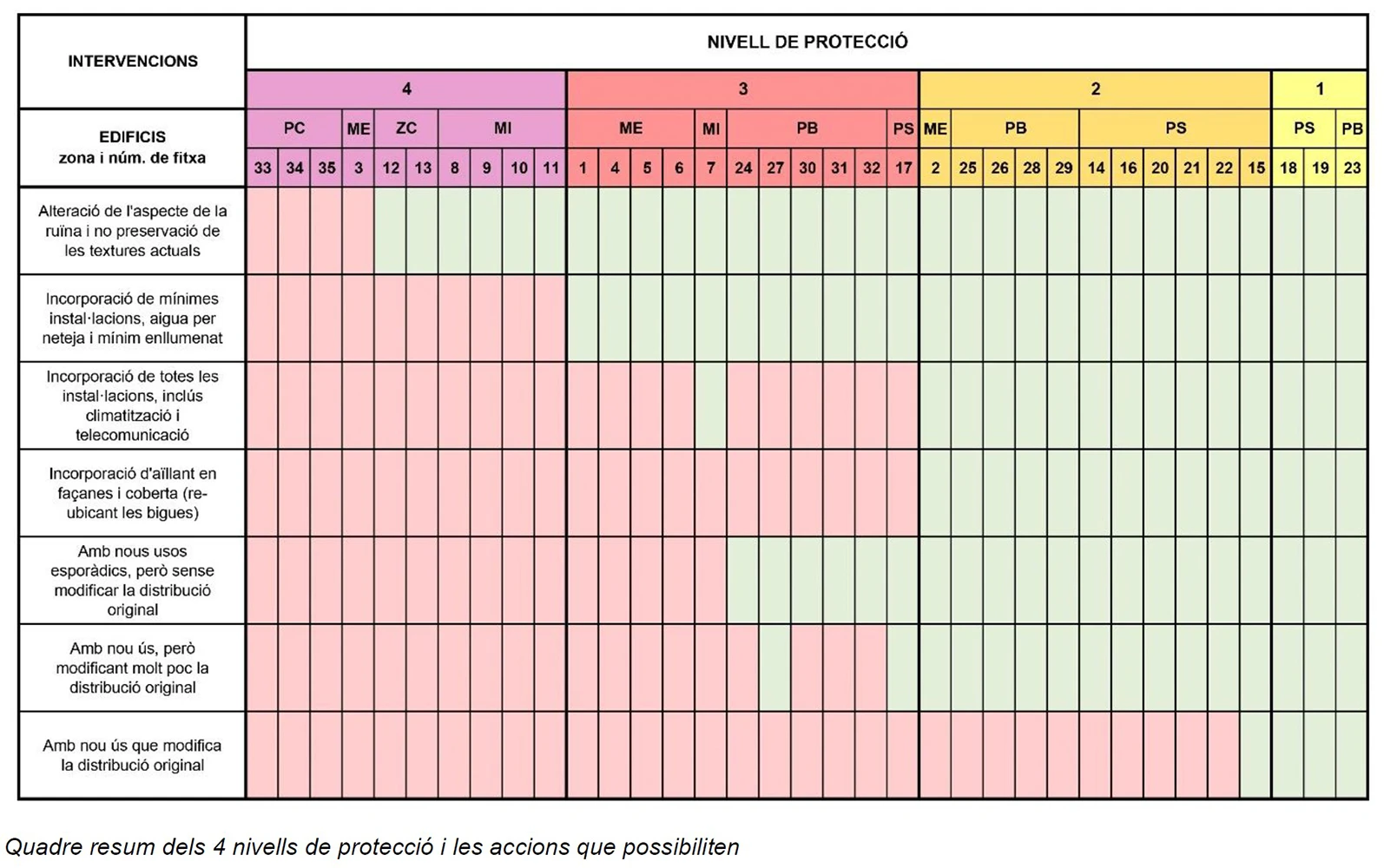
The plan is structured around its two main objectives: the preservation of its original heritage values and its future sustainable and participatory management. To achieve the first objective, and based on an exhaustive historical analysis and assessment of the site’s conservation status, the plan establishes different protection levels for the existing buildings and the technical criteria for their future restoration. To achieve the eco-social objective, the plan proposes, in pursuit of self-sufficiency and net-zero impact, the creation of the Llatzeret resource-balance agency. It also outlines a proposal for citizen participation to define the future uses of the former hospital and articulate its co-management.

The drafting of the document was carried out by a broad transdisciplinary team and through rigorous fieldwork. The result is a management tool for the site that aspires to excellence in heritage intervention, binding environmental objectives and citizen co-participation.

Categoria:

Status: Completed

Client:
Consell Insular de Menorca
Department of Local Cooperation and Tourism Promotion

Location: Port of Maó, Menorca

Dates (start and completion): 2019–2020

Area: 115,500 m²

Budget (PEM): €20,100,000

Awards: First prize in curricular and methodological proposal competition

Co-authors:
Joan Pons Alzina, historian
Josep Gavaldà, industrial engineer

Quantity surveyors: Amílcar Seguí and Rafael Mus

Traditional materials and techniques: Joan Ramon Rosell, quantity surveyor

Heritage intervention: Anna Chust, architect

Conservator-restorer: Carolina Moreno

Archaeologist: Ismael Moll Pelegrí

Environmental scientist: Iván Fernández

Environmental consultancy: Societat Orgànica

Collaborators:
Federico Biasotto, architect
María Zufiaur, Albert Asensio, Júlia de la Fuente, Alegría Garrofé, architecture students

Images: Ferran Vizoso

Ca SAVI Participatory Process

Ca SAVI Participatory Process

Casa Zero

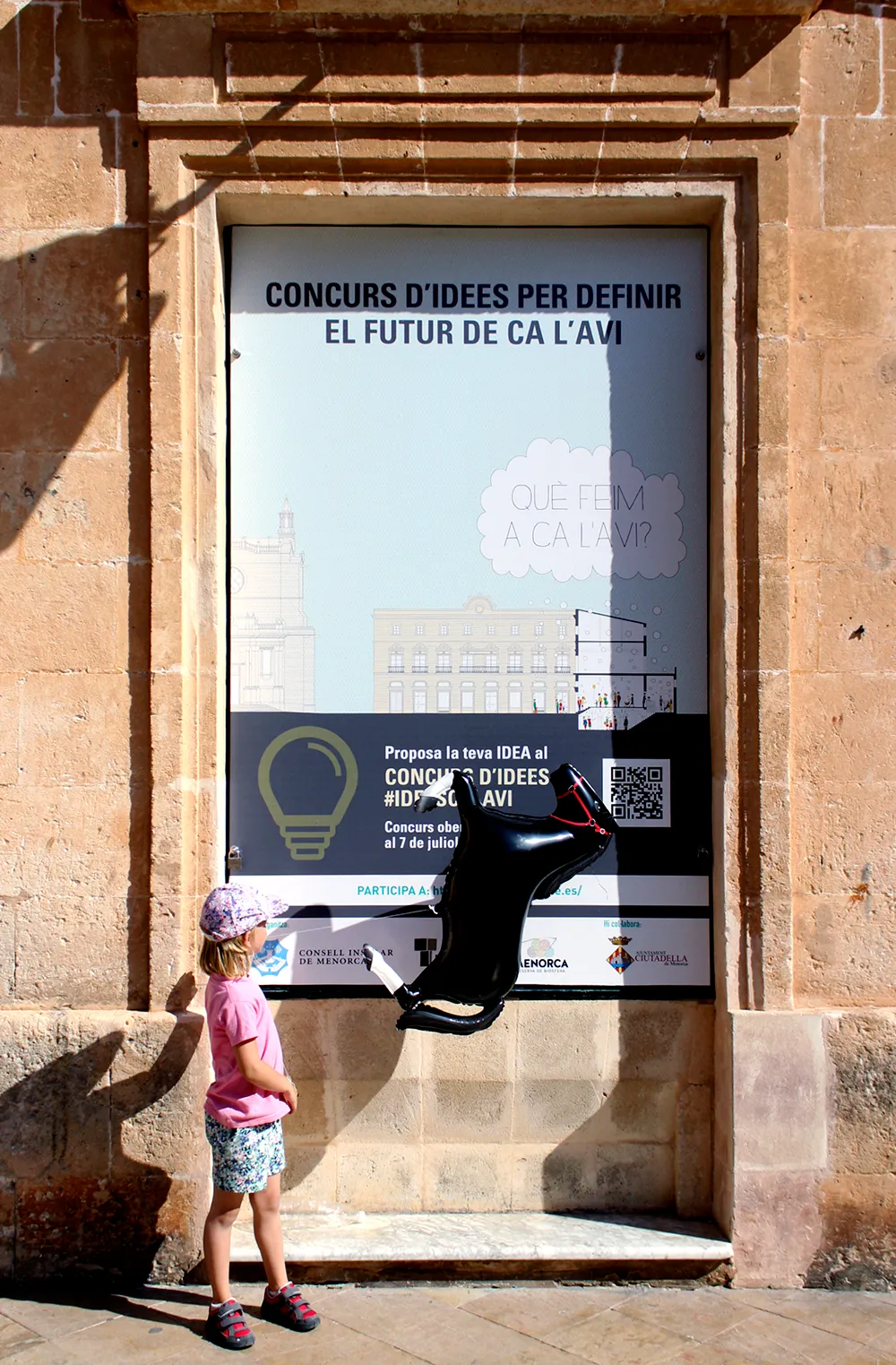
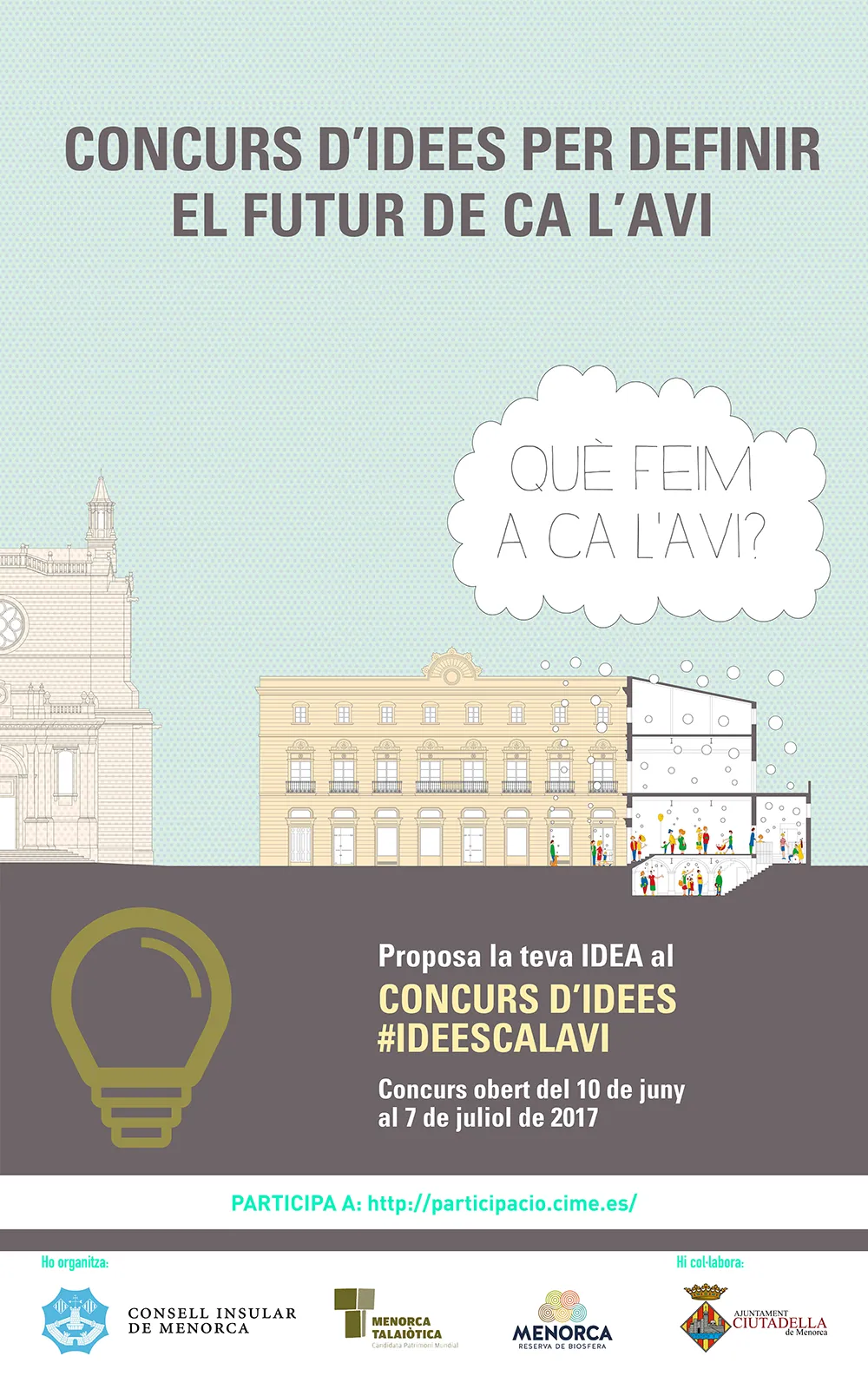
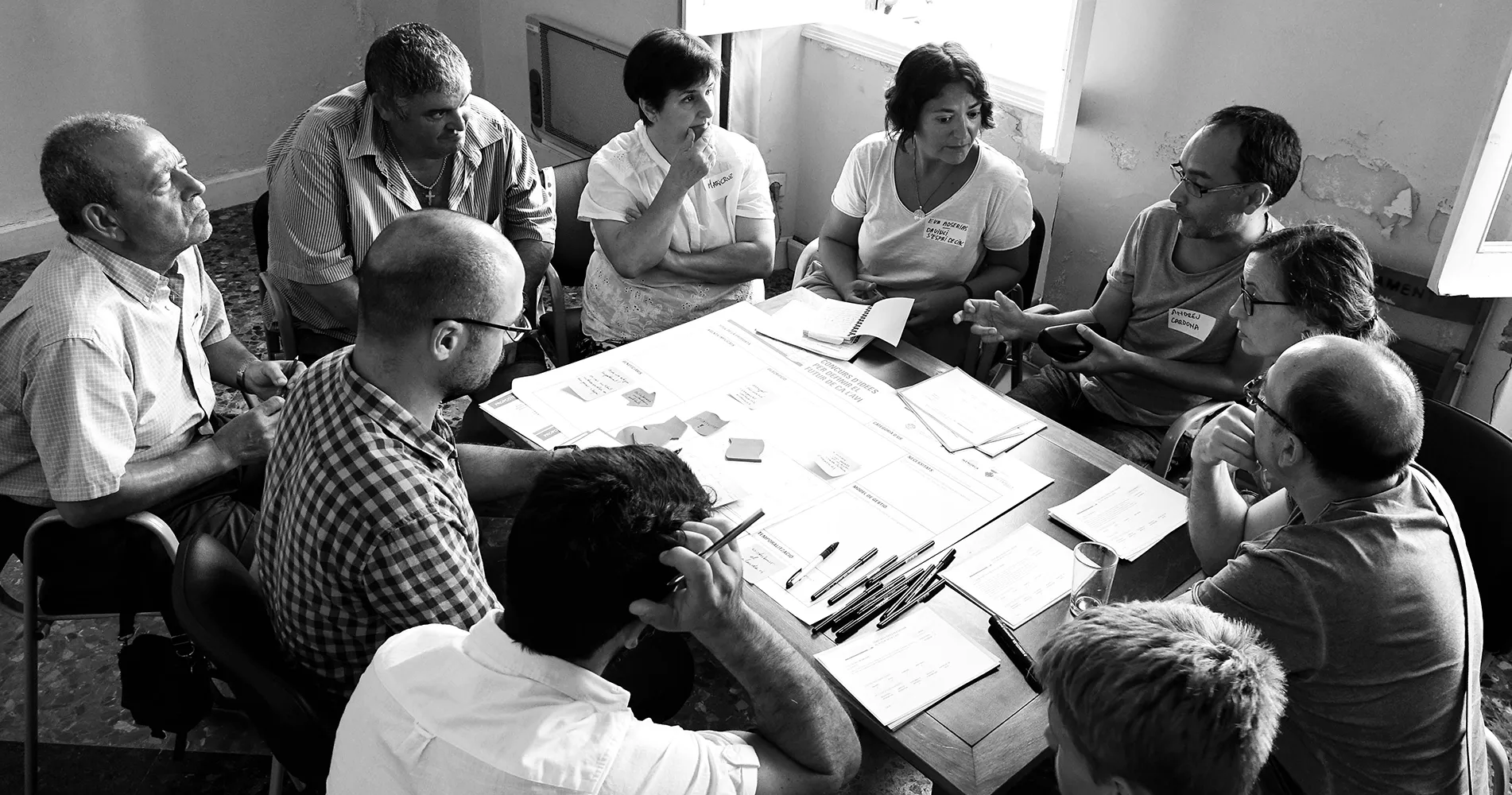
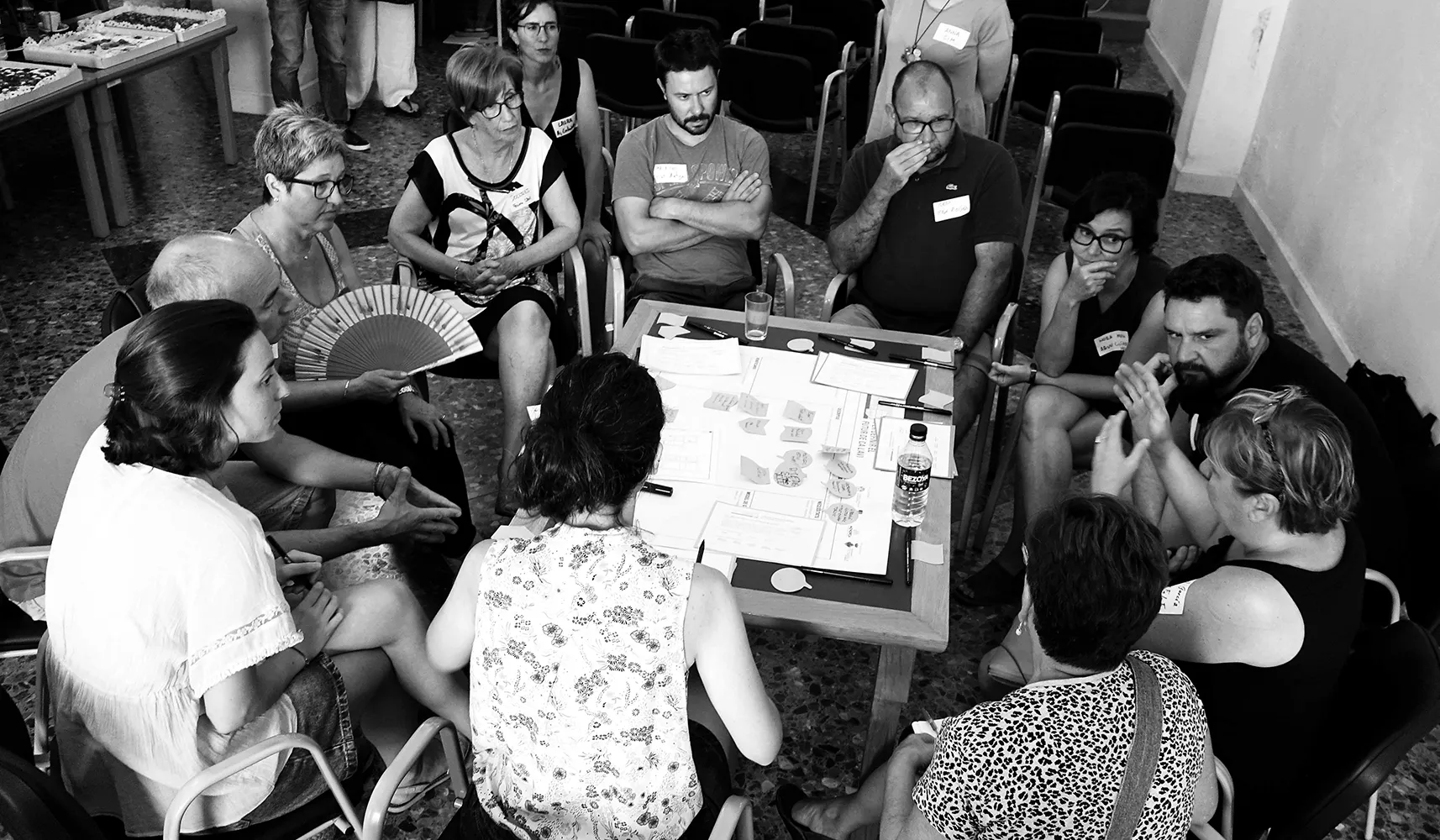
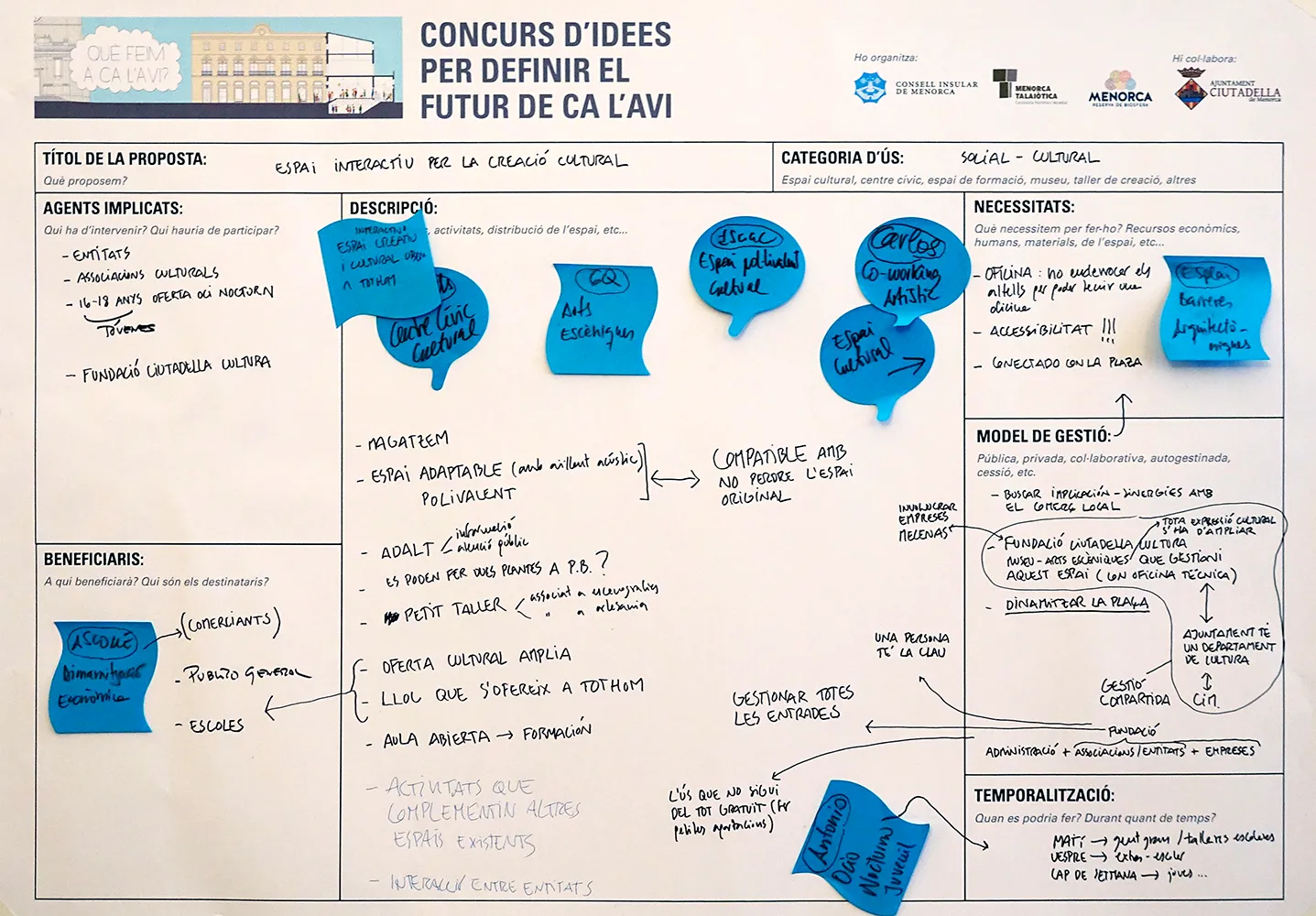
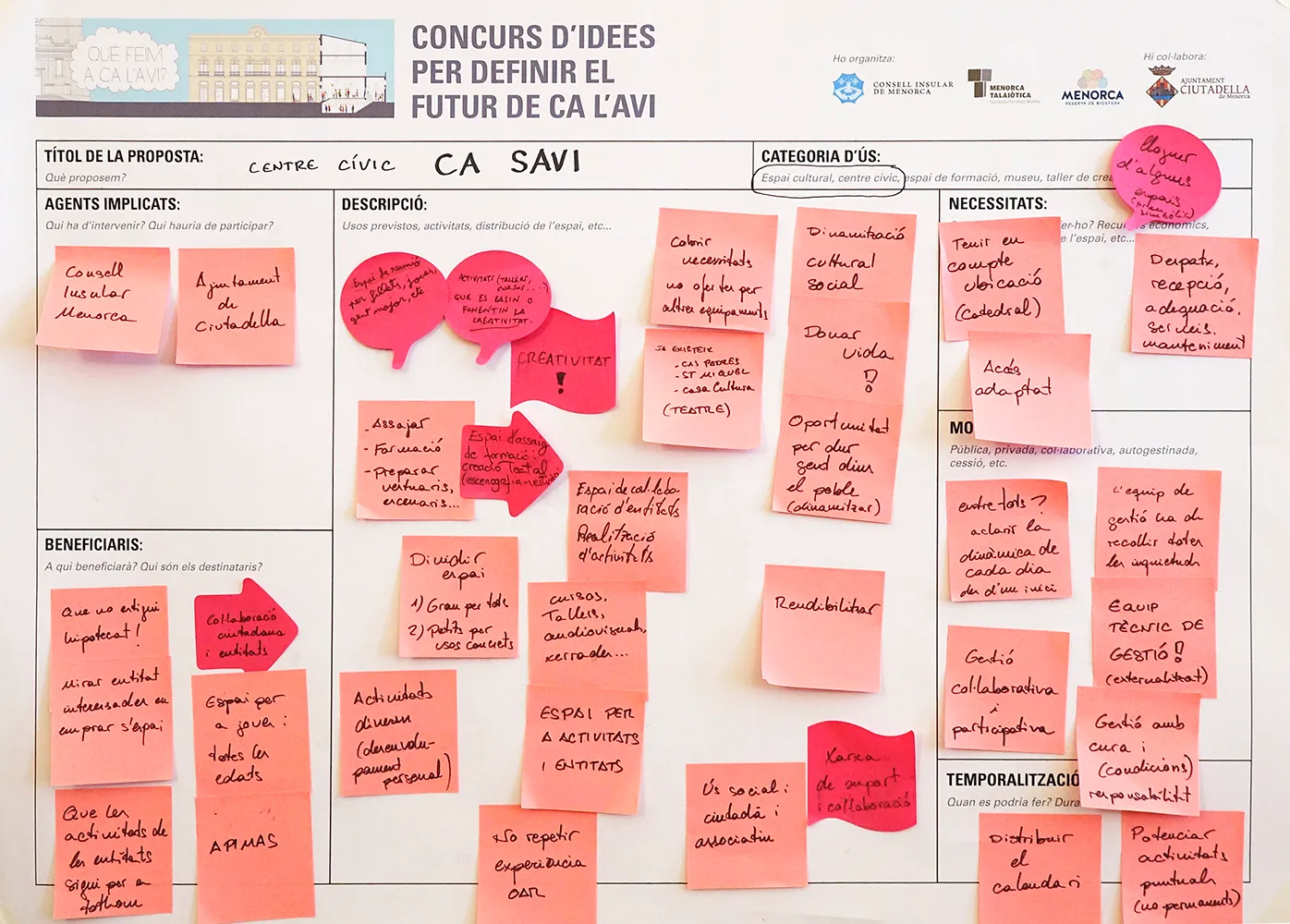
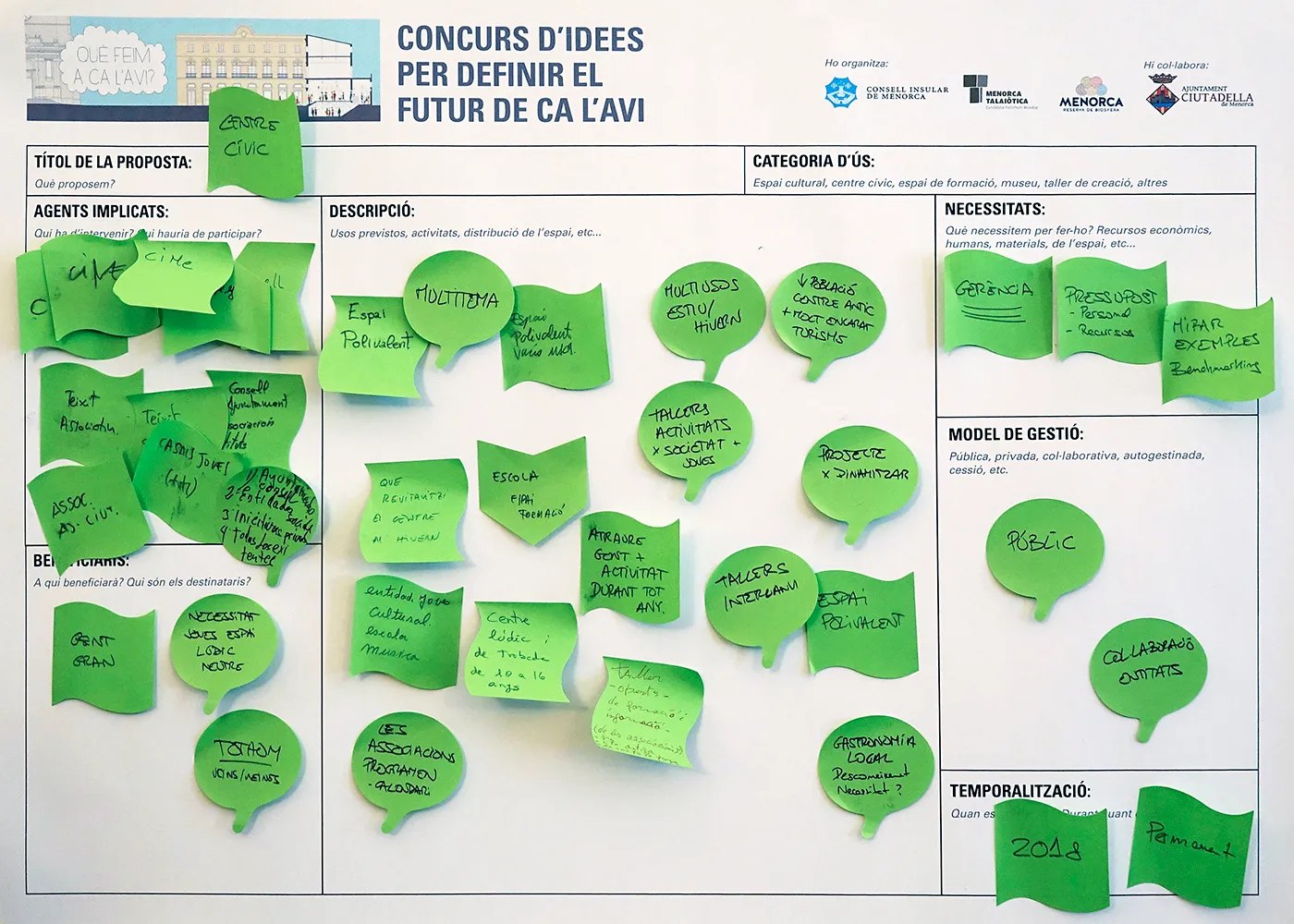
Design and facilitation of a citizen participation process to define the future uses of the former Ca SAVI hardware store premises, located on the ground floor of the Sexagenària building in Ciutadella, Menorca. The work included participation design, communication and facilitation, and the evaluation of its impact and results.

The participatory process lasted three months and consisted of online participation through forms and a dedicated website, as well as a workshop attended by 28 participants, either individually or representing various associations, organisations and foundations.

The process concluded with a feedback event held in the same premises, where the high level of participation was acknowledged and the results were presented and validated.

Categoria:

Status: Completed

Client: Consell Insular de Menorca, General Services, Participation and Housing

Location: Ciutadella, Menorca

Dates (start and completion): 2017

Budget (PEM): €365,000

Awards: First prize in curricular and methodological proposal competition

Co-authors:
Espai TReS, Territori i Responsabilitat Social
Xavier Sabaté, environmental scientist
Irene Navarro, environmental scientist and landscape specialist

Images: Ferran Vizoso

Former Church of Corbera d’Ebre

Former Church of Corbera d’Ebre

Antiga església de Corbera d'Ebre

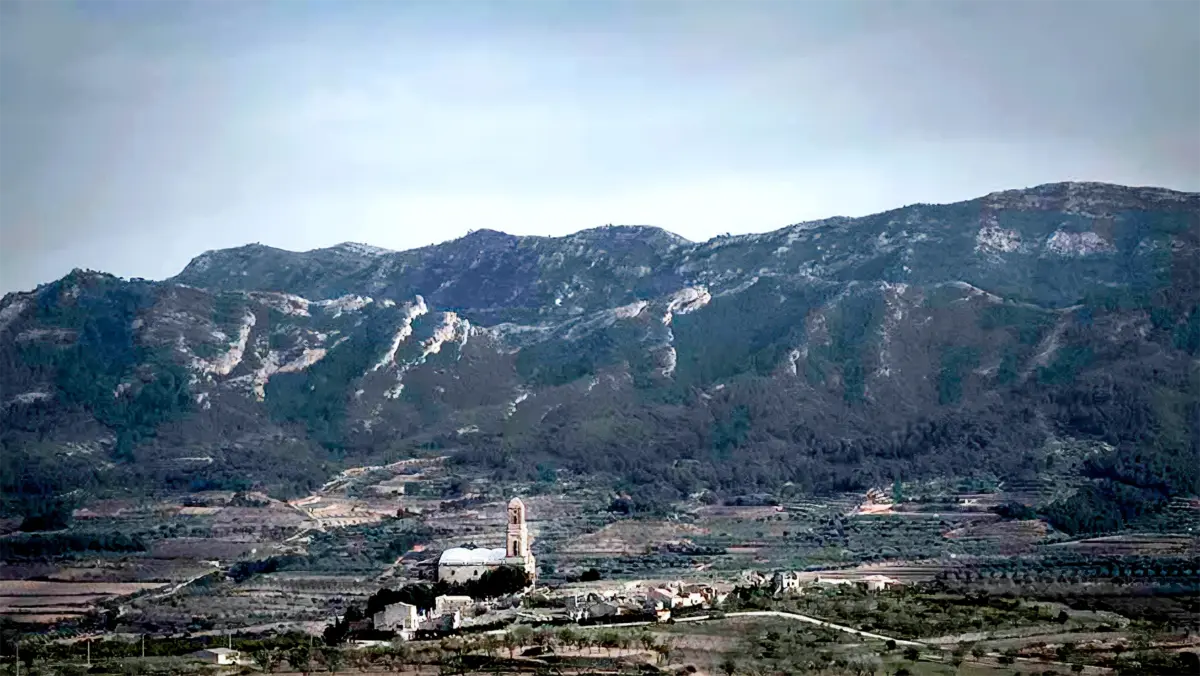
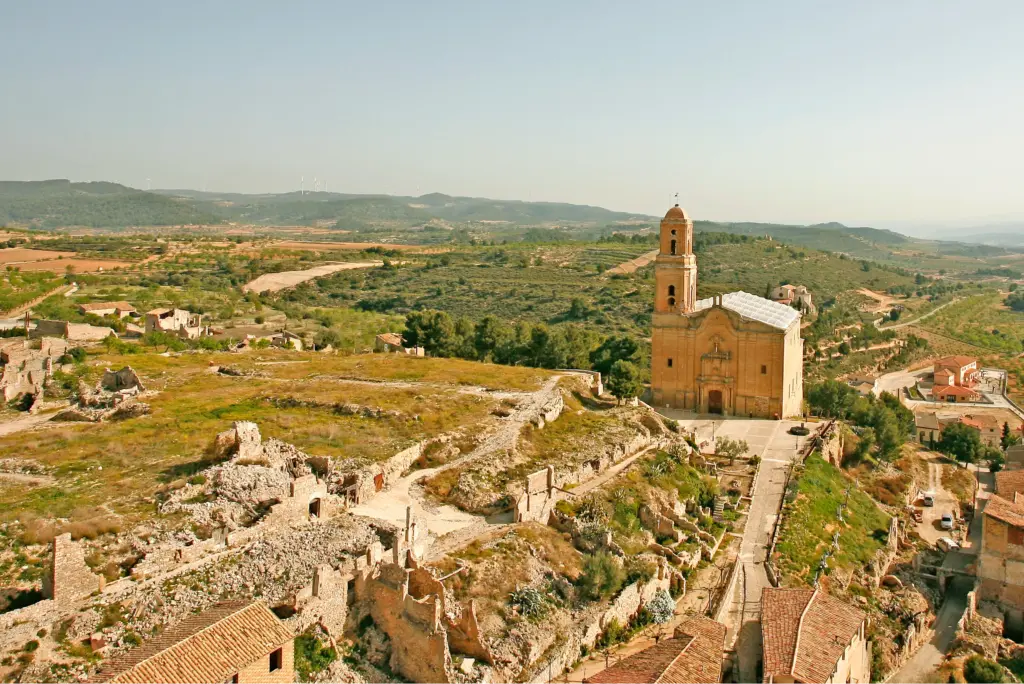
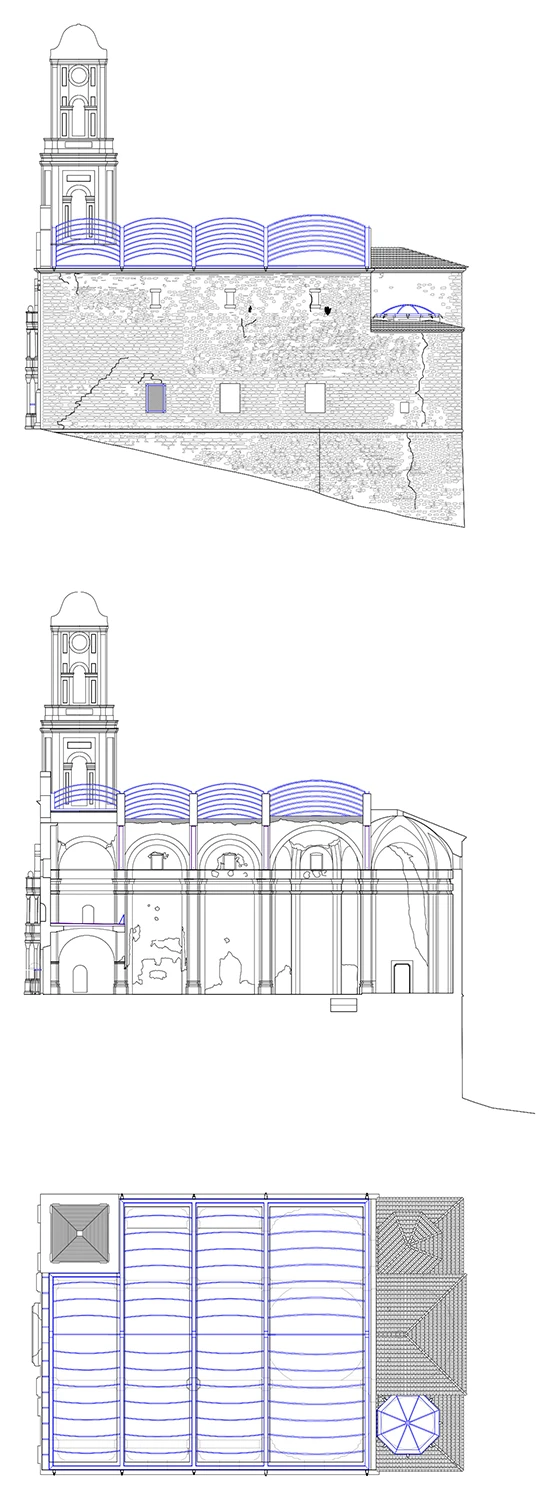
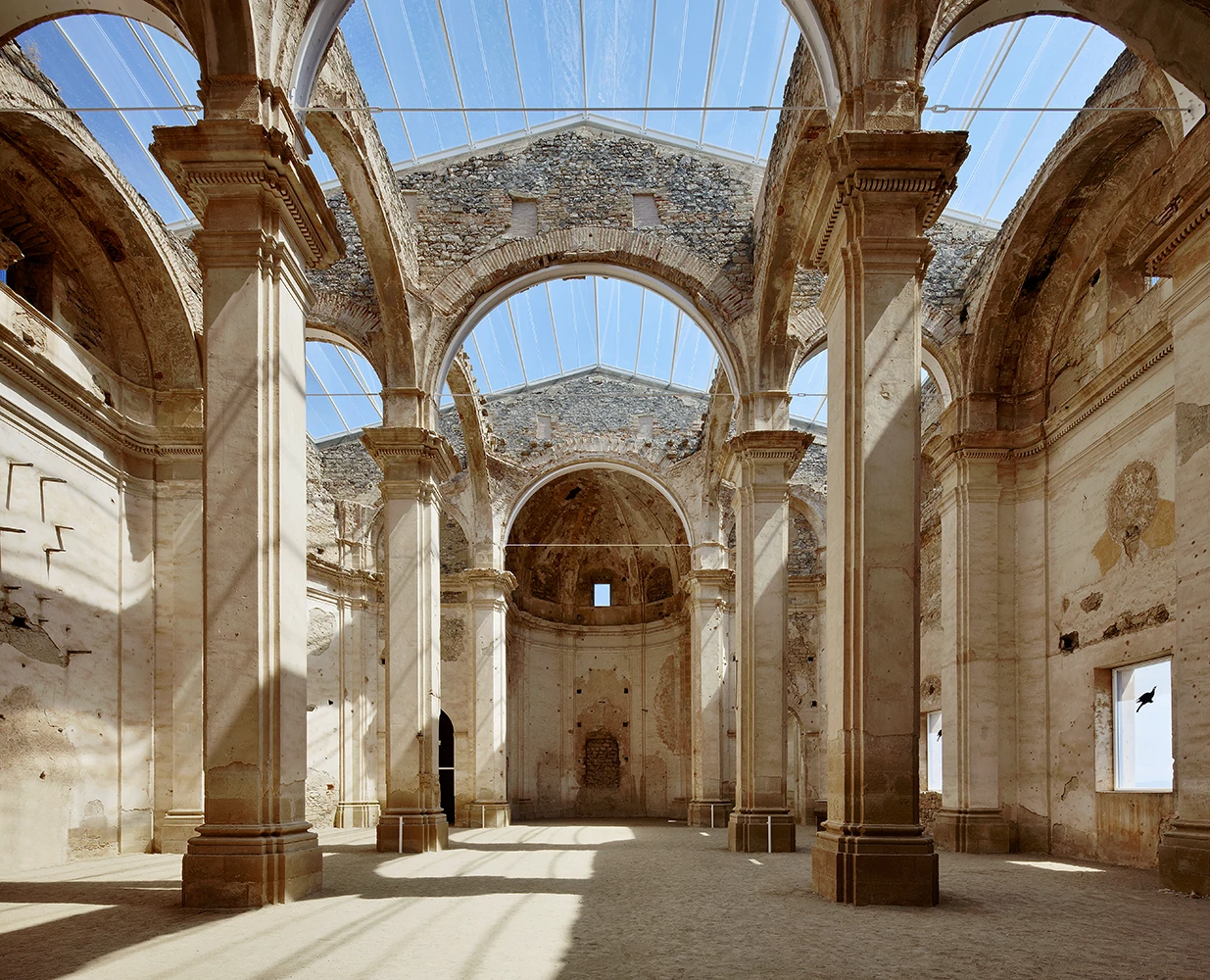
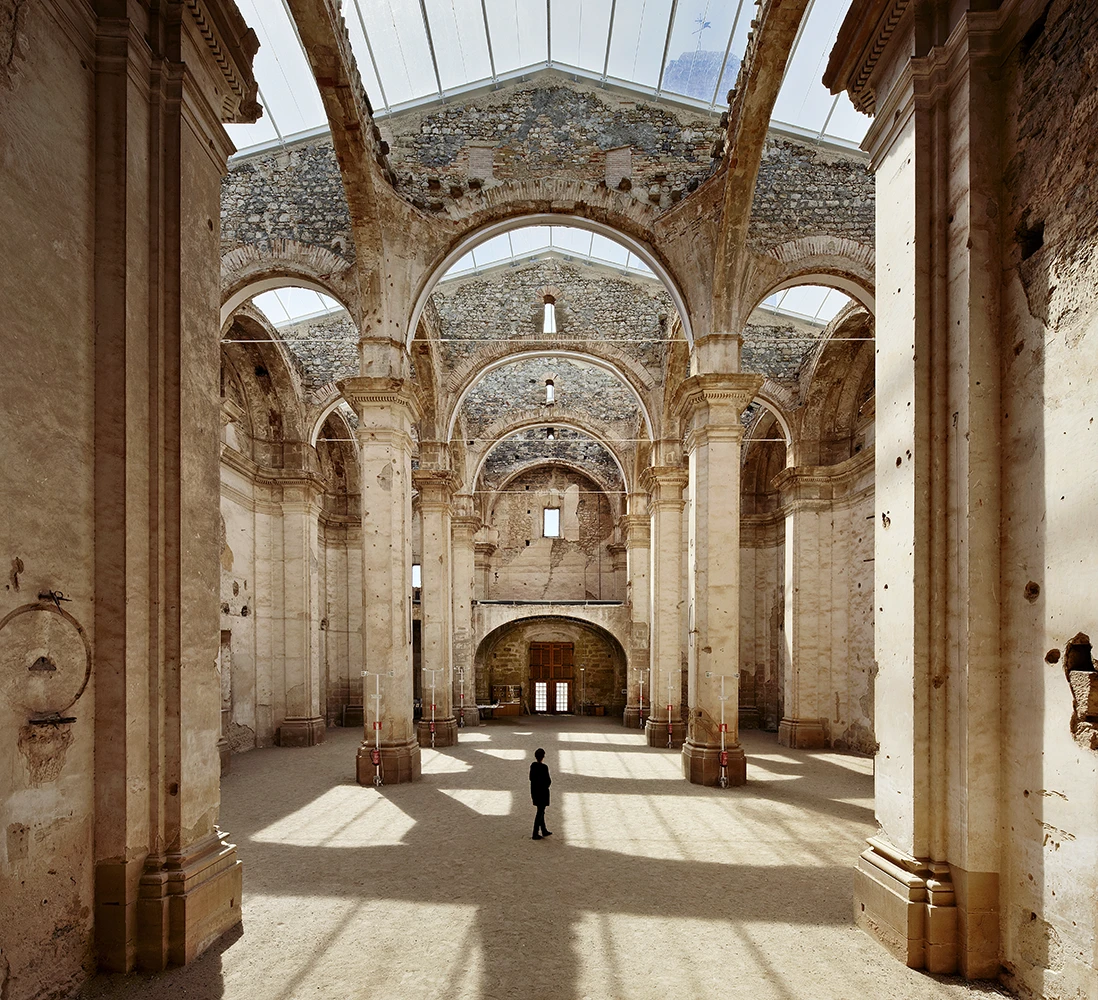
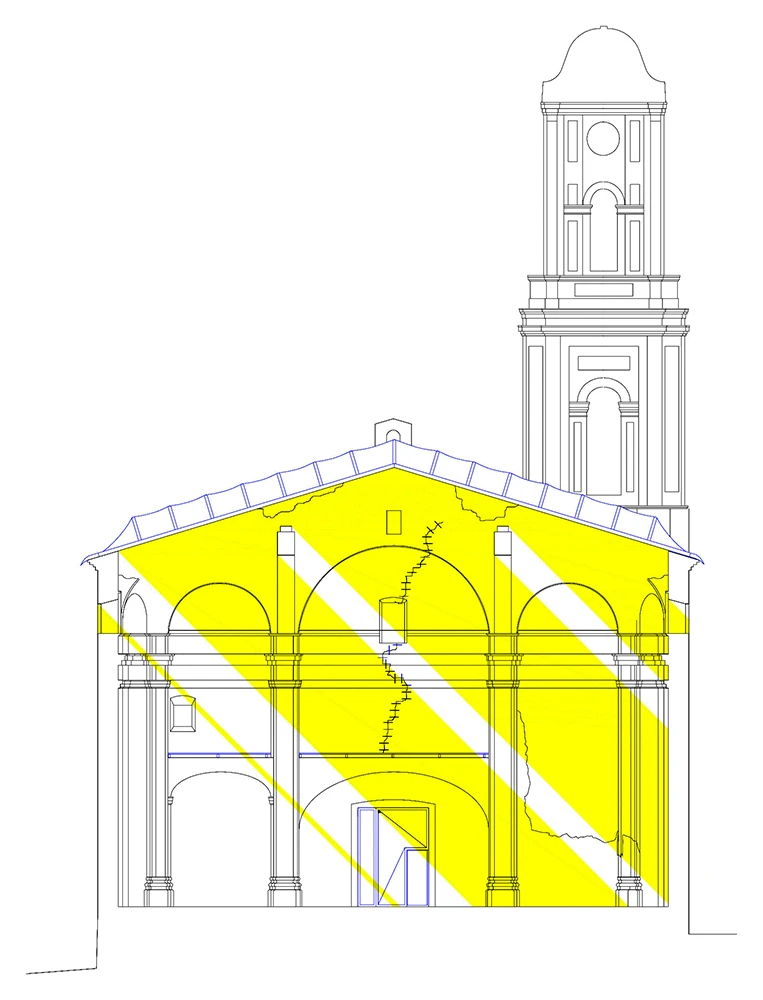
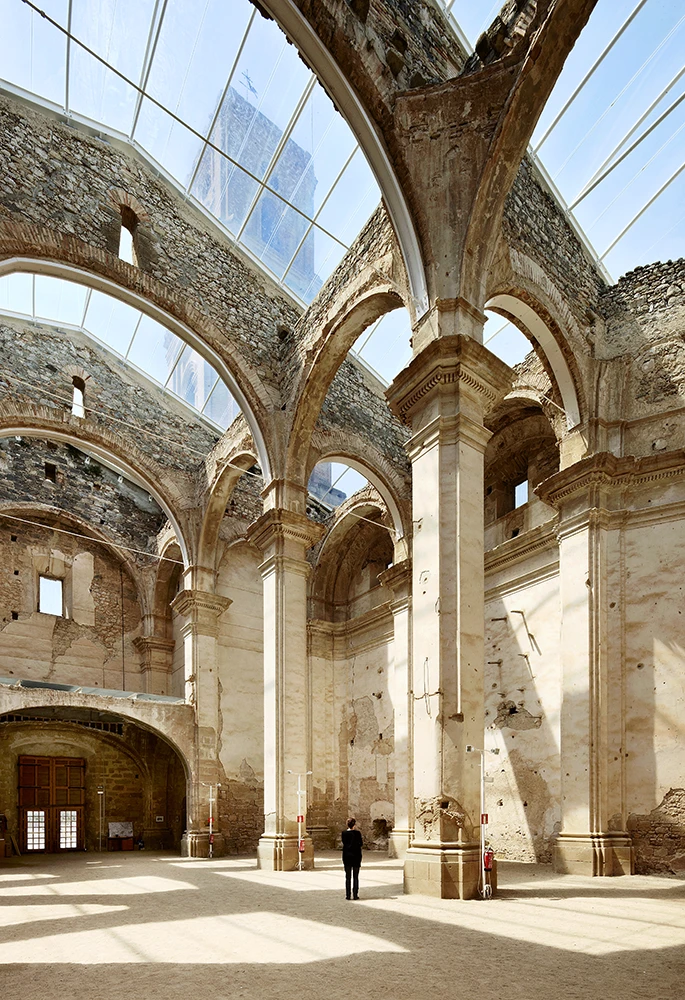
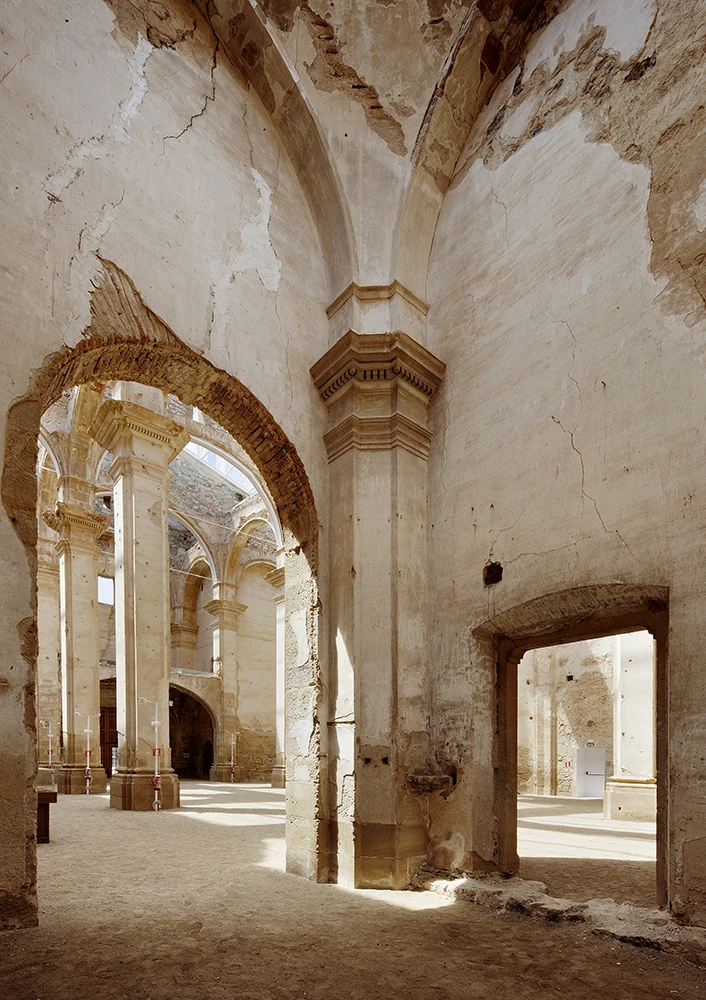
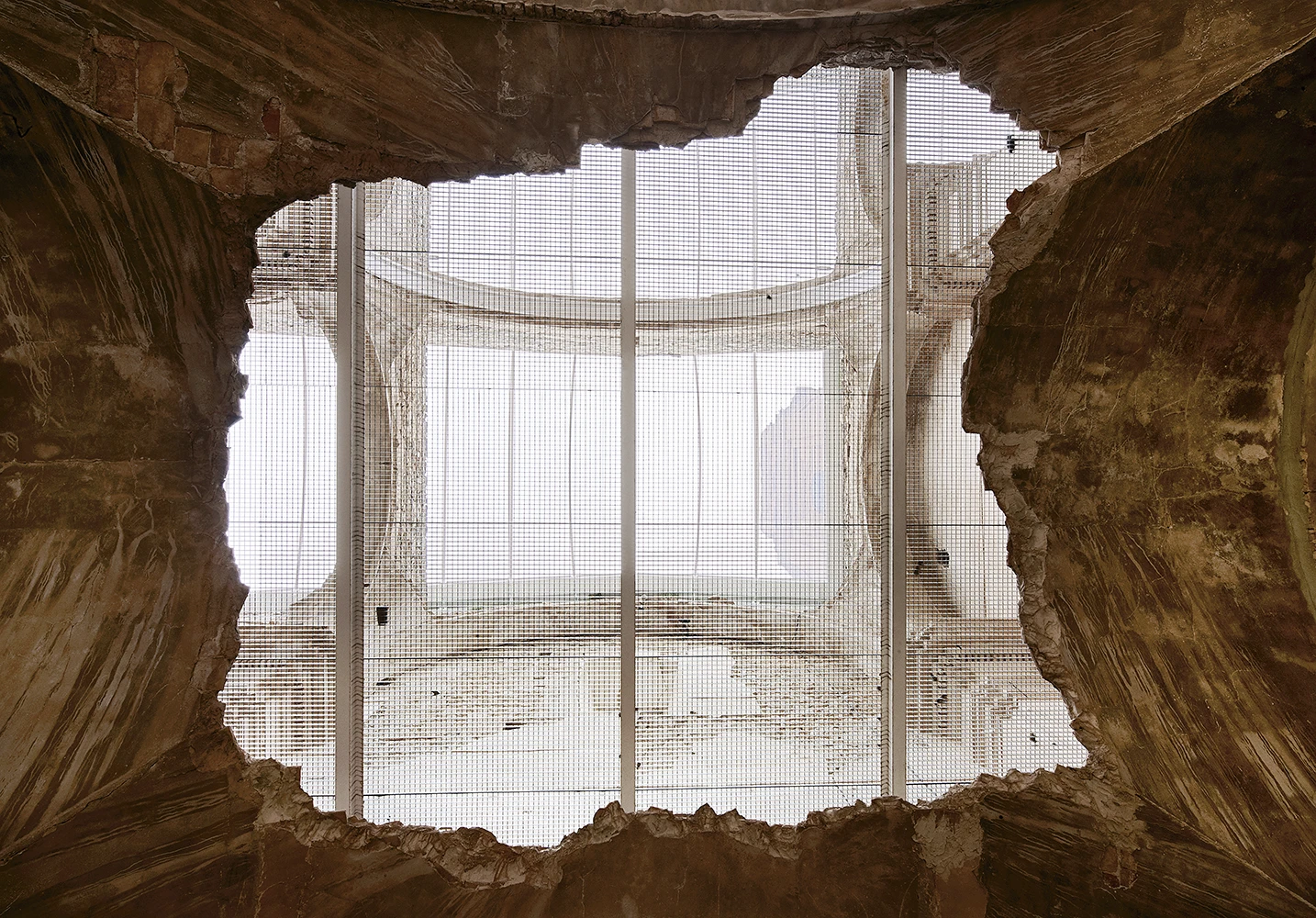
The main objective of the intervention was to restore the public use of the former temple without excessively altering its appearance, as it stands as a symbol and expression of the Battle of the Ebro. Its transformation into a large multifunctional hall had to avoid modifying the historical memory so clearly embodied by the building.

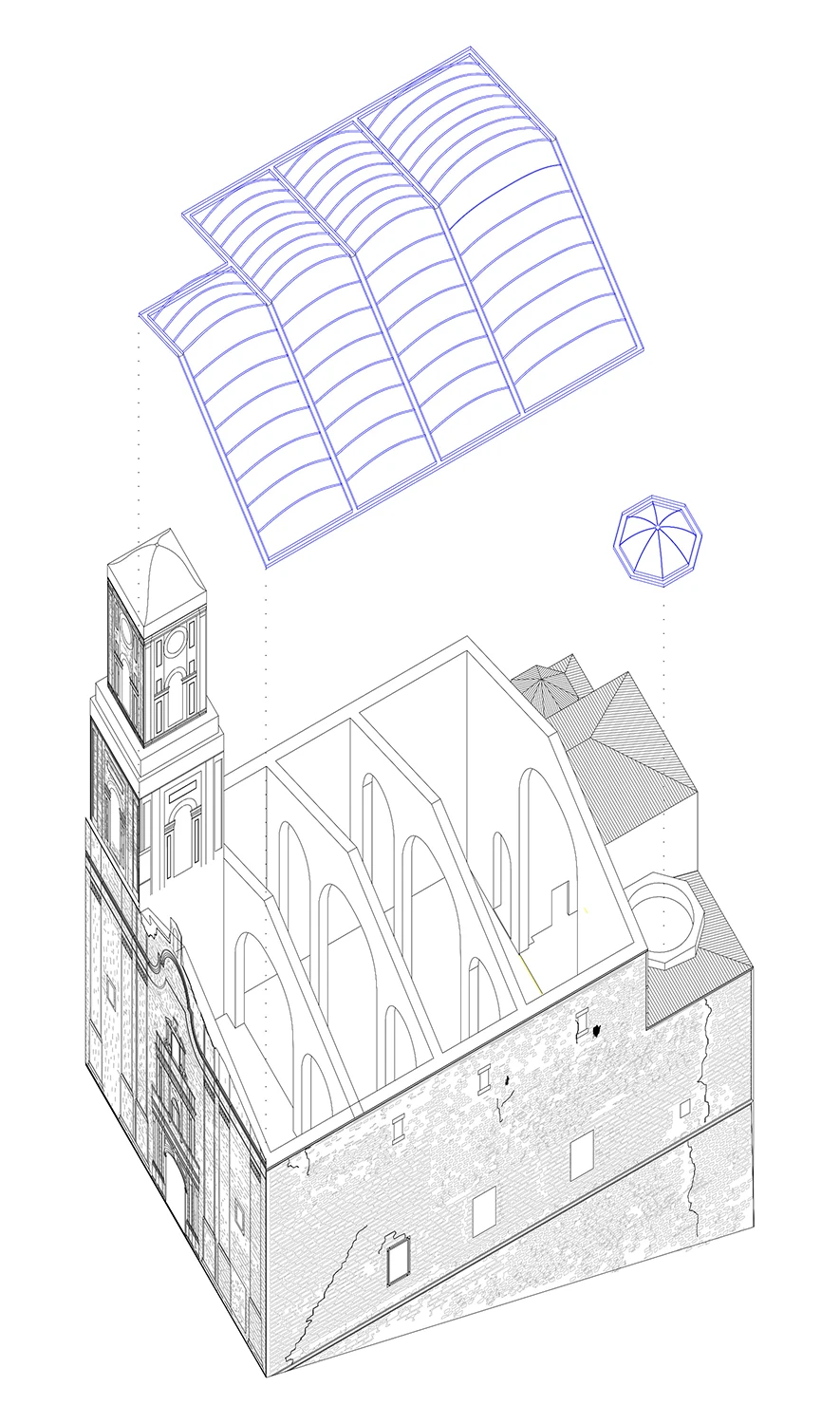
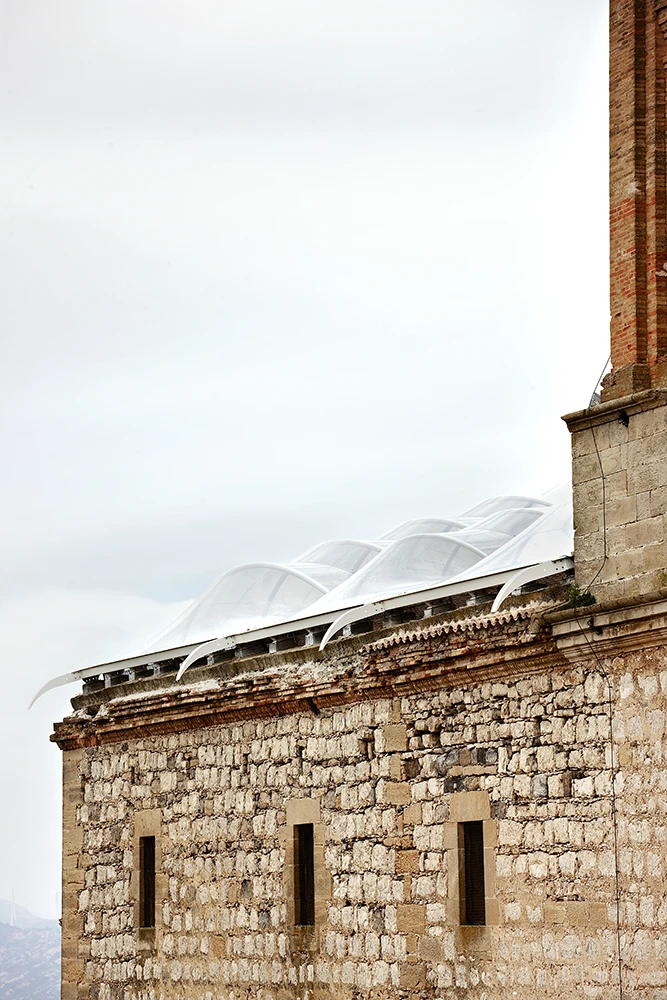
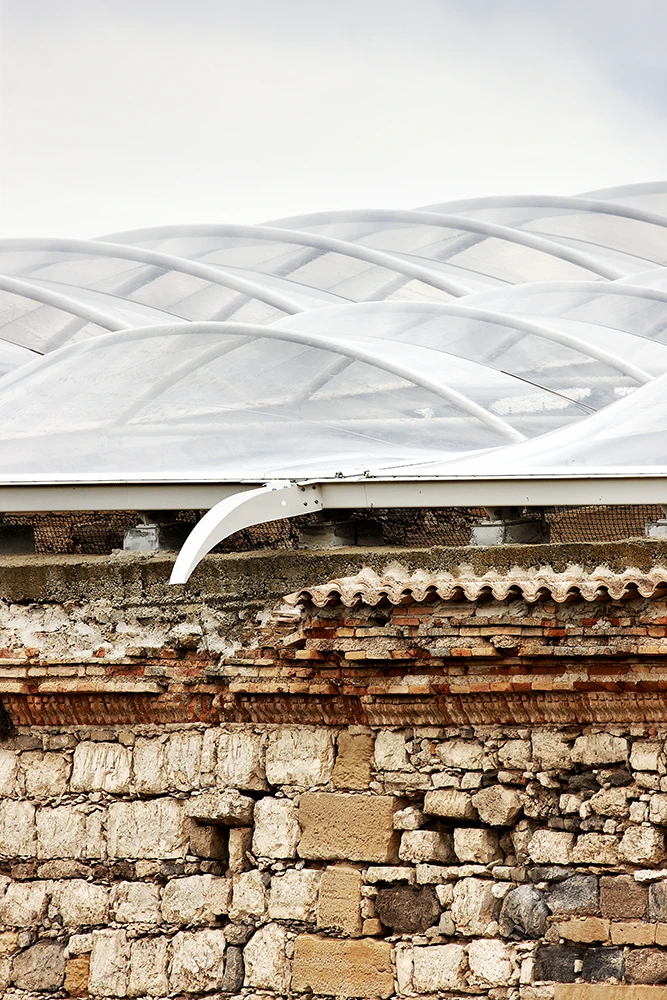
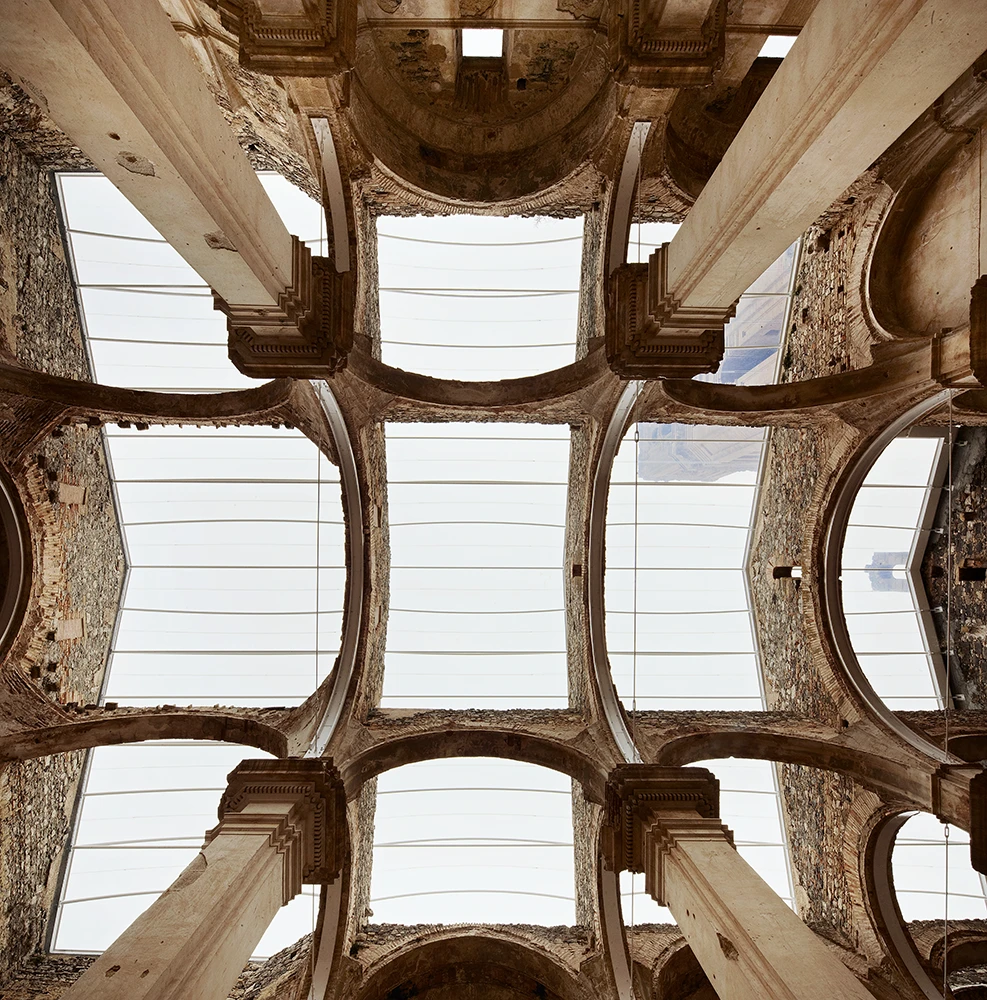
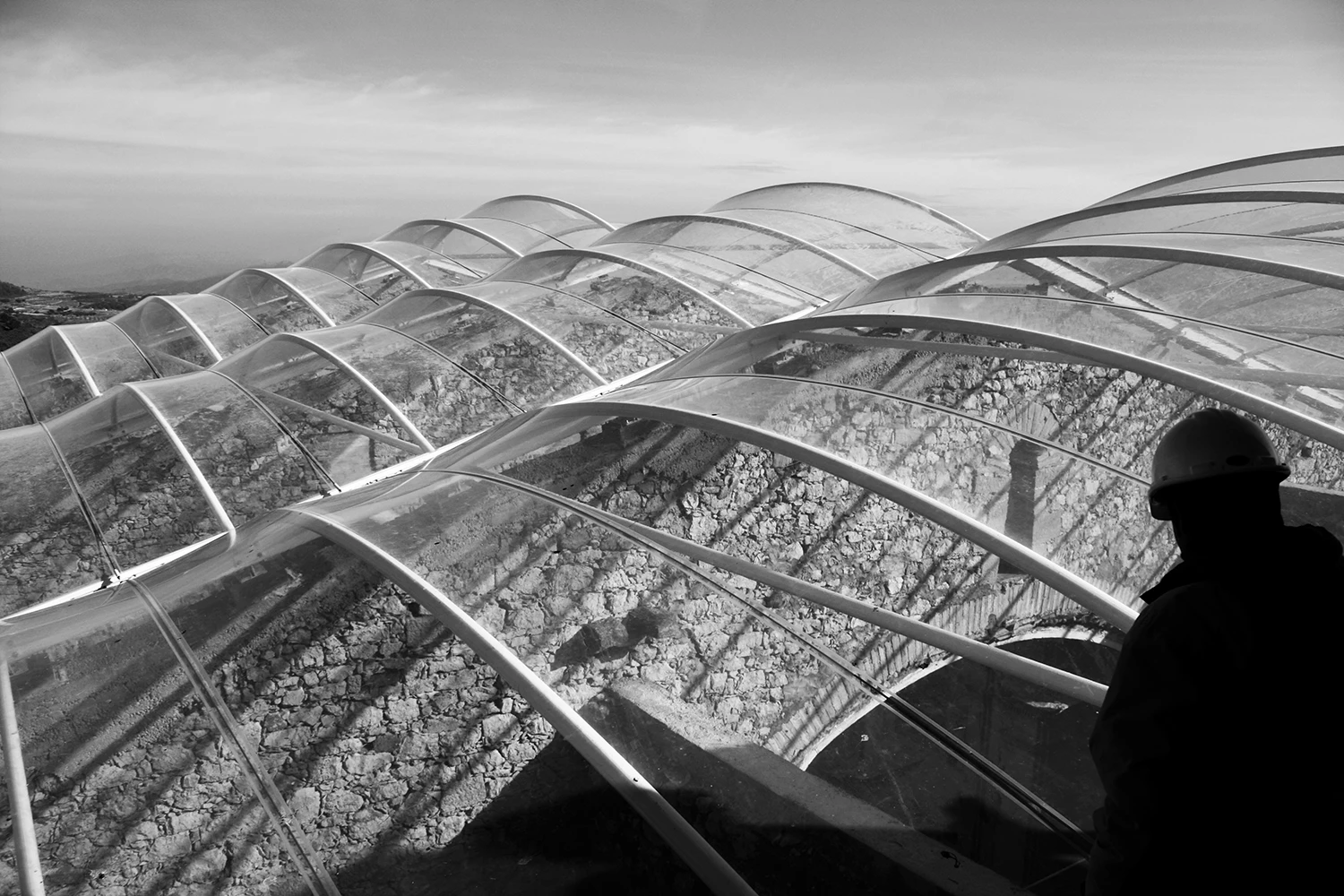
In the third phase, structural consolidation of the ruin was completed and the new ETFE roof was built. The transparent and very lightweight covering, designed not to endanger the fragile existing structures, prevents deterioration caused by weathering, ties the whole construction together, and significantly improves its habitability conditions.

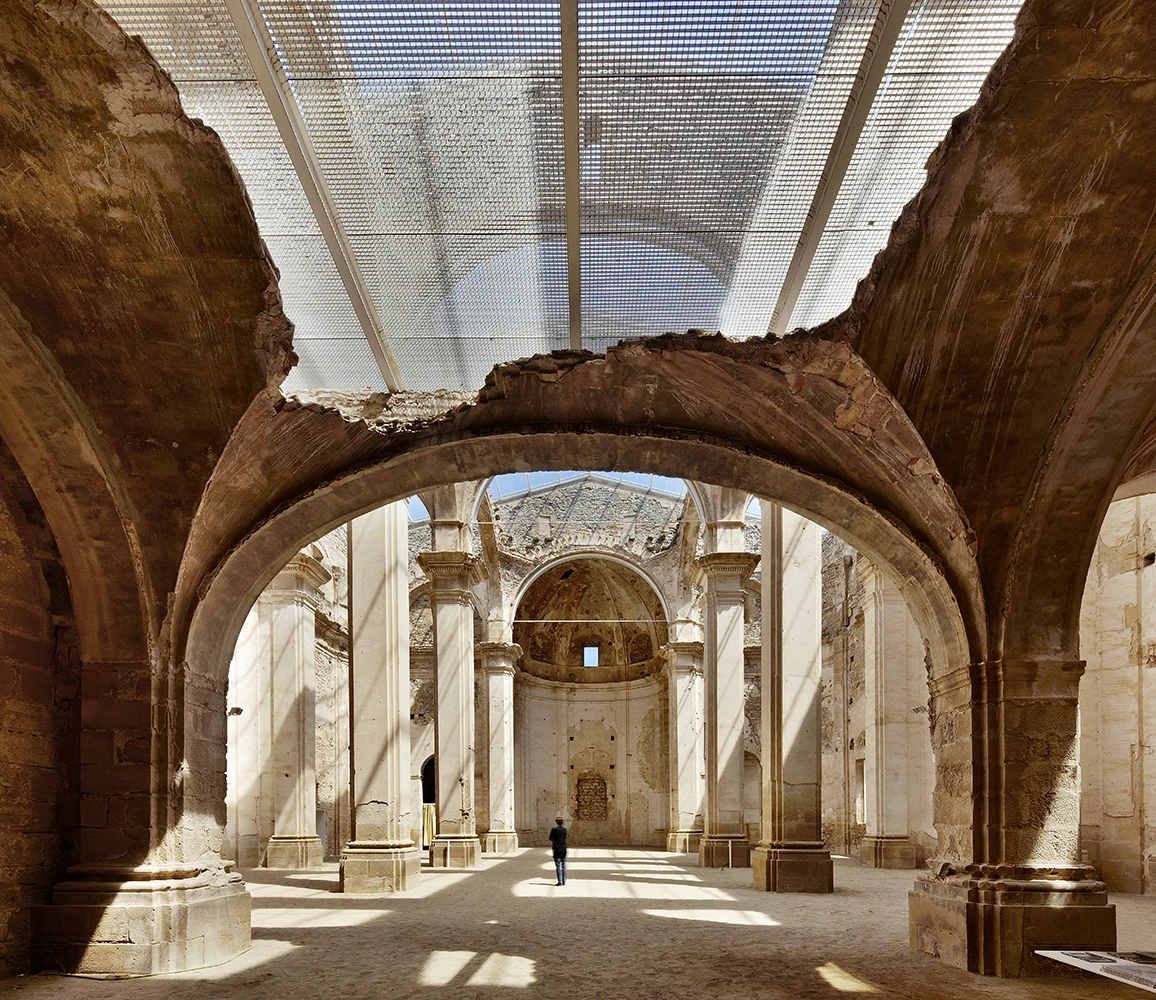
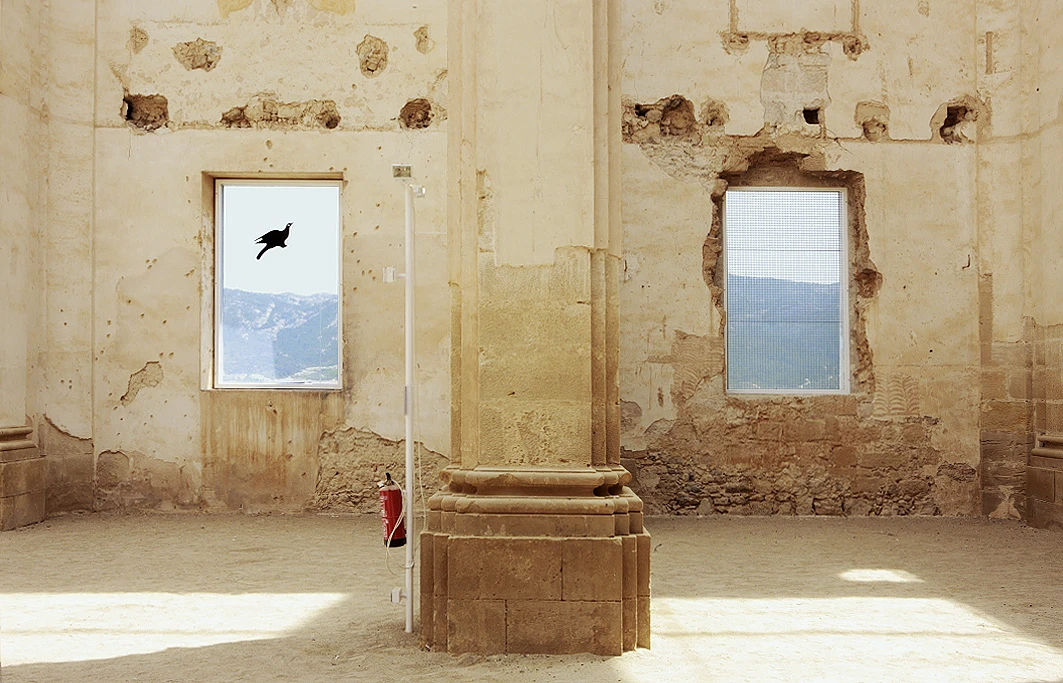
From the very beginning, one principle guided the intervention: the restoration had to preserve the subtle balance between nature and construction inherent to all ruins. Upon entering, the sensation of still being outdoors had to remain. Sun rays passing through the roof, breezes and birdsong crossing the high naves, and the sand flooring have made this possible. The result is an original, romantic setting halfway between exterior and interior.

Categoria:

Status: Built

Client:
Ajuntament de Corbera d’Ebre
INCASOL, Government of Catalonia (phases 1 and 2)
Ministry of Public Works (phase 3)

Location: Corbera d’Ebre, Terra Alta, Tarragona

Dates (start and completion): 1999–2011

Area: 1,050 m²

Budget (PEM): €831,500

Awards:
First prize in ideas competition for young architects
First “Qualitat Ebrenca” Award, Rehabilitation 2011

Co-authors:
David Garcia, architect (phase 1)
Núria Bordas and Jordi Garriga, architects

Structure: Jaume Saló, IASO SA

Quantity surveyors:
Teresa Arnal (phases 1 and 2)
Ernest Valls (phase 3)

Construction companies:
Construccions Jaén Vallés SL (phase 1)
Trac Rehabilitació SL (phase 2)
Becsa SA and IASO SA (phase 3)

Collaborators:
Mónica Company and Giovanni Bautista, architects (competition)
Xosé Domínguez, architect (phase 3)

Images: José Hevia

Quatre Porxos House

Quatre Porxos House

Casa Quatre Porxos

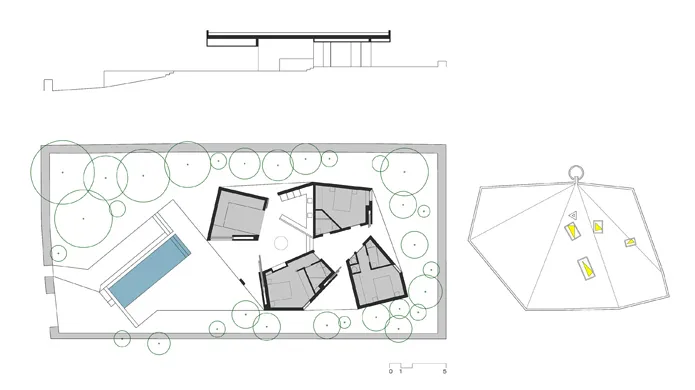
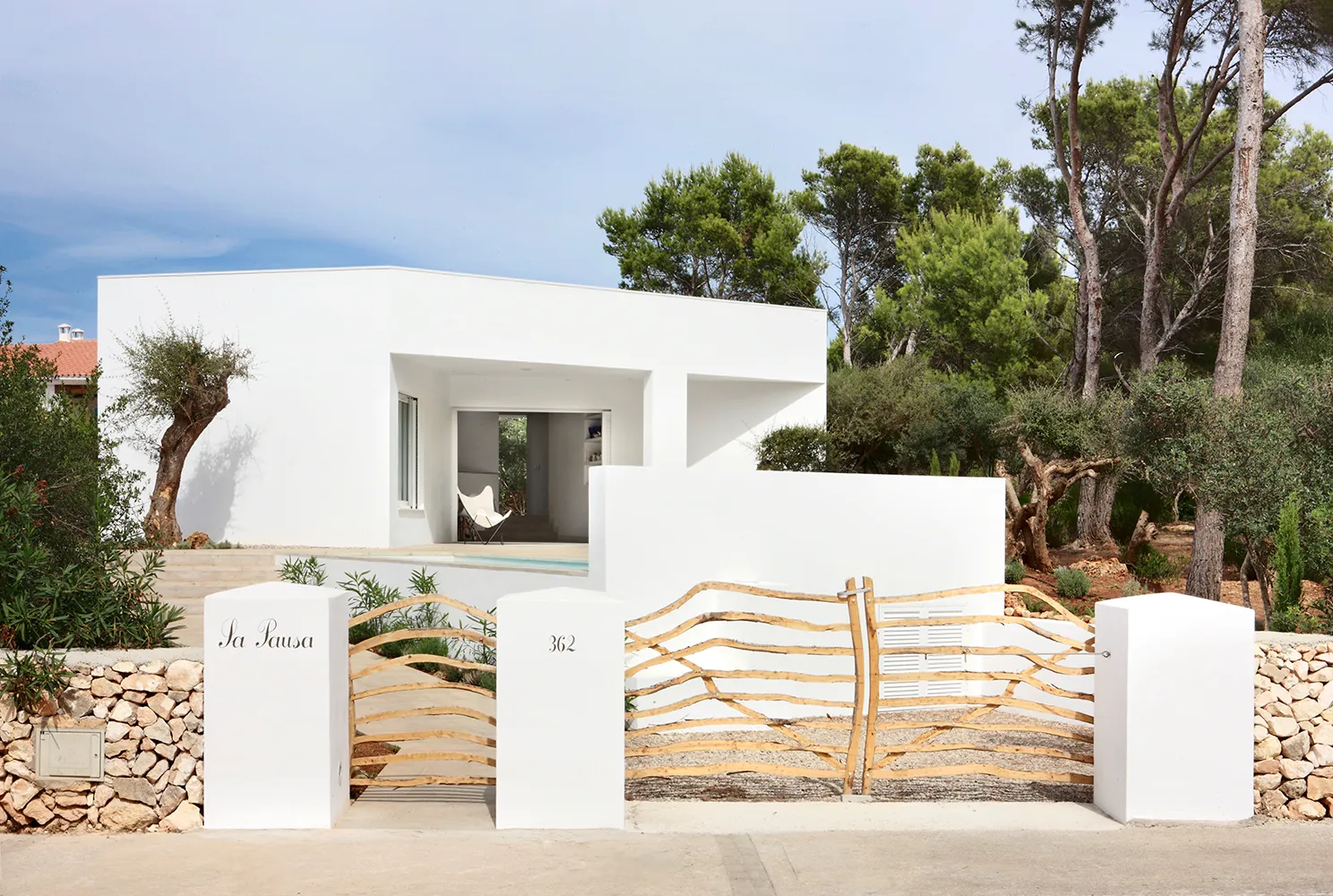
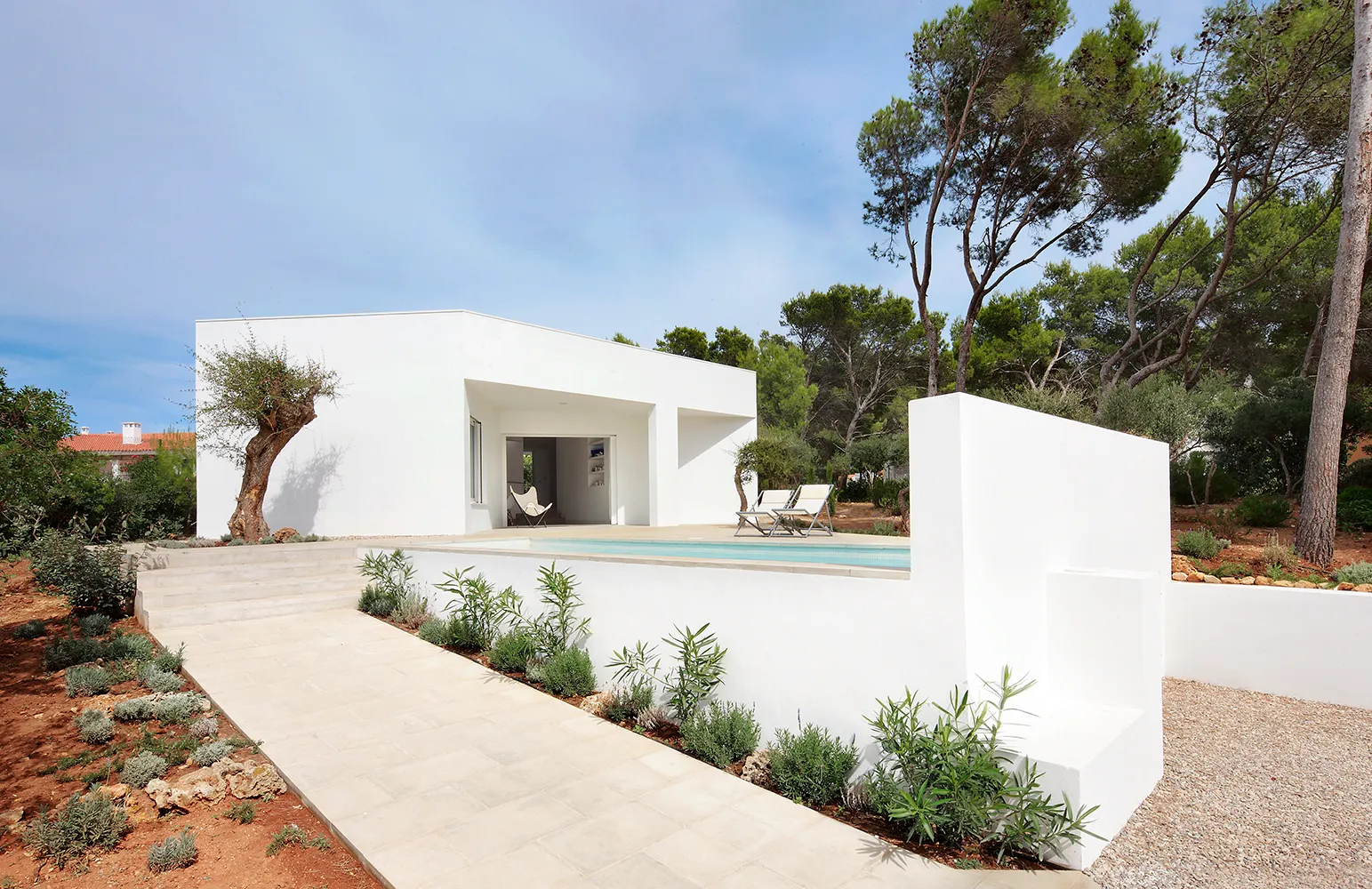
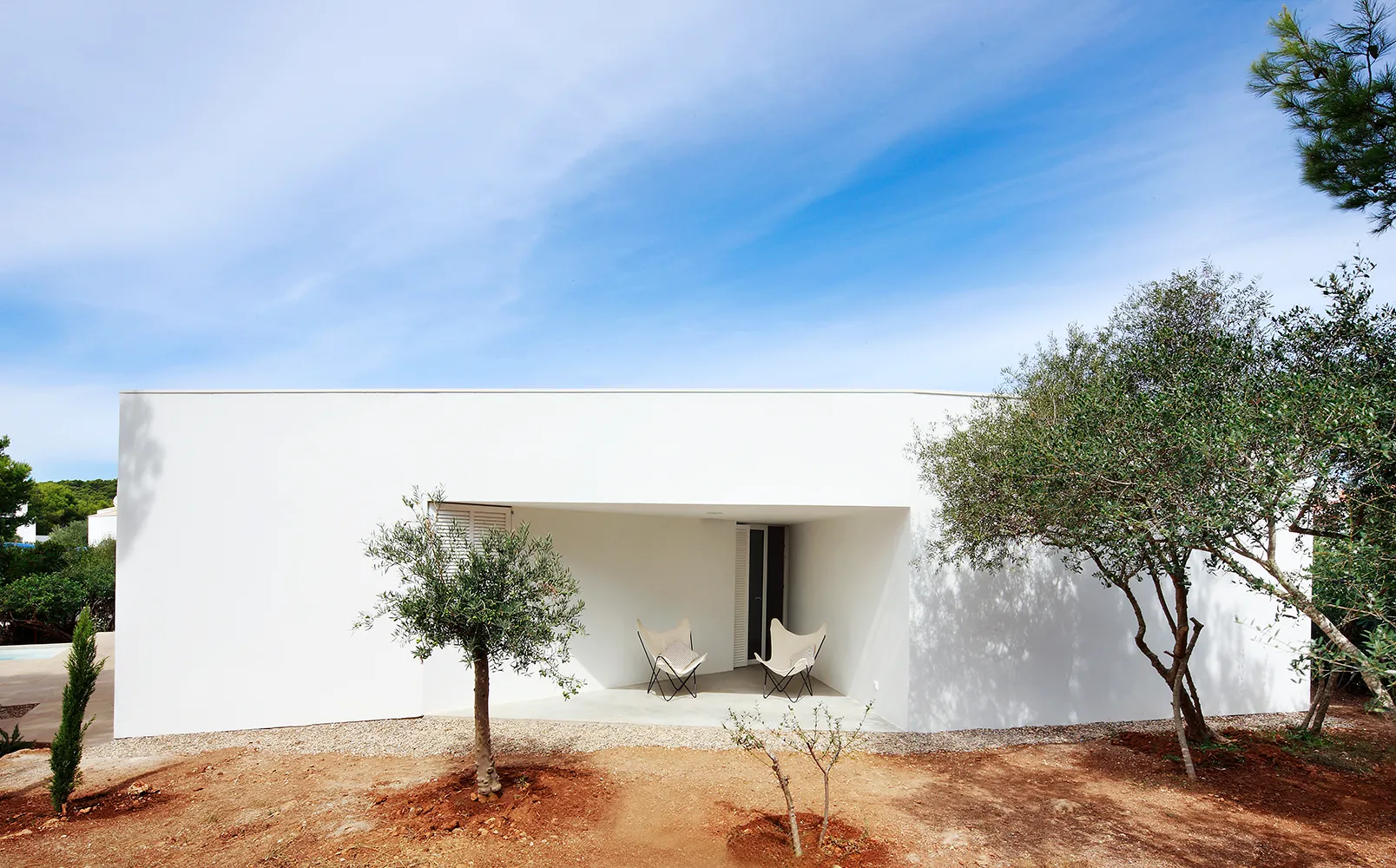
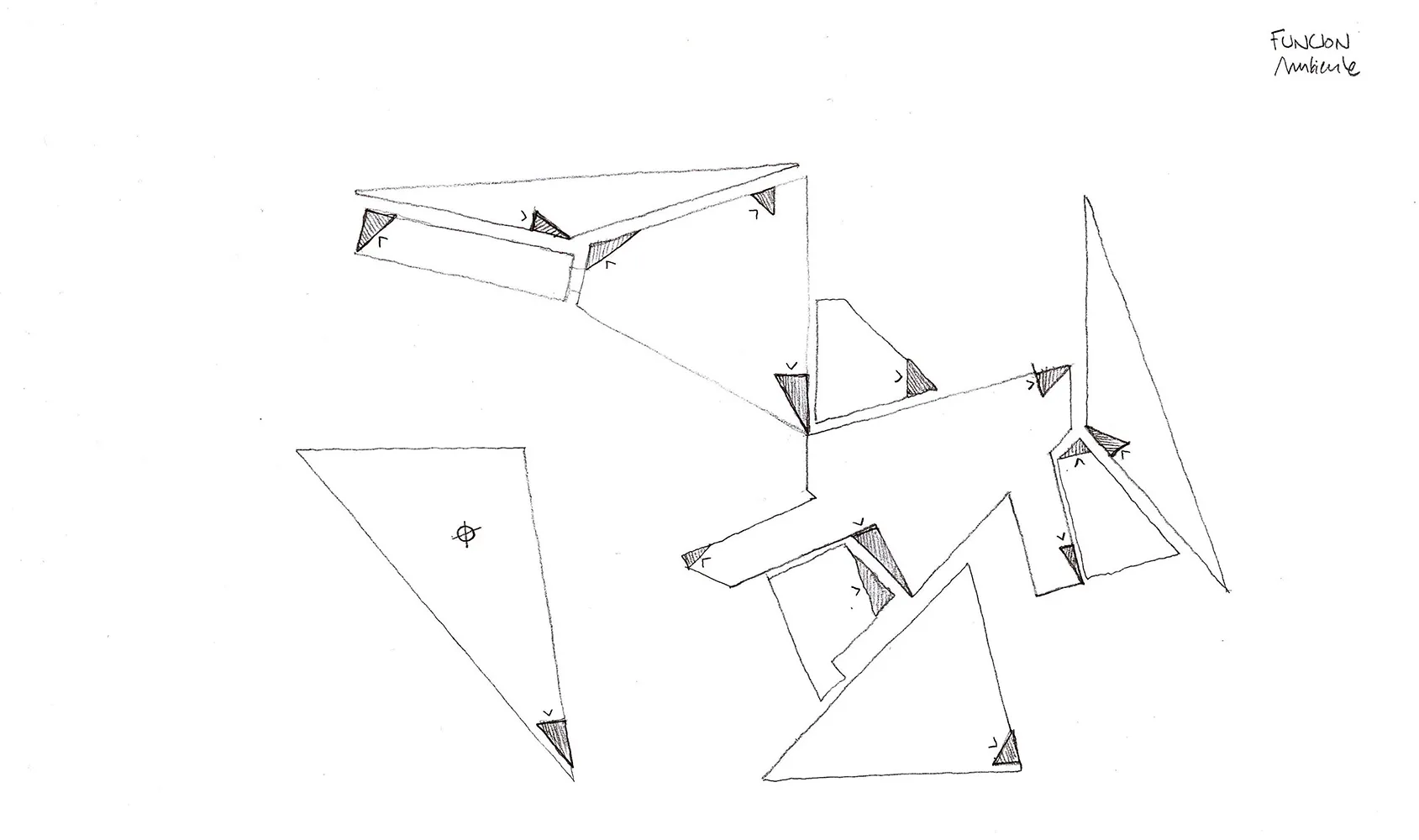
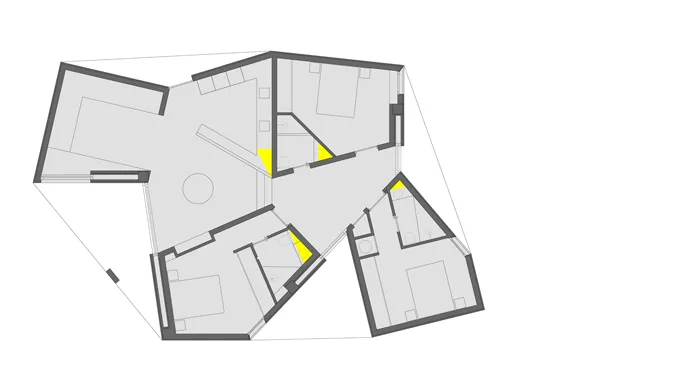
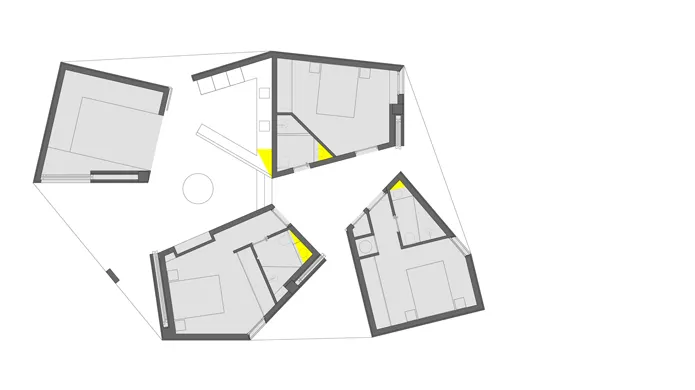
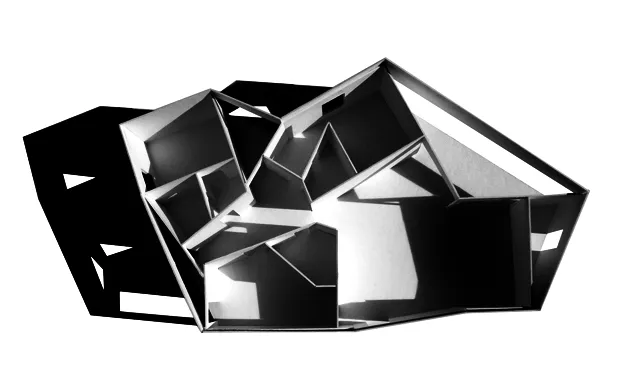
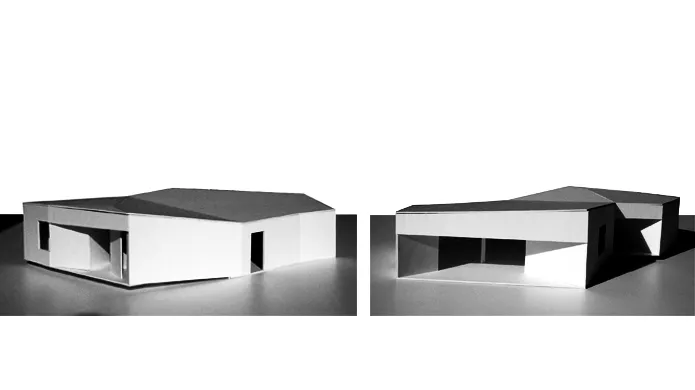
Quatre Porxos House aspires to recreate the atmosphere of Menorca’s traditional “cases de lloc”: a protective space generated through subtraction, chiselled. However, its simple and solid exterior hides a complex, luminous interior.

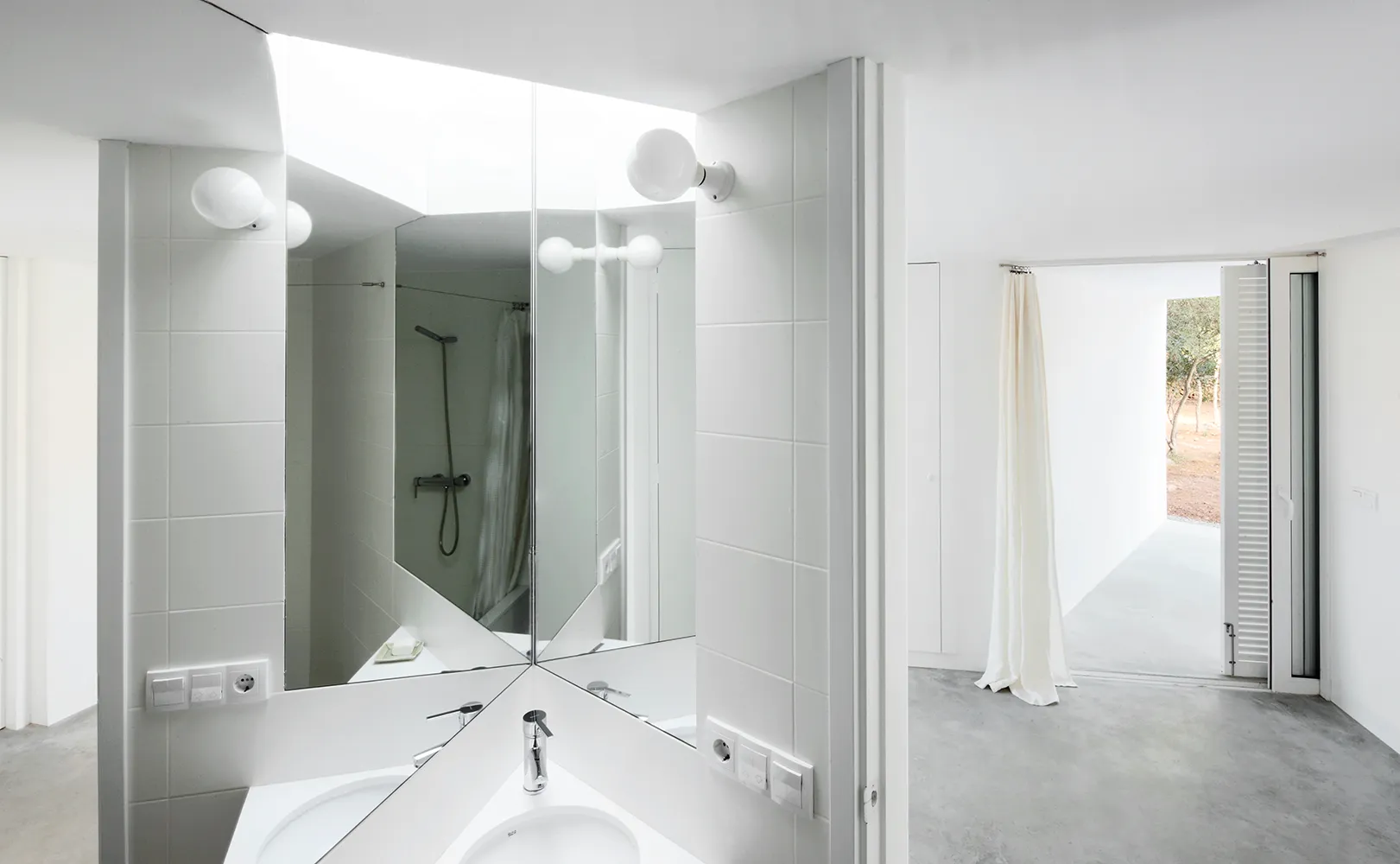
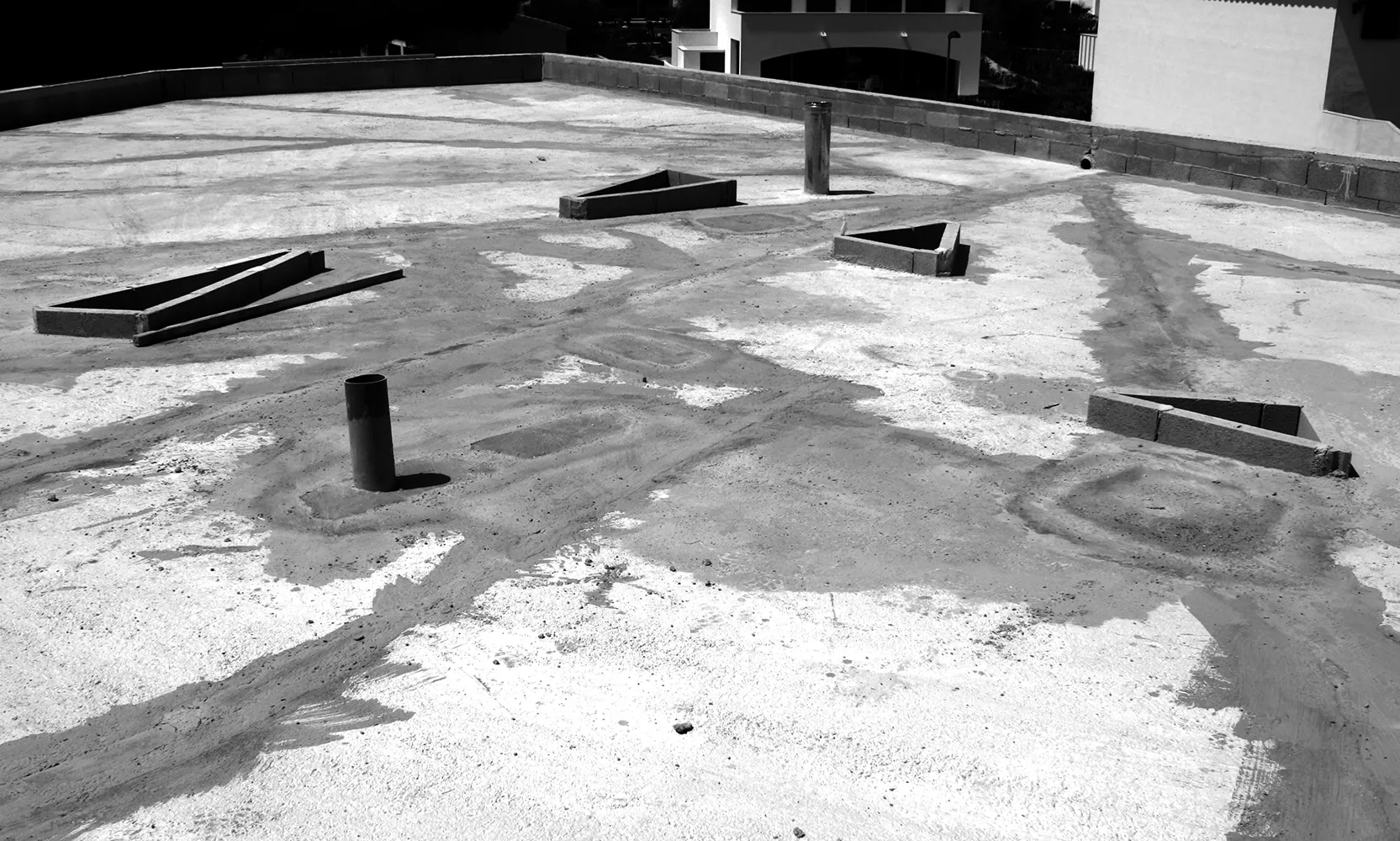
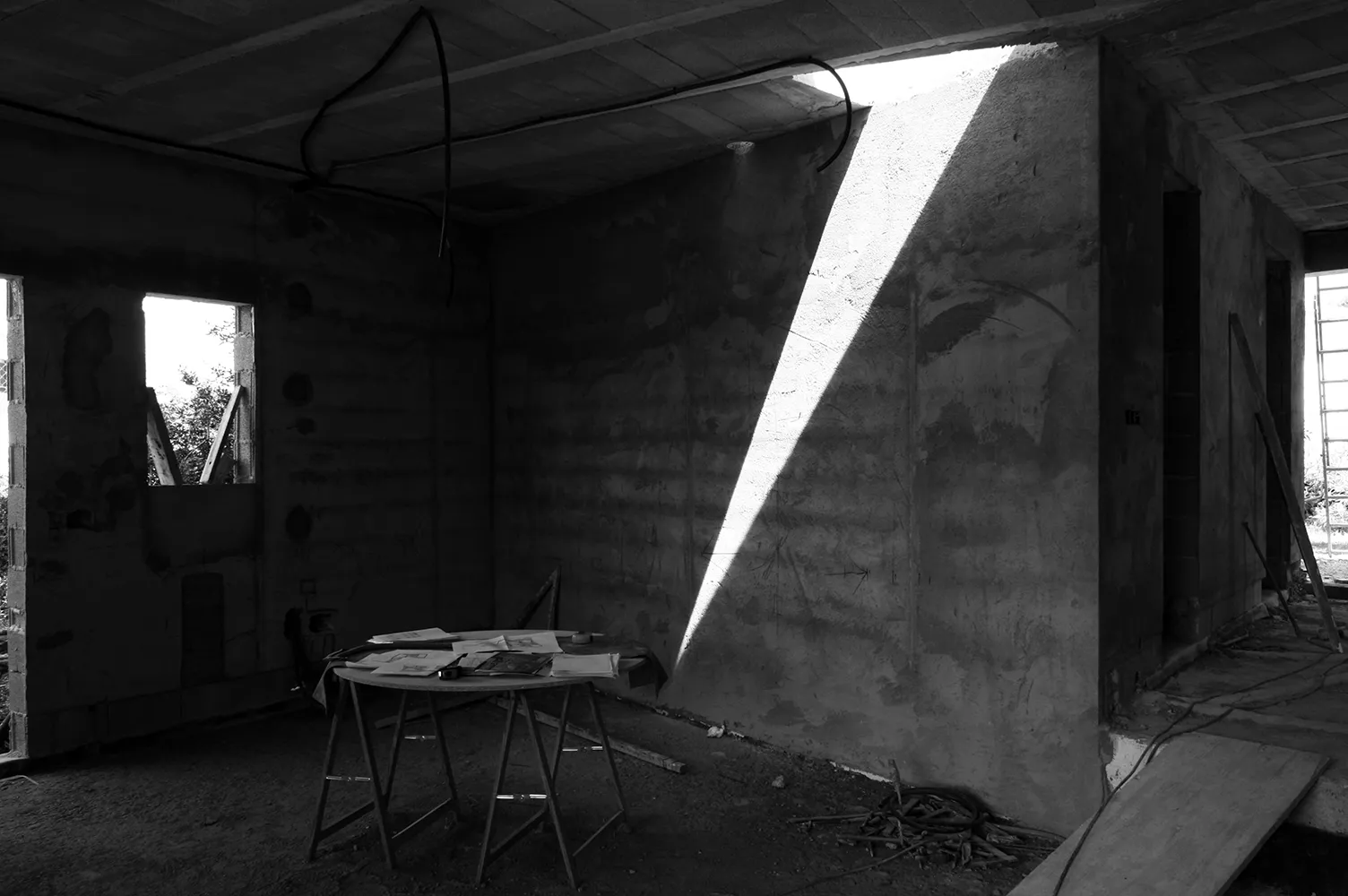
Through its four triangular porches, one on each orientation, the house is always connected to its surrounding garden. The “dislocation” of the interior layout begins in the main rooms and extends to the bathrooms, where shelves, showers and skylights are triangular. Double mirrors placed inside the skylight prisms maximise the inflow of light and create surprising kaleidoscopic-solar effects.

The house is a large “instrument” of solar perception, making evident the continuous change of natural light throughout the day and, day by day, across the four seasons of the year.

Categoria:

Status: Built

Client: Private

Location: Port d’Addaia, Es Mercadal, Menorca

Dates (start and completion): 2007–2010

Area: 146 m²

Budget (PEM): €1,200,000

Awards:
First prize for best dwelling, COAIB Menorca 2009–12
First prize for best overall work, COAIB Menorca 2009–12

Co-author: Jesús Cardona, architect

Quantity surveyor: Juan Cardona

Construction company: Inversiones y Promociones Inmobiliarias QM SL

Collaborators:
Xosé Domínguez, architect
René Guder, architecture student

Images: José Hevia and Ferran Vizoso

S’Enclusa Interpretation Centre

S’Enclusa Interpretation Centre

Centre d’Interpretació S’Enclusa

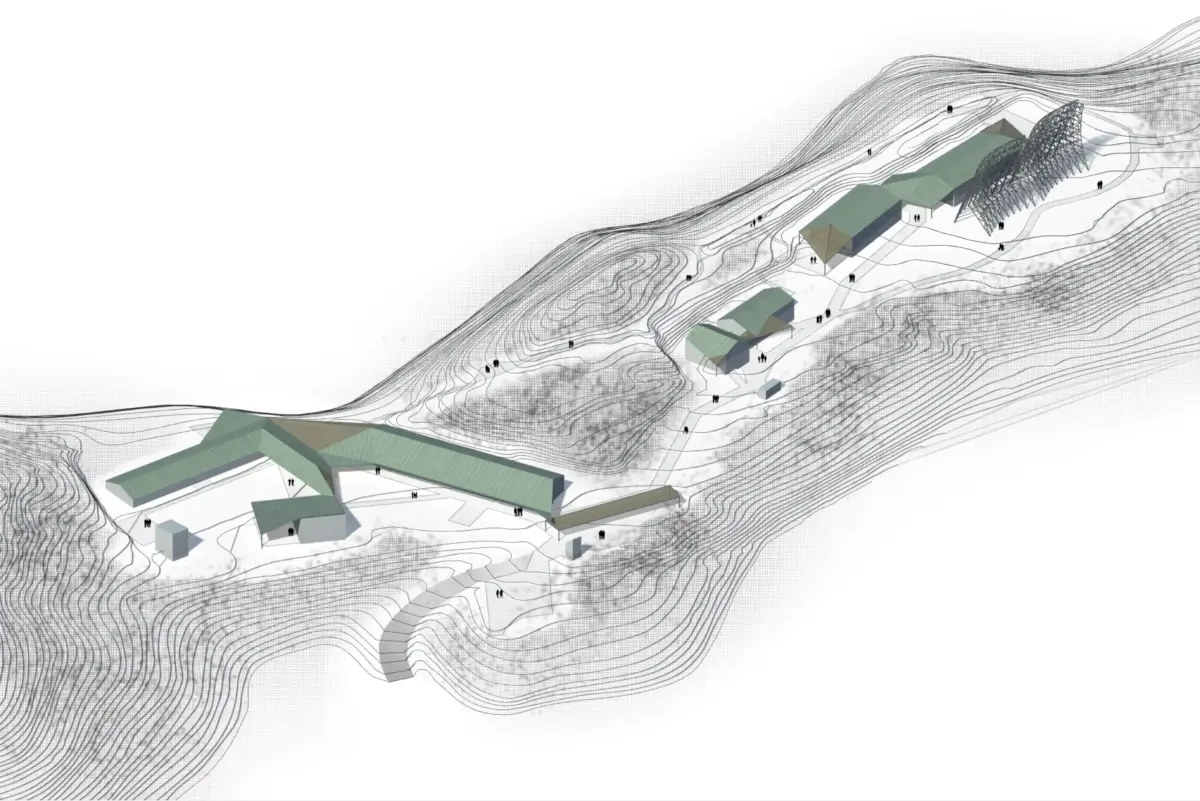
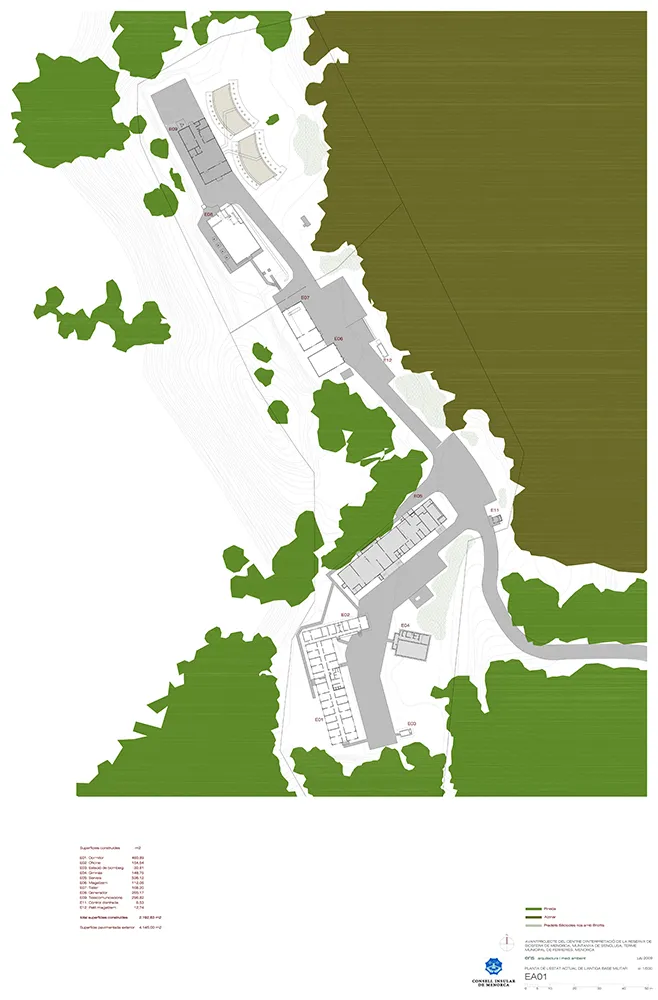
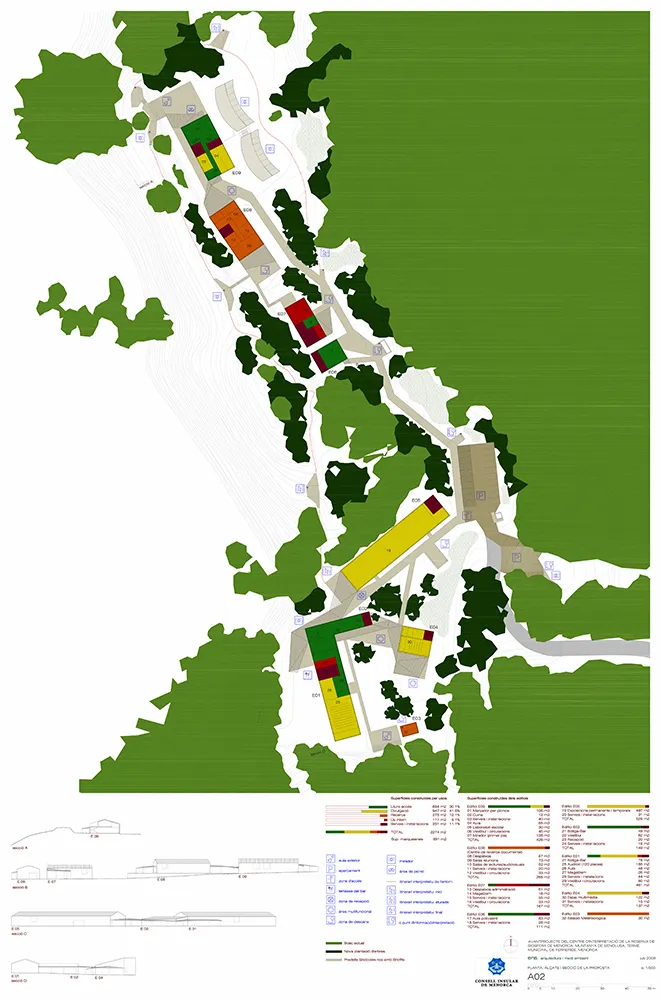
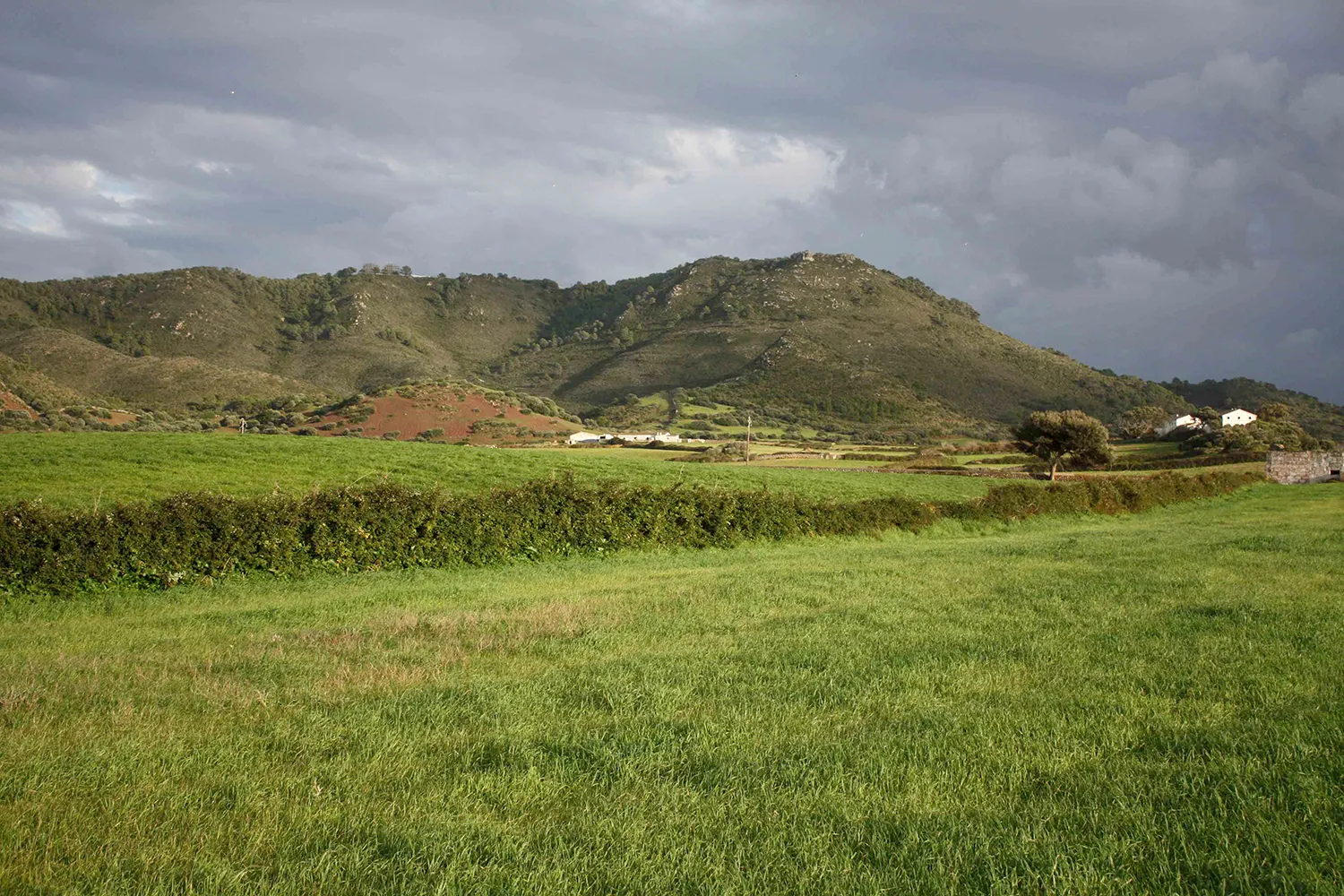
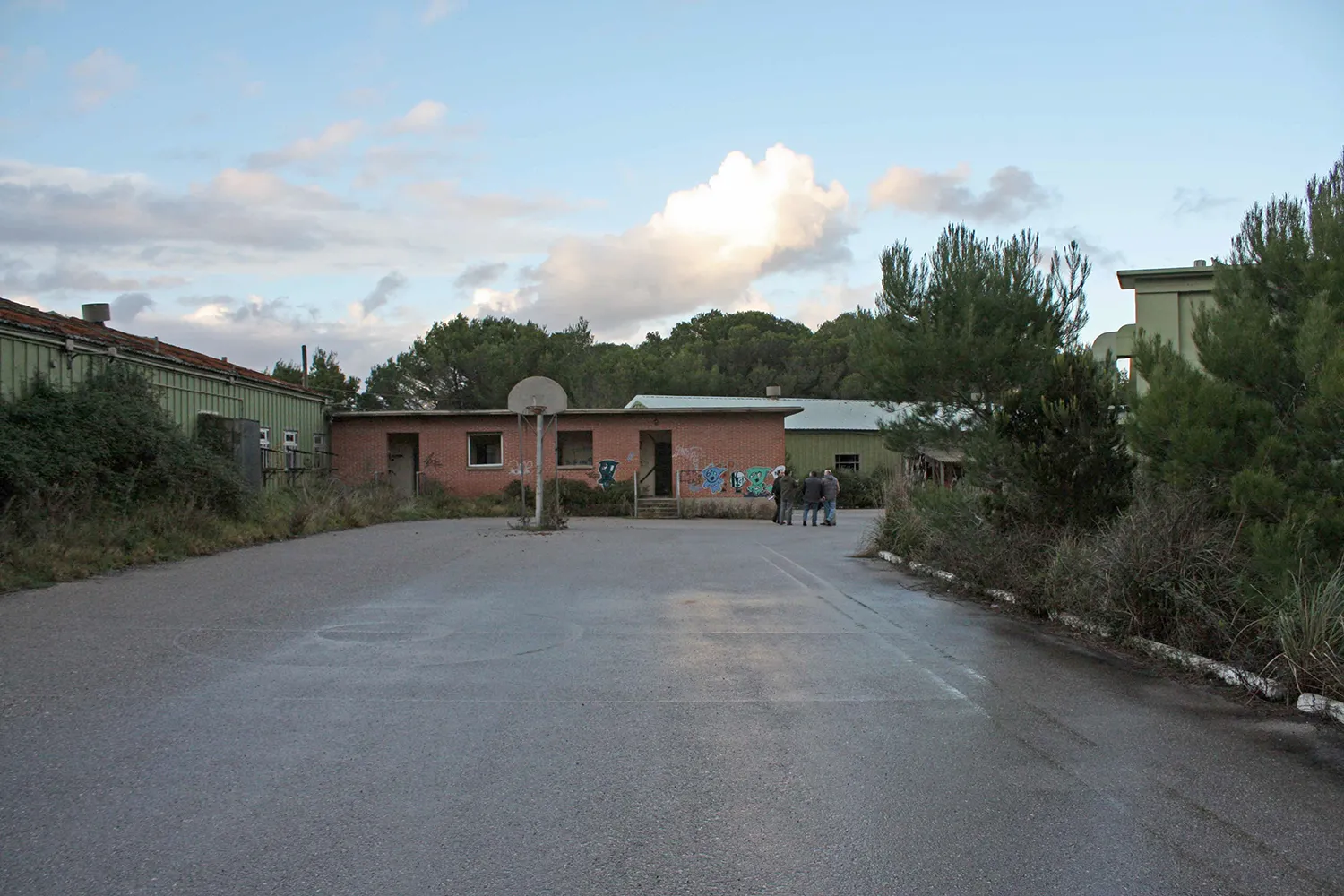
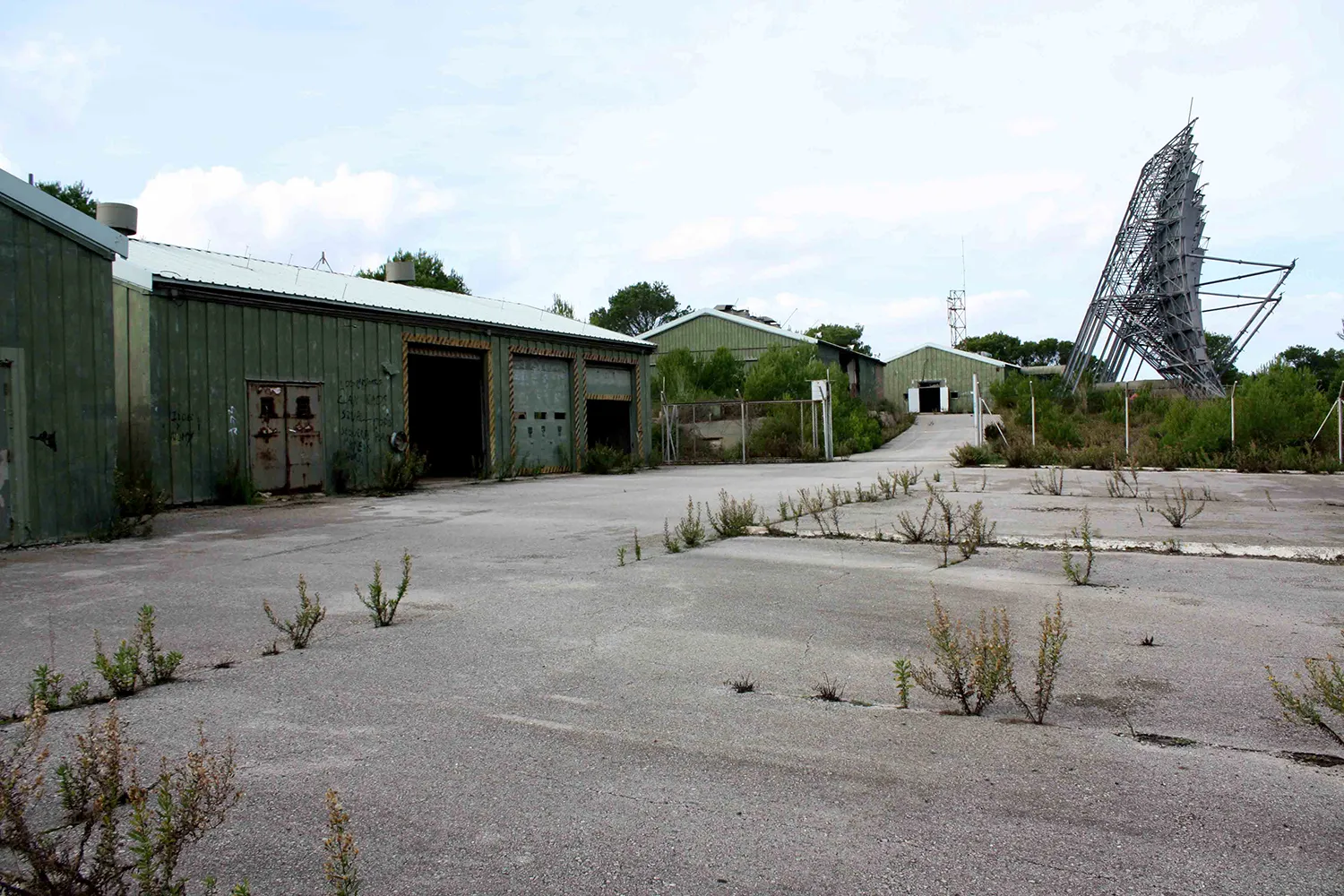
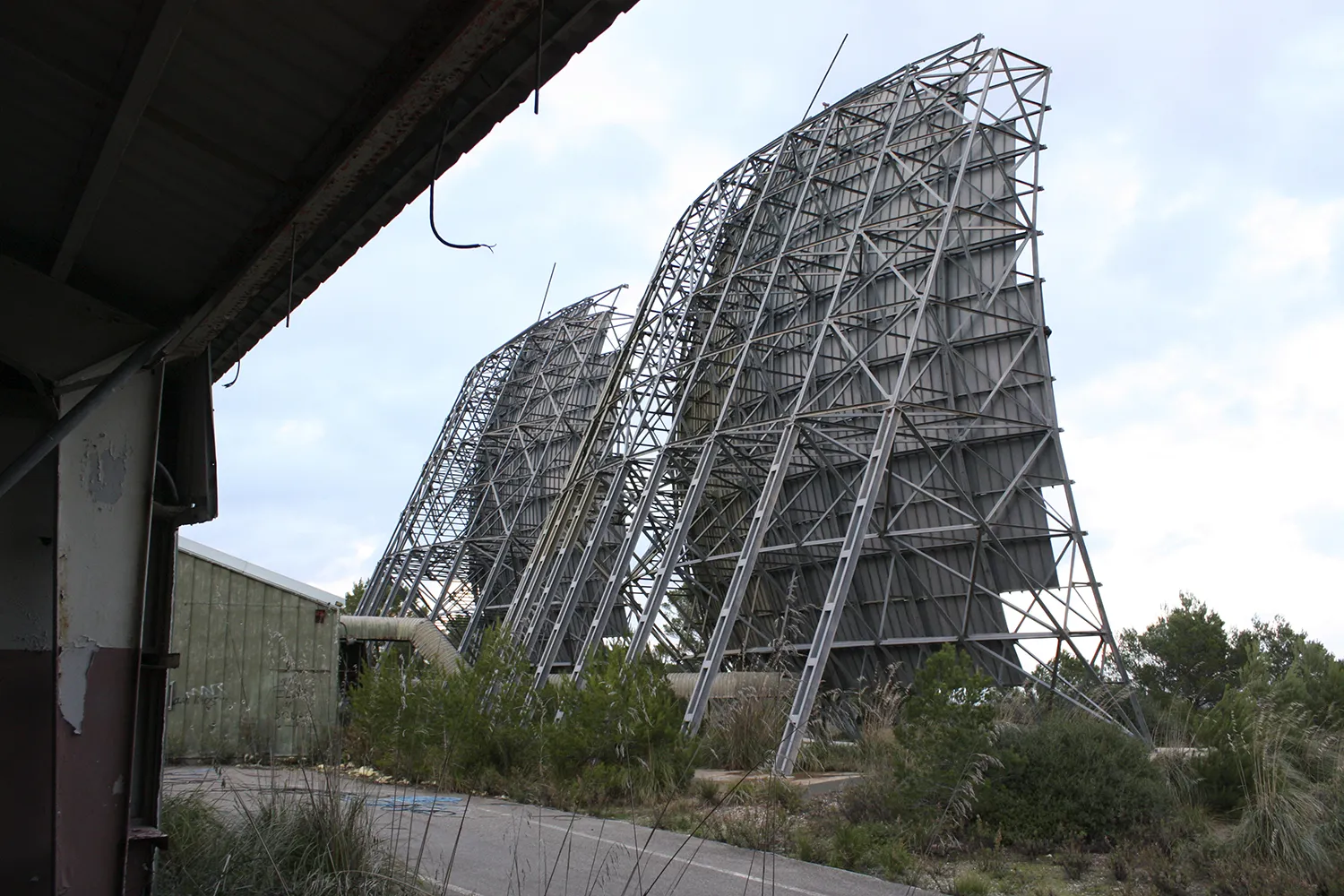
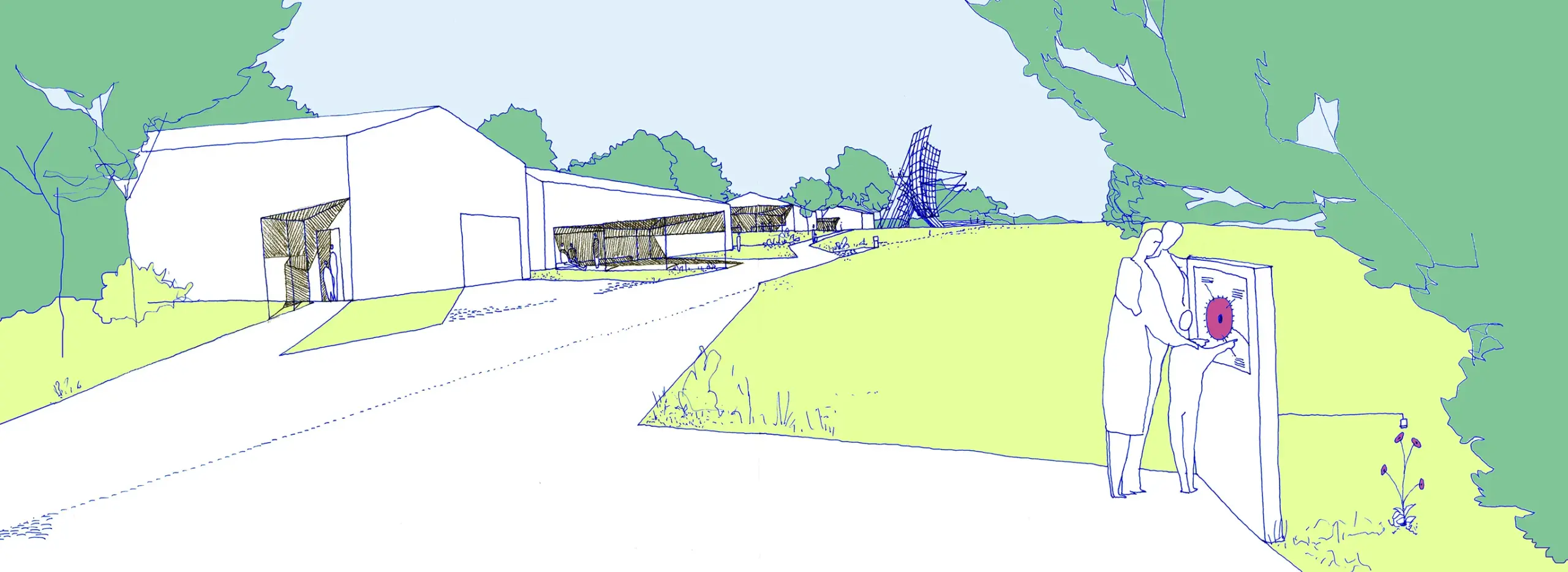
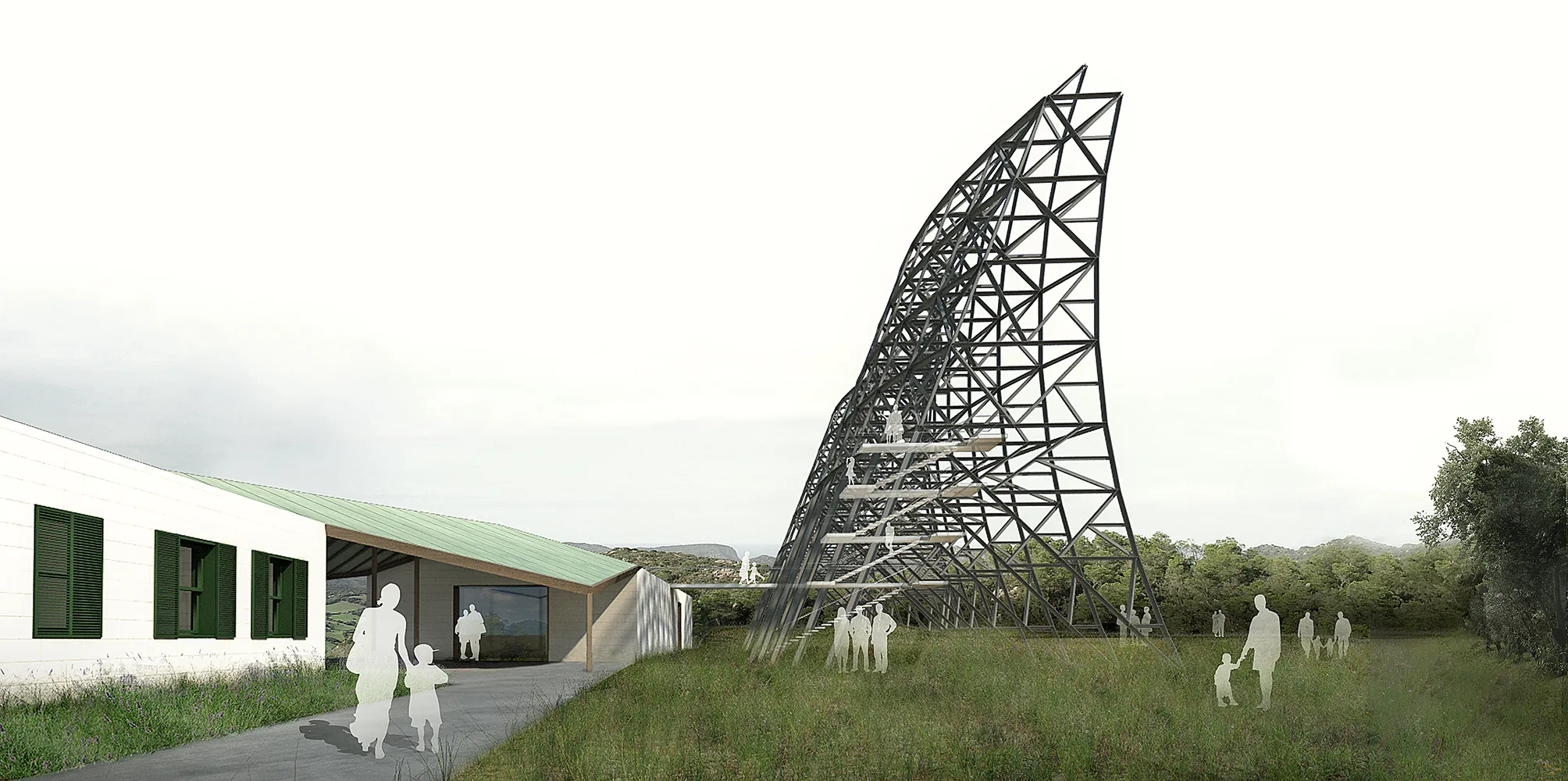
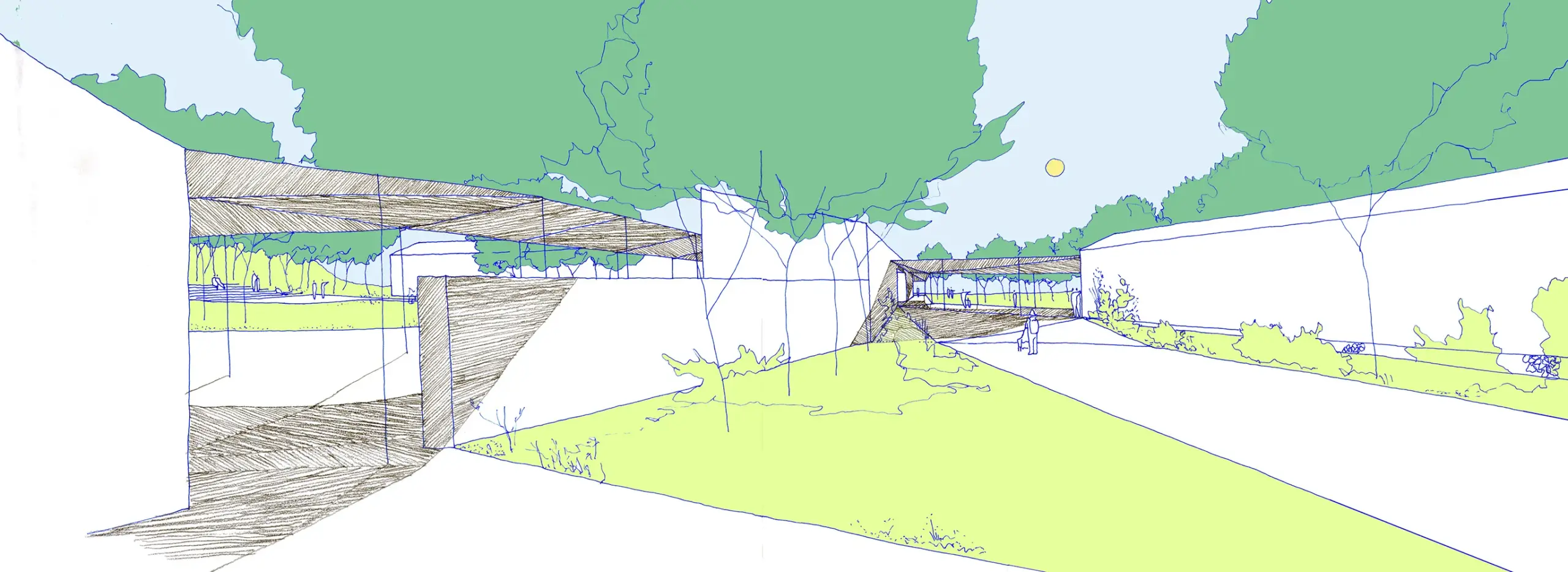
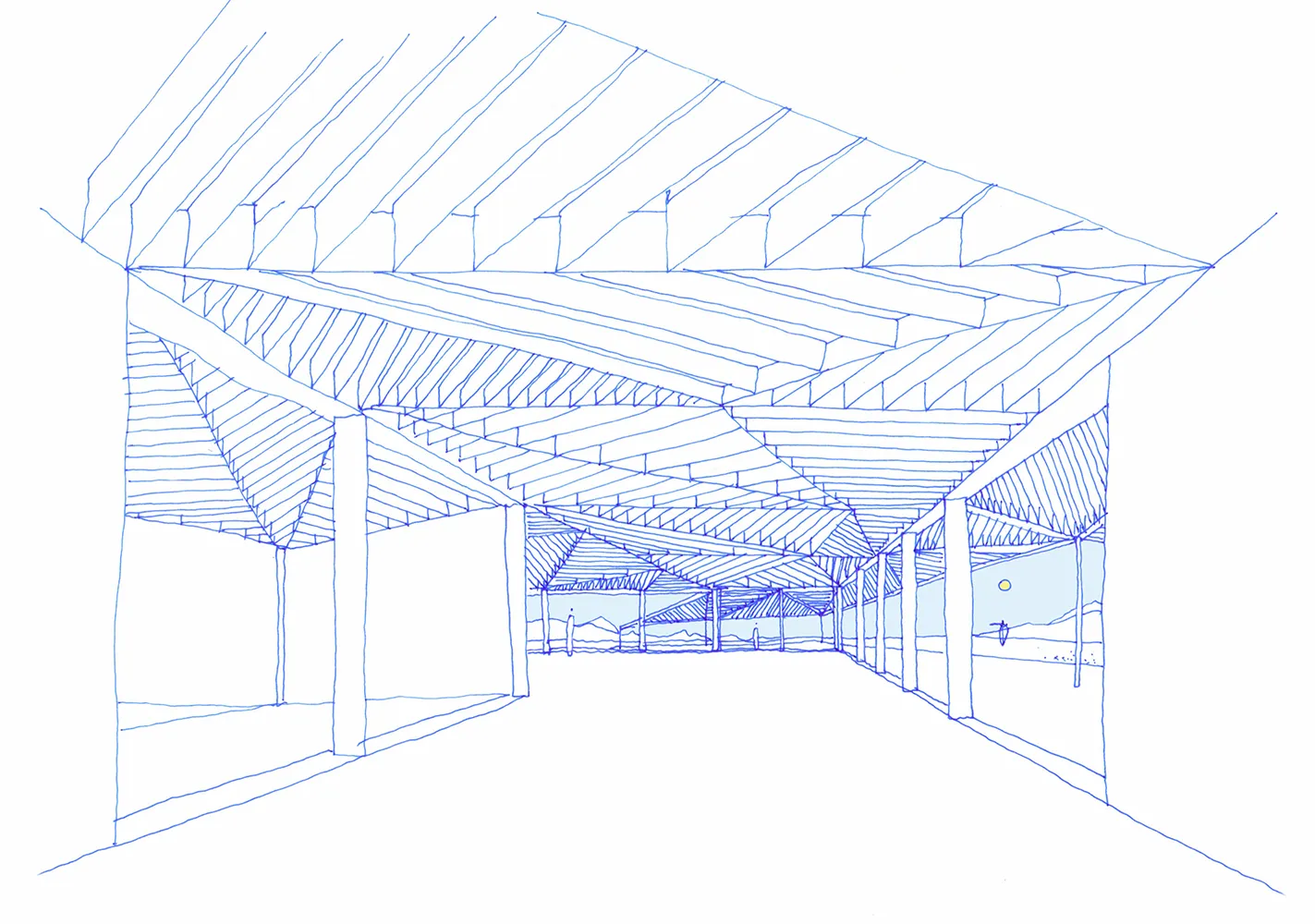
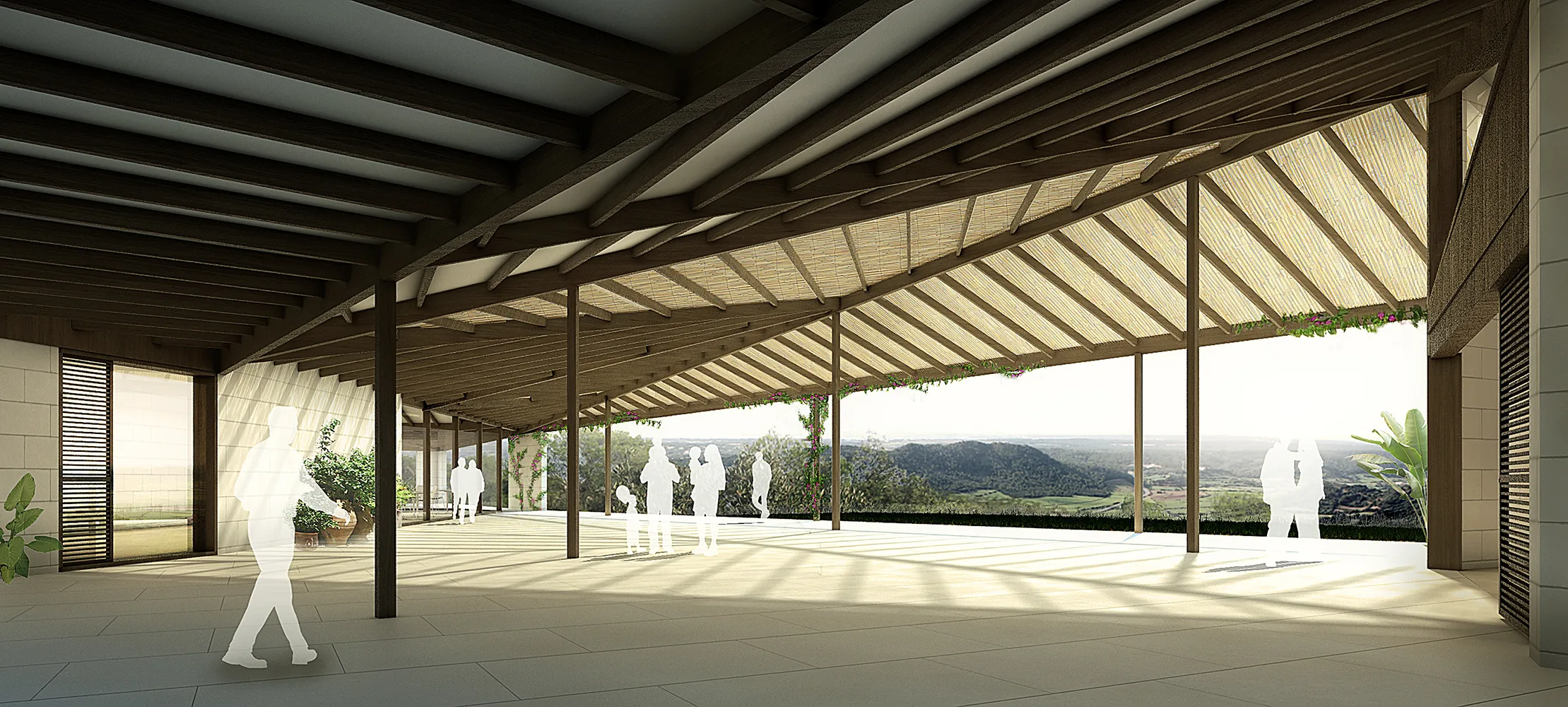
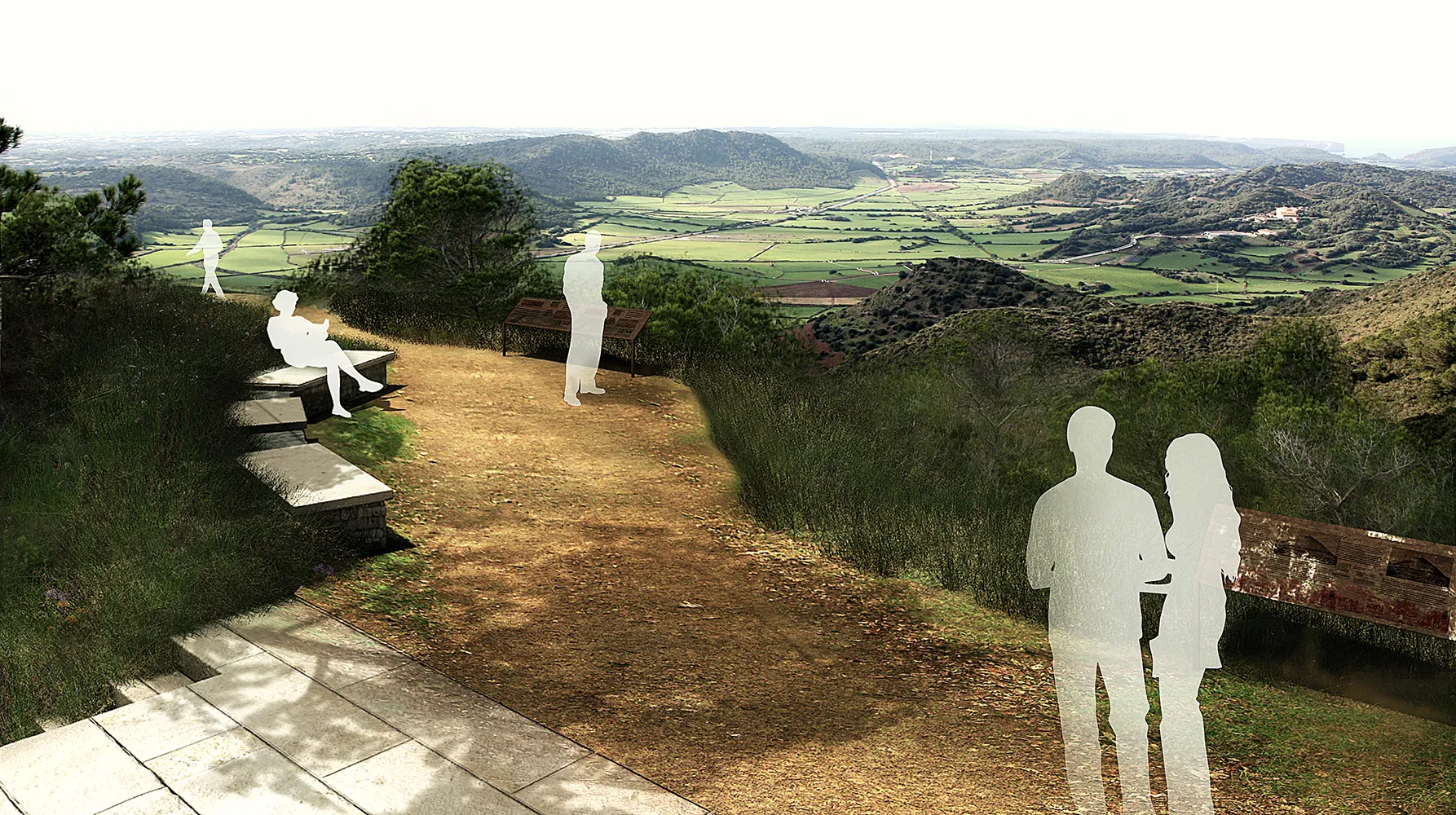
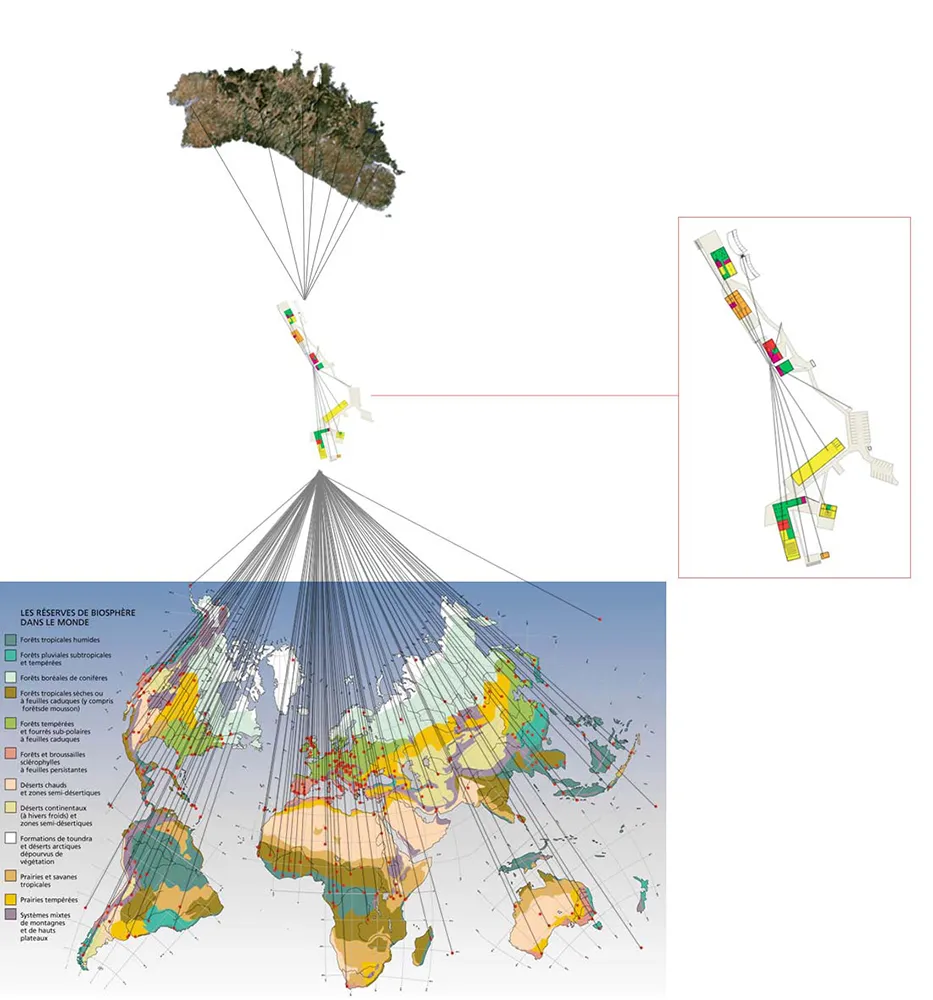
Drafting of the preliminary project for the future Interpretation Centre of the Menorca Biosphere Reserve, located on the mountain of S’Enclusa. The future facility will occupy the buildings of a former United States military base, restoring its structures and re-naturalising the surrounding environment.

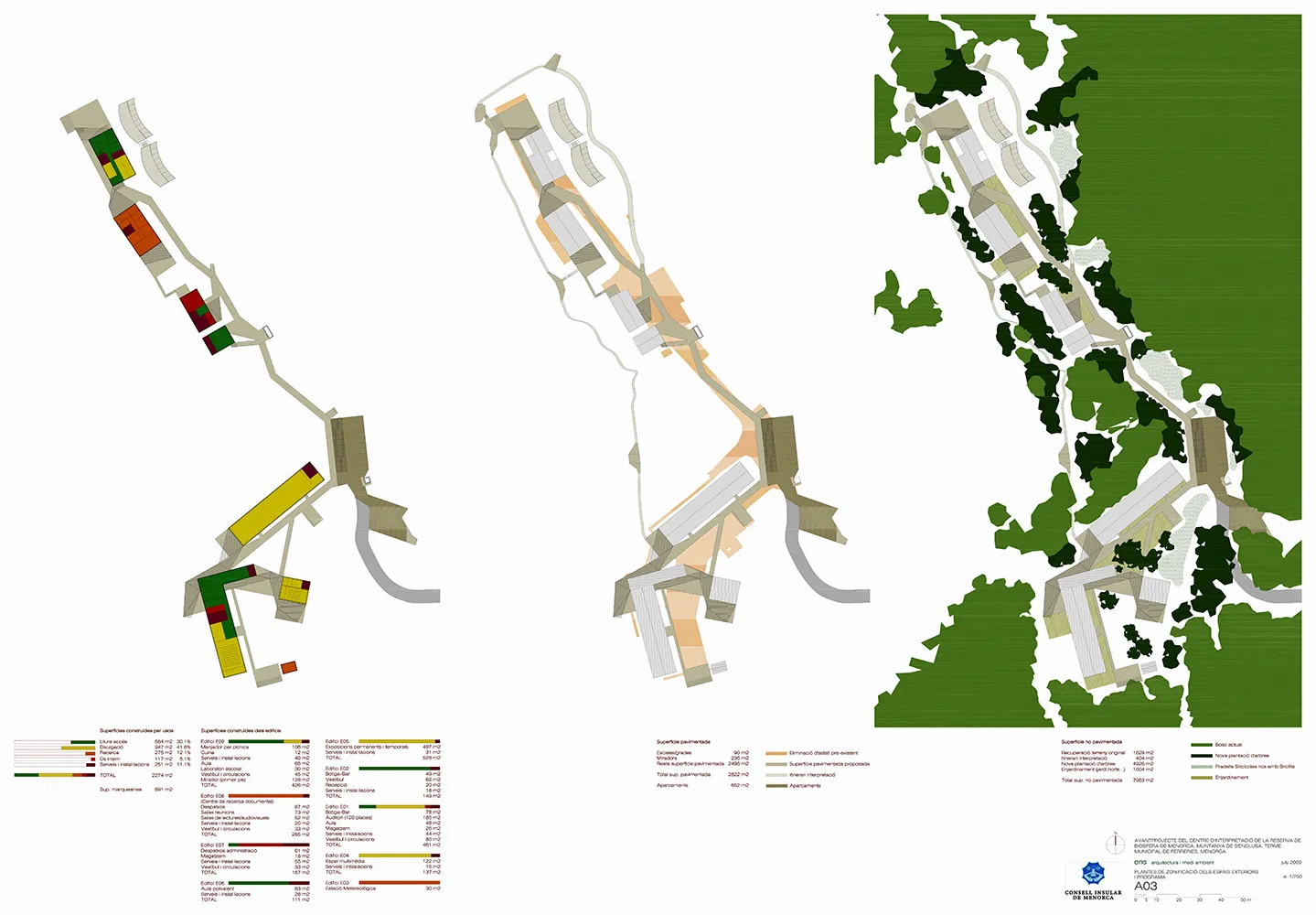
The needs and usage programme of the future Interpretation Centre was defined through a broad participatory process, including a dedicated website and three in-person workshops. In addition, the preliminary project included a proposal for organising the outdoor spaces of the site, a mobility study for access, and the definition of intervention and operational criteria for the future centre, outlining its co-management, economic sustainability, net-zero environmental impact and energy and water self-sufficiency.

The work was carried out by an extensive transdisciplinary team using a participatory methodology. The result is an ambitious document featuring innovative proposals such as the creation of the S’Enclusa Resource Balance Agency and the drafting of an Environmental Report throughout the entire process (design, execution and management) of the future Interpretation Centre.

Categoria:

Status: Drafted

Client:
Consell Insular de Menorca
Environment, Biosphere Reserve and Cooperation

Location: Mountain of S’Enclusa, Ferreries, Menorca

Dates (start and completion): 2008–2009

Area: 13,700 m²

Budget (PEM): €7,200,000

Awards:
First prize in curricular and methodological proposal competition

Co-author: Jesús Cardona, architect

Consultants:
Miquel Truyol, biologist
Agnès Canals, biologist

Collaborators:
Josep Gavaldà, industrial engineer
Meritxell Briansó, technical industrial engineer
Miquel Buch, landscape architect
Rafael Pons, surveyor
Franc Muñoz, programmer and graphic designer
Cristobal Barber, historian
Antoni J. Montaner, lawyer
Rafael Capó, telecommunications engineer

Acknowledgements:
David Pon, Minuartia SL
Albert Sagrera, Societat Orgànica

Images: Ferran Vizoso & Jesús Cardona